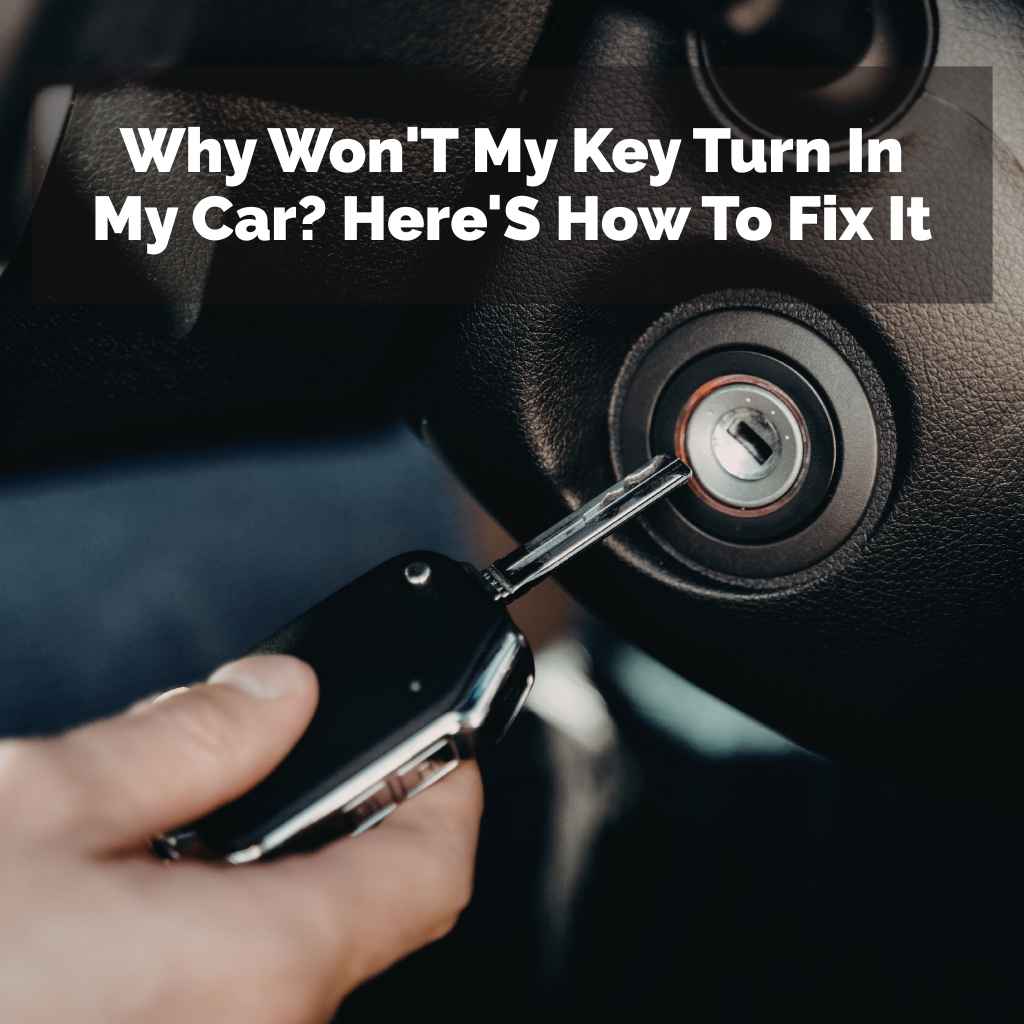
Why Won’T My Key Turn In My Car? Here’S How To Fix It
We’ll explore why this happens. You’ll learn about common causes. We’ll also cover easy steps you can try yourself.
This way, you can hopefully get back on the road soon. Let’s figure out what’s going on.
A car key won’t turn in the ignition most often due to a steering wheel lock, a worn-out key, or a problem with the ignition cylinder itself. Simple adjustments or minor fixes usually resolve the issue.
Understanding Why Your Car Key Won’t Turn
When you insert your car key into the ignition, you expect it to glide in and turn smoothly. This action tells your car’s computer to wake up and start the engine. But sometimes, it feels like the key is stuck.
This usually happens for a few main reasons.
The most common culprit is the steering wheel lock. Cars have a security feature. When you turn off the engine and remove the key, you might have turned the steering wheel a bit.
This locks the steering column. The ignition cylinder has a small pin that fits into a notch on the steering column. When this pin is engaged, the key cannot turn.
It’s a safety feature to prevent theft.
Another reason could be a worn-out key. Over time, keys can get damaged. The edges can become soft or bent.
The metal in the key is what the ignition cylinder reads. If the shape is wrong, the cylinder won’t recognize it. This means it won’t unlock and allow the turn.
Sometimes, the ignition cylinder itself has issues. This is the metal part the key slides into. It has tumblers inside, like a small lock.
These tumblers need to align perfectly with the key’s cuts. If the tumblers are dirty, damaged, or worn out, they might not move correctly. This prevents the key from turning.
A foreign object can also get lodged in the ignition. This could be a small piece of debris or even a broken piece of another key. This blocks the key from going in fully or turning.
Dirt and grime build up over time too. This can make the mechanism stiff.
In some cases, it might be a problem with the car’s battery. While less common for a key not turning, a very weak battery might not provide enough power for the ignition system to disengage the steering lock. It’s worth checking, especially if you’ve had other electrical issues.
Finally, it could be the key fob. Modern cars use key fobs. If the battery in the fob is dead, the car might not recognize it.
This can sometimes prevent the ignition from turning, even with the key inside. The car needs to confirm it has the right key.
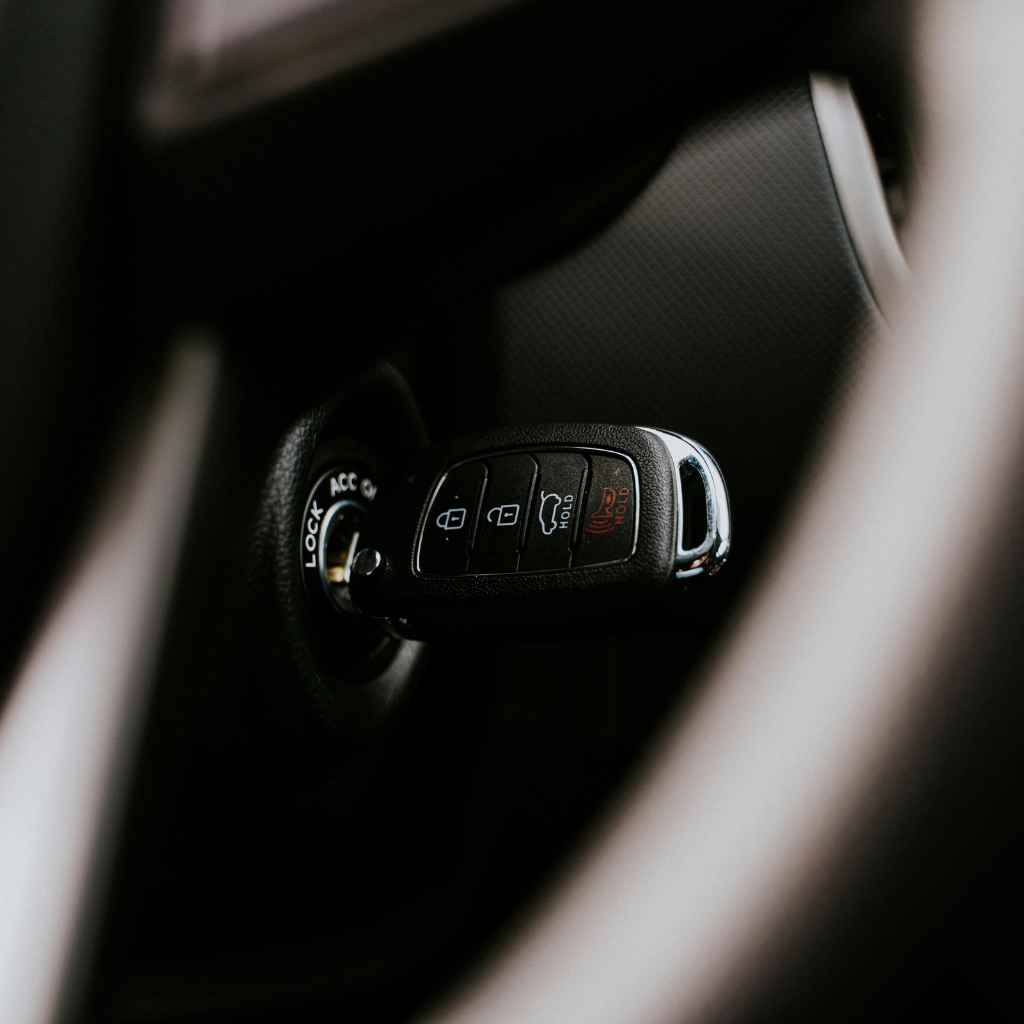
My Own Steering Wheel Lock Saga
I remember one chilly morning, I was rushing to an appointment. I jumped into my trusty old sedan, put the key in the ignition, and… nothing. It wouldn’t budge.
I wiggled it, jiggled it, and pushed harder. My heart sank a little. I started to think about towing trucks and expensive repairs.
I recalled a story my dad told me about a similar issue. He said sometimes the steering wheel gets nudged just right, locking the ignition. I remembered I had parked on a slight incline and might have put a bit of pressure on the wheel when I got out.
So, I tried something simple. I gently pushed the steering wheel to the left, then to the right, while trying to turn the key. On the third try, click!
The key turned. It was such a relief. That experience taught me to always check the steering wheel first.
It’s often the simplest fix for a key that won’t turn.
Quick Checks for a Stuck Key
Steering Wheel Lock: Gently turn the steering wheel left and right while trying to turn the key. The lock should release.
Key Condition: Check your key for any bends or damage. A worn key might not fit right.
Debris in Ignition: Look into the ignition slot for any visible dirt or small objects.
Battery Power: Ensure your car’s battery is not completely dead.
How the Steering Wheel Lock Works
The steering wheel lock is a very clever security system. It’s designed to stop someone from driving your car away without the key. Think of it like a tiny metal pin or bolt inside your steering column.
When you turn the engine off and remove the key, you can often turn the steering wheel a little. As you do this, the steering column moves slightly. The ignition cylinder has a part that can move too.
This part has a small groove or notch. When the steering wheel is turned past a certain point, this groove lines up with a pin in the ignition cylinder.
This pin then pops out into the groove on the steering column. This physically locks the steering wheel in place. It also prevents the ignition cylinder from turning.
The key is trapped inside. It can’t turn because the whole mechanism is held tight.
To unlock it, you need to apply slight pressure to the steering wheel. You can gently push it in the direction that is trying to “release” the lock. At the same time, try to turn the key.
This pressure can help retract the locking pin.
It’s like a puzzle. You have to move the steering wheel a little bit. This allows the pin to pull back.
Once the pin is back, the ignition cylinder is free to turn. You’ll often hear a small click when the lock disengages. Then, your key should turn normally.
This is why you should not force the key. Forcing it can damage the ignition cylinder or the key itself. A gentle approach is usually best.
Most of the time, a little wiggling of the steering wheel is all it takes.
When Your Key Itself is the Problem
Keys are made of metal, and metal can wear down. Over years of use, the edges of your car key can become smoother. The sharp cuts that match the tumblers in your ignition can get rounded.
This is normal wear and tear.
If your key is bent, even slightly, it won’t fit properly. The tumblers inside the ignition need to align perfectly with the grooves on the key. A bent key will not allow this alignment.
It might not even go in all the way.
Sometimes, keys can become weak. The metal might seem almost soft. This can happen if the key has been exposed to extreme heat or cold for long periods.
Or if it’s been dropped many times.
Also, consider if you have a spare key. If your spare key works fine, then the problem is almost certainly with your primary key. If neither key works, the issue is likely with the car’s ignition system.
It’s easy to overlook the key itself. We often assume the car is the problem. But the key is the “tool” that interacts with the car’s lock.
If the tool is damaged, it can’t do its job.
A chipped or cracked key can also cause issues. The plastic part of the key, especially if it has a transponder chip inside for security, can break. If this part is damaged, it might not communicate correctly with the car.
For modern cars, the key might be a more complex fob. These have batteries and electronic components. If the fob is damaged or the battery is dead, the car may not start.
Even if the metal key part turns, the car’s computer won’t allow the engine to start without a valid key signal.
Key Care Tips
Avoid Key Chains: Don’t hang too many keys on one ring. This adds weight and stress to your car key.
Gentle Handling: Avoid using your key to pry things open or as a tool.
Protect from Elements: Keep your key away from extreme heat or cold when possible.
Use Spare Key: If your main key feels worn or damaged, switch to your spare.
Problems with the Ignition Cylinder
The ignition cylinder is the heart of your car’s starting system. It’s a mechanical lock mechanism. It contains small pins called tumblers.
These tumblers must be lifted to the exact right height by the cuts in your key. When all tumblers are in the correct position, the cylinder can rotate.
Over time, this cylinder can wear out. The tumblers might become sticky. They might not move freely anymore.
This can happen due to dirt, dust, or even moisture getting inside.
If you’ve ever tried to start your car in extremely dusty or sandy conditions, grit can get into the lock. This grit acts like sandpaper. It wears down the tumblers and the key.
It can also cause them to stick.
Sometimes, the internal springs that push the tumblers can weaken or break. This means the tumblers won’t pop up correctly. The key won’t be able to turn.
Another issue is called “cylinder seizure.” This is when the internal parts of the cylinder corrode or get gummed up. They essentially seize up. This can happen if the car has been sitting for a long time, especially in humid environments.
If you suspect the ignition cylinder is the problem, you might notice other symptoms. The key might feel stiff to insert. Or it might feel loose in the ignition when it’s in.
These are signs that the cylinder is not functioning correctly.
Replacing an ignition cylinder can be a more involved job. It often requires removing parts of the dashboard. In some cars, the steering column may need to be partially disassembled.
This is usually a job for a professional mechanic.
However, sometimes a good cleaning and lubrication can help. A specialized lock lubricant might free up sticky tumblers. But this is a temporary fix if the cylinder is truly worn out.
It’s important to differentiate between a key issue and an ignition cylinder issue. If a spare key also fails to turn, the ignition cylinder is the more likely problem. If the spare key works fine, the original key is probably the issue.
Other Less Common Causes
While steering wheel lock, key wear, and ignition cylinder problems are most frequent, other factors can cause a key not to turn.
One of these is a problem with the shift interlock. This is a safety feature that prevents you from starting the car unless it’s in Park or Neutral. If the sensor for this system is faulty, it might tell the car it’s not in Park.
This can prevent the ignition from turning.
Sometimes, the issue might stem from the car’s battery. If the battery is critically low, it might not have enough power. This power is needed to disengage some security systems.
This can include the steering wheel lock or other electronic safeguards. This is more common if you’ve been having trouble starting the car recently.
For cars with push-button start, the problem might be with the key fob’s battery. Even if the fob is inside the car, if its battery is dead, the car may not recognize it. This can prevent the ignition from engaging.
In rare cases, there might be an issue with the car’s computer system. A glitch in the Engine Control Unit (ECU) could potentially interfere with the ignition process. This is usually accompanied by other warning lights on the dashboard.
Finally, a physical obstruction in the ignition is possible. This could be dirt, a small pebble, or even a piece of a broken key. These can prevent the key from being inserted fully or turning.
Troubleshooting Flowchart (Simplified)
Problem: Key Won’t Turn
Step 1: Check Steering Wheel
Gently wiggle steering wheel left/right while turning key. If it turns, you’re good!
Step 2: Inspect Key
Look for bends, chips, or excessive wear. Try a spare key if you have one.
Step 3: Consider Ignition Cylinder
If key is fine and spare key doesn’t work, the cylinder might be faulty.
Step 4: Other Factors
Check battery, shift interlock, or key fob battery for modern cars.
Real-World Scenarios and Solutions
Let’s look at some real-life situations people face and how they solve them. These are based on common experiences.
Scenario 1: The “Parking on a Hill” Lockout
Sarah parked her car on a steep San Francisco street. When she returned, the key wouldn’t turn. She tried forcing it, but it only made her anxious.
She remembered her driving instructor mentioning a steering wheel lock. She gently turned the steering wheel to the left. At the same time, she tried turning the key.
It immediately clicked and turned. She was back on her way, relieved it wasn’t a big problem.
Solution: Steering wheel lock release technique.
Scenario 2: The “Worn-Out Favorite Key”
Mark had his car for 10 years. His main key had been through a lot. It was a bit bent and the edges were very smooth.
One day, it just stopped turning. He tried his spare key, which was newer and in better condition. The spare key worked perfectly.
He realized his old key was simply too worn out.
Solution: Get a new key cut or reprogrammed.
Scenario 3: The “Sticky Ignition”
Maria lived in a coastal town. The salty air seemed to get into everything. Her car key started to feel stiff.
It was hard to insert and hard to turn. Eventually, it got so bad it wouldn’t turn at all. She took it to a mechanic.
They found that the tumblers inside the ignition cylinder were corroded and stuck. They had to replace the entire ignition cylinder.
Solution: Ignition cylinder replacement.
Scenario 4: The “Forgotten Battery Issue”
John had been meaning to replace his car battery for a while. It was showing signs of weakness. One morning, his key wouldn’t turn.
He tried the steering wheel trick, but it didn’t help. He noticed his dashboard lights were very dim. He got a jump start.
After that, the car started normally. The weak battery had caused some electronic systems to malfunction.
Solution: Replace the car battery.
Scenario 5: The “New Car Key Fob Confusion”
When Jessica got her new car, she was confused by the keyless entry and start system. One day, the car wouldn’t start. The “start” button didn’t do anything.
She tried putting the key fob in the emergency slot. She then tried turning the actual metal key inside the fob. It wouldn’t turn.
She realized the key fob battery was dead. She replaced the battery, and the car started right up.
Solution: Replace key fob battery.
Quick Scan: Why Your Key Won’t Turn
| Common Cause | What It Feels Like | Likely Fix |
|---|---|---|
| Steering Wheel Lock | Key won’t budge, steering wheel feels tight. | Gently wiggle steering wheel while turning key. |
| Worn or Damaged Key | Key is bent, smooth, or doesn’t insert fully. | Use a spare key; get a new one made. |
| Ignition Cylinder Issue | Key feels stiff, loose, or won’t turn even with steering unlocked. | May need ignition cylinder repair or replacement. |
| Low Car Battery | Other electrical issues, dim lights, weak crank. | Check and replace car battery. |
| Key Fob Battery (Modern Cars) | Push-button start doesn’t work, car doesn’t recognize key. | Replace key fob battery. |
What This Means for You: When to Worry and When It’s Normal
It’s important to know when a key not turning is a minor annoyance and when it signals a bigger problem.
When It’s Normal (Usually):
- The steering wheel is locked. This happens frequently, especially if you park on slopes or turn the wheel sharply after turning off the engine. The fix is usually simple: jiggle the steering wheel and turn the key.
- Your key looks a little worn. Keys naturally get smoothed out with use. If it’s just a bit stiff, but still turns with a little effort, it might just be time for a new copy.
When to Pay Closer Attention (Might Need Help):
- The key will not go in fully. This could mean something is blocking the ignition cylinder, or the key is bent badly.
- The key goes in but feels very loose or wobbly inside. This suggests damage to the ignition cylinder.
- You’ve tried the steering wheel lock trick multiple times, and it doesn’t work. This points away from a simple lock and towards a mechanical issue.
- You hear grinding or clicking noises when you try to turn the key. This can mean internal damage to the ignition cylinder.
- Other electrical systems in your car are also acting up. Dim lights, dashboard warning lights, or the car not starting at all might mean a battery or electrical system issue affecting the ignition.
- You have a modern car, and even with a new key fob battery, it won’t start. This could indicate a problem with the car’s immobilizer system or computer.
Simple Checks You Can Do:
- Try the Spare Key: This is the best first step. If the spare works, you know the problem is your primary key.
- Visual Inspection: Look closely at your key. Is it bent? Are the cuts worn down? Look into the ignition slot for obvious debris.
- Steering Wheel Jiggle: This is always worth a try. It’s harmless and often solves the issue quickly.
- Check Your Battery: If your car has been sluggish or showing other battery warnings, this is a good suspect.
If you’re unsure, it’s always best to err on the side of caution. Forcing things can lead to more expensive repairs. If it feels like more than just a simple lock, it’s time to call a professional.
Quick Fixes and Tips
When your car key won’t turn, there are a few things you can try yourself before calling a mechanic. These are simple, common-sense solutions.
1. Release the Steering Wheel Lock: This is the most frequent solution. Insert your key into the ignition.
Gently turn the steering wheel slightly to the left or right. You’ll feel it resist if the lock is engaged. While applying slight pressure to the steering wheel in the direction that feels like it’s trying to release, try to turn the key.
You might need to try both directions for the steering wheel. * You should hear a click when the lock releases, and the key should turn.
2. Inspect and Clean Your Key:
Take your key out and look at it carefully. Is it bent, chipped, or are the edges very smooth? If you see dirt or grime on the key, wipe it clean with a soft cloth.
* If your key has a transponder chip inside (most modern keys do), make sure it’s not damaged.
3. Clean the Ignition Cylinder:
You can try using a can of compressed air to blow out any dust or debris from the ignition slot.
If you have a graphite lubricant specifically for locks (never use oil like WD-40, as it attracts dirt), you can spray a small amount into the ignition. Then, insert and remove your key several times. This can help free up sticky tumblers.
4. Try Your Spare Key:
If you have a spare key, use it. If the spare key works, it confirms your original key is the problem.
This means you’ll need to get a new key made.
5. Check the Gear Shifter:
Ensure the car is fully in Park (or Neutral for manual transmissions).
Try wiggling the shifter slightly while attempting to turn the key. A faulty neutral safety switch can sometimes prevent starting.
6. Check Battery Connections (If applicable):
While unlikely to cause a key-not-turning issue directly, a very weak battery might cause electrical systems to misbehave. Ensure your battery terminals are clean and tight.
7. For Keyless Entry Cars:
If you have a push-button start and the car won’t start, try replacing the battery in your key fob. Many cars have a hidden slot or area to place the key fob if the battery is dead. Check your owner’s manual for this.
Then try to start the car.
Important Note: If your key is broken off in the ignition, or if you suspect a serious mechanical issue with the ignition cylinder, do not try to force it. This can cause further damage and require more expensive repairs.
In such cases, it’s best to call a locksmith or a mechanic.
Frequently Asked Questions
Why is my car key stuck and won’t turn?
This often happens due to the steering wheel lock. When you park and turn off the engine, if you turn the steering wheel, a pin engages and locks the ignition. Other causes include a worn key, debris in the ignition, or a faulty ignition cylinder.
How can I unlock my steering wheel if the key won’t turn?
Insert your key into the ignition. Gently turn the steering wheel slightly to the left and right. While doing this, try to turn the key.
The pressure on the steering wheel should help release the locking pin, allowing the key to turn.
My car key is bent. Will it still work?
A slightly bent key might still work, but it can make the ignition stiff or difficult to turn. If the key is significantly bent, it might not fit into the ignition cylinder correctly, or it could damage the tumblers. It’s best to get a new key made if yours is bent.
Can I fix a worn-out car key?
You cannot repair a worn-out key directly. The metal has been smoothed down. The best solution is to get a new key cut from your car’s original specifications or from a working spare key.
Many automotive locksmiths can do this.
How do I know if my ignition cylinder is bad?
Signs of a bad ignition cylinder include the key feeling very loose or wobbly in the ignition, difficulty inserting or turning the key, or hearing grinding noises when you try to turn it. If your spare key also won’t turn, the ignition cylinder is a likely culprit.
Should I use WD-40 to lubricate my car’s ignition?
No, it’s generally not recommended to use oil-based lubricants like WD-40 in car ignitions. These can attract dust and debris, making the problem worse over time. Use a dry lubricant like graphite or a specialized lock lubricant instead.
My car has a push-button start. Why won’t it start?
For push-button start cars, common issues include a dead key fob battery, the car not recognizing the fob, or a faulty brake pedal sensor. Ensure the key fob has a good battery and is close to the car. Check your owner’s manual for emergency start procedures.
Conclusion
Dealing with a car key that won’t turn can be stressful. But as we’ve seen, the cause is often simple. The steering wheel lock is the most common reason.
It’s easy to fix with a gentle wiggle. Sometimes the key itself is worn or damaged. Other times, the ignition cylinder needs attention.
By understanding these causes, you can troubleshoot the issue. You can often resolve it yourself. This saves you time and money.
If you’re ever unsure, calling a professional is the safest bet.
Products related to this article
Sponsored / affiliate links. As an Amazon Associate I earn from qualifying purchases. I may earn additional commission from eligible campaigns.