How to Crank a Car Without a Key: 4 Methods That Actually Work
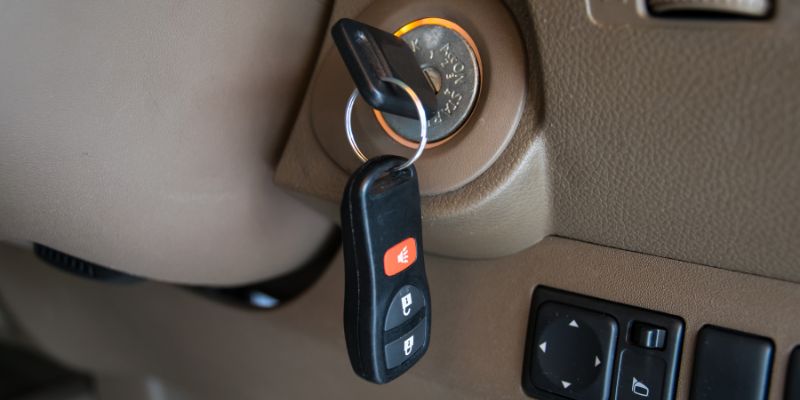
Cranking a car without a key is possible on older vehicles but effectively impossible on modern cars equipped with transponder chips or immobilizers. There are four approaches that work in legitimate situations — hotwiring (pre-1998 vehicles only), the screwdriver method, bypassing the starter solenoid, and using a remote starter — each with specific requirements and real risks. This guide covers which method applies to your vehicle, the exact steps for each, what to do when your key fob dies on a push-button start car, and when calling a locksmith is the smarter move.
Quick Answer
To crank a car without a key: on pre-1998 vehicles, hotwiring or a flathead screwdriver in the ignition may work. On modern cars with push-button start, hold the key fob directly against the start button or use the hidden mechanical key blade. Bypassing an immobilizer-equipped car requires a locksmith or dealership — there is no DIY workaround for post-1998 vehicles.
Why Would You Need to Crank a Car Without a Key?
Top Pick: Prevent Getting Locked Out
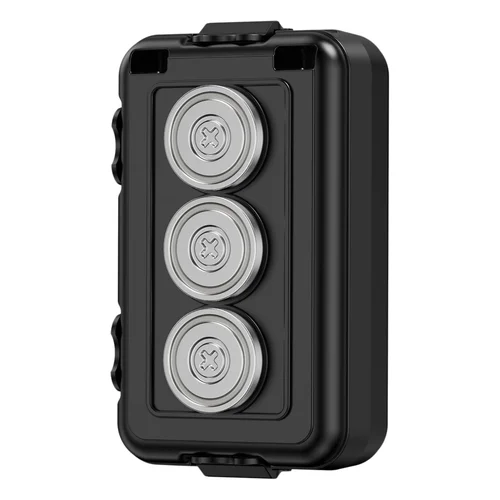
Magnetic Hide-A-Key Box
A spare key hidden on your vehicle eliminates the need for any of the methods in this guide. Strong rare-earth magnets hold the box securely under the frame or wheel well — invisible from outside the car.
- Best for: Emergency backup key storage on the vehicle itself
- Why we picked it: Eliminates lockout situations entirely — $8 fix vs. $150 locksmith call
- Main drawback: Only works if you have a spare key to put inside it
Other ways to never get locked out again
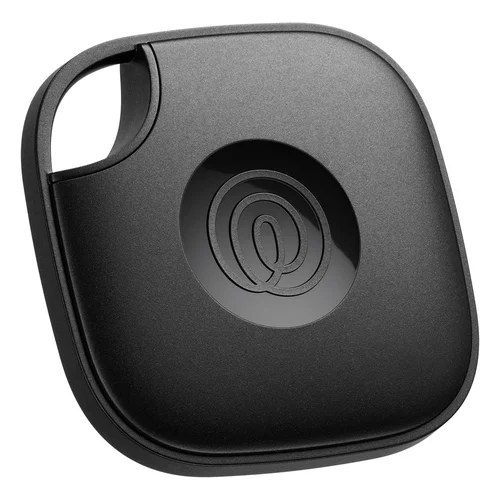 Option 1 Bluetooth Key Finder
|
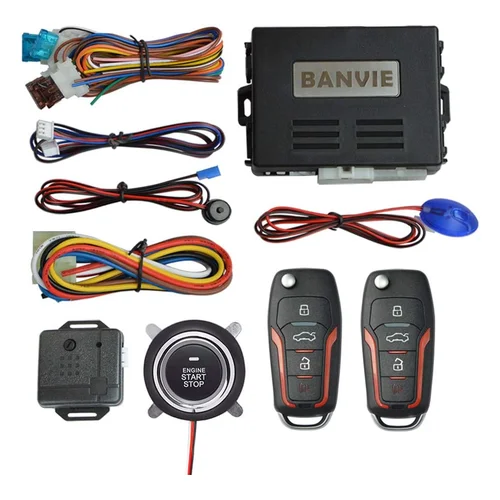 Option 2 Remote Start System
|
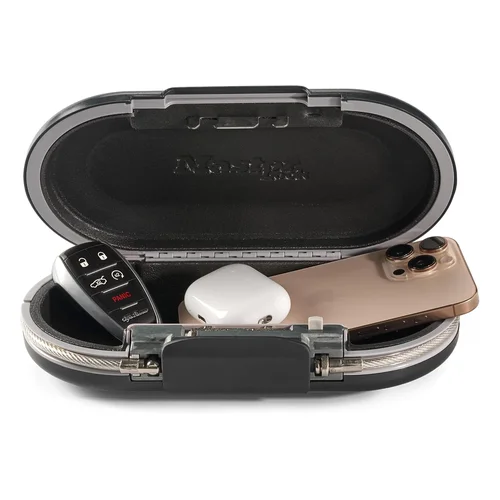 Option 3 Combination Key Lockbox
|
As an Amazon Associate we earn from qualifying purchases.
Life throws curveballs, and sometimes those curveballs involve a missing car key. Common legitimate scenarios: you lost your keys during a hectic day, you’re working on a classic car that didn’t come with a key, you inherited a vehicle with no keys, or the ignition lock cylinder failed. Whatever the reason, knowing how to crank a car without a key can be a lifesaver — but you’ve got to do it safely, legally, and with realistic expectations about what works on modern vehicles.
Is It Legal to Start a Car Without a Key?
In the USA, starting your own car without a key is legal as long as you own the vehicle. If the car is yours and you have proof of ownership (title or registration), you’re good to go. If you’re trying to start someone else’s car — even with good intentions — you could face theft or attempted theft charges. Always keep documentation handy. A locksmith will ask for proof of ownership before helping you bypass an ignition; this is standard practice and protects everyone.
Methods to Crank a Car Without a Key
There are four methods that work in real-world conditions. The first thing to establish is whether your car is pre-1998 or newer — this single factor determines which options are actually available to you. Modern vehicles with transponder keys or push-button start cannot be hotwired by conventional means; the immobilizer will prevent the engine from running even if you get it to crank.
Hotwiring the Car
Hotwiring works reliably only on pre-1990s vehicles. Cars from 1990–1998 may or may not work depending on whether they have an early immobilizer system. Any car built after 1998 has a transponder chip in the key that communicates with the ECU — without that signal, the engine won’t run even if you crank it. Hotwiring a modern car will crank the starter but the engine will immediately stall.
To hotwire an older car, access the wires behind the ignition switch by removing the plastic steering column cover. You’ll typically find three wire bundles: battery wires (usually red), ignition wires (usually brown or yellow), and starter wires (usually yellow or brown with a stripe). Connect the two battery wires together to power the dash. Then briefly touch the ignition wire to the connected battery wires to crank the engine — do not leave this connection permanent. The exact wire colors vary by make and model, so consult a vehicle-specific wiring diagram. Hotwiring can cause electrical damage if done incorrectly, so treat this as a last resort on a car you own.
Using a Screwdriver to Turn the Ignition
This works on older cars with worn or damaged ignition lock cylinders — the screwdriver mimics the key’s physical action when the wafers inside the lock are sufficiently worn. Insert a flathead screwdriver into the ignition slot and apply firm rotational pressure. On very worn locks, this may turn the ignition. It won’t work on newer cars or locks in good condition, and it permanently damages the ignition cylinder, making your car easier to steal. Replace the ignition lock as soon as possible if you use this method.
Bypassing the Ignition Switch
Bypassing the ignition switch involves connecting the starter solenoid directly to the battery to crank the engine, bypassing the key cylinder entirely. This is most useful on project cars or when the ignition switch has mechanically failed. Locate the starter solenoid — on most vehicles it’s mounted on the firewall near the battery or directly on the starter motor. The solenoid has two large terminals (battery feed and starter motor) and one small “S” terminal (signal wire from ignition). Connect a short jumper wire between the battery positive terminal and the “S” terminal on the solenoid to crank the engine. On pre-1998 cars, this will also start the engine. On modern cars with immobilizers, it will crank but not run. If you’re not comfortable with car electronics, have a mechanic handle this — connecting the wrong terminals can fry the starter, solenoid, or ECU.
Using a Remote Starter
If you’ve already had a remote starter installed on your vehicle, losing the physical key doesn’t prevent you from starting the engine — activate the remote starter via fob or smartphone app and the car cranks normally. The catch is that remote starters must be pre-installed; this isn’t a solution you can implement after the fact in an emergency. If you’re planning ahead, a professionally installed remote starter ($150–$500) is one of the best investments for convenience. Make sure it’s installed by a certified technician — DIY installations frequently cause wiring problems. If you want to learn more about whether mechanics handle electrical work, most auto shops that install audio systems also install remote starters.
How to Start a Car Without a Key Fob (Dead Battery Fix)
Modern push-button start cars don’t use a traditional key — they use a key fob that communicates wirelessly with the car. If your fob battery dies, the car appears to not recognize the key, but there are always backup methods built into the vehicle. This situation is far more common than a lost physical key, and every modern manufacturer provides a solution:
- Toyota & Lexus: Hold the key fob flat against the START/STOP button (fob emblem facing the button). The car reads the fob’s passive transponder chip through direct contact. Press the brake pedal and push the button normally.
- BMW: Most BMW models have a key slot hidden under the cup holder or on the dashboard near the steering column. Locate the slot, insert the fob, and the car reads the chip directly.
- Volkswagen/Audi: A backup key slot is typically located inside the center console or behind the dashboard trim panel near the ignition area.
- Ford, GM, Chrysler (most models): Hold the fob directly against the start button and press while depressing the brake. The button has a built-in antenna to read the fob at close range.
- All push-button start cars: Every key fob contains a hidden mechanical key blade — slide the release button on the back of the fob to extract it. This blade opens the door. Once inside, use the fob-to-button method above to start the engine.
If none of these work, the issue isn’t the fob battery — the fob itself may be damaged or the car’s antenna receiver may have failed. At that point, a dealer or locksmith with the right programming equipment is required.
Tools You Might Need
The tools required depend entirely on which method you’re using. Here’s a reference table:
| Tool | Purpose | Method |
|---|---|---|
| Flathead Screwdriver | Turns worn ignition lock | Screwdriver method (pre-1990s) |
| Insulated Jumper Wire | Connects solenoid S-terminal to battery | Ignition bypass |
| Wrench Set | Accesses starter solenoid mounting bolts | Ignition bypass |
| Wire Strippers/Cutters | Strips insulation for hotwiring | Hotwiring (pre-1998 only) |
| Multimeter | Identifies correct wires before connecting | Hotwiring / bypass |
| Vehicle Wiring Diagram | Shows wire colors for your specific make/model | Hotwiring (essential) |
Safety Tips to Keep in Mind
- Work in a well-ventilated area: Car batteries release hydrogen gas that can ignite. Always open garage doors before working near the battery.
- Disconnect the battery before touching wires: Before working on ignition wiring, disconnect the negative terminal to prevent shocks and short circuits.
- Wear insulated gloves and safety glasses: Sparks from electrical connections can cause burns and eye injuries.
- Double-check every connection: A misidentified wire can blow fuses, damage the ECU, or fry the starter motor — costs far exceeding a locksmith call.
- Have a fire extinguisher nearby: Electrical work near fuel systems creates real fire risk. A small ABC extinguisher is a worthwhile garage staple.
- Know when to stop: If you’re uncertain which wire is which, stop and call a locksmith. A $150 service call is cheaper than a $600 wiring harness replacement.
When to Call a Professional
Call a locksmith if: you have a modern car (post-1998) with an immobilizer, the ignition lock cylinder is broken (not just worn), you need a transponder key programmed, or any of the DIY methods above haven’t worked after one careful attempt. Locksmiths carry OBD-II programming equipment to cut and program new transponder keys on-site — typically $75–$250 depending on the vehicle. Dealers charge $200–$600 for the same service. If you’ve lost all keys for a modern vehicle, the dealer may require proof of ownership and a VIN verification before they’ll program a new key to the ECU.
How to Prevent This Problem in the Future
- Keep a spare key: Have a spare cut for every car you own and store it somewhere accessible but separate from your primary key — at home, with a trusted person, or in a magnetic hide-a-key box mounted on the vehicle frame.
- Use a key tracker: Attach a Bluetooth tracker to your keychain so you can ring it from your phone when it goes missing.
- Replace key fob batteries proactively: CR2032 batteries in key fobs last 1–3 years. When your fob range starts shrinking, replace the battery before it dies completely.
- Maintain your ignition lock: Apply a graphite-based dry lubricant to the keyway every year on older vehicles. Avoid WD-40 — it attracts dust and gums up wafers over time.
- Consider a keyless entry upgrade: Modern keyless systems add redundancy. If you lose the fob, the app backup still gets you in.
Conclusion
Cranking a car without a key comes down to one question: how old is the vehicle? Pre-1998 cars have real DIY options — hotwiring, screwdriver ignition, and solenoid bypass all work in the right conditions. Modern cars are a different story — transponder chips and immobilizers make conventional hotwiring useless, but the dead key fob problem has straightforward manufacturer-provided solutions that most people don’t know about. When in doubt, a locksmith with programming equipment is the fastest and safest path back on the road.
Frequently Asked Questions
Can I crank any car without a key?
No. Older cars (pre-1998) are the best candidates for hotwiring or ignition bypass methods. Modern vehicles with transponder keys or immobilizers cannot be conventionally hotwired — the engine will crank but not start without the ECU receiving the correct transponder signal from the key. For modern cars, the dead-fob backup methods (holding fob to start button) or locksmith programming are the only realistic options.
Is hotwiring a car dangerous?
Yes, if done carelessly. You’re working with live 12V circuits near a fuel system — sparks from misconnected wires can ignite fuel vapors. Disconnect the battery before identifying wires, use a wiring diagram for your specific vehicle, and wear insulated gloves. Connecting the wrong wires can blow fuses, fry the ECU, or permanently damage the ignition system.
How much does it cost to replace a lost car key?
It depends on key type: a basic mechanical key costs $5–$50 to cut. A transponder key (chip key) runs $75–$250 at a locksmith or $150–$400 at a dealer. A smart key or key fob costs $200–$600 at the dealer and $100–$300 at an automotive locksmith. If you’ve lost all copies, the dealer may need to re-code the ECU, adding $50–$200 to the cost.
Can I install a remote starter myself?
Technically yes, but it’s not recommended unless you have solid automotive electrical experience. Modern remote starter kits require integrating with the vehicle’s CAN bus system, disabling the factory immobilizer bypass module, and correctly identifying dozens of wires. An incorrect installation can disable the car entirely. Professional installation typically costs $150–$400 and comes with a warranty on the work.
What if my key fob battery is dead and I can’t start my push-button car?
Hold the key fob directly against the START/STOP button and press while depressing the brake — most vehicles can read the passive transponder chip in the fob through direct contact even with a dead fob battery. If that doesn’t work, find the hidden mechanical key blade inside the fob (slide the small release tab on the back) to unlock the door, then try the fob-to-button method again. If still no start, the fob itself may be damaged and needs replacement or reprogramming.
Products related to this article
Sponsored / affiliate links. As an Amazon Associate I earn from qualifying purchases. I may earn additional commission from eligible campaigns.