How to Tell If Car Battery Is Low: A Complete Guide for Drivers
Hey there! So, you’re wondering how to tell if your car battery is low. I get it—there’s nothing worse than turning the key and hearing that dreaded clicking sound, or worse, nothing at all. I’ve been there, stranded in a parking lot with my old sedan, wishing I’d caught the signs earlier. Over the years, I’ve learned a lot about car batteries, from spotting the warning signs to testing them myself.
A low battery can leave you stuck, but the good news is, it’s easy to figure out if yours is running low before it dies completely. Let me walk you through everything I’ve picked up, so you can keep your car running smoothly. By the end, you’ll know exactly what to look for and how to handle a low battery like a pro. Grab a coffee, and let’s dive in!
Why Your Car Battery Matters
Your car battery is like the heart of your vehicle. It powers the starter, lights, radio, and all those fancy electronics. When I first got my Honda Civic, I didn’t think much about the battery until it left me stranded. A low battery can’t provide enough juice to start your car, and if it’s weak, it might not even power your headlights.
Keeping an eye on your battery saves you from breakdowns and costly tows. I learned this after paying $100 for a tow truck when my battery died at the mall. Checking for a low battery is simple, and catching it early can extend its life. Let’s talk about how to spot the signs.
Common Signs of a Low Car Battery
A low battery gives you clues before it quits. I’ve seen these signs in my cars over the years, and they’re easy to notice if you know what to look for. Here’s what I watch out for:
- Slow Engine Crank: When I turn the key, the engine cranks slowly, like it’s struggling. My Jeep did this last winter, and it was a sure sign the battery was low.
- Dim Headlights: If your headlights look weak or flicker, your battery might be low. I noticed this in my Civic at night—it was like the lights were half-asleep.
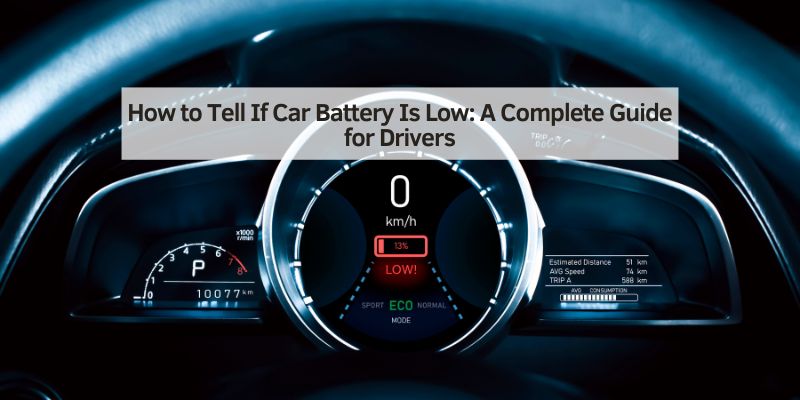
- Dashboard Warning Light: Most cars have a battery-shaped light on the dashboard. Mine lit up on my Toyota when the battery was weak. It’s a clear signal to check things out.
- Clicking Sound: When I tried starting my sedan and heard a rapid clicking, I knew the battery was too low to turn the engine over.
- Electrical Issues: If your radio, power windows, or AC act sluggishly, the battery might not have enough power. My Jeep’s radio cut out once, and it was a battery issue.
- Swollen Battery Case: I once saw my battery looking bloated under the hood. That’s a sign it’s failing and could be low on charge.
These signs saved me from being stranded more than once. If you notice any, don’t ignore them—it’s time to investigate.
How to Test Your Car Battery
If you suspect your battery is low, testing it is the next step. I’ve tested batteries myself, and it’s not as hard as it sounds. Here’s how I do it:
- Visual Check: I pop the hood and look at the battery. If there’s corrosion (white, crusty stuff) on the terminals, it can weaken the charge. I clean it with a wire brush and baking soda mixed with water.
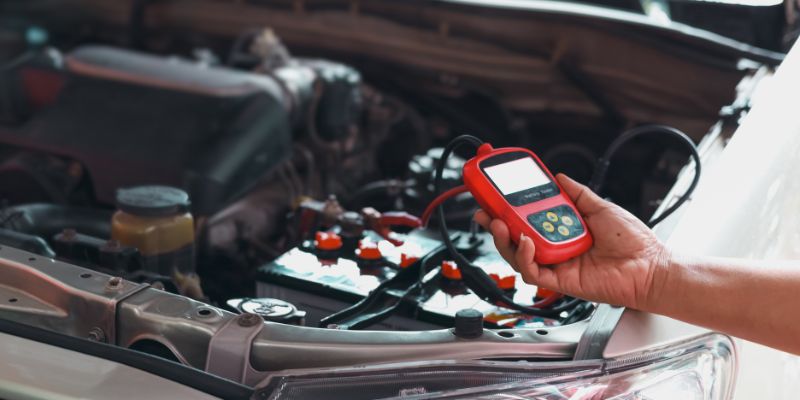
- Use a Multimeter: I bought a $20 multimeter at an auto store. With the car off, I set it to DC voltage and touch the red probe to the positive terminal and the black to the negative. A healthy battery reads 12.6 volts or more. My Jeep read 12.2 volts once, so I knew it was low.
- Load Test at a Shop: If I’m not sure, I take my car to an auto parts store like AutoZone. They do free-load tests to check if the battery holds a charge under stress. My Civic failed this test, and I replaced the battery before it died.
- Check the Alternator: A bad alternator can cause a low battery. I had a shop test mine when my battery kept dying. They checked if it was charging the battery properly (should be 13.7-14.7 volts when the car’s running).
Testing takes 10-20 minutes and gives you peace of mind. I always test my battery twice a year—before summer and winter—to avoid surprises.
What Causes a Car Battery to Run Low?
Understanding why your battery is low helps you prevent it. I’ve dealt with these issues in my cars, and they’re common culprits:
- Leaving Lights On: I left my headlights on overnight once, and my battery was dead by morning. Always double-check before leaving your car.
- Short Trips: If you only drive short distances, the battery doesn’t fully charge. My Civic’s battery struggled when I only drove to the store and back.
- Extreme Weather: Hot summers and cold winters are tough on batteries. My Jeep’s battery drained faster in Texas heat and Minnesota cold.
- Old Battery: Most batteries last 3-5 years. My Civic’s battery was 6 years old when it started failing. I check the manufacture date on the battery case.
- Parasitic Drain: Electronics like alarms or GPS can drain the battery when the car’s off. I had a faulty stereo drain my battery once—my mechanic found it.
- Faulty Charging System: If the alternator or voltage regulator isn’t working, the battery won’t charge. I had this issue with my Toyota, and a new alternator fixed it.
Knowing these causes helped me keep my batteries in better shape. I now park in the shade during summer and drive longer trips to recharge.
How to Recharge a Low Battery
If your battery is low but not dead, you can recharge it. I’ve done this a few times, and it’s saved me from buying a new battery too soon. Here’s what I do:
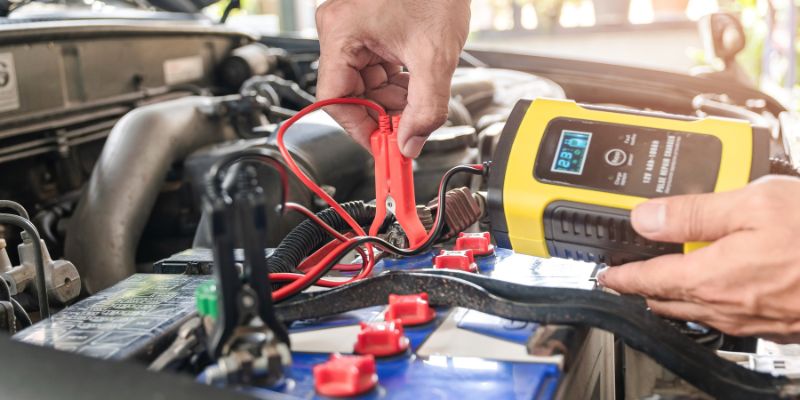
- Use a Battery Charger: I have a $30 charger from Walmart. I connect the red clip to the positive terminal and the black to the negative, then plug it in. It takes 4-12 hours to fully charge, depending on how low it is.
- Drive for a While: If you don’t have a charger, drive for 20-30 minutes at highway speeds. I did this with my Jeep, and it boosted the charge enough to get by.
- Jump-Start and Drive: If the battery’s too low to start, I jump-start it with cables and another car. After it’s running, I drive for 30 minutes to recharge. I’ve jump-started my Civic a few times this way.
Recharging works if the battery is still healthy. If it keeps dying, it’s probably time to replace it. I learned this after recharging my Toyota’s battery three times in a month—it was too old to hold a charge.
When to Replace a Low Battery
Sometimes, a low battery is a sign it’s on its last legs. I’ve replaced a few batteries over the years, and here’s how I know it’s time:
- Frequent Low Charge: If I have to recharge or jump-start often, the battery’s done. My Civic needed jumps every week before I replaced it.
- Age: If it’s over 4 years old, I start planning for a replacement. My Jeep’s battery was 5 years old when I swapped it out.
- Load Test Failure: If a shop’s load test shows the battery can’t hold a charge, it’s time for a new one. My Toyota failed this test, and I replaced it the same day.
- Physical Damage: If the battery is swollen, cracked, or leaking, I will replace it immediately. I saw a swollen battery in my friend’s car, and it was a safety hazard.
New batteries cost $100-$200, depending on the car. I buy mine at AutoZone or Costco and install them myself—it’s just a matter of loosening bolts and swapping them out. If you’re not comfortable, a shop can do it for $20-$50.
Preventing a Low-Car Battery
Keeping your battery healthy is easier than dealing with a dead one. I’ve picked up these habits to avoid low battery issues:
- Turn Off Electronics: I make sure headlights, interior lights, and the radio are off before leaving the car.
- Drive Regularly: I take my car for a 20-minute drive weekly to keep the battery charged, especially if I only do short trips.
- Clean Terminals: I check for corrosion every few months and clean it with a wire brush and baking soda solution.
- Park Smart: In summer, I park in the shade. In winter, I use a garage to protect the battery from extreme cold.
- Test Periodically: I test my battery with a multimeter before harsh weather hits. It caught a weak battery in my Jeep last fall.
These steps have saved me from countless headaches. A little maintenance goes a long way.
Tools You Need to Check and Maintain Your Battery
Having the right tools makes it easy to check your battery. I keep these in my garage:
- Multimeter: A $20 tool to test voltage. I use it on all my cars.
- Battery Charger: A $30 charger for recharging low batteries. It’s paid for itself many times.
- Wire Brush: For cleaning corrosion off terminals. I got one for $5.
- Wrench or Socket Set: To loosen battery terminals for cleaning or replacement. A $10 set works fine.
- Gloves and Safety Glasses: To protect my hands and eyes from battery acid. I bought a $10 pair at Home Depot.
These tools are cheap and last forever. I’ve used them for years, and they make battery maintenance a breeze.
What to Do If Your Battery Dies Completely
If your battery is dead, don’t panic. I’ve been there, stuck in a grocery store lot with a car that wouldn’t start. Here’s what I do:
- Jump-Start It: I carry jumper cables in my trunk. Connect the red cable to the positive terminal of the dead battery, then to the good battery’s positive terminal. Connect the black cable to the good battery’s negative, then to an unpainted metal part on my car’s engine. Start the good car, then mine. It worked for my Civic every time.
- Call for Help: If I don’t have cables or another car, I call roadside assistance. My insurance includes it, and it cost me $0 for a jump.
- Replace If Needed: If the battery won’t hold a charge after a jump, I will replace it. I had to do this with my Toyota after a jump didn’t last.
Always drive for 20-30 minutes after a jump to recharge, or use a charger. I learned this after my Jeep died again because I only drove a mile.
Battery Maintenance in Different Seasons
Weather affects your battery more than you think. I’ve lived in hot Texas summers and freezing Minnesota winters, and both are tough on batteries. Here’s how I handle it:
- Summer: Heat can make batteries lose charge faster. I park in the shade and check the battery’s water level (if it’s not sealed) to make sure it’s not low. I also test the voltage more often in summer.
- Winter: Cold slows down the battery’s chemical reactions. I keep my car in a garage and use a battery blanket (about $20) in extreme cold. I also start my car every few days if I’m not driving.
- Spring/Fall: These are milder, but I still test my battery twice a year. I clean terminals and check for corrosion during these seasons.
Adjusting for weather has kept my batteries lasting longer. My Jeep’s battery made it 5 years with this care.
Here’s a quick guide to battery signs and actions:
| Sign | What It Means | What to Do |
|---|---|---|
| Slow Crank | The battery is low or weak | Test the battery and alternator at a shop |
| Dim Headlights | Low charge or alternator issue | Check voltage; test alternator |
| Dashboard Light | Battery or charging system problem | Jump-start, recharge ,or replace |
| Clicking Sound | Jump-start, recharge or replace | The battery is too low to start |
| Swollen Case | Battery damaged or failing | Replace immediately; don’t attempt to charge |
Common Mistakes to Avoid
I’ve made plenty of battery mistakes, so let me save you some trouble:
- Ignoring Warning Signs: I ignored a slow crank in my Civic, and it died a week later. Act fast when you notice issues.
- Leaving Lights On: I drained my battery by leaving the dome light on overnight. Always check before locking up.
- Not Testing Regularly: I didn’t test my Toyota’s battery for years, and it failed suddenly. Test twice a year to catch problems early.
- Using a Cheap Charger: I bought a $10 charger once, and it overcharged my battery, damaging it. Spend a bit more for a quality one.
Avoiding these has made my car life much easier. A little attention goes a long way.
The Peace of Mind from a Healthy Battery
There’s something so reassuring about knowing your car battery is good to go. I love turning the key and hearing my engine roar to life without a hitch. After dealing with dead batteries and stressful breakdowns, I’ve learned to stay on top of maintenance. It’s not just about avoiding tows—it’s about feeling confident every time I hit the road.
Conclusion
So, how do you tell if your car battery is low? It’s all about watching for signs like a slow crank, dim headlights, or that pesky dashboard light, then testing with a multimeter or at a shop. I’ve been through the frustration of a dead battery, from jump-starts in parking lots to replacing one in the middle of winter, and I promise it’s easy to stay ahead of the game.
With a few simple checks, some basic tools, and a little maintenance, you can keep your battery strong and avoid being stranded. Whether you’re a new driver or a seasoned car owner, knowing your battery’s condition gives you peace of mind and keeps your car ready for the road. So grab that multimeter, check your battery, and drive worry-free. You’ve got this, and your car will thank you!
FAQs
How do I know if my car battery is low without tools?
Look for signs like a slow engine crank, dim headlights, or a clicking sound when starting. I noticed my Jeep cranking slowly, and it was a clear sign the battery was low.
Can I recharge a low car battery myself?
Yes, it’s easy. I use a $30 battery charger to recharge my battery in 4-12 hours. You can also drive for 20-30 minutes to boost the charge.
How often should I check my car battery?
I test mine twice a year, before summer and winter. It catches problems early. You can use a multimeter or get a free test at an auto shop.
What should I do if my battery is dead?
Jump-start it with cables and another car, then drive for 30 minutes to recharge. I did this with my Civic. If it won’t hold a charge, replace it.
How long does a car battery last?
Most last 3-5 years. My Jeep’s battery made it 5 years with good care. Check the manufacture date and replace if it’s over 4 years old.