How to Tell What Fluid is Leaking from Car: Expert Guide
You’re driving down the road when you notice something unusual—a mysterious puddle forming under your parked car. It’s a sight that can send a wave of anxiety through any car owner.
You might wonder, “What fluid is leaking, and how serious is it? ” Identifying the type of fluid can be crucial for maintaining your vehicle’s health and your peace of mind. Imagine saving yourself from costly repairs or even a breakdown by simply knowing what to look for.
In this guide, you’ll discover how to easily identify the fluid leaking from your car, empowering you to take quick, decisive action. Stay with us, and learn the simple steps that can make all the difference in keeping your car running smoothly.
Credit: www.endurancewarranty.com
Identifying Fluid Leaks
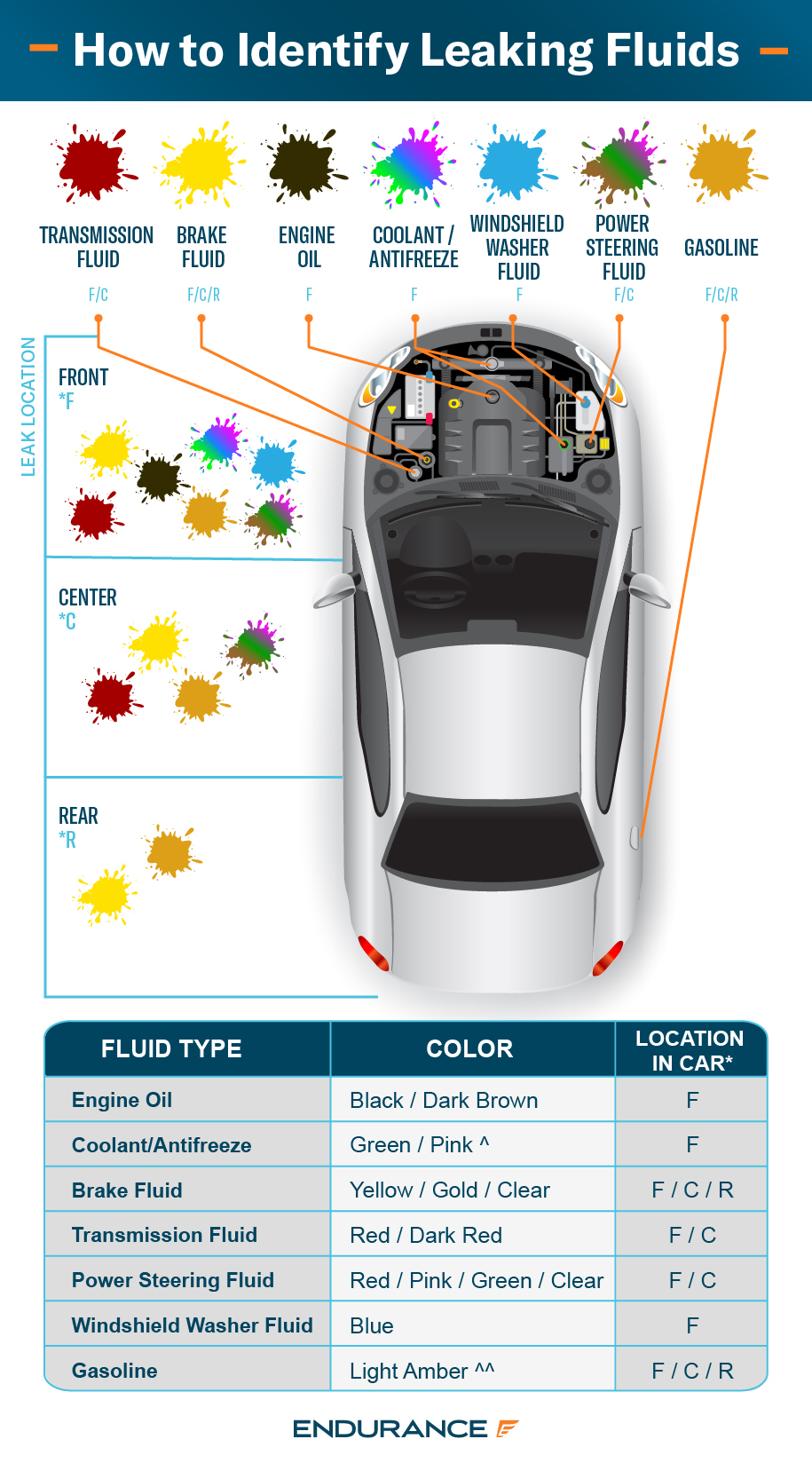
Puddles under the carare a common sign. These puddles have different colors. Each color tells a story. A red puddle could mean transmission fluid. Green often means coolant. Brown or black might be engine oil. Listen for unusual sounds. A hissing noise could mean a leak too.
Look under the car for clues. A blue or pink fluid is often windshield washer fluid. Bright yellow might be brake fluid. Use a flashlight to see better. Fluids can have a strong smell. Smell them to guess the type. Be careful. Some fluids can be toxic.
Types Of Car Fluids
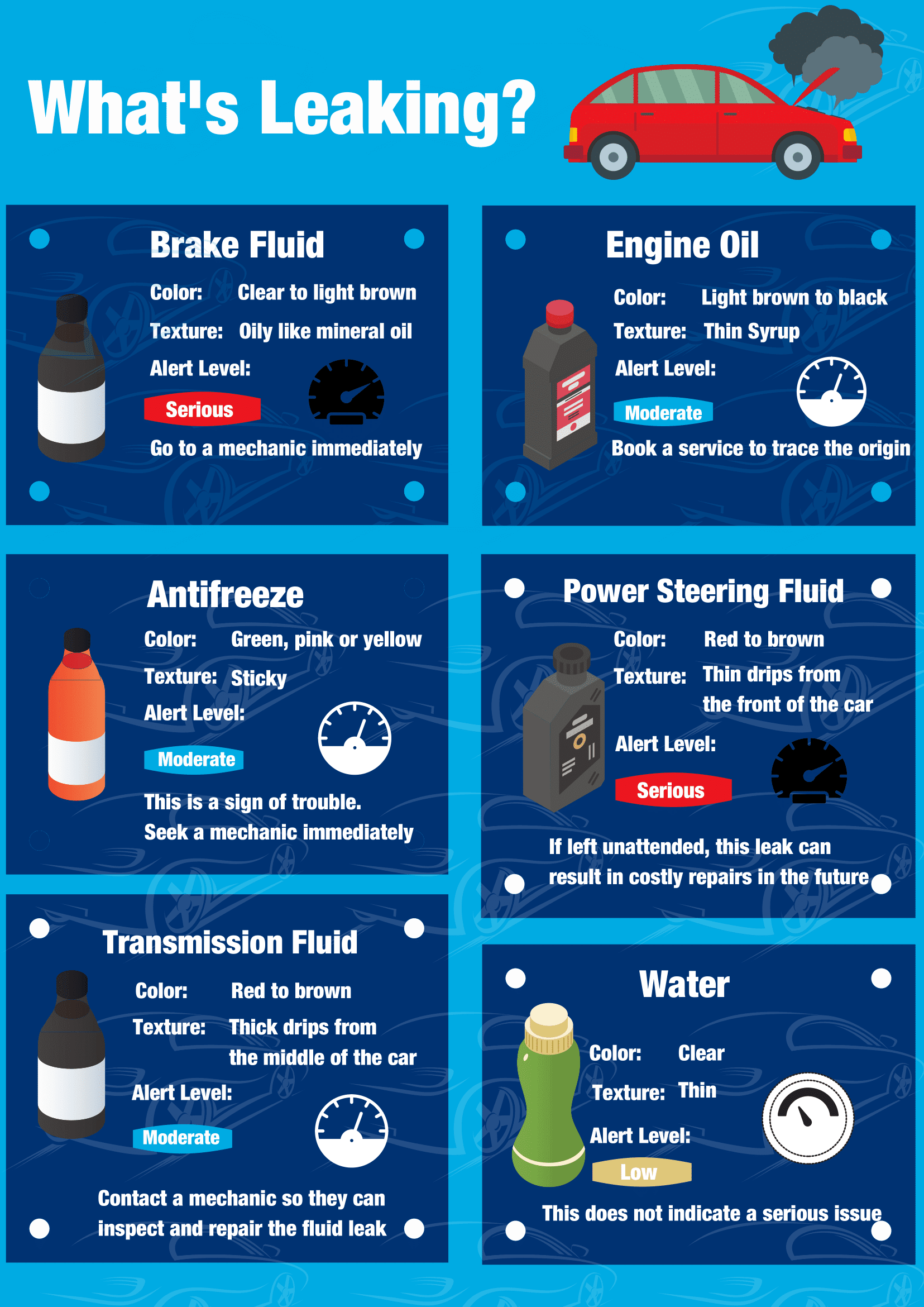
Engine oil is usually brown or black. It feels slippery. It has a strong smell. If your car leaks oil, check under the engine. Oil leaks can cause damage if not fixed.
This fluid is red or pink. It feels slick. Transmission fluid helps your car shift gears. Check for leaks near the transmission. Leaks can lead to gear problems.
Brake fluid is usually clear or yellow. It feels oily. This fluid helps your car stop safely. Leaks can cause brake failure. Check around the wheels for leaks.
Coolant is often green or orange. It feels watery and has a sweet smell. Coolant keeps the engine cool. Look near the radiator for leaks. Leaks can cause overheating.
This fluid is red or brown. It feels thin and oily. It helps you steer easily. Check for leaks near the steering pump. Leaks can make steering difficult.
Fuel is clear or yellowish. It smells strong. Fuel leaks are dangerous. Check under the fuel tank for leaks. Fix leaks to avoid fire hazards.
Color And Consistency Guide
Different car fluids have different colors. Oil is usually brown or black. Coolant is green, pink, or orange. Brake fluid is clear or yellow. Transmission fluid looks red. Each color helps you find the problem.
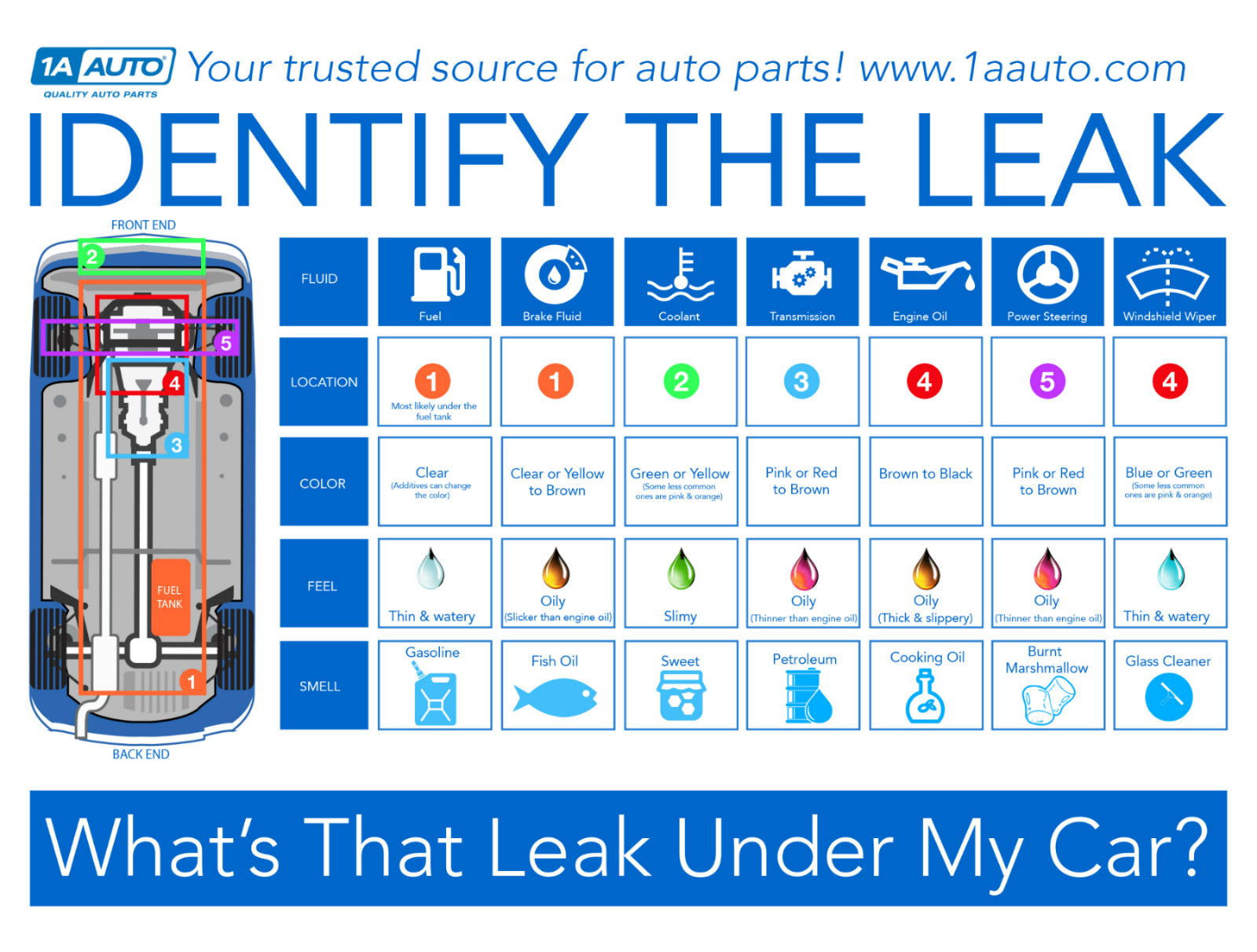
Fluids feel and smell different. Oil feels slippery. Coolant smells sweet. Brake fluid is slippery and oily. Transmission fluid smells burnt if old. Touch and smell can help you know the fluid.
Location Clues
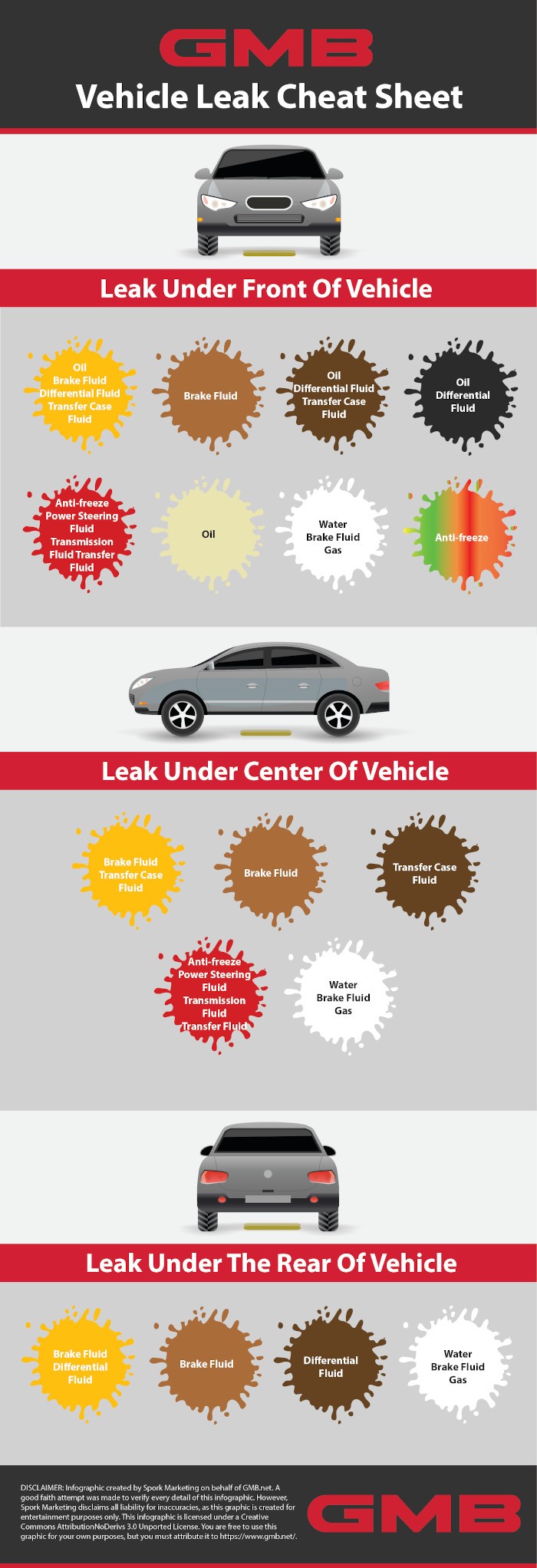
Leaks at the frontusually mean problems with the engine or radiator. Oil, coolant, or power steering fluid are common. Rear leaks often come from the brake systemor differential. The color and smell can help identify the fluid. Oil is dark and greasy. Coolant looks bright and has a sweet smell. Brake fluid is clear or yellowish. Knowing where the leak is helps in fixing it faster.
Leaks under the hood often involve engine fluids. Check for oil, coolant, or steering fluid there. Under the car, look for transmissionor brake fluid. Transmission fluid is red or brown. Brake fluid is clear or yellowish. Always use a flashlight to see better. This helps in finding the exact leak spot. Knowing this can save time and money.
Safety Precautions
Car fluids can be dangerous. Avoid touching or inhaling them. Wear gloves to protect your hands. Use goggles to keep eyes safe. Stay in a well-ventilated area. Do not smoke near leaks. Some fluids are flammable. Stay alert and cautious.
Some car fluids are toxic. Antifreeze and brake fluid are harmful. Keep them away from pets and children. Store them in safe containers. Use a funnel to avoid spills. Wash hands after handling fluids. Dispose of fluids properly. Never pour them down the drain. Ask a mechanic for help if needed.
Credit: gmb.net
DIY Inspection Techniques
Place a piece of cardboardor paperunder the car. This helps catch any dripping fluid. After a few hours, check the paper. Each fluid has a different colorand smell. Oil is usually black or brown. Transmission fluid is red. Antifreeze can be green or orange. Brake fluid is clear or brown.
Open the hood and check the fluid levels. Use the dipstickfor oil. Look at the reservoirfor coolant. Each fluid has a marked level. Low levels can indicate a leak. Make sure to check all fluids regularly. This keeps your car running smoothly.
When To Seek Professional Help
Some leaks are easy to find. Others are not. Complex leaks can confuse anyone. Different fluids can look the same. In such cases, a professional mechanic is needed. They know where to check. They have special tools. Finding the source quickly can save money. It also avoids bigger problems.
Ignoring leaks can cause serious damage. For example, oil leaks can damage the engine. Brake fluid leaks make driving unsafe. Coolant leaks can overheat the engine. Each leak has its own risks. Fixing them early is smart. It keeps the car running well. It also keeps you safe.
Credit: www.1aauto.com
Preventative Measures
Different car fluids can leak, like oil, coolant, or brake fluid. Identify leaks by observing color and texture. Oil is brown and slick, coolant is often green or orange and watery, while brake fluid is clear or yellowish and slightly oily.
Regular Maintenance Tips
Regular checks keep your car healthy. Always inspect under the hood. Look for leaks. Find the source quickly. Check oil levels often. Make sure brake fluid is full. Keep coolant topped up. Examine power steering fluid. Keep an eye on transmission fluid levels. These fluids are vital.
Inspect hoses and seals. Make sure they are tight. Loose parts cause leaks. Check under your car often. Look for puddles. A clean garage floor helps. Notice any unusual smells. Sweet smell means coolant. Burnt smell means oil. Change fluids regularly. Follow the manual’s advice.
Use proper tools for checks. A dipstick is useful. Check color of the fluids. Bright colors are good. Dark fluids might mean trouble. Early detection saves money. Prevent big repairs later. Keep your car manual handy. It gives useful information.
Frequently Asked Questions
What Are Common Car Fluid Leaks?
Common car fluid leaks include oil, coolant, brake fluid, transmission fluid, and power steering fluid. Each fluid has distinct characteristics like color and smell. Identifying the fluid type helps in determining the source of the leak. Regular maintenance can prevent leaks and ensure your car operates smoothly and safely.
How Can I Identify Oil Leaks?
Oil leaks often appear as dark brown or black spots under your car. They usually have a distinct smell and are slippery to touch. Check the engine area for oil stains. Regular oil checks and changes can prevent leaks, ensuring your engine runs efficiently and lasts longer.
What Does A Coolant Leak Look Like?
Coolant leaks usually show up as bright green, orange, or pink puddles under your car. They have a sweet smell and can be sticky. Coolant is essential for preventing engine overheating. Regular checks on hoses and the radiator can help avoid costly repairs and maintain engine health.
How To Spot Brake Fluid Leaks?
Brake fluid leaks are typically clear or yellowish and feel oily. They often appear near the wheels or under the car. Brake fluid is crucial for safe braking. If you suspect a leak, inspect the brake lines and reservoir. Timely repairs ensure your vehicle’s braking system functions optimally.
Conclusion
Identifying car fluid leaks keeps your vehicle running smoothly. Start by observing the fluid color and location. Oil leaks are dark brown or black. Coolant appears green or orange. Transmission fluid is usually red. Brake fluid might be clear or yellowish.
Power steering fluid often has a reddish-brown tint. Smell can also be a clue; sweet indicates coolant. Regular checks help avoid bigger problems. Catch leaks early to prevent costly repairs. Keep your car in top shape. Stay safe on the road.
Regular maintenance is key. Your car deserves attention. Stay informed and drive with confidence.