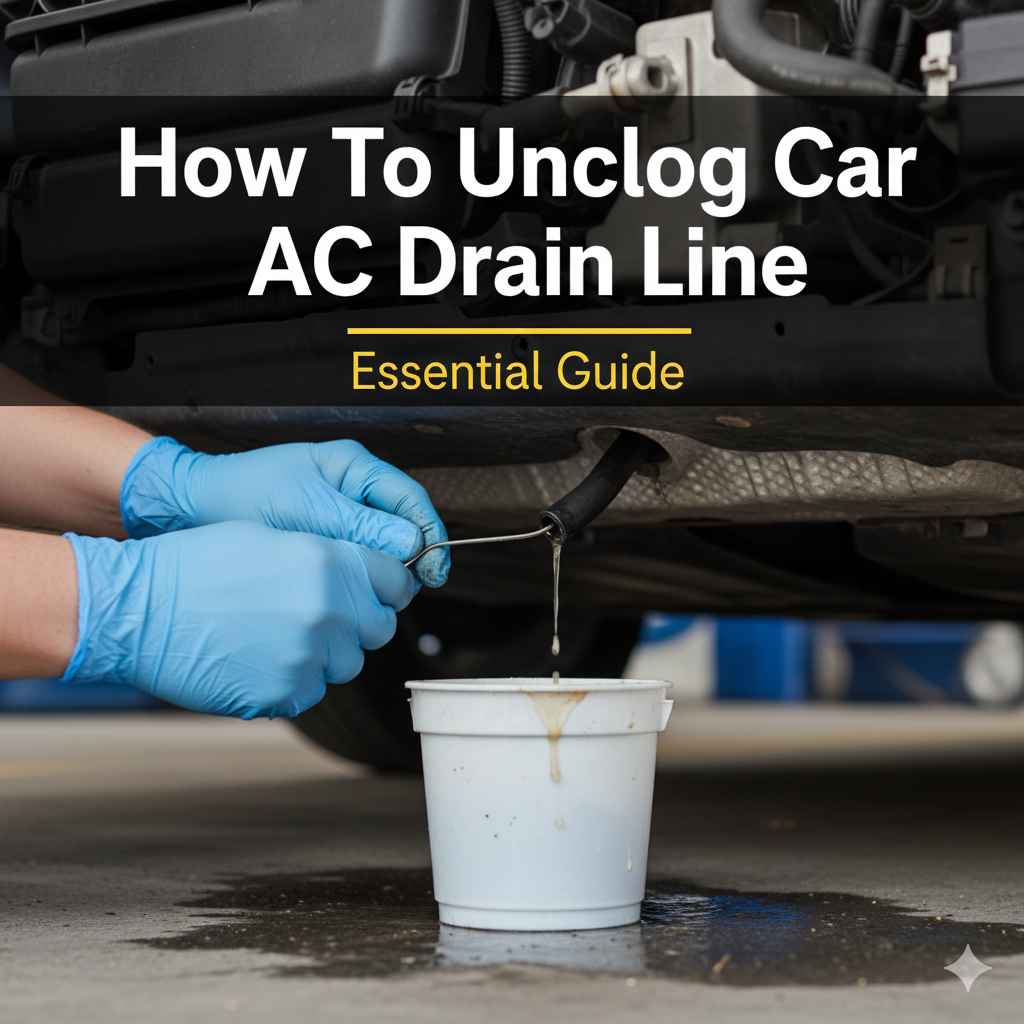
How To Unclog Car AC Drain Line: Essential Guide
To unclog your car’s AC drain line, locate the drain tube, typically under the vehicle on the passenger side, and use tools like a flexible wire, compressed air, or a shop vac to gently clear any blockages, restoring proper AC function and preventing water damage.
Experiencing a soggy passenger floorboard after running your air conditioning? That’s a classic sign of a clogged AC drain line. It’s a common issue, and while it might sound a bit daunting, clearing it is totally doable for any car owner. Ignoring it caan lead to mold, mildew, and even electrical problems, so it’s best to tackle it promptly! Don’t worry, this guide will walk you through everything you need to know, step-by-step, to get your AC draining like new again.
Why Your Car’s AC Drain Line Gets Clogged
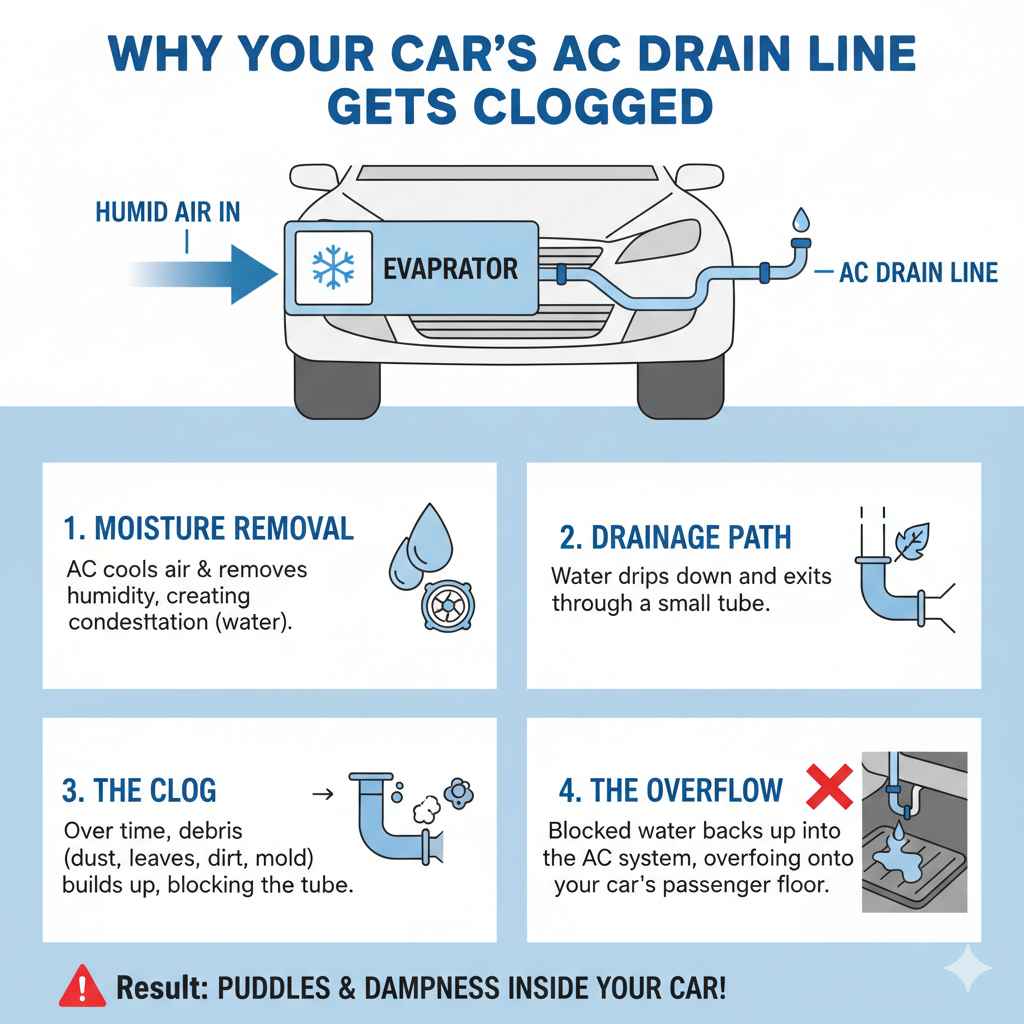
Think of your car’s air conditioning system like a mini dehumidifier. As it cools the air, it also removes moisture. This moisture, or condensation, drips down and is supposed to exit your car through a small tube called the AC drain line. Most of the time, this process is seamless. However, over time, debris like dust, leaves, dirt, and even mold can build up inside this narrow tube.
When this gunk accumulates, it creates a blockage. Water can no longer flow freely out of the vehicle. Instead, it backs up into the AC evaporator case. From there, it can overflow and drip into your car’s interior, most commonly onto the passenger side floor. This is why you’ll often see puddles or dampness beneath your dashboard when your AC is working overtime.
Understanding the Symptoms of a Clogged AC Drain Line
Catching a clogged AC drain line early can save you a lot of hassle and potential repairs. Here are the most common signs to watch out for:
- Musty or Moldy Odor: This is often the first and most noticeable symptom. Stagnant water trapped in the AC system creates the perfect breeding ground for mold and mildew, producing a distinct, unpleasant smell that gets stronger when you turn on the AC.
- Water Leaks Inside Your Car: As mentioned, the most obvious sign is finding water or dampness on the floorboard, usually on the passenger side, directly under the dashboard. You might not see a full puddle, but damp carpet is a clear indicator.
- Reduced AC Efficiency: While less common, a severely clogged drain line can sometimes affect how well your AC cools. If the evaporator coil is constantly sitting in water, it can become less efficient at cooling the air.
- Visible Water Under the Car (when not running): When your AC is working properly, you should see a small drip of water under your car, typically on the passenger side, when the AC is on. If you stop seeing this drip, and you’re experiencing other symptoms, it’s a strong sign of a blockage. Note that this drip is usually absent when the AC is off, so don’t expect to see water then.
Tools You Might Need
Gathering the right tools before you start will make the unclogging process much smoother. You likely have many of these items around your home or garage. Here’s what you might need:
- Safety Glasses: To protect your eyes from any unexpected debris or water.
- Gloves: To keep your hands clean.
- Flexible Wire or Coat Hanger: A straightened coat hanger or a similar flexible wire can be used to gently probe and dislodge blockages.
- Shop Vacuum (with hose attachment): A powerful shop vacuum can be used to suck out debris from the drain line.
- Compressed Air Can or Air Compressor: This is a great tool for blowing out blockages. If using an air compressor, be sure to use low pressure.
- Small Funnel: If you decide to flush the line with water or a mild cleaning solution.
- Mild Cleaning Solution (Optional): A little bit of diluted bleach or vinegar can help break down mold and mildew. Be sure to check your car’s manual or consult a professional about what’s safe for your specific vehicle if you’re unsure.
- Zip Ties or Tape: To secure hoses if you’re disconnecting anything.
- Flashlight: To help you see in dimly lit areas under your car.
- Owner’s Manual: Always a good idea to consult for specific information about your vehicle’s AC system.
For a comprehensive guide on car maintenance tools, resources like the AutoZone DIY and Car Maintenance section offer a wealth of information.
Locating Your Car’s AC Drain Line
The first step is to find the drain line! This is usually the trickiest part for beginners, as its location can vary slightly from car to car. However, most AC drain lines are found in a consistent spot.
General Location Tips:
- Under the Vehicle: The vast majority of AC drain lines exit the vehicle body underneath.
- Passenger Side: Look on the passenger side of your car. It’s very common for the tube to be located on this side, often near the firewall (the bulkhead between the engine and the cabin).
- Near Engine Components: You might find it close to the engine, but it will be a separate, smaller rubber or plastic tube.
- Look for Drips: On a hot day, with your AC running, observe the underside of your car. You might see a small, steady drip of water. The source of that drip is likely your AC drain line!
What to Look For:
The drain line is typically a rubber or plastic tube that’s about 1/2 to 3/4 inch in diameter. It might be black, gray, or clear. It’s usually pointing downwards, allowing gravity to do its work.
Consulting Your Owner’s Manual:
If you’re having trouble locating it, your car’s owner’s manual is your best friend.
Some manuals have diagrams or sections on the HVAC (Heating, Ventilation, and Air Conditioning) system that might pinpoint the drain line’s exit point. If not, a quick online search for “[Your Car Make and Model] AC drain line location” can often yield helpful diagrams or videos.
How to Unclog Your Car AC Drain Line: Step-by-Step
Now that you know what to look for and have your tools ready, let’s get unclogging! We’ll cover a few common methods, starting with the gentlest approach.
Method 1: Using a Flexible Wire or Coat Hanger
This is a straightforward method that usually works for minor blockages.
- Safety First: Ensure your car is parked on a level surface with the parking brake engaged.
- Locate the Drain Tube: Get under your car and find the AC drain line.
- Access the Tube: You might need to carefully manoeuvre around exhaust pipes or other undercarriage components.
- Insert the Wire: Gently insert the straightened coat hanger or flexible wire into the end of the drain tube.
- Probe Carefully: Work the wire in and out of the tube. You’re trying to break up any lodged debris. Don’t force it; you don’t want to puncture the tube or damage the evaporator case inside.
- Gently Twist and Wiggle: A little gentle twisting and wiggling can help dislodge stubborn clogs.
- Remove Debris: As you pull the wire out, it might bring some gunk with it.
- Test the Flow: Once you feel the obstruction is cleared, you can pour a small amount of water into the tube (if accessible from under the hood) or simply turn on your AC and see if water starts dripping normally from under the car.
Method 2: Using Compressed Air
Compressed air is excellent for blowing out blockages effectively.
- Locate the Drain Tube: Find the AC drain line on the underside of your car.
- Seal the Connection: You want to create a good seal between your compressed air source and the drain tube. You can use a rag, duct tape, or even a specialized adapter if you have one. The goal is to force the air directly into the tube.
-
Apply Compressed Air:
- Can of Compressed Air: If using a compressed air can, attach the straw nozzle firmly to the end of the drain tube.
- Air Compressor: If using an air compressor, set it to a low pressure (around 30-40 PSI is usually sufficient). Attach the air hose securely to the drain tube.
- Short Bursts: Apply air in short, controlled bursts. You should hear or feel air pushing through.
- Check for Blockage Clearance: After a few bursts, remove the air source. You might see debris fly out.
- Test the Flow: Run your AC and check for normal dripping under the car.
Important Note: If you can access the drain tube from under the hood (sometimes it’s connected to a port with a cap, or you can reach the evaporator case where it drains), you can attempt to blow air from that direction towards the outside. This can be more effective but requires careful identification of the correct port/tube.
Method 3: Using a Shop Vacuum
A shop vacuum can be a great tool for sucking out water and debris.
- Locate the Drain Tube: Find the AC drain line.
- Create a Seal: Similar to using compressed air, you want to create a good seal. You can wrap a rag around the end of the hose and the drain tube, or use duct tape to hold it in place.
- Turn on the Vacuum: Turn on your shop vacuum.
- Suck Out Debris: Let the vacuum run for a minute or two. You should hear it pulling air and potentially water or debris from the tube.
- Check the Collection Bin: Inspect the vacuum’s collection bin to see if any gunk has been removed.
- Test the Flow: Run your AC and check for normal drainage.
Method 4: Flushing the Line
This method is good for clearing out lingering debris after probing or blowing, and especially for tackling mold.
- Locate the Drain Tube: Find the line under the vehicle.
- Accessing from Under the Hood (if possible): In many cars, there’s a point under the hood where you can access the drain line where it enters the cabin. This might be a rubber grommet or a direct connection to the firewall. Consult your owner’s manual or a repair guide for your specific vehicle to identify this point safely.
- Pour Warm Water: Slowly pour a cup or two of warm water into the drain line opening. You can use a small funnel for this.
- Optional: Mild Cleaning Solution: For stubborn mold or mildew, you can use a weak solution of water and a small amount of bleach (e.g., 1 part bleach to 10 parts water) or white vinegar. Always check your car’s manual or consult a professional before using cleaning solutions to ensure they are safe for your vehicle’s materials.
- Allow to Drip: Let the water or solution drain out under the car. See if it flows freely.
- Flush with Plain Water: After using a cleaning solution, flush the line thoroughly with plain warm water to remove any residue.
- Test the AC: Finally, turn on your AC to confirm that water is dripping normally from the drain tube.
What If the Drain Line is Inaccessible?
In some vehicles, the AC drain line might be difficult to reach from underneath, or the clog might be located further up, closer to the evaporator case inside the cabin. If you’ve tried the methods above without success, or if you can’t physically get to the drain tube, don’t despair!
Many modern vehicles have a specific port accessible from under the hood that allows you to drain or even backflush the AC system. This might be a small rubber tube or a port coming off the HVAC housing. Check your owner’s manual or search online for “[Your Car Make and Model] AC drain port location.”
If you’re still unable to locate or access the drain line effectively, or if you suspect the clog is deep within the evaporator case, it might be time to consult a professional mechanic. They have specialized tools like inspection cameras and more powerful flushing equipment to address complex clogs.
Preventing Future AC Drain Line Clogs
An ounce of prevention is worth a pound of cure, as they say! Here are a few tips to help keep your AC drain line clear and free of clogs:
- Regular Cabin Air Filter Replacement: A clogged cabin air filter restricts airflow into your AC system. More importantly, a dirty filter can allow more debris and dust to enter the system and eventually find its way to the drain line. Replacing your cabin air filter according to your car’s maintenance schedule (typically every 12,000-15,000 miles or once a year) is crucial. This is often a simple DIY job.
- Park Away from Trees: If possible, try not to park your car directly under old, shedding trees. Leaves and debris can be easily drawn into your car’s air intake and AC system.
- Be Mindful of Area: Avoid parking your car in very dusty or muddy areas whenever possible. Small particles can contribute to the buildup over time.
- Occasional Flushing (Preventative Maintenance): Even if you don’t have symptoms, giving the drain line a flush with water (or a mild cleaning solution as described in Method 4) once a year or every other year can help prevent major clogs from forming.
- Listen to Your Car: Pay attention to unusual smells or dampness. Addressing small issues early can prevent them from becoming big problems.
When to Call a Professional
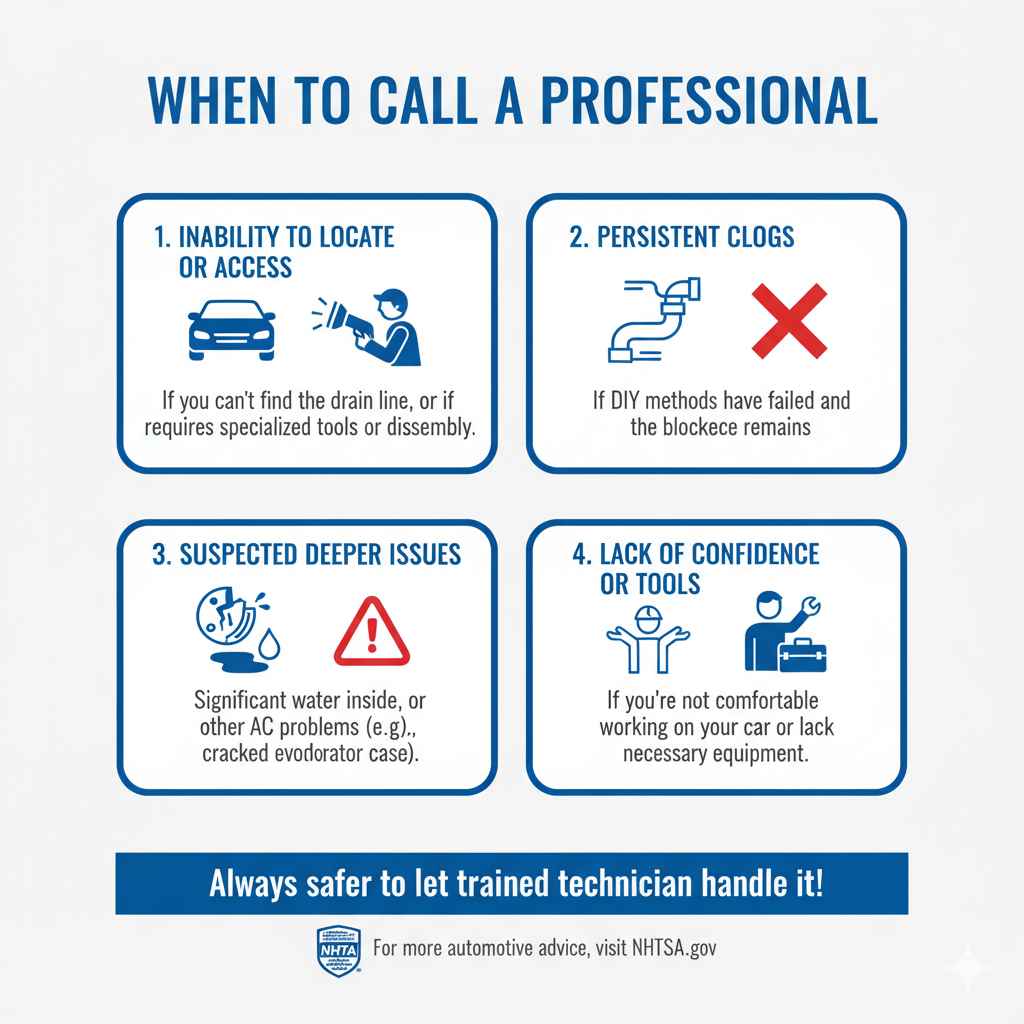
While unclogging a car AC drain line is often a manageable DIY task, there are times when it’s best to seek professional help:
- Inability to Locate or Access: If you’ve thoroughly searched and cannot find the drain line, or if it’s in a location that requires specialized tools or disassembly to reach, it’s time for an expert.
- Persistent Clogs: If you’ve tried all the DIY methods and the AC drain line remains stubbornly clogged, a professional has more advanced tools and techniques.
- Suspected Deeper Issues: If you notice significant water inside the car, or if it’s accompanied by other AC performance problems, there might be a larger issue with the system, such as a cracked evaporator case or a severe blockage within the HVAC unit itself.
- Lack of Confidence or Tools: If you’re not comfortable working under your car, or if you don’t have the necessary tools, it’s always safer and wiser to let a trained technician handle it.
For those looking for more in-depth automotive advice, resources like the National Highway Traffic Safety Administration (NHTSA) offer valuable safety and maintenance information.
Frequently Asked Questions (FAQ)
Q1: How often should I check my car’s AC drain line?
It’s a good idea to check for obvious symptoms like musty odors or dampness regularly, especially during warmer months when you use your AC more. Proactive flushing can be done yearly or bi-annually, or anytime you notice reduced AC performance or a slight dampness.
Q2: Can a clogged AC drain line cause damage to my car?
Yes, a clogged AC drain line can lead to several issues. Water backing up into the cabin can damage upholstery, carpets, and even the electronic components located under the dashboard, leading to costly repairs. Mold and mildew growth can also affect your car’s interior air quality.
Q3: Is it normal for water to drip from under my car when the AC is on?
Absolutely! This is a sign that your AC system is working correctly and draining condensation. You should typically see a steady drip of water from the AC drain line, usually on the passenger side, when your air conditioning is running.
Q4: What’s the best way to flush the AC drain line?
The most common and effective way to flush is by carefully pouring warm water (or a very mild, diluted cleaning solution like vinegar/bleach for mold, if safe for your vehicle) into the drain line opening, often accessible from under the hood. Always ensure you flush thoroughly with plain water afterward if using a cleaner.