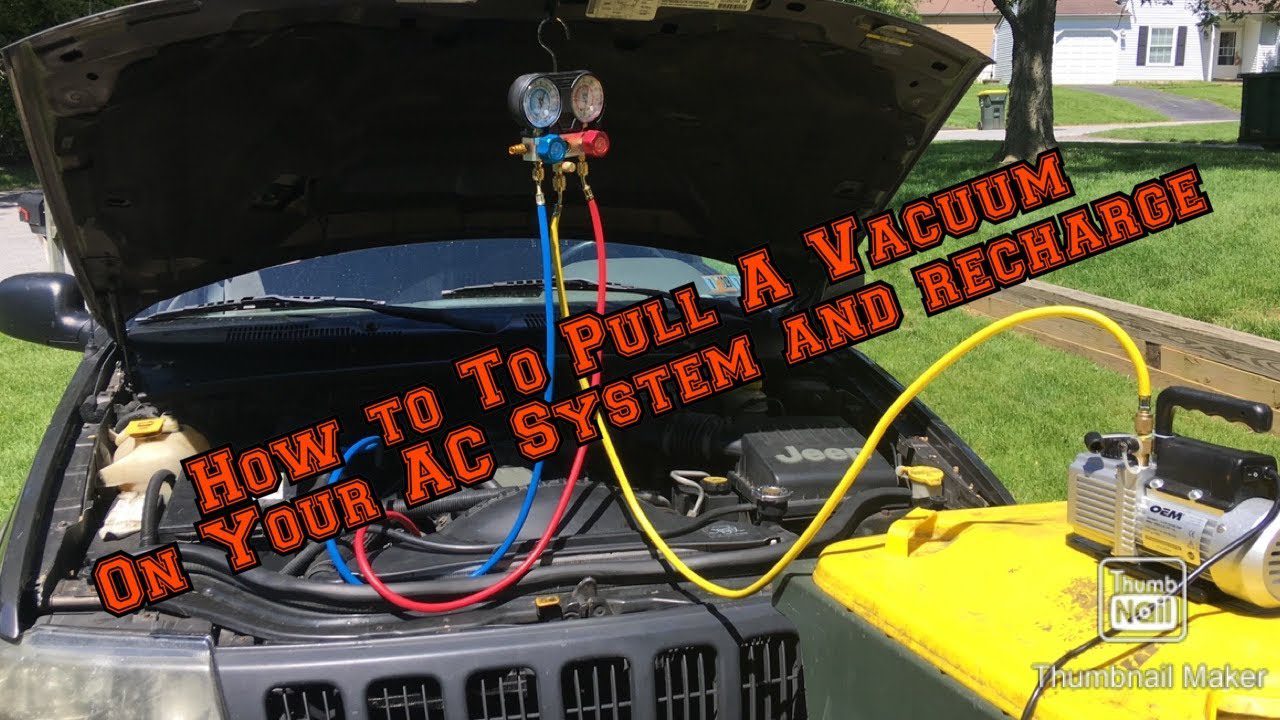
How to Vacuum AC Car: Step-by-Step Guide
Have you ever noticed your car’s air conditioning isn’t quite as refreshing as it once was? You might be dealing with a system that needs a good vacuuming.
Learning how to vacuum your car’s AC system can not only restore its efficiency but also improve your driving comfort. Imagine cruising down the highway with cool air enveloping you, free from the unpleasant odors and inefficiencies caused by a neglected AC system.
This guide will walk you through the simple steps to vacuum your car’s air conditioning, ensuring you enjoy a fresh and chilled atmosphere every time you hit the road. Dive in to discover how you can easily rejuvenate your car’s cooling system and enjoy a smoother, more pleasant driving experience.
Tools And Materials Needed
To vacuum your car’s AC, gather these tools and materials. A vacuum pump is necessary. It pulls out air and moisture. You need gauges to read pressure levels. Hoses connect the gauges and pump. Ensure you have a wrench to loosen nuts. Use safety goggles to protect your eyes. Gloves keep your hands safe. A clean cloth wipes surfaces. Instructions guide you through the process. Manuals help understand your car’s system. Make sure everything is ready before you start. Double-check the list to avoid missing items.
Safety Precautions
Always wear safety goggles when cleaning the car AC. They protect your eyes from dust. Gloves keep your hands clean and safe. Make sure the car is parked on a flat surface. This prevents it from moving. Turn off the engine before starting. It stops any accidents.
Use a mask to cover your nose and mouth. This stops you from breathing in dust. Check the vacuum cleaner’s cord for any damage. A damaged cord can be dangerous. Ensure the area is well-lit. Good lighting helps you see better.
Keep children and pets away while you work. They might get hurt or distract you. Store all tools in a safe place after use. This keeps the area tidy and secure. Always follow these steps for a safe cleaning.
Locate The Ac Service Ports
Finding the AC service ports is important for your car. These ports are usually found under the hood. The ports are on the AC lines. Look for two ports. One is small, and the other is big. The small port is the low-pressure port. The big one is the high-pressure port. Each port has a cap. The caps may have an “H” or an “L.” H is for high, L is for low. This helps you know which port is which.
Make sure the engine is off. This keeps you safe. Be careful when you remove the caps. Some air might come out. This is normal. The caps protect the ports. Always put the caps back when done. This keeps the ports clean.
Connect The Vacuum Pump
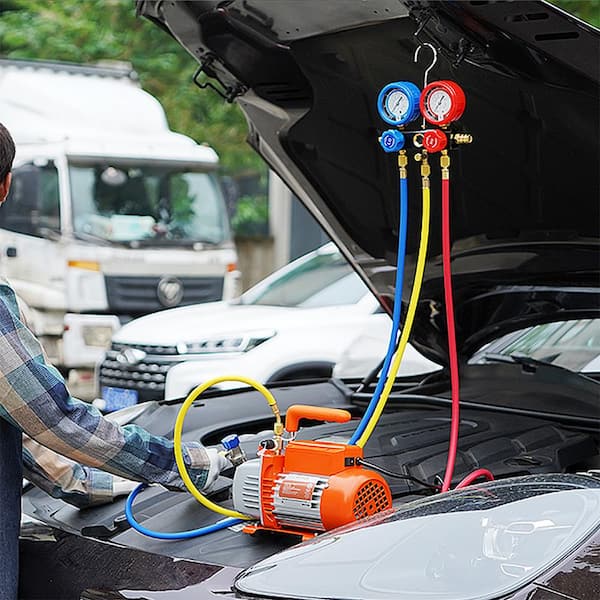
First, make sure the car is off. Find the AC service ports. These are usually under the hood. Check the high and low pressure sides. The low pressure sideis where you connect the vacuum pump. Use a proper connector. It should fit tightly. No air should leak. This is important. Air leaks can cause problems.
Now, attach the vacuum pump. Make sure it’s secure. Turn on the pump. Let it run for about 30 minutes. This removes all air and moisture. The system should be dry. A dry system cools the car better. Watch the gauges carefully. They tell you the pressure. If pressure is low, you did it right.
Start The Vacuum Process
First, park your car in a shady spot. This keeps the car cool. Open all car doors wide. This gives you more space to work. Find the vacuum hose. Attach it to the vacuum cleaner. Check if it fits well. If it fits, you are ready.
Now, switch on the vacuum cleaner. Start from the front seat. Move to the back seat. Vacuum the floor carefully. Do not miss any spot. Use different vacuum attachments. They help reach tight areas. Seats and mats need extra attention. Dirt hides there.
Look under the seats too. Dirt and crumbs gather there. Finish by vacuuming the dashboard and doors. These areas often get dusty. Once done, turn off the vacuum cleaner. You have completed the process.

Credit: www.youtube.com
Monitor Pressure Levels
Keeping an eye on the pressure levels is crucial. Pressure tells you how your AC is doing. Use a gauge to check it. The gauge has numbers. Numbers show if the pressure is right. Low pressure can mean a problem. High pressure is also bad. Both can harm the AC. Check pressure often. Make it a habit. It keeps the AC healthy. You will need to connect the gauge correctly. Follow the manual for this. Ask an adult if you need help. Safety first. Always be careful when checking pressure. Wear gloves to protect your hands.
Close Service Ports
Service ports must be closed to keep the air clean. These ports link the vacuum pump to the car’s AC system. Always close them tightly after connecting. Loose ports can cause leaks. Leaks make the vacuum process less effective.
Use a wrench to secure the ports. This tool helps in tightening. Check the ports once more after closing. Make sure there are no gaps. Gaps can lead to problems later.
Closing service ports is a simple step. But it is very important. It helps the AC work better. Your car stays cooler and fresh.
Test The AC System
First, make sure the AC system is turned off. Then, locate the low-pressure port. This is often on the larger line. Attach the gauge to this port. Check the pressure reading. It should be in the normal range. If it’s too high or low, there might be a problem. Listen for unusual sounds from the AC. Strange noises can mean issues. Feel the air from the vents. Is it cool enough? If not, the system might need help.
Next, inspect the AC hoses and connections. Look for leaks or damage. Damaged parts can cause trouble. Check the AC compressor. It should be clean and free of rust. A dirty compressor can affect performance.
Troubleshooting Tips
Start by checking the vacuum pump. It should be in good shape. Listen for strange noises. They might mean problems. Ensure all connections are tight. Loose parts can cause issues. Check the hoses for any leaks or cracks. Replace them if necessary. Look at the gauges to ensure they read correctly. They tell you the system’s pressure. Low pressure can cause poor cooling. Make sure the valves open and close well. Stuck valves can cause trouble. Always check for blockages in the system. These can make the AC work harder. Regular checks help keep the AC running smoothly.
Credit: www.homedepot.com
Maintenance Advice
Regular cleaning of the AC in your car is important. It helps keep the air fresh. Dirt and dust can block the AC vents. This can make the air less cool. Always check the AC filters. They should be clean and free from dust. If needed, replace the filter. This will keep the air clean. Use a vacuum to clean the vents and filters. This removes dust easily.
Always park your car in the shade. This keeps the AC system from working too hard. A clean AC system runs better and lasts longer. Remember, a clean AC keeps your car comfortable.
Frequently Asked Questions
How Often Should I Vacuum My Car’s AC?
It’s recommended to vacuum your car’s AC system every 12 to 18 months. Regular maintenance ensures optimal performance and prevents unpleasant odors. If you notice reduced airflow or unusual smells, consider vacuuming sooner. Always refer to your car’s manual for specific guidance.
Can I Vacuum Car AC Myself?
Yes, you can vacuum your car’s AC system yourself with the right tools. Ensure you have a vacuum pump and necessary adapters. Always follow safety precautions, or consult a professional if unsure. DIY vacuuming can save costs, but professional help ensures thorough cleaning.
What Tools Do I Need To Vacuum Car AC?
You’ll need a vacuum pump, manifold gauge set, and necessary adapters. These tools help remove moisture and contaminants effectively. Ensure your tools are compatible with your car model. Proper equipment ensures efficient vacuuming and optimal AC performance.
Why Is Vacuuming Car AC Important?
Vacuuming your car’s AC system removes moisture and contaminants. This process prevents mold growth and maintains cooling efficiency. Regular vacuuming extends the lifespan of your AC components. It ensures your car’s interior stays comfortable and odor-free.
Conclusion
Vacuuming your car’s AC keeps it fresh and efficient. Regular cleaning prevents dirt buildup. This improves airflow and prolongs system life. It’s simple to do with the right tools. Follow steps to ensure a thorough clean. Don’t forget the filters; they’re key to performance.
Schedule this task often for best results. A clean AC means cooler rides and happier journeys. Enjoy the comfort of a well-maintained car interior. Keep your AC in top shape with routine care. It’s worth the effort for long-term benefits.
Happy driving!