How to Wash a Car Cover Properly for a Sparkling Car
Washing your car cover might seem simple, but it’s a common task that can be a little tricky if you’ve never done it before! Many people worry about damaging their covers or not getting them clean enough. Don’t sweat it – How to Wash a Car Cover Properly is easier than you think. We’ll explore the whole process step-by-step, making sure you can keep your car cover fresh and your car protected. Next up, we’ll start with what you’ll need.
Gathering Your Supplies for Car Cover Cleaning
Before you begin, it’s good to prepare. Gathering the right tools and materials will make washing your car cover a breeze. This means you won’t have to stop mid-process to search for something, and it helps ensure the job is done correctly the first time. Having the right stuff also helps protect your car cover from damage. Let’s look at what you will need for a successful car cover wash.
Necessary Items for Car Cover Washing
You’ll need a few essential items to ensure you can wash your car cover correctly. These items are designed to be gentle enough not to damage your cover while effectively removing dirt and grime. Using the right things helps you clean your cover in the best way possible. Make sure you have these items ready before you get started.
-
- Mild Detergent: A gentle detergent is very important. Harsh detergents can strip the protective coatings from your car cover or even damage the material. Look for detergents specifically formulated for washing delicate fabrics or items like car covers. These are often pH-neutral and free from bleach or strong chemicals.
Mild detergents are designed to clean without causing harm. They are less likely to fade colors or cause the material to break down over time. When selecting a detergent, check the label to ensure it’s safe for the type of cover you have.
-
- Large Basin or Tub: You’ll need a large basin or tub to soak your car cover. It should be big enough to fully submerge the cover so it can get a good clean. A large plastic tub or even your bathtub can work. Make sure the container is clean before you use it to avoid adding any unwanted dirt or residue to your cover.
The tub size depends on the cover’s size. A small cover for a compact car might fit in a large kitchen sink. For a cover for an SUV, you might need to use your bathtub. Make sure the cover is fully submerged for thorough cleaning.
-
- Soft Brush or Sponge: A soft brush or sponge is perfect for gently scrubbing the cover. Avoid anything too abrasive, as this can damage the fabric. Choose a brush with soft bristles, or a non-abrasive sponge.
The soft brush is used to remove dirt and grime without harming the material. This ensures that the cover doesn’t get damaged during the cleaning process. It’s an easy way to get rid of dirt without causing harm.
-
- Clean Water: You’ll need access to clean, cold or lukewarm water. Hot water can sometimes cause certain materials to shrink or fade. Cold or lukewarm water is better to prevent damage and help maintain the cover’s shape.
Use clean water to ensure all the dirt and detergent are removed from the cover. Having clean water will help your cover get a fresh, clean result. This also helps in the rinsing process.
-
- Hose or Spray Nozzle (Optional): If you want, a hose or spray nozzle can speed up the rinsing process. If you choose this method, make sure the water pressure isn’t too high, so you don’t damage the cover. This is helpful for rinsing off the detergent.
Having a hose or spray nozzle makes rinsing easier, but it’s not absolutely necessary. If you use one, control the water pressure to make sure it is gentle. This helps make the rinsing process faster and easier.
Step-by-Step Guide on How to Wash a Car Cover Properly
Now that you have your supplies, it’s time to get started with the washing process. Follow these steps to correctly clean your car cover. It’s a straightforward method that helps to protect your cover and keep it clean and ready to use. Following these steps ensures your cover remains in great shape for a long time.
Preparation for Washing
Before you get your car cover wet, some preparation steps can make the washing process easier and more effective. Getting everything ready prevents potential issues. Taking these steps makes sure the washing and drying go smoothly.
-
- Inspect the Car Cover: Before you wash, inspect your cover for any damage. Check for tears, rips, or any areas that might need repair. This helps you identify any potential problems before they get worse during washing. Addressing these issues beforehand prevents them from worsening during the cleaning process.
It’s important to look for any existing damage. This helps prevent further damage during washing. If you see anything, consider repairing it or checking the manufacturer’s recommendations. Look at all parts of the cover.
-
- Shake Off Loose Debris: Remove loose dirt, leaves, and other debris by shaking the cover. This helps remove surface dirt before you start washing. This makes the cleaning process more efficient.
Shaking off loose debris makes the washing process more effective. This step removes dirt and any other material. It’s a quick and simple step that boosts the cleaning.
-
- Prepare the Wash Basin: Fill your basin or tub with clean, cold or lukewarm water. Add a small amount of mild detergent, following the product instructions for the correct amount. Mix the detergent into the water to create a soapy solution.
Preparing the wash basin with detergent is very important. This ensures your cover gets a good clean. Proper mixing makes the detergent work effectively. Make sure to follow all the manufacturer’s directions.
-
- Check the Label: Always check the care label on your car cover. The label will provide specific instructions for washing. Manufacturers provide the best methods. Make sure the detergent is okay to use.
Reading the label is crucial. Following the instructions ensures the best results. The manufacturer will provide the best method. Doing this prevents any issues with the cover during washing.
The Washing Process
Now that you’ve prepared, it’s time to start washing the car cover. This involves several key steps designed to remove dirt without harming the material. Washing is important for keeping your car cover clean and in good shape. Carefully follow the steps to ensure a good clean.
-
- Submerge and Soak: Place the car cover into the prepared wash basin or tub. Make sure the cover is fully submerged in the soapy water. Let it soak for about 15-30 minutes. This helps loosen dirt and grime.
Soaking is important. It helps lift dirt and grime off the car cover’s surface. It makes the cleaning process more effective. This is very important for a thorough clean.
-
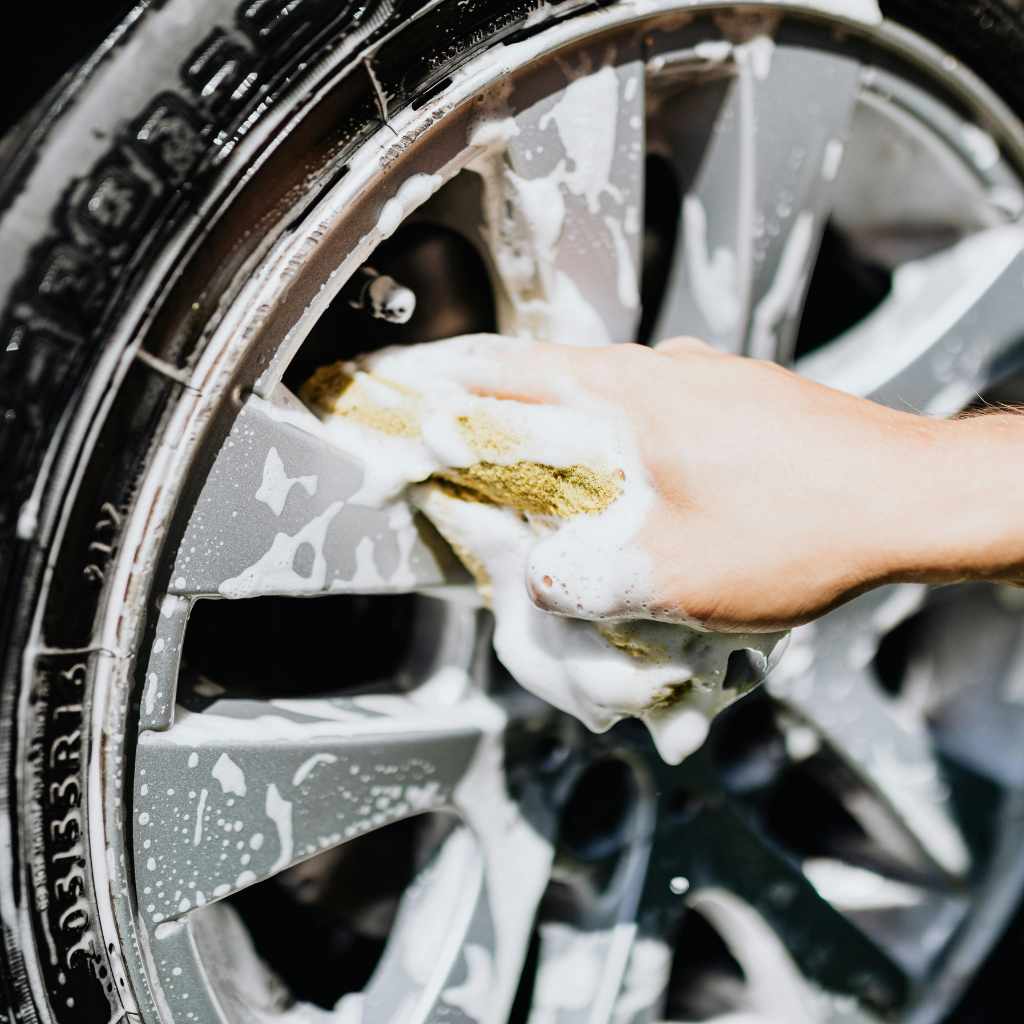
- Gently Scrub the Cover: After soaking, gently scrub the cover with a soft brush or sponge. Focus on areas with heavier dirt or stains. Use a light touch to avoid damaging the fabric. Be gentle and patient.
Scrubbing the car cover is important. It helps remove dirt. Use a light touch and gentle movements to prevent damage. This helps make the car cover cleaner. This is a very important part of the cleaning process.
-
- Rinse Thoroughly: Drain the soapy water and refill the basin with clean water. Rinse the cover until all detergent is removed. You can also use a hose with a gentle spray nozzle for faster rinsing. Make sure you remove all soap.
Rinsing the car cover is very important. It removes any detergent residue. Make sure to rinse until all soap is gone. This is key to preventing buildup. This step ensures a clean car cover.
-
- Check for Cleanliness: After rinsing, inspect the cover to ensure it is clean. If any stains remain, you can repeat the scrubbing and rinsing steps. Make sure everything is clean before drying the cover.
Checking the car cover for cleanliness is important. This helps make sure you’ve cleaned everything. If you see any stains, you can repeat the process. Inspect the cover until it is clean.
Drying and Storage
Once your car cover is clean, the last steps involve drying and storage. Proper drying and storage are very important to prevent mold, mildew, and other damage. These steps ensure your cover stays in good condition and is ready for the next use. Getting the drying and storage right is very important.
-
- Air Drying: Air drying is the best method to dry your car cover. Hang the cover in a shaded area away from direct sunlight. Direct sunlight can damage the fabric and cause fading.
Air drying is recommended. It helps prevent damage to the material. A shaded area is best. This avoids sunlight and helps preserve the cover.
-
- Avoid Machine Drying: Do not use a machine dryer. The heat can damage the fabric. Tumble drying can cause shrinking or damage. It’s much better to air dry.
Machine drying can damage the car cover. The heat and tumbling can affect the material. Air drying is much better to preserve the cover. This is very important for the cover’s protection.
-
- Ensure Complete Dryness: Make sure the cover is completely dry before storing it. Any moisture can lead to mold or mildew growth. Always make sure the cover is fully dried before putting it away.
Make sure the car cover is fully dry before storing it. Even a little moisture can cause damage. Always check the cover to prevent problems. This prevents mold and mildew.
-
- Proper Storage: Store the car cover in a clean, dry place. Avoid storing it in damp areas, like a garage that is prone to moisture. Use a storage bag or container to protect the cover from dust and dirt.
Proper storage is important to prevent damage. A clean, dry place is best. This protects the cover. It is key to keeping the cover in great shape. Doing this helps protect your car cover.
Different Car Cover Materials and Their Care
Car covers come in many materials, each with unique properties and care requirements. The type of material affects how you wash the cover. Knowing the material helps in keeping your car cover in good shape. Knowing these details helps you choose the best cleaning methods and products. Paying attention to these materials and their characteristics is very important.
Common Car Cover Materials
Understanding the common materials used in car covers helps you select the right cleaning methods. Different materials have different properties that will impact how you care for the cover. Always review the product label or the manufacturer’s care instructions for the best results. Knowing about these materials is very important.
-
- Polyester: Polyester is a popular choice for car covers due to its durability and water resistance. It’s generally easy to clean and can withstand regular washing. However, it can be prone to static cling.
Polyester is a common material. It is easy to wash and durable. It’s also very resistant to water. For washing polyester, use a mild detergent. Air drying is recommended.
-
- Polypropylene: Polypropylene is a lightweight material that offers good protection against dirt and UV rays. It is also water-resistant and easy to handle. It is often a more budget-friendly option.
Polypropylene is lightweight. It’s a good choice for protecting against the sun. Washing this material is similar to washing polyester. Air drying is very helpful to prevent issues.
-
- Fleece-Lined Covers: These covers have a soft fleece lining to protect the car’s paint from scratches. They require more gentle washing to prevent damage to the lining. The material is very soft.
Fleece-lined covers need gentle cleaning. Using a gentle detergent is a must to protect the lining. Hand washing is the best option to protect the material. Air drying is essential.
-
- Breathable Fabrics: Covers made from breathable fabrics, such as those with multiple layers, help prevent moisture buildup. The covers often include a water-resistant layer. These materials need care to maintain their properties.
Breathable fabrics help prevent moisture. Washing these materials requires special attention. Always check the manufacturer’s cleaning instructions. Proper cleaning ensures the cover’s effectiveness.
Specific Care for Different Materials
The care required varies based on the car cover material. Each material has different needs to maintain its protective qualities and extend its life. This knowledge is important to keeping your car cover in good condition. Following this advice ensures the best results.
-
- Polyester: Wash polyester car covers with a mild detergent and cold or lukewarm water. Avoid using bleach, which can damage the fabric. Air dry the cover in a shaded area.
Polyester is fairly simple to clean. Use mild detergent and cold water. Avoid harsh chemicals. Air drying is recommended. This helps prevent damage and makes your car cover last longer.
-
- Polypropylene: Polypropylene car covers can be washed similarly to polyester. Use a mild detergent and cold water. Avoid high heat during drying. Make sure the cover is fully dried before storage.
Polypropylene is very easy to care for. Avoid high heat to maintain the cover’s structure. Make sure you don’t use harsh chemicals when cleaning it. Air drying is very important for the cover.
-
- Fleece-Lined Covers: For fleece-lined covers, hand washing is often the best approach to prevent damage to the soft lining. Use a gentle detergent and avoid scrubbing too vigorously. Air drying is essential to protect the delicate lining.
Fleece-lined covers need extra care. Hand washing is best. Use a gentle detergent. Air dry the cover in a shaded area. Proper cleaning protects the fleece lining and keeps your car safe.
-
- Breathable Fabrics: Always follow the manufacturer’s instructions for breathable fabrics. Some may require a specific detergent or washing method to maintain their breathability and water resistance. Air dry only, and avoid machine drying.
Breathable fabrics require extra care. Read all the instructions before washing. Certain detergents or methods are recommended. Careful cleaning protects their special properties. Air drying is best.
Common Mistakes to Avoid When Washing Car Covers
When washing a car cover, some common mistakes can damage the cover or reduce its effectiveness. Knowing what to avoid will help you protect your car cover. Avoiding these issues ensures your car cover remains clean and in great shape. This ensures the car cover lasts.
Frequent Errors in Car Cover Washing
Making mistakes can damage a car cover and shorten its lifespan. Knowing these common errors allows you to avoid them. This helps maintain the quality and effectiveness of your car cover. Being aware of these errors is very important.
-
- Using Harsh Detergents: Using strong detergents with bleach or harsh chemicals. This can strip the protective coatings, fade the color, and damage the fabric. Always use a mild detergent.
Harsh detergents can cause a lot of damage. They can fade colors and harm the material. Always use a gentle detergent. Read the labels to choose the right detergent. Harsh detergents should always be avoided.
-
- Washing in Hot Water: Washing the car cover in hot water. This can cause the material to shrink or fade. Always use cold or lukewarm water to prevent any damage. Cold water helps maintain the cover.
Hot water can cause a lot of problems. It can shrink and fade the cover’s color. Always use cold water to keep the cover in good shape. This is an important detail for maintaining the cover’s look.
-
- Machine Drying the Cover: Machine drying car covers. The heat can damage the fabric, causing shrinking or distortion. Always air dry the cover to protect its shape and integrity.
Machine drying can be very damaging to the fabric. Air drying is the best method to dry the cover. Heat can cause shrinking. Always air dry to keep the cover in good shape. This is very important for proper care.
-
- Storing a Wet Cover: Storing a wet or damp car cover. This can lead to mold and mildew growth. Always make sure the cover is completely dry before storing it. Proper drying is crucial.
Storing the car cover when it’s wet is very bad. This can cause mold and mildew. Always make sure the cover is completely dry. This will prevent any damage to the cover. Proper drying is a must.
Tips to Prevent Common Issues
Preventing these mistakes involves paying close attention to the washing and drying processes. Here are some tips to make sure that the cover stays in good condition and continues to protect your car. Implementing these tips helps you maintain your cover’s effectiveness. Following these tips ensures that your car cover lasts.
-
- Read the Care Label: Always read the care label on your car cover before washing. The label provides specific instructions for the fabric. Following these instructions will protect the cover.
Always check the care label first. The manufacturer provides the best advice. This is your first step for keeping the cover safe. Following the instructions prevents issues.
-
- Test Detergent: Test your detergent on a small, hidden area of the cover before washing the entire thing. This prevents any reactions. This is a very easy step that protects the cover.
Test the detergent on a hidden area of the cover first. This step helps prevent issues. This makes sure the detergent doesn’t damage the cover. It’s a very good step for extra protection.
-
- Avoid Harsh Chemicals: Do not use bleach, strong solvents, or other harsh chemicals. These can damage the fabric. Avoid them to extend the life of your car cover. Harsh chemicals should be avoided.
Harsh chemicals can easily cause damage. Using mild detergents will prevent any issues. Following this rule keeps your car cover in good condition. The goal is to always protect the material.
-
- Check Storage Conditions: Choose a clean, dry, and well-ventilated area for storage. This prevents moisture buildup and mold. Proper storage is crucial for the cover.
Storing the cover correctly is very important. Storing it properly prevents any issues. Choose a dry area to prevent mold. Correct storage helps the cover stay in good condition.

Frequently Asked Questions
Question: How often should I wash my car cover?
Answer: It depends on the environment and how often you use your cover. Generally, washing it every 3-6 months is a good starting point. If your car cover is frequently exposed to heavy pollution, tree sap, or bird droppings, you might need to wash it more often.
Question: Can I use a washing machine to clean my car cover?
Answer: It is generally not recommended to wash most car covers in a washing machine, especially those with multiple layers or specialized coatings. The agitation and potential for high temperatures can damage the material. Hand washing is typically the safest method.
Question: What if my car cover has stubborn stains?
Answer: For stubborn stains, try pre-treating them with a mild stain remover specifically designed for fabrics. Let the stain remover sit for a short time before gently scrubbing the area with a soft brush or sponge. Rinse thoroughly after treating.
Question: How can I prevent mold and mildew on my car cover?
Answer: Make sure the car cover is completely dry before storing it. Store the cover in a clean, dry, and well-ventilated area. Consider using a storage bag made from a breathable material to further protect against moisture.
Question: Is it safe to use a pressure washer on my car cover?
Answer: It is generally not recommended to use a pressure washer. The high water pressure can damage the fabric or remove protective coatings. If you must use a pressure washer, use a low-pressure setting and keep a safe distance from the cover.
Final Thoughts
Now that you know How to Wash a Car Cover Properly, you can keep your car protected and looking its best. Remember to gather your supplies, inspect your cover, and follow the steps for washing, rinsing, and drying. Pay attention to the material of your car cover, and choose the correct cleaning products. Avoid common mistakes like using harsh detergents or machine drying. Now you have a simple plan! By following these tips, you’ll be able to preserve your car cover, keep your car clean, and extend the life of your cover. With a little care, your car cover can last for years.