What Are Hybrid Tires for Cars? Low Rolling Resistance Explained
Hybrid tires for cars are often described as low rolling resistance tires tuned to reduce energy loss compared with standard all-season tires, while aiming to maintain acceptable grip and low noise. Pick the wrong tire and you can lose mpg, cut electric range, and weaken wet braking. This guide explains the efficiency, noise, safety, and fitment tradeoffs, then matches them to different hybrid driver needs.
What are hybrid tires?
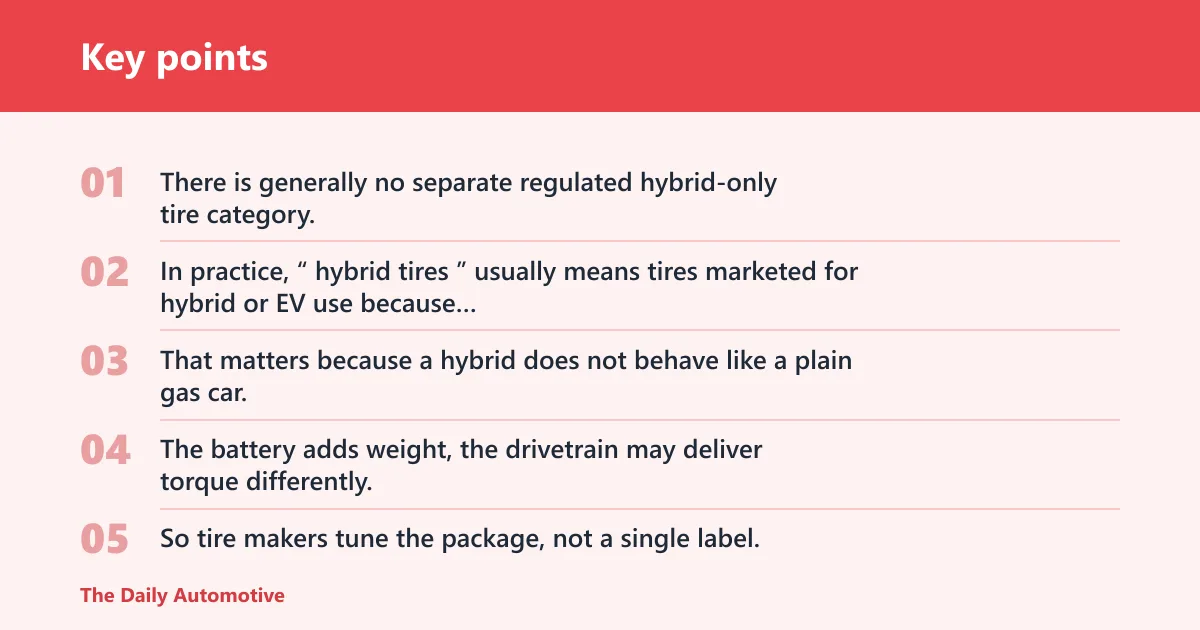
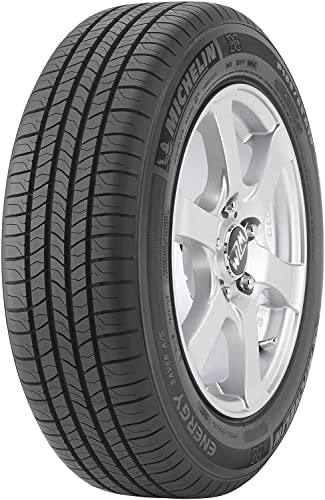

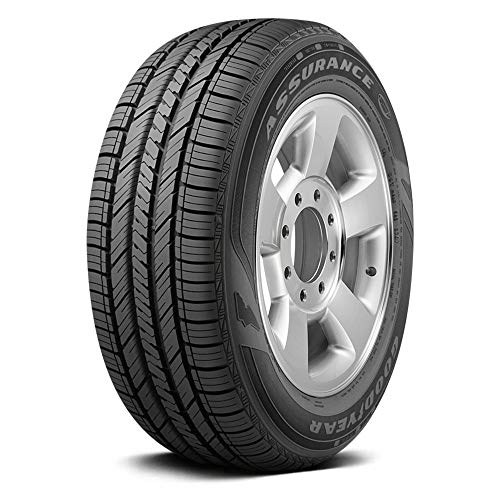
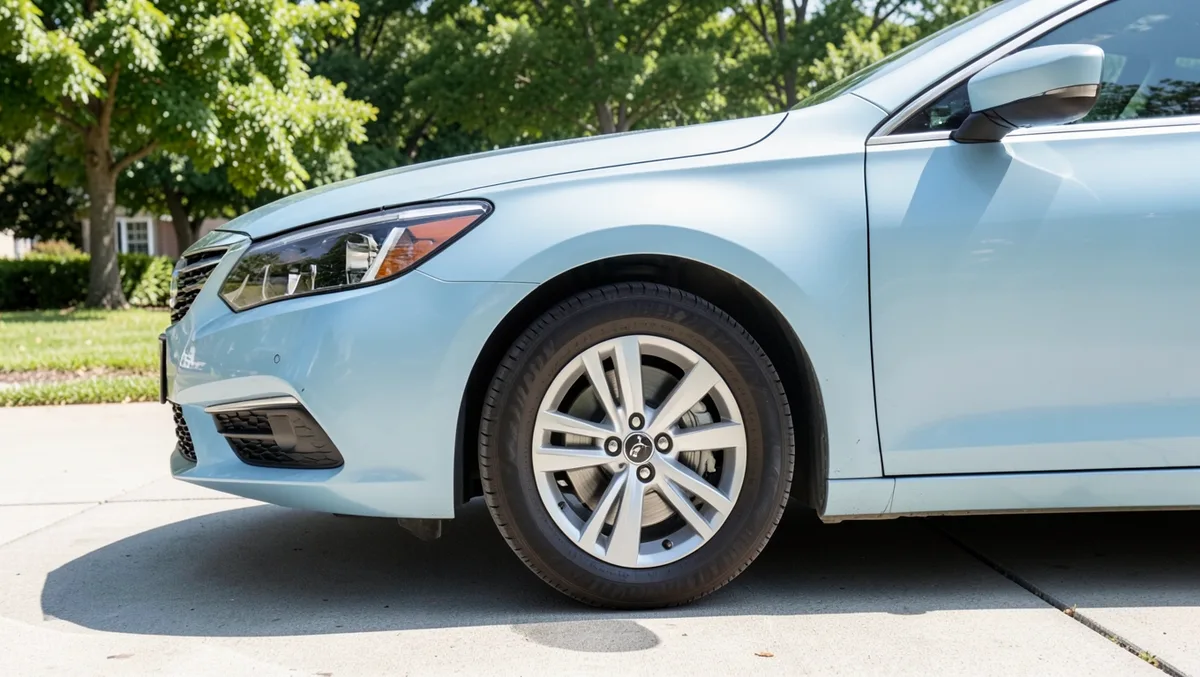
There is generally no separate regulated hybrid-only tire category. In practice, “hybrid tires” usually means tires marketed for hybrid or EV use because they are built around low rolling resistance, lower cabin noise, and a load capacity that suits heavier electrified drivetrains.
That matters because a hybrid does not behave like a plain gas car. The battery adds weight, the drivetrain may deliver torque differently, and the car often runs quietly enough that tire noise becomes easier to hear. So tire makers tune the package, not a single label.
Hybrids also spend time in stop-and-go traffic and on short trips, where tire drag and cold running conditions can affect efficiency more than many owners expect. That is why many “hybrid-friendly” products overlap with EV-focused tires rather than forming a category of their own.
Why hybrids often get efficiency-focused tires
Low rolling resistance tyres are also known as LRR. Their job is to reduce the energy lost as a tire rolls. Less loss means less fuel consumption for combustion-powered cars and more battery range for electric vehicles.
That efficiency focus is helpful on hybrids because every small gain can matter across frequent starts, stops, and regen cycles. It is not a free gain, though. A tire that is pushed too far toward efficiency can give up wet grip, wet braking, or tread life.
Low rolling resistance explained
Rolling resistance is the energy lost when a tire flexes as it turns. The tire deforms where it meets the road, and that deformation turns some motion into heat instead of forward movement. Lowering that loss can improve fuel economy and EV range.
Manufacturers change rolling resistance through tire construction, tread pattern, width, inflation pressure, and rubber compounds. Narrower tread, optimized casing stiffness, and compounds with lower internal loss can all help. Underinflation works the other way and raises resistance.
A 30% increase in rolling resistance generates between 3 and 5% fuel overconsumption. Underinflation of 0.3 bar increases rolling resistance by 6%, and underinflation of 1 bar increases rolling resistance by 30%. That is why tire pressure is part of the efficiency story, not a side note.
Picture a plug-in hybrid that makes short school runs in town and then does a weekend highway trip. If the tires are soft, the owner may lose efficiency in both cases, but the city driving will expose the penalty faster because the car is starting and stopping so often.
Do low rolling resistance tires matter?
They matter when the car covers enough distance, or the owner cares enough about range and fuel use, for the savings to add up. They matter less when annual mileage is low, the vehicle is already efficient, or the driving pattern is short and mixed enough that other factors dominate.
Low rolling resistance tires are worth paying for when the vehicle spends a lot of time on steady commuting, high-mileage freeway driving, or range-sensitive electric use. They are less compelling if the price premium is high and the car sees limited miles each year.
Michelin says low rolling resistance can save around 0.21 litres of fuel per 100 kilometres, and it estimates about €80 over the tire’s life. Michelin also says its e.PRIMACY tyre is most efficient in its category for rolling resistance, delivers great wet braking performance, and only 1% of tyres combine its stated rolling resistance and wet braking levels.
Those figures show the basic tradeoff. Efficiency can be real, but the size of the payoff depends on how much you drive and what you pay for the tire. A small annual mileage can stretch the payback far longer than many buyers expect.
When the benefit is small
Low rolling resistance is less likely to pay off quickly if the hybrid sees mostly short errands, the commute is short, or the owner replaces tires before wearing them out. In those cases, a tire with stronger wet grip, better treadwear, or lower noise may be the better buy.
A common first-timer mistake is choosing the lowest-efficiency tire on paper and then discovering that the car feels noisier or less secure in rain. The right choice on a hybrid is usually a balance between efficiency, grip, noise, and wear, not a chase for the smallest resistance number alone.
What should you check before buying?
Start with fitment. Check the OE size, load index, and speed rating in the owner’s manual or the door-jamb placard. A tire that looks right but misses the load index can be the wrong choice for a heavier hybrid, especially one with a large battery pack.
The load index indicates load-carrying capacity. That matters because hybrid batteries add weight, and some plug-in hybrids are noticeably heavier than their nonhybrid versions. The tire must match the vehicle’s required size and specification, not just the diameter.
- Match the OE size unless the vehicle manual allows a different approved size.
- Confirm the load index meets or exceeds the car’s requirement.
- Match the speed rating to the vehicle specification.
- Check whether the tire is marketed for low rolling resistance, EV, or efficiency use.
- Compare wet grip and noise ratings before paying extra for efficiency alone.
Reinforced sidewalls or stronger construction can help manage extra weight and torque. Continental says EV tires must manage heavier loads and high instant torque, and that greater mass and increased inertia mean longer braking distance. Those same forces matter on many hybrids, especially plug-in models.
Stronger construction can also affect wear and handling. That is useful if the car carries passengers often or sees rougher pavement, but it can change ride feel. Again, the best tire is the one that fits the car’s job, not the one with the simplest marketing claim.
Which hybrid tire spec should matter most?
The right priority changes with the driver profile. A city commuter may care most about efficiency and stop-start response. A freeway driver may want tread life and a stable, quiet ride. A wet-climate driver should put braking and grip first, even if that means giving up some rolling-resistance savings.
| Driving profile | Priority | What to check on the sidewall/label | When low rolling resistance is worth paying for |
|---|---|---|---|
| City commuter | Efficiency and low noise | OE size, load index, EU rolling resistance grade, exterior noise rating | Worth it if the car does frequent stop-start trips and the price gap is modest |
| High-mileage freeway driver | Treadwear and stable ride | Load index, speed rating, treadwear warranty if listed, noise rating | Worth it if the car runs many motorway miles and the tire keeps good tread life |
| Wet-climate driver | Wet braking and grip | Wet grip grade, tread pattern, speed rating, OE size | Only if the label still shows strong wet grip; do not trade away rain safety for efficiency |
| Value-focused owner | Cost per mile | Price, load index, treadwear, rolling resistance grade, warranty details | Worth it only when the fuel or range gain can realistically offset the premium over time |
| Plug-in hybrid owner | Range and load capacity | Load index, rolling resistance grade, noise rating, reinforced construction if listed | Worth it when electric miles matter and the tire still meets wet-braking needs |
How do wet grip and noise fit in?
Low rolling resistance can reduce wet grip and wet braking if the compound or tread pattern is optimized too far toward efficiency. That is the main safety tradeoff. If you drive in rain, standing water, or cooler weather, the wet-rating side of the tire choice deserves real weight.
Noise is a separate issue. Hybrid and EV cabins are quiet enough that tire roar becomes easier to notice, so noise-dampening foam or acoustic layers can matter more than they do on a louder gas car. But those features are not on every tire, and they do not automatically improve efficiency.
Suppose two tires both fit a plug-in hybrid’s 235/45R18 size. One has a slightly better efficiency score, while the other has better wet grip and an acoustic layer. In a rainy region, the second tire may be the better real-world pick, even if the first looks better on one label column.
Why quieter cabins change tire priorities
On a conventional car, a little extra tread noise can disappear behind engine sound. On a hybrid, especially at low speeds or in electric-only operation, that same noise stands out. Noise-dampening foam can help, but it is most useful when cabin quiet matters enough to justify the extra cost.
How to read tire labels
The EU tire label shows rolling resistance, wet grip, and exterior noise. After the 2021 update, rolling resistance and wet grip are rated on an A-to-E scale. That makes the label useful for comparison, but not enough to make the full decision by itself.
Look at the grades together. A tire with an excellent rolling-resistance score but mediocre wet grip may be the wrong choice for a rainy commute. A tire with stronger wet braking and only average efficiency can be smarter for safety-critical driving.
Do not overvalue one column. Rolling resistance matters for fuel use and range, but the label exists to show the balance among efficiency, wet grip, and noise. That balance is the point.
How to read rolling resistance on a tire label
Find the rolling-resistance grade first, then compare it with wet grip and noise. If the tire has an A or B efficiency grade but a weak wet-grip grade, ask whether the expected fuel saving is worth the compromise. On a hybrid, that answer often depends on climate and annual mileage.
Frequently asked questions
What are hybrid tires for cars?
Hybrid tires are usually low rolling resistance tires tuned for efficiency, acceptable wet grip, low noise, and the load demands of hybrid and plug-in hybrid vehicles. There is no separate regulated hybrid-only tire class, so the label may instead mention EV-friendly, efficiency-focused, or low rolling resistance traits.
Do hybrid cars need special tires?
No. Most hybrids can use regular tires if the size, load index, and speed rating match the vehicle’s requirements. What matters is choosing a tire that fits the hybrid’s weight, quiet cabin, and driving pattern. Many owners simply end up preferring efficiency-oriented tires because they suit the car better.
Are low rolling resistance tires worth it on a hybrid?
They are worth it when the hybrid logs enough miles, or uses enough electric range, for the efficiency gain to matter. They are less compelling if the tire premium is large or the car sees limited annual mileage. The payoff is highly dependent on driving pattern, weather, and price.
Do hybrid tires wear out faster than regular tires?
Not always. Wear depends on compound, construction, vehicle weight, alignment, and driving style. Some low rolling resistance tires can trade treadwear for efficiency, which can affect cost per mile. That is why tread life should be checked along with rolling resistance and wet grip before buying.
Are hybrid tires louder or quieter than regular tires?
They can be quieter, especially if they include noise-dampening foam or acoustic layers. That matters more in a hybrid because the cabin is often quieter than in a conventional car. But not every hybrid-oriented tire has acoustic treatment, and some efficiency-focused designs still make noticeable road noise.
How do low rolling resistance tires affect wet grip?
They can reduce wet grip and wet braking if the design is pushed too hard toward efficiency. That is the main safety tradeoff. In rainy or cold climates, a tire with slightly less efficiency but better wet performance can be the safer choice, especially on heavier hybrids and plug-in models.
How do I read rolling resistance on a tire label?
On the EU label, check the rolling-resistance grade first, then compare wet grip and noise. After the May 1, 2021 update, the grades run from A to E. Do not choose on rolling resistance alone; use it as one part of the decision alongside fitment and safety ratings.
Products related to this article
Sponsored / affiliate links. As an Amazon Associate I earn from qualifying purchases. I may earn additional commission from eligible campaigns.