What Does Hybrid Car Mean? Mild, Full & Plug-In Explained
A hybrid car combines a gasoline engine with one or more electric motors and a battery pack, so the car can use electricity, gasoline, or both together to move. That combination typically cuts fuel use by 25-40% compared with a gas-only version of the same model, without requiring you to plug in (unless you choose a plug-in hybrid specifically).
“Hybrid” is not one single system — it is a category that covers everything from a mild-hybrid pickup truck that never drives on electricity alone to a plug-in hybrid SUV that can run 30-plus miles on a charge before its engine even turns on. Knowing which type of hybrid a car actually has changes what you should expect from it at the dealership: the fuel savings, the maintenance, the price, and whether you need a charger at home.
This guide breaks down exactly what makes a car a hybrid, how the three main hybrid systems differ (mild, full, and plug-in), what you actually gain and give up by choosing one, and where the federal tax credit for hybrids stands right now.
What Does “Hybrid Car” Actually Mean?
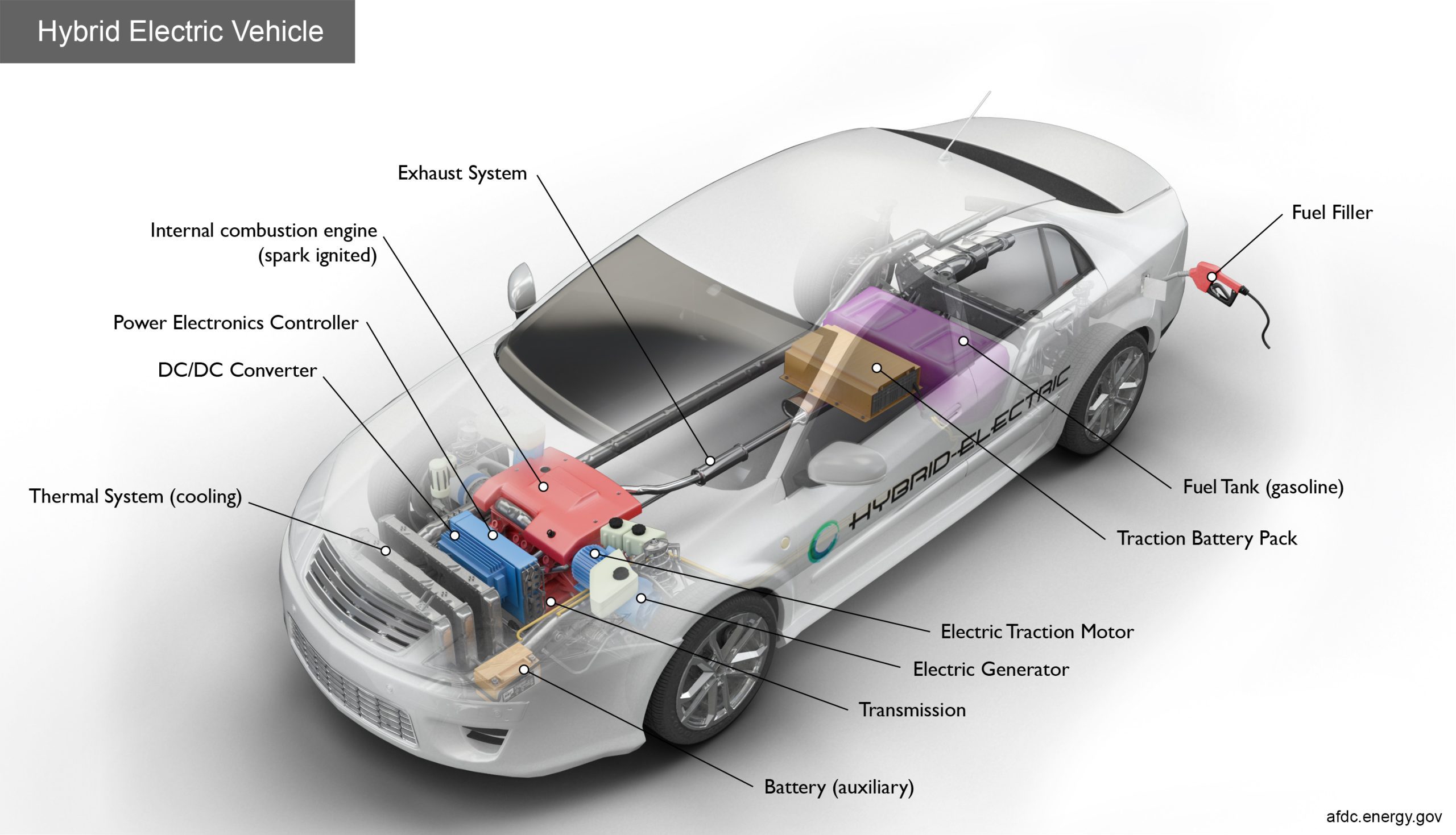
A hybrid car pairs a traditional internal combustion engine with an electric motor and a battery pack. Depending on the design, the two power sources can work together, hand off to each other automatically, or the electric motor can drive the wheels entirely on its own for short stretches. The point of the setup is to let the electric motor handle the situations where a gas engine is least efficient — stop-and-go traffic, gentle acceleration, coasting — while the engine takes over for sustained highway speed or when the battery runs low.
The Toyota Prius, released in Japan in 1997 and in the U.S. in 2000, was the first mass-produced hybrid and is still the reference point most people picture. But hybrid technology is far older than that: Ferdinand Porsche built a gas-electric hybrid, the Lohner-Porsche Mixte, in 1901. It took another century of battery and electronics development before hybrids became practical enough to sell at scale.
Owned a Hybrid? Track Its Battery Health
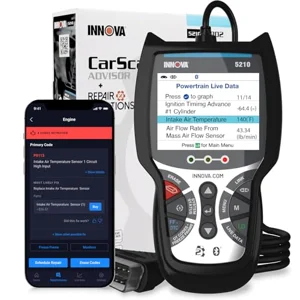 |
Innova 5210 OBD2 Scanner & Battery Tester – $89.99 Since a hybrid’s traction battery and 12V auxiliary battery are both critical to how the system runs (as covered below), a scanner that reads live data and tests battery condition lets you catch a fading battery before it strands you.
|
How a Hybrid Powertrain Works
Every hybrid relies on the same core idea: a battery stores electricity, an electric motor uses that electricity to help (or fully) turn the wheels, and the system recovers energy it would otherwise waste. The main piece that makes this possible is regenerative braking. Instead of converting your car’s momentum entirely into heat at the brake pads, the electric motor reverses its role during braking and acts as a generator, feeding electricity back into the battery. That recovered energy is what keeps a hybrid’s battery charged without you ever plugging it in.
The gasoline engine still does most of the heavy lifting on the highway, since batteries can’t store enough energy to sustain high speed for long. But at low speeds — parking lots, stop-and-go streets, the first few seconds pulling away from a light — many hybrids can run on electric power alone, with the engine staying off entirely. A small computer decides, moment to moment, which power source (or combination) is most efficient for what you’re doing right now.
The 3 Types of Hybrid Cars, Explained
Manufacturers use the word “hybrid” for three genuinely different systems. Mixing them up is the most common source of confusion when shopping.
Mild Hybrid (MHEV)
A mild hybrid uses a small electric motor — usually a belt-driven or integrated starter-generator — to assist the gas engine, smooth out engine start-stop, and add a brief torque boost during acceleration. Critically, a mild hybrid cannot drive on electric power alone; the motor only ever supports the engine, never replaces it. This is the cheapest hybrid system to add, which is why it shows up in everything from compact sedans to full-size pickup trucks (Ram’s eTorque system and many current Ford and GM trucks use mild-hybrid setups). Fuel savings are modest, typically in the 5-15% range.
Full Hybrid (HEV)
A full hybrid (also called a “regular” or “self-charging” hybrid) is what most people mean when they just say “hybrid.” It has a larger battery and a more powerful motor than a mild hybrid, and it can drive on electric power alone for short distances — usually a mile or two at low speed — before the engine kicks back in. It never needs to be plugged in; the battery recharges entirely through regenerative braking and the engine itself. The Toyota Prius, RAV4 Hybrid, and Honda Accord Hybrid are full hybrids, and this category typically delivers the biggest fuel-economy jump over a comparable gas model, often 30-40% better mileage.
Plug-In Hybrid (PHEV)
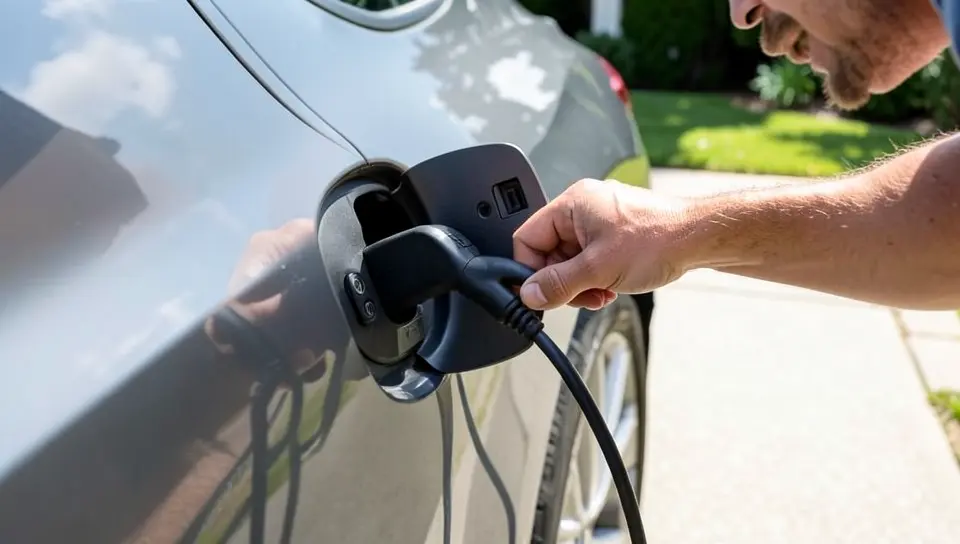
A plug-in hybrid has a much larger battery than a full hybrid — large enough that you charge it from a wall outlet or home charger like an EV. Most current PHEVs can drive 25-45 miles on electricity alone before the gas engine engages, which is enough to cover an average daily commute without burning any fuel at all. Once the battery is depleted, a PHEV behaves like a regular full hybrid for the rest of the trip. This is the most expensive hybrid category to buy but the cheapest to run day-to-day if you can charge at home — models like the Toyota RAV4 Prime, Jeep Wrangler 4xe, and Ford Escape PHEV fall into this group.
| Hybrid Type | Can Drive on Electric Alone? | Needs to Be Plugged In? | Typical Fuel Savings |
|---|---|---|---|
| Mild Hybrid (MHEV) | No — assist only | No | 5-15% |
| Full Hybrid (HEV) | Yes, ~1-2 miles | No | 30-40% |
| Plug-In Hybrid (PHEV) | Yes, 25-45 miles | Optional (needed for full benefit) | Up to 60%+ if charged regularly |
You may also hear the terms series hybrid and parallel hybrid — these describe how the engine and motor are physically connected, not how much electric-only range the car has. In a series hybrid (like the Nissan e-Power system, not currently sold in the U.S., or the BMW i3 with the range extender), the gas engine never touches the wheels directly — it only spins a generator that feeds the battery and motor, and the electric motor alone drives the car. In a parallel hybrid, both the engine and motor can each turn the wheels, either separately or together. Most full and plug-in hybrids sold in the U.S. today actually use a “power-split” design (pioneered by Toyota’s Hybrid Synergy Drive) that blends both approaches rather than being purely one or the other.
Benefits of Owning a Hybrid
- Lower fuel costs. A full hybrid typically returns 40-55 mpg combined versus 25-32 mpg for a comparable gas-only model — at $3.30/gallon and 12,000 miles a year, that gap alone saves roughly $500-$900 annually.
- Fewer emissions. Burning less gasoline per mile directly cuts CO2 and other tailpipe pollutants, which is why hybrids remain popular in cities with low-emission zones or stricter air-quality rules.
- Smoother, quieter driving. Electric motors deliver instant torque, so hybrids often feel more responsive from a stop than their gas-only counterparts, and they run silently on electric power at low speed.
- Lower brake wear. Regenerative braking does much of the slowing-down work, so hybrid brake pads and rotors commonly last well beyond 60,000-80,000 miles — often close to double a typical gas car’s brake life.
- Strong resale value. Hybrids, especially Toyota and Honda models, have historically held their value better than average thanks to steady demand and a reputation for engine/battery reliability.
Downsides and Real Costs to Know About
Hybrids typically cost $2,000-$5,000 more upfront than an equivalent gas-only trim, and that premium doesn’t always pay for itself quickly if you drive mostly highway miles, where a hybrid’s fuel-economy advantage shrinks. Buyers who do a lot of stop-and-go city driving recoup the difference fastest, since that’s exactly where hybrid systems save the most fuel.
The other major cost concern is the traction battery. Most manufacturers back the hybrid battery with an 8-year/100,000-mile warranty (10 years/150,000 miles in California and states that follow its emissions rules), and real-world data shows the majority of hybrid batteries now outlast that warranty — well-maintained Prius and Camry Hybrid batteries commonly run 150,000-200,000+ miles. But an out-of-warranty replacement is still a real expense, typically $1,500-$4,000 depending on the model, so it’s worth checking a used hybrid’s remaining battery warranty before you buy. Repairs also require a technician trained on high-voltage systems, so not every independent shop can service a hybrid — dealerships and hybrid specialists are usually the safer bet for anything beyond routine maintenance.
Hybrid vs. Gas-Only Cars: The Key Differences
| Hybrid | Gas-Only | |
|---|---|---|
| Fuel economy | Higher, especially in city driving | Lower, especially in stop-and-go traffic |
| Purchase price | Typically $2,000-$5,000 higher | Lower base price |
| Maintenance | Fewer brake jobs; needs hybrid-trained techs for major repairs | Wider network of shops can service it |
| Driving feel | Instant torque off the line, quiet at low speed | Consistent power delivery, more engine noise |
| Charging required | No (except plug-in hybrids) | No |
Do Hybrids Still Qualify for a Tax Credit in 2026?
No — not at the federal level. The federal Clean Vehicle Credit (up to $7,500 for eligible electric and plug-in hybrid vehicles) expired on September 30, 2025, after the One Big Beautiful Bill Act moved up its original 2032 sunset date. If you buy a hybrid, plug-in hybrid, or EV in 2026, you cannot claim a federal purchase credit — and this applies to traditional (non-plug-in) hybrids as well, which never qualified for the credit even before it expired. The one exception is buyers who signed a binding purchase contract and made a payment before September 30, 2025; they can still claim the credit when the vehicle is placed in service.
State-level incentives are a different story: more than a dozen states still offer their own rebates or tax credits, worth up to several thousand dollars in some cases, for plug-in hybrids and EVs. Since these programs change frequently and vary widely by state, check your state energy office or DMV website for what’s currently available before you buy.

Tips for Getting the Most Out of a Hybrid
- Drive smoothly. Gentle acceleration and early braking let the electric motor do more of the work and trigger more regenerative charging.
- Use EV or Eco mode where available to prioritize the electric motor at low speeds.
- Keep tires properly inflated. Under-inflated tires increase rolling resistance and can cut into a hybrid’s efficiency advantage more than on a gas-only car.
- Charge a PHEV every chance you get. The fuel savings on a plug-in hybrid come almost entirely from actually plugging it in — skip that and it behaves like a heavier, less efficient full hybrid.
- Follow the maintenance schedule. Hybrid-specific fluids, the 12V auxiliary battery, and coolant for the electronics all still need routine attention even though the engine itself sees less wear.
Frequently Asked Questions
How Does a Hybrid Car Work?
A hybrid car pairs a gasoline engine with an electric motor and battery pack. The electric motor assists or, in full and plug-in hybrids, fully powers the car at low speeds, while the engine handles higher speeds and sustained driving. The battery recharges through regenerative braking (and, on plug-in hybrids, through an external charger) rather than ever needing to be swapped out.
What Are the Disadvantages of a Hybrid Car?
The main downsides are a higher purchase price (typically $2,000-$5,000 more than a gas-only equivalent), a costly out-of-warranty battery replacement ($1,500-$4,000), and a smaller pool of repair shops qualified to work on high-voltage hybrid systems. Highway-heavy drivers also see a smaller fuel-economy benefit than city drivers do.
Do Hybrid Cars Need to Be Charged?
Mild and full hybrids never need to be plugged in — their batteries recharge entirely through regenerative braking and the engine. Only plug-in hybrids (PHEVs) need charging, and even then only to unlock their electric-only driving range; a PHEV with a dead battery will still drive normally as a regular hybrid.
Do Hybrid Cars Still Use Gas?
Yes. Every hybrid, including plug-in hybrids, has a gasoline engine and a fuel tank. The electric motor reduces how much gas you burn, sometimes to zero for short trips in a full or plug-in hybrid, but none of these vehicles are gas-free the way a fully electric car is.
What Is the Difference Between a Hybrid and a Plug-In Hybrid?
A regular (full) hybrid has a small battery that only charges itself while driving and can run on electricity alone for a mile or two. A plug-in hybrid has a much larger battery that you charge from an outlet, giving it 25-45 miles of electric-only range before it starts using gas. Plug-in hybrids cost more but can eliminate gas use entirely on short daily trips.
Can You Still Get a Tax Credit for a Hybrid in 2026?
Not federally. The federal Clean Vehicle Credit expired September 30, 2025. Traditional hybrids never qualified for it even before then; plug-in hybrids and EVs did, but no longer do for new purchases. Some states still offer their own incentives for plug-in hybrids, so check your state’s current program before buying.
Conclusion
“Hybrid car” means a vehicle that combines a gasoline engine with an electric motor and battery — but which of the three types you’re looking at (mild, full, or plug-in) determines almost everything else: how much fuel you’ll actually save, whether you need to plug it in, and how much more you’ll pay upfront. A full hybrid is the easiest entry point if you want better mileage with zero change to how you fuel up. A plug-in hybrid makes sense if you have a place to charge and mostly short commutes. Either way, hybrids remain one of the lowest-risk ways to cut fuel costs without giving up the flexibility of a gas engine for longer trips.
Products related to this article
Sponsored / affiliate links. As an Amazon Associate I earn from qualifying purchases. I may earn additional commission from eligible campaigns.