If I Wreck Someone Else’S Car Whose Insurance Pays?: Find Out
If you wreck someone else’s car, who pays for the damage? This is a common question for many drivers.
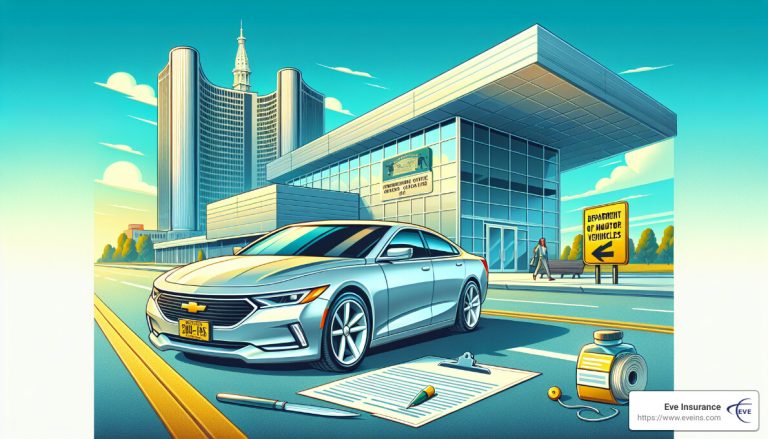
The answer depends on several factors, including insurance policies and fault. Accidents can be stressful, especially when driving a borrowed car. Understanding who is responsible for the damage can help ease some of that stress. Typically, the car owner’s insurance is the primary coverage.
But, your insurance might also come into play, depending on the situation. Knowing the details of both policies is crucial. This way, you are prepared and informed if an accident happens. Let’s dive deeper into how insurance works in these scenarios and what you need to know to protect yourself and the car owner.
)
Credit: insurify.com
Types Of Car Insurance
Liability coverage is a must-have. It pays for damage you cause. This includes damage to other cars. It also covers injuries to people. Your insurance pays if you are at fault. This coverage does not fix your car. It only helps others you harm. Remember, it is the law in many places. You need this type of insurance.
Collision coverage repairs your car. It pays for damage from crashes. This includes hitting a tree or another car. Even if you caused the crash, it helps. It is not required by law. But it can save you money. Especially if you have a new car. You may still need to pay a deductible. This is the amount you pay before insurance helps.
When You Are At Fault
Your insurance usually covers the damage. It pays for repairs. It also covers medical bills. Your insurance policy should have liability coverage. This is key. It protects you.
The owner’s insurance may also pay. This depends on the policy. Some policies have coverage for others driving their car. The owner’s insurance might cover the costs. This can include repairs and medical bills.
When The Other Driver Is At Fault
Other Driver’s Insurance will cover the damages if they are at fault. Their liability coverage pays for repairs. It also covers medical bills if needed. This applies to both cars involved in the accident.
Your Insurance will not need to pay if the other driver is at fault. But, you might need to file a claim with your insurer. This is to cover damages until the other driver’s insurance pays. Your insurer will get reimbursed by the other driver’s insurer later.

Credit: www.erieinsurance.com
Rental Cars And Insurance
Rental car companies often offer insurance. Their coverage usually includes damage and theft. This coverage protects you if you damage the rental car. It can also cover liability. That means it helps pay for injuries or damage to others. But, it can be expensive. Sometimes, it has high deductibles. Always read the policy details before buying.
Your own auto insurance might cover rental cars. Check your policy to be sure. Many policies include rental car coverage. This can save you money. If you have full coverage, it usually applies to rentals. This includes collision and comprehensive coverage. Your liability coverage also applies. It’s important to know what your insurance covers. Always ask your agent if you are unsure.
Borrowed Cars
If you wreck a borrowed car, the car owner’s insurance may cover damages. This is the first line of defense. Owner’s policy usually includes liability coverage and collision coverage. Liability pays for damages to others. Collision pays for damages to the borrowed car. Insurance follows the car, not the driver.
Your own insurance may come into play. It can cover costs not paid by the owner’s insurance. Your policy might include liability coverage and collision coverage. Liability covers damages to others. Collision covers damage to the borrowed car. Secondary coverage kicks in after the owner’s policy.
Insurance Claim Process
First, tell the car owner about the accident. Then, call your insurance company. Give them all the details. They will ask for the car owner’s insurance info too. This helps start the claim process quickly.
Both you and the car owner should file claims. Your insurance might cover the damage. Sometimes, the car owner’s insurance pays too. Check your policy for this. Always keep a copy of the police report. It helps speed up the claim.
Legal And Financial Implications
Crashing someone else’s car can lead to legal trouble. The car owner might sue you for damages. They could also sue for any injuries caused. Legal fees can add up quickly. You might need a lawyer. Court cases can be stressful and time-consuming.
Repairs for the car might come out of your pocket. Insurance may not cover all costs. You might need to pay a deductible. Medical bills can also be expensive. If you caused injuries, you could be responsible for those bills. Paying for damages can drain your savings fast.
Preventative Measures
Drive safely to avoid accidents. Follow traffic rules. Stay alert on the road. Keep your eyes on the road. Avoid distractions like mobile phones. Do not drive when tired. Wear seat belts. They save lives. Maintain a safe distance from other vehicles. Check mirrors before changing lanes. Use turn signals. Drive at safe speeds. In bad weather, drive slower. Keep your car in good shape. Check brakes and tires. Be a defensive driver. Expect the unexpected. Stay calm and patient. Avoid aggressive driving. No speeding or tailgating. Safe driving prevents accidents.
Know your insurance. Understand what it covers. Check the policy details. Liability insurance covers damages you cause. Collision insurance covers your car. Comprehensive insurance covers non-collision damage. Check deductibles. This is what you pay before insurance helps. Understand exclusions. Some things are not covered. Know the limits. This is the maximum amount insurance pays. Ask your agent if unsure. Borrowed car? Check if your insurance covers it. Some policies do. Some do not. Owner’s insurance may cover damages too. Check with both insurers. Make sure you are protected.
:max_bytes(150000):strip_icc()/Who-will-my-auto-insurance-check-claim-be-made-out-to-527131-v2-f4edb97fee6f488d969226528a1b55d0.png)
Credit: www.thebalancemoney.com
Frequently Asked Questions
What Happens If Someone Wrecks Your Car And They Aren’t On Your Insurance Progressive?
If someone wrecks your car and isn’t on your Progressive insurance, your coverage might not apply. Check your policy details for specifics.
Whose Insurance Pays If Someone Else Is Driving Your Car?
The car owner’s insurance typically covers the vehicle, regardless of who is driving it. Always check your specific policy details.
Should I File An Insurance Claim If I Am Not At Fault?
Yes, file a claim even if not at fault. It helps recover damages and ensures proper documentation.
How Does Insurance Work If You Borrow Someone’s Car?
Insurance typically follows the car, not the driver. If you borrow someone’s car, their insurance usually covers you. Verify coverage with the car owner.
Conclusion
Understanding who pays for car damage is crucial. It depends on various factors. Your insurance may cover the costs. The other driver’s insurance might also be responsible. Check your policy details. Contact your insurance company for clarification. Always drive safely to avoid accidents.
Insurance can be complex, but knowing your policy helps. Keep your documents organized. This ensures smooth handling during claims. Make informed decisions about your coverage. Stay prepared and informed.