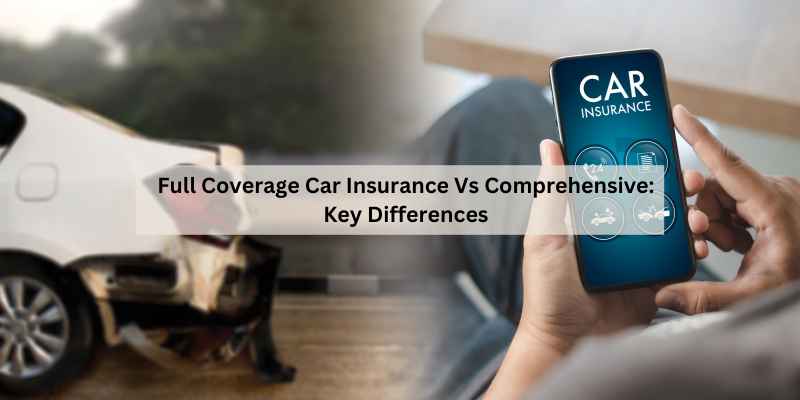
Full Coverage vs. Comprehensive Car Insurance: Difference & Cost
Comprehensive insurance is not full coverage — it’s only one piece of it. “Full coverage” is an informal industry term for a bundle of liability, collision, and comprehensive insurance, not an official policy type any insurer sells on its own. Confusing the two can leave you underinsured after a crash, since comprehensive alone never pays for collision damage. This guide breaks down exactly what each term covers, what full coverage costs in 2026, and when comprehensive-only makes sense.
Quick Answer
No, comprehensive insurance is not the same as full coverage. Comprehensive is a single coverage type that pays for non-collision damage (theft, hail, vandalism, fire, animal strikes). “Full coverage” is a bundle — usually liability + collision + comprehensive — that most lenders require on financed or leased vehicles. If you only carry comprehensive, a collision with another car would not be covered.
Liability vs. Comprehensive vs. Collision vs. Full Coverage
These four terms get confused constantly because “full coverage” is really just a name for a combination of the other three. Here’s how each one actually breaks down:
| Coverage Type | What It Pays For | Required? |
|---|---|---|
| Liability | Injuries and property damage you cause to others — never your own car | Yes, in nearly every state |
| Collision | Damage to your own car from hitting another vehicle or object, regardless of fault | No — but usually required by lenders/lessors |
| Comprehensive | Damage to your own car from non-collision events: theft, vandalism, fire, flood, hail, animal strikes | No — but usually required by lenders/lessors |
| “Full coverage” | The combination of liability + collision + comprehensive (industry nickname, not an official policy) | No official product — it’s a bundle |
What Is Full Coverage Car Insurance?
Full coverage is an insurance-industry nickname for a package of policies, not a single product you can buy by that name. It typically combines three things: your state’s required liability coverage, collision coverage for accidents with other vehicles or objects, and comprehensive coverage for non-collision losses. Some drivers also bundle in personal injury protection (PIP) or uninsured motorist coverage, but those aren’t universally included under the “full coverage” label — always confirm exactly what’s in your specific policy.
If you finance or lease your vehicle, the lender or leasing company will almost always require you to carry both collision and comprehensive coverage until the loan is paid off — see the asset-protection guide for how this fits into your broader financial risk after an accident.
What Does Comprehensive Insurance Actually Cover?
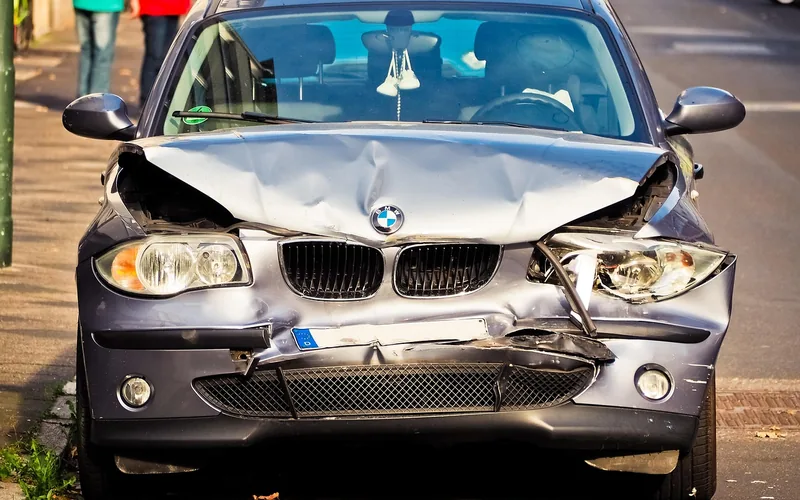
Comprehensive insurance is coverage that pays to repair or replace your car after damage that has nothing to do with driving into something. That includes theft, vandalism, fire, flooding, hailstorms, falling tree limbs, and hitting an animal like a deer. It specifically does not cover a collision with another car or a stationary object — that’s what collision coverage is for. If your car is stolen and never recovered, comprehensive is also the coverage that pays out, not collision.
Comprehensive claims are subject to your deductible just like collision claims — see the theft coverage guide for exactly how a stolen-vehicle claim is processed under this coverage.
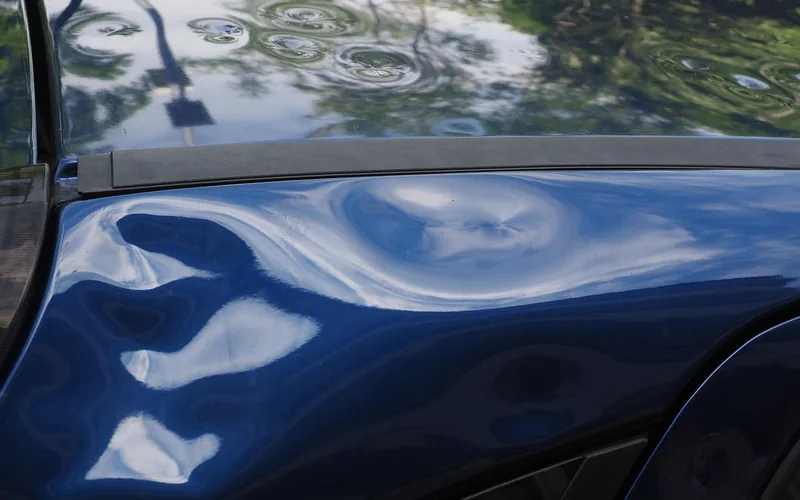
Full Coverage vs. Comprehensive: The Real Difference in One Sentence
Comprehensive covers damage that has nothing to do with a collision; full coverage covers both collision and non-collision damage because it bundles comprehensive together with collision and liability. That means if you only carry comprehensive and you rear-end another car, you’re on your own for the repair bill — comprehensive-only policies never include collision protection.
Premium costs reflect this difference. Collision coverage usually costs more than comprehensive on its own, since at-fault collision claims are more frequent and more expensive on average than weather or theft claims. Rates also depend heavily on your car’s make and model, your driving history, and where you live.
How Much Does Full Coverage Cost vs. Comprehensive Alone?
Full coverage costs significantly more than comprehensive-only because it includes collision and liability on top of comprehensive. According to NerdWallet’s 2026 rate analysis, the average full coverage policy runs about $2,300 a year, or roughly $192 a month, nationally — though your actual price depends on your age, location, driving record, and vehicle.
📊 The average U.S. driver pays about $2,300/year for full coverage car insurance in 2026, versus roughly $134/year for comprehensive coverage alone — Source: NerdWallet, 2026 rate analysis and Insurance Information Institute (III)
| Coverage Type | What It Covers | Typical Premium Impact |
|---|---|---|
| Liability only | Damage/injuries you cause to others | Lowest cost — the state-required baseline |
| Comprehensive only | Theft, fire, weather, animal strikes | Adds a relatively small amount on top of liability |
| Collision only | Accidents with another vehicle or object | Adds more than comprehensive, since claims are pricier and more common |
| Full coverage (all three) | Liability + collision + comprehensive | Highest total premium — averages roughly $2,300/year nationally |
According to the Insurance Information Institute (III), collision and comprehensive coverage are both optional under state law, yet roughly four out of five U.S. drivers voluntarily carry them — largely because lenders require it on financed and leased vehicles.
Is Comprehensive and Collision Insurance Required by Law?
No — neither comprehensive nor collision coverage is legally required in any state. The only insurance state law typically mandates is liability coverage, which pays for damage and injuries you cause to other people. Comprehensive and collision are both optional coverages you add on top of that minimum.
That said, if you have an auto loan or lease, your lender or leasing company will almost always require you to carry both comprehensive and collision — essentially forcing “full coverage” — for as long as they have a financial stake in the vehicle. Once the car is paid off and titled free and clear, dropping comprehensive and collision becomes entirely your decision.
When Should You Drop Full Coverage? The 10% Rule
A common guideline — often called the 10% rule — says to consider dropping comprehensive and collision once your annual premium for that coverage equals 10% or more of your car’s actual cash value. For example, a $4,000 car with a $600 annual premium for comp/collision is at 15%, which is a strong candidate to drop. A $12,000 car with the same $600 premium is only at 5%, so keeping the coverage still makes financial sense.
Check your car’s actual cash value before running this math — the rule only works if you’re comparing premium cost against what your insurer would actually pay out on a total-loss claim, not what you originally paid for the car. Keep in mind this is a financial guideline, not a safety one: if replacing the car unexpectedly would be a real hardship, the premium savings may not be worth the added risk.
How Deductibles Work for Comprehensive and Collision Claims
A deductible is the amount you pay out of pocket before your insurer covers the rest of a claim, and both comprehensive and collision claims are subject to one — they’re just set separately, so you can choose a different deductible for each. For example, if your comprehensive deductible is $500 and hail damage costs $2,000 to repair, you pay $500 and your insurer covers the remaining $1,500. Choosing a higher deductible typically lowers your premium, but make sure you could actually afford that amount out of pocket before a claim happens.
Filing a claim under either coverage follows the same basic process: contact your insurer, provide details and documentation (photos, a police report if applicable), and the company assesses the claim before paying out — minus your deductible.
Additional Coverage Options Beyond Full Coverage
Even a full coverage policy doesn’t automatically include everything. Two of the most common add-ons drivers layer on top are uninsured motorist coverage and personal injury protection.
| Coverage Type | What It Covers |
|---|---|
| Uninsured/Underinsured Motorist | Protects you when the at-fault driver has no insurance or not enough; covers your injuries and vehicle damage |
| Personal Injury Protection (PIP) | Covers medical expenses and lost wages for you and your passengers, regardless of who caused the accident |
Common Misconceptions About Full Coverage and Comprehensive Insurance
Many drivers assume comprehensive insurance alone is “full protection.” It isn’t — comprehensive never covers a collision with another vehicle or object, no matter how the accident happened. Full coverage is what adds that protection back in, since it bundles collision coverage alongside comprehensive and liability.
Another common myth is that full coverage is always expensive no matter what. In reality, cost depends heavily on your location, driving history, and vehicle — shopping quotes from multiple insurers can meaningfully lower what you pay for the same combination of coverages.
How to Decide Which Coverage You Need
Choosing the right mix comes down to a few concrete risk factors rather than a one-size-fits-all rule:
- Loan or lease status: If you’re financing or leasing, your lender likely requires full coverage regardless of preference.
- Vehicle value: Higher-value cars generally justify keeping comprehensive and collision; use the 10% rule above once the car is paid off.
- Location: Areas with higher theft, vandalism, or severe-weather risk make comprehensive more likely to pay off.
- Ability to self-insure: If you have enough savings to replace the car outright, dropping comp/collision on an older, paid-off vehicle carries less risk.
Frequently Asked Questions
Is Comprehensive Insurance the Same as Full Coverage?
No, comprehensive insurance is not the same as full coverage. Comprehensive coverage protects against non-collision incidents, like theft and natural disasters. Full coverage usually includes both liability and collision coverage on top of comprehensive. It’s essential to understand the distinction so you know exactly what a collision would and wouldn’t be covered by.
What Is Full Coverage Car Insurance?
Full coverage car insurance typically includes liability, collision, and comprehensive coverage bundled together. It protects you from various risks, such as accidents, theft, and weather damage. The term “full coverage” isn’t an official policy type and can vary slightly by insurer, so always check your specific policy’s declarations page for exact coverage limits.
How Much Does Full Coverage Cost?
Full coverage car insurance averages about $2,300 a year, or roughly $192 a month, nationally in 2026, according to NerdWallet’s rate analysis. Comprehensive coverage alone averages far less — closer to $134 a year per Insurance Information Institute data — since it excludes the pricier collision component. Your actual cost depends on your driving history, location, and vehicle.
Who Needs Full Coverage Car Insurance?
Full coverage is essentially mandatory for anyone still financing or leasing their vehicle, since lenders require it. It’s also worth keeping for owners of newer or higher-value cars, or anyone who would struggle to replace their vehicle out of pocket after a total loss. Assess your specific financial situation to determine if it’s still necessary once the loan is paid off.
Is Comprehensive and Collision Insurance Required by Law?
No. Neither comprehensive nor collision coverage is required by state law anywhere in the U.S. — only liability insurance is typically mandated. Comprehensive and collision become effectively required only when a lender or leasing company mandates them as a condition of financing the vehicle.
Does Comprehensive Insurance Cover a Stolen Car?
Yes. A stolen vehicle is a non-collision loss, so it’s covered under comprehensive insurance, not collision. If your car is stolen and not recovered, comprehensive coverage — minus your deductible — pays out its actual cash value. Collision-only policies do not cover theft at all.
When Should I Drop Full Coverage on an Older Car?
A common guideline is to consider dropping comprehensive and collision once their combined annual premium reaches 10% or more of your car’s actual cash value. This only applies once the car is paid off, since lenders require the coverage while a loan or lease is active. Weigh the premium savings against how easily you could afford to replace the car if it were stolen or totaled.
Choosing between full coverage and comprehensive-only insurance comes down to one question: can you afford to pay for collision damage yourself? If not, full coverage’s liability-plus-collision-plus-comprehensive bundle is worth the higher premium. If your car is paid off, low in value, and you could self-insure against a total loss, comprehensive-only — or dropping coverage entirely — may be the more cost-effective choice. Review your policy’s declarations page and compare quotes from multiple insurers before deciding.
Products related to this article
Sponsored / affiliate links. As an Amazon Associate I earn from qualifying purchases. I may earn additional commission from eligible campaigns.