What Is Minimum Car Insurance? 2026 State Requirements Guide
Minimum car insurance is the lowest amount of liability coverage your state legally requires you to carry in order to drive. It pays for injuries and property damage you cause to other people in an accident — it does not pay to repair or replace your own vehicle.
Every state sets its own dollar limits, and those limits change over time. California, for example, raised its minimums for the first time since 1967 on January 1, 2025. This guide breaks down what minimum coverage actually includes, what it costs in 2026, and when carrying only the state minimum can leave you financially exposed.
What Minimum Car Insurance Actually Covers
In nearly every state, “minimum car insurance” means liability insurance: coverage that pays for the other driver’s medical bills and property damage when you’re at fault in a crash. It has two parts — bodily injury liability and property damage liability — and some states add a third requirement, personal injury protection (PIP) or uninsured motorist coverage, on top of that.
What minimum liability insurance does not cover is your own car. If you cause an accident and only carry the state minimum, repairs to your own vehicle come out of your own pocket unless you also carry collision and comprehensive coverage, which are optional add-ons in every state except where a lender requires them on a financed car.
Liability Coverage: Bodily Injury and Property Damage
Bodily injury liability pays for the other driver’s and passengers’ medical bills, lost wages, and legal costs if you’re found at fault. It’s usually written as two numbers — a per-person limit and a per-accident limit — for example, “$30,000/$60,000” means up to $30,000 for any one injured person and up to $60,000 total for everyone hurt in the crash.
Property damage liability pays to repair or replace whatever you damaged — the other driver’s car, a fence, a parked vehicle, a storefront. State minimums for this coverage typically run $5,000 to $25,000, which sounds like a lot until you consider that the average new vehicle now costs over $48,000, meaning a state-minimum policy can fall well short of covering a totaled newer car.
Personal Injury Protection (PIP) and No-Fault States
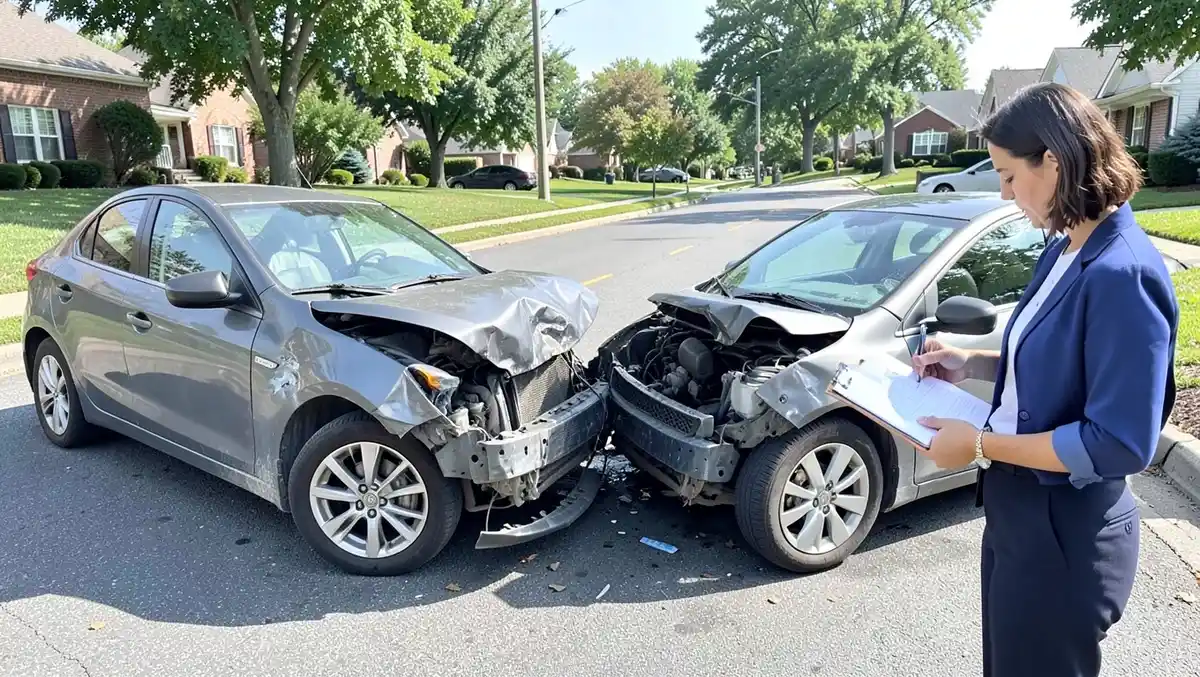
Personal injury protection (PIP) pays your own medical bills and lost wages after an accident, regardless of who caused it. About a dozen states — including Florida, New York, Michigan, and New Jersey — require PIP because they use a “no-fault” system, meaning each driver’s own insurer pays their medical costs first, before anyone argues about fault. If you want to see how PIP compares to a related coverage, medical payments coverage (MedPay) works similarly but is optional in most states and doesn’t cover lost wages the way PIP does.
In states without a no-fault requirement, the at-fault driver’s liability insurance is expected to cover the other person’s injuries, so PIP is either optional or not offered at all.
2026 Minimum Car Insurance Requirements by State
Every state sets its own required limits, and every state can change them — California just did. The table below shows four of the most-searched states as examples; always confirm current limits with your own state’s Department of Insurance or DMV before assuming a number is still accurate.
| State | Minimum Liability Coverage (2026) |
|---|---|
| California | $30,000 per person / $60,000 per accident for bodily injury, $15,000 for property damage (30/60/15) |
| Texas | $30,000 per person / $60,000 per accident for bodily injury, $25,000 for property damage (30/60/25) |
| Florida | $10,000 personal injury protection (PIP), $10,000 property damage liability — no bodily injury liability currently required |
| New York | $25,000 per person / $50,000 per accident for bodily injury, $10,000 for property damage, plus $50,000 PIP |
California’s minimums changed in 2025. Under Senate Bill 1107 (the Protect California Drivers Act), the state’s liability minimums rose from the old 15/30/5 limits — unchanged since 1967 — to 30/60/15 starting January 1, 2025. The higher limits apply to a driver’s policy at their next renewal, not instantly to every existing policy, and they’re scheduled to rise again to 50/100/25 in 2035.
Florida is still a PIP-only state as of 2026. Lawmakers have repeatedly proposed replacing Florida’s no-fault PIP system with mandatory bodily injury liability (most recently House Bill 1181 in 2025), but that bill was withdrawn and never took effect. Florida remains the only state that does not require bodily injury liability coverage for standard passenger vehicles — though it’s worth checking for updates before you assume that stays true, since the legislature has taken this up more than once.

How Much Does Minimum Coverage Cost in 2026?
Nationally, minimum liability-only coverage averages roughly $76 a month ($908 a year) in 2026. That’s well below the roughly $208 a month ($2,495 a year) average for full coverage, which adds collision and comprehensive protection for your own vehicle. Your actual rate depends heavily on your state, age, driving record, and vehicle — minimum coverage runs as low as around $30/month in Wyoming and as high as $164/month or more in states like Nevada and Michigan.
If a quote you’re comparing is close to $200 a month, it’s more likely a full-coverage rate than a bare-minimum liability rate — that gap is exactly why it pays to ask your agent which coverage a quote actually includes before comparing prices.
Why Minimum Coverage Might Not Be Enough
Minimum coverage keeps you legal, but it has real limits. If a crash causes more damage or medical costs than your policy limits, you are personally on the hook for the rest — and that can mean a lawsuit against your wages, savings, or other assets. A few specific gaps to know about:
- Your own car isn’t covered. Liability-only policies don’t pay to repair or replace your vehicle after a crash you caused.
- Theft and vandalism aren’t covered. Theft protection requires comprehensive coverage, which is separate from liability.
- Serious injuries can exceed your limits fast. A single hospital stay can run well past a $30,000 bodily injury limit, and you’re responsible for the difference.
- You could still be sued. Damages beyond your policy limits, including a pedestrian’s medical bills in a more serious crash, can become a personal legal judgment against you — one more reason to protect your assets with coverage above the state minimum.
How to Choose the Right Amount of Coverage
State minimums are a legal floor, not a recommendation. Many financial advisors suggest carrying liability limits closer to 100/300/100 — well above most state minimums — if your assets, income, or savings are worth protecting in a lawsuit. A few practical factors to weigh:
- Your assets. The more you have to lose in a lawsuit, the more liability coverage makes sense.
- Your vehicle’s value. A newer or financed car usually justifies adding collision and comprehensive coverage on top of the state minimum.
- Your state’s uninsured driver rate. States with more uninsured drivers make uninsured/underinsured motorist coverage worth adding, since it protects you if the other driver has no insurance at all.
- Your budget. Compare quotes from several insurers — rates for the same coverage can vary significantly between companies for the same driver, so it helps to know how to shop for quotes online before you commit to one.
Frequently Asked Questions
What is the lowest level of car insurance?
The lowest level most states allow is liability-only coverage: bodily injury liability and property damage liability, sometimes paired with personal injury protection (PIP) in no-fault states. It covers costs you cause to others, not damage to your own vehicle.
What is the legal minimum car insurance?
The legal minimum is set state by state and typically means liability coverage — bodily injury and property damage limits set by your state’s Department of Insurance. Some states, like Florida and New York, also require personal injury protection. Only New Hampshire has no mandatory minimum insurance law, though drivers there must still be able to prove financial responsibility after an at-fault crash.
Is $200 a month a lot for car insurance?
$200 a month is close to the national average for full coverage (around $208/month in 2026), but it’s well above the national average for minimum liability-only coverage (around $76/month). If a minimum-coverage quote comes in near $200, your rate is likely being pushed up by factors like your driving record, age, location, or vehicle — it’s worth comparing quotes from a few insurers.
Is there a minimum term for car insurance policies?
There’s no single national minimum term. Most standard car insurance policies are written for 6-month or 12-month terms. Some insurers, particularly those serving high-risk or non-standard drivers, offer month-to-month policies with no fixed term at all. Check your specific policy documents for the exact term and cancellation rules.
Does minimum car insurance cover a rental car?
In most states, your existing liability coverage extends to a rental car you’re driving, but it still won’t cover damage to the rental vehicle itself — the same gap that applies to your own car. Check with your insurer before declining a rental company’s damage waiver.
The Bottom Line
Minimum car insurance keeps you legal and pays for damage or injuries you cause to others — but it stops there. It won’t fix your own car, won’t cover theft or vandalism, and can leave you paying out of pocket if a serious accident exceeds your policy limits. Check your state’s current minimums before you renew, since those numbers do change, and weigh whether coverage above the legal floor makes sense for what you actually have to protect.
Products related to this article
Sponsored / affiliate links. As an Amazon Associate I earn from qualifying purchases. I may earn additional commission from eligible campaigns.
 Car Scratch Repair Wax, 2026 New Scratch Remover for Vehicles – Universal Polishing Paste for Deep Scratches & Various Surfaces, with Wipe & Sponge (1)
 Car Cover for Hail Protection, Thickened Multi-Layer, Waterproof, Hail Cover for Car SUV Size A6 Fit for Toyota RAV4 /4Runner, Honda CRV, Hyundai Santa Fe, Audi Q5 (182-190 inch)