Music and Car Culture: The History Behind Songs, Radios & Bass
Music and car culture are inseparable: car radios, bass-heavy sound systems, and genre-specific rides, from lowriders to muscle cars, have shaped driving culture since the 1930s. A 2002 Cadillac ad set to Led Zeppelin’s “Rock and Roll” boosted sales 16 percent, proof that sound sells cars. This guide covers car audio history, genre-vehicle pairings, sound system culture, and real music-in-advertising case studies.
Insert your Affiliate Disclosure reusable block here.
Quick Answer
Music and car culture reinforce each other: car radios (since the 1930s), bass-heavy sound systems, and genre-vehicle pairings like hip-hop lowriders, rock muscle cars, and country pickup trucks all shape automotive identity. Music also drives car marketing (Cadillac, VW, and Mitsubishi all sold cars with iconic songs) and even shapes legally required EV sounds today.
The Symphony Of Speed: Music’s Influence On Driving
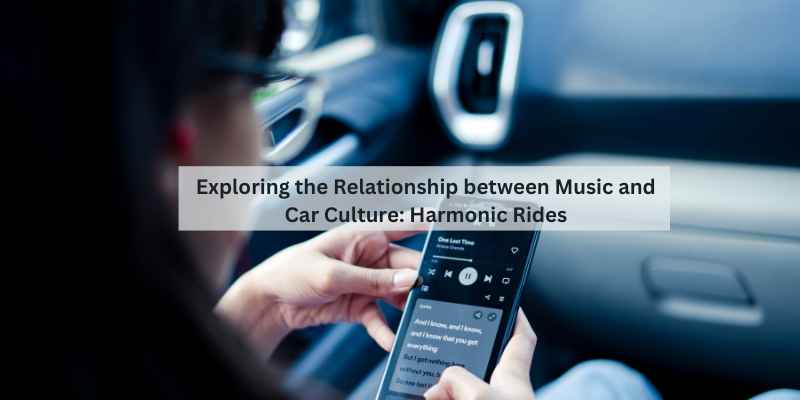
Music changes how people drive. The right track can turn a routine commute into a relaxed cruise or amplify the thrill of hard acceleration, and the pairing of music with motion creates a sensory experience that affects mood, focus, and driving style.
Soundtracks For The Road: Crafting The Perfect Playlist
When it comes to driving, the right playlist can make all the difference. Crafting the perfect soundtrack for your road trip is an art in itself. A well-curated playlist can set the tone for your journey, whether it’s a high-energy mix to pump you up or a mellow selection to help you relax. Consider the mood, tempo, and genre of the songs to create a playlist that complements your driving style and enhances the overall experience.
Rhythms And Revs: How Beats Affect Acceleration
Music has the power to influence emotions and energy levels, and behind the wheel, the beats and rhythms of a song can have a direct impact on driving intensity. Upbeat, fast-paced songs with strong beats can subconsciously encourage a driver to push the pedal a little harder, syncing the rhythm of the music with the revs of the engine. Slower, more relaxing tunes tend to have the opposite effect, resulting in a smoother, more controlled driving experience.
Car Culture: An Audio-visual Experience
Music and car culture also intertwine visually, from cars that appear in music videos to the sound systems that have become a design feature in their own right. The result is a dynamic, sensory-rich experience for enthusiasts.
From Radio To Racing: The Evolution Of In-car Entertainment
In-car entertainment has a documented history stretching back nearly a century. The first commercial car radio, sold under the Motorola brand, arrived in the early 1930s at a price equal to roughly $1,500 in today’s dollars — a luxury option, not a standard feature. In 1956, Chrysler partnered with Columbia Records on the “Highway Hi-Fi,” a dashboard-mounted record player, while engineer Earl “Madman” Muntz pioneered the 4-track Stereo-Pak cartridge system in the early 1960s specifically because it wouldn’t skip on rough roads.
The real turning point came in 1964, when Philips introduced the compact cassette, letting drivers carry personal mixtapes for the first time. The 1980s and 1990s became the golden age of aftermarket audio, with elaborate, customizable sound systems turning car stereos into a status symbol. By the 2000s, MP3 players and then Bluetooth and USB connectivity replaced physical media entirely, and today most drivers connect their phone directly to their car to stream a personal library instead of relying on radio or discs.
Visual Vibes: Music Videos And Car Imagery
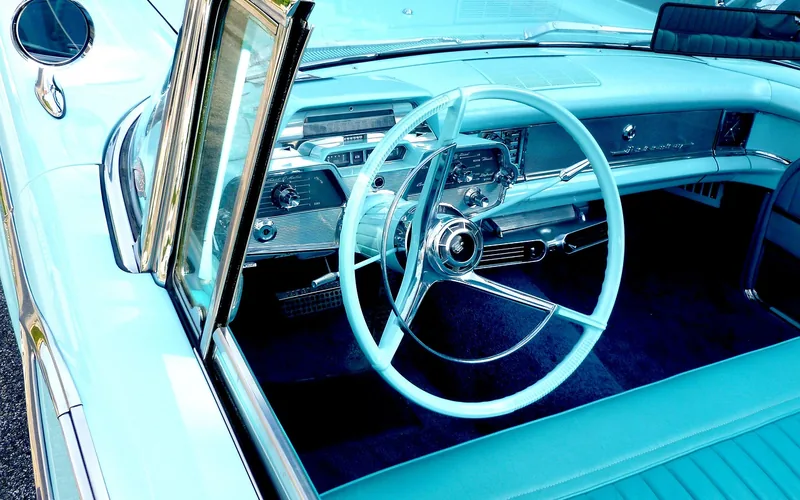
Music videos have become a powerful medium for artists to showcase their talent and creativity. They not only provide a visual representation of the music but also often feature cars as a central element. Car imagery in music videos has the ability to captivate viewers, creating a strong connection between the music and the car culture. Whether it’s the sleek curves of a luxury sports car or the raw power of a muscle car, these visuals enhance the overall audio-visual experience.
Tuning In: Sound Systems And Their Role In Car Culture
When it comes to car culture, the relationship between music and vehicles runs deep. One of the most significant aspects of this connection is the role of sound systems in cars. From the iconic thump of bass to the intricate engineering behind acoustic design, the sound system in a car plays a pivotal role in shaping the overall car culture experience.
Bass And Brands: The Status Symbol Of Sound Systems
Car enthusiasts often view the sound system as a status symbol, with bass serving as a key indicator of a vehicle owner’s commitment to audio excellence. The deep, resonant thud of a powerful bass system not only adds to the auditory experience but also reflects the owner’s dedication to high-quality sound. It’s not just about volume; it’s about the brand and quality of the sound system — many owners upgrade their factory door speakers as a first step toward a serious car audio setup.

Best Car Bluetooth Audio Pick

Scosche BTFM9 Bluetooth FM Transmitter
Streams Bluetooth audio through any factory FM radio and charges two devices at once — the easiest way to bring modern music streaming into an older car.
- Best for: Cars without built-in Bluetooth or aux input
- Why we picked it: Trusted Scosche brand, dual USB-C/USB-A fast charging
- Main drawback: FM transmitter sound quality depends on a clear local FM channel
Compare more car audio options
 Option 1 JOYROOM Bluetooth 6.0 AUX Adapter
|
 Option 2 96W Bluetooth 5.3 FM Transmitter
|
 Option 3 Wireless Bluetooth Stereo Adapter
|
As an Amazon Associate we earn from qualifying purchases.
Acoustic Engineering: Designing Cars With Sound In Mind
Acoustic engineering is an essential consideration in the design of modern cars, with manufacturers integrating sound systems into the vehicle’s overall architecture. From the placement of speakers to the acoustic properties of the interior, cars are being designed with sound in mind. This approach aims to create an immersive audio experience that complements the driving environment, enhancing the overall car culture experience — engineers even wire factory audio systems with dedicated grounding to reduce interference and preserve sound quality.
Sound engineering now goes beyond entertainment. Because electric and hybrid vehicles are nearly silent at low speeds, the U.S. National Highway Traffic Safety Administration (NHTSA) finalized a rule requiring them to emit an artificial sound between 43 and 64 decibels below about 18.6 mph, specifically so pedestrians and cyclists can hear them coming.
📊 NHTSA’s Acoustic Vehicle Alerting System (AVAS) rule, in full effect since September 2020, is projected to prevent roughly 2,400 pedestrian and cyclist injuries per year — a case of automotive sound design serving safety, not just style. Source: NHTSA / U.S. DOT
Genre On The Go: Musical Styles And Their Automotive Counterparts
When it comes to the relationship between music and car culture, the two have been intertwined since the early days of hot rods and drive-ins. Whether it’s blasting tunes from a stereo system or cruising down the highway with the windows down, music has always been an essential part of the driving experience. One interesting aspect of this relationship is the connection between different musical genres and the types of cars they are associated with. In this post, we’ll explore the fascinating world of musical styles and their automotive counterparts.
Hip-hop And Hydraulics: Lowriders’ Love For Beats
Hip-hop music and lowrider cars have a long and storied history together. Lowriders, which are typically customized cars with hydraulic suspension systems, have been a fixture in the hip-hop community for decades. These cars are often outfitted with elaborate sound systems that can pump out bass-heavy beats with ease. For many lowrider enthusiasts, the car and the music are inseparable. The slow, rhythmic bounce of hydraulics perfectly complements the laid-back beats of classic West Coast hip-hop.
Rock ‘n’ Roll And Muscle Cars: A High-octane Pair
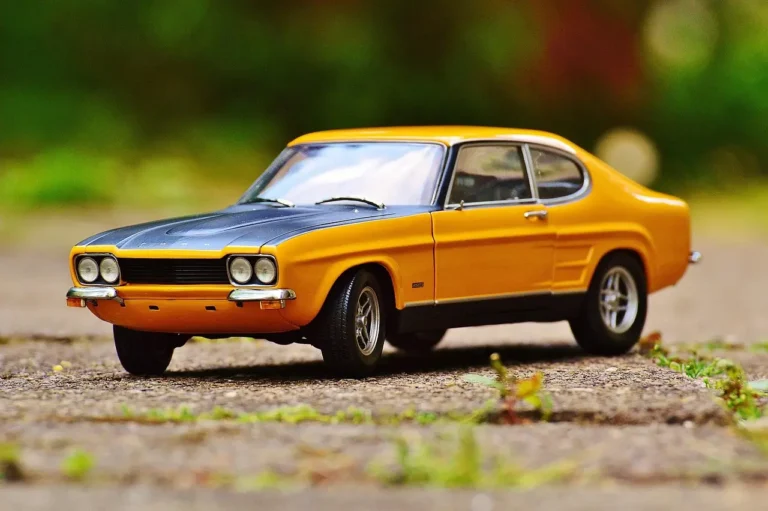
If there’s one musical genre that’s synonymous with fast cars, it’s rock ‘n’ roll. From the Beach Boys to Bruce Springsteen, rock music has always had a special affinity for muscle cars and hot rods. The high-energy guitars and driving rhythms of rock music are the perfect complement to the raw power of a classic muscle car. Whether it’s cruising down the highway or burning rubber at the drag strip, there’s nothing quite like the feeling of blasting rock ‘n’ roll through the speakers of a vintage muscle car.
Beyond Hip-hop And Rock: More Genre-vehicle Pairings
Hip-hop and rock aren’t the only genres with a signature ride. Country music has been linked to pickup trucks since a “southernization” of country songwriting in the early 1990s turned the truck into shorthand for rural independence and working-class pride — a connection truck manufacturers reinforce by sponsoring country tours to this day. More recently, synthwave and retrowave music, built around instrumental, neon-lit 80s soundscapes, adopted Japanese import tuners like the Nissan 240SX/Silvia as an unofficial mascot, alongside pop-culture icons like the DeLorean DMC-12.
| Music Genre | Associated Vehicle Type | Why The Pairing Exists |
|---|---|---|
| Hip-hop | Lowriders | Hydraulic “bounce” mirrors bass-heavy West Coast beats |
| Rock ‘n’ Roll | Muscle Cars | High-energy guitars match raw horsepower and drag-strip culture |
| Country | Pickup Trucks | Trucks symbolize rural roots and working-class independence |
| Synthwave / Retrowave | Japanese Import Tuners | Neon 80s aesthetic pairs with night-drive tuner culture |
From lowriders to muscle cars to lifted trucks, the relationship between music and car culture is a fascinating one. Different musical genres have long been associated with specific types of cars, creating a unique subculture that continues to thrive today. Whether you’re a fan of hip-hop, rock ‘n’ roll, or country, there’s a car out there that perfectly complements your musical tastes.
Car Shows And Concerts: A Symbiotic Relationship
Music and car shows have grown up together. The Woodward Dream Cruise in Metro Detroit, billed as the world’s largest one-day automotive event, draws more than a million spectators and around 40,000 classic cars each year — and host cities along the route stage free live “oldies” concerts and DJ sets that run for hours alongside the cruising.
Exhibitions And Soundtracks: How Music Enhances Auto Shows
Auto shows come alive with music enhancing the overall experience for attendees.
- Music sets the tone, creating an atmosphere of excitement.
- Soundtracks complement the showcased vehicles, highlighting their features.
Live Performances And Car Meetups: Celebrating Shared Passions
Live performances at car meetups bring enthusiasts together to celebrate their love for cars and music.
- Concerts at car events foster a sense of community among car enthusiasts.
- Shared passions for music and cars create a unique bond among attendees.
Driving Dynamics: How Music Influences Car Design
The Aesthetics Of Sound: Music Inspired Vehicle Aesthetics
Car designers borrow visual language from music culture — the neon accent lighting and digital gauge clusters common on modern performance trims echo the same synthwave aesthetic that made import tuners a genre icon, while bold graphics and two-tone paint jobs on muscle cars still reference the loud, rebellious visual identity of classic rock album art.
Soundproofing And Acoustics: Enhancing The Driving Soundscape
Car manufacturers prioritize soundproofing and acoustics to create an optimal driving experience. Enhancing the driving soundscape involves integrating high-quality audio systems, tuning cabin insulation to cut road noise, and, on electric vehicles, adding synthesized engine or exterior sound profiles where regulations require them for pedestrian safety.
The Impact Of Car Commercials With Iconic Tracks
Advertising Anthems: How Music Sells Cars
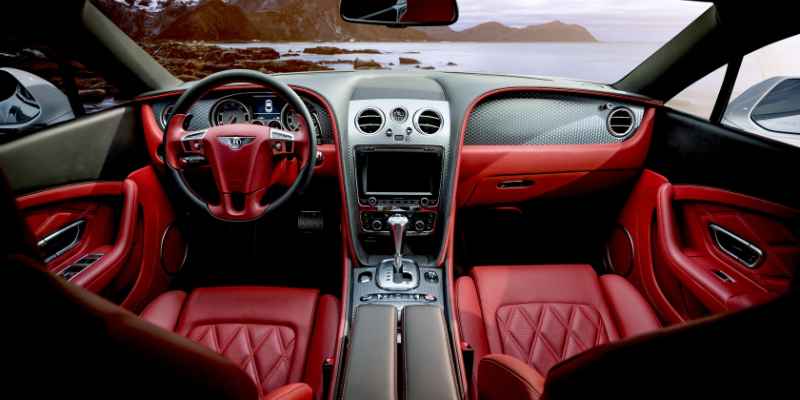
Music in car commercials creates emotional connections with consumers. A familiar or emotionally resonant song can carry brand messaging faster than dialogue, and it enhances brand perception in a way that can measurably boost sales.
Memorable Campaigns: The Union Of Car Brands And Hit Songs
A handful of campaigns show exactly how far the right song can carry a car brand. Cadillac’s 2002 “Break Through” campaign licensed Led Zeppelin’s “Rock and Roll” for a CTS commercial — the first time the band had ever sold a song for advertising use — and Cadillac’s sales rose 16 percent in the months that followed. Volkswagen took the opposite approach in 1999, pairing its Cabrio convertible with Nick Drake’s obscure 1972 folk track “Pink Moon”; the ad introduced the song to a new generation and pushed Drake’s posthumous album sales from about 6,000 copies a year to over 74,000 within months. Mitsubishi did something similar in 2003, licensing the then-unknown dance track “Days Go By” by Dirty Vegas for an Eclipse commercial — the exposure helped the song crack the Billboard Hot 100 and win a Grammy Award.
📊 Volkswagen’s 1999–2000 “Pink Moon” ad lifted Nick Drake’s annual album sales from roughly 6,000 copies to over 74,000 — nearly a 500% increase — in the ad’s first year on air. Source: Rolling Stone
“There have been few deeper wellsprings of subject matter for lyrical consideration than the automobile.”
Preserving The Legacy: Restoration Of Classic Cars And Jukeboxes
The restoration of classic cars and jukeboxes is an art that helps preserve the legacy of music and car culture. The harmonious relationship between vintage cars and the tunes that played on their jukeboxes is a nostalgic experience that continues to captivate enthusiasts.
Nostalgia On Wheels: The Revival Of Vintage Sound Systems
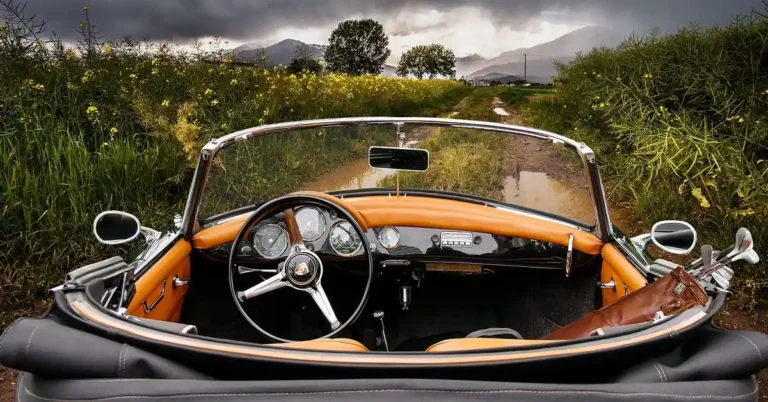
Restoring classic cars and jukeboxes takes intricate attention to detail, since original AM radio faceplates, dials, and speaker grilles are often no longer manufactured. Owners who track down or reproduce these vintage parts aren’t just restoring function — they’re preserving a specific era’s listening experience, dial hiss and all.
Restoration Soundtracks: Music As Motivation In Car Renovation
Music also plays a practical role during the restoration process itself. Many owners work to a soundtrack that matches the car’s era — period-correct rock or soul for a 1960s muscle car, for instance — using it to set the pace and mood for a project that can otherwise stretch on for months.
Frequently Asked Questions
What Is The Relationship Between Music And Culture?
Music and culture are closely linked, shaping and reflecting each other’s beliefs, traditions, and values. Music serves as a form of cultural expression, conveying emotions and stories unique to each society. It has the power to unite people and preserve heritage while evolving with societal changes.
Why Is Music Important In A Car?
Music is important in a car because it enhances the driving experience, provides entertainment, and helps to create a positive mood. It can also help to reduce stress, increase focus, and make long drives more enjoyable.
What Is The Cultural Significance Of Cars?
Cars have significant cultural importance, representing freedom, status, and individuality. They have shaped our society, influencing art, music, and fashion. Cars have also played a role in shaping urban landscapes and creating new industries. Their impact on culture continues to evolve as technology advances.
How Did Car Culture Impact Rock And Roll?
Car culture impacted rock and roll by fueling its rebellious spirit and sense of freedom. Musicians embraced the car’s symbolism of independence, speed, and adventure, inspiring lyrics and album artwork. Car culture also influenced the rise of drive-in concerts and the popularity of car-themed songs.
What Music Genre Is Most Associated With Car Culture?
No single genre owns car culture — different genres pair with different vehicles. Hip-hop is tied to lowriders, rock ‘n’ roll to muscle cars, country to pickup trucks, and synthwave to Japanese import tuners. Each pairing grew from a shared aesthetic between the music’s energy and the car’s identity.
Why Do Car Commercials Use Popular Songs?
Car commercials use popular songs because a familiar track creates an instant emotional connection that dialogue alone can’t match. Cadillac’s 2002 Led Zeppelin ad and Mitsubishi’s 2003 Dirty Vegas ad both show how a well-placed song can boost brand recall and sales while also reviving the song itself.
Conclusion
Music and car culture have been intertwined for decades, and the relationship between the two continues to evolve. From the record players Chrysler bolted to a 1956 dashboard to the bass-heavy sound systems of lowriders and the legally mandated hum of electric vehicles today, music and cars have shaped each other every step of the way.
Whether you’re a music lover, a car enthusiast, or both, there’s no denying the powerful bond between the two. For a broader look at what drives car culture as a whole, see our guides on car culture as a lifestyle or a passion and how car culture grows from hobby to lifestyle.
Products related to this article
Sponsored / affiliate links. As an Amazon Associate I earn from qualifying purchases. I may earn additional commission from eligible campaigns.