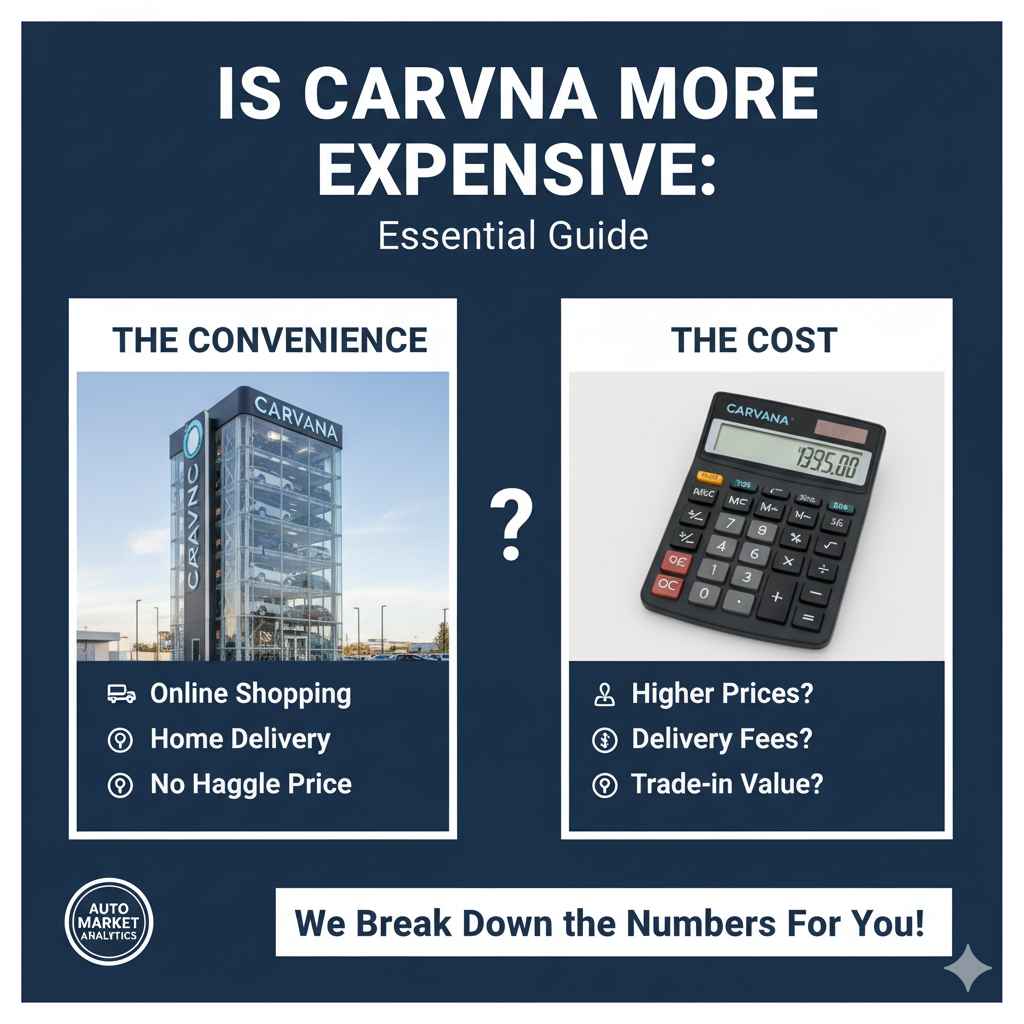
Is Carvana More Expensive: Essential Guide
Can you save money buying a car from Carvana? This essential guide breaks down Carvana’s pricing compared to traditional dealerships and private sellers, helping you decide if it’s the right fit for your budget. We’ll explore hidden costs, financing, and how to get the best deal.
Buying a car can feel like navigating a maze, especially when you’re trying to figure out if you’re getting a fair price. Carvana, with its unique online model and car vending machines, offers a different way to shop. But the big question on many minds is: “Is Carvana more expensive?” It’s a common worry, and for good reason! The car buying process can be stressful, and nobody wants to feel like they’ve overpaid. This guide is here to clear things up. We’ll walk through how Carvana’s pricing works and compare it to other methods, so you can feel confident about your next car purchase. Let’s demystify Carvana’s costs together!
Understanding Carvana’s Pricing Model
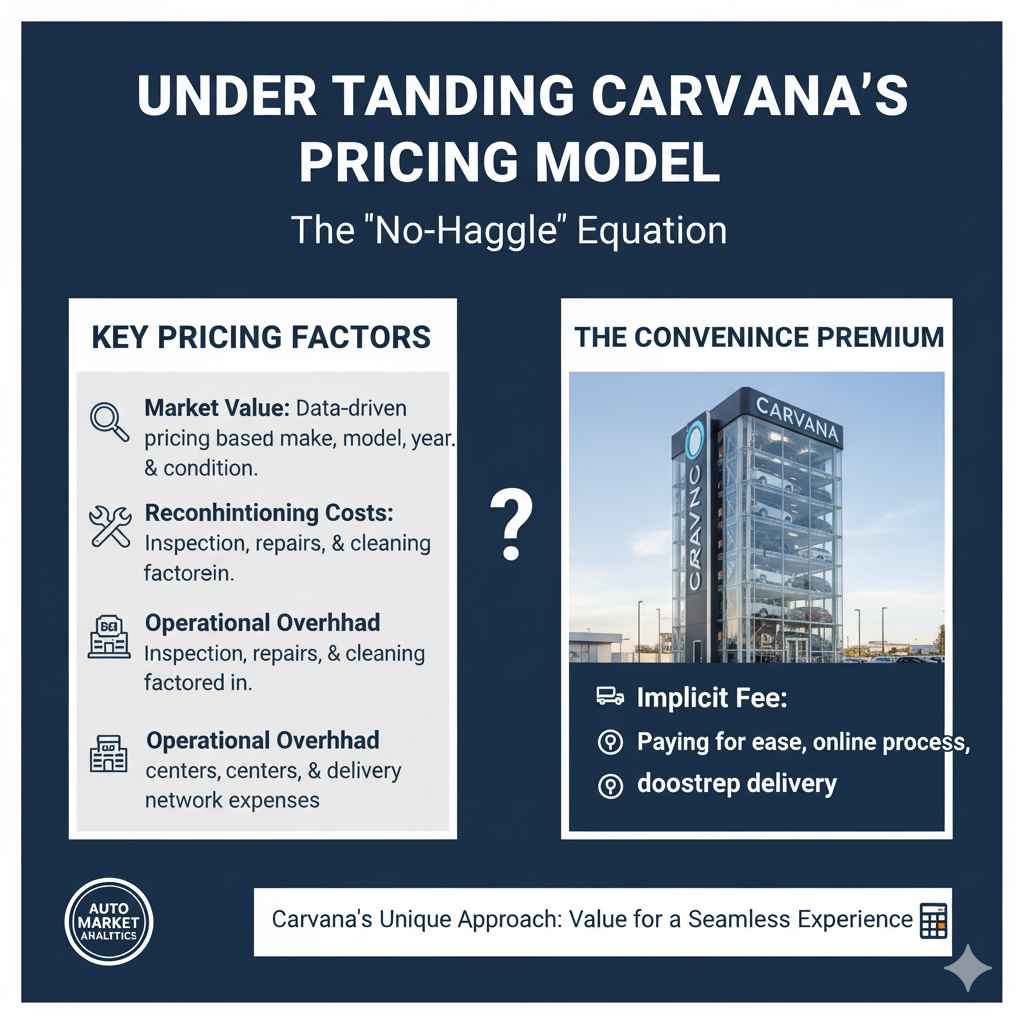
Carvana’s pricing is a bit different from what you might be used to at a traditional dealership. Instead of haggling over a sticker price, Carvana aims for a “no-haggle” experience. This means the price you see online is generally the price you pay for the car itself. But how do they arrive at that price, and what does it include?
Carvana’s prices are influenced by several factors, much like any other car seller:
- Market Value: They analyze vast amounts of data to determine what a specific car is worth. This includes make, model, year, mileage, condition, and features.
- Reconditioning Costs: Before a car is listed, Carvana inspects and reconditions it. This involves repairs, cleaning, and ensuring it meets their standards. These costs are factored into the price.
- Overhead: Running an online business with logistics, inspection centers, and delivery vehicles comes with significant operational costs. These are also reflected in the car’s price.
- Convenience Fee (Implicitly): The no-haggle, doorstep delivery, and easy online process add a layer of convenience that users are paying for indirectly through the car’s price.
It’s important to remember that Carvana doesn’t have the same brick-and-mortar expenses as a traditional dealer (like large showrooms and sales staff commissions), but they do have substantial costs related to their unique logistical operations.
Carvana vs. Traditional Dealerships: A Price Comparison
When asking “Is Carvana more expensive?”, comparing it to a traditional dealership is crucial. Dealerships have a different operational model, which impacts pricing in various ways.
Traditional Dealerships:
- Pros: Often have a wider selection of vehicles on-site, offer opportunities for negotiation, and may have more established service departments. You can physically inspect the car and take an immediate test drive.
- Cons: Prices can be higher due to overhead, and the negotiation process can be stressful and time-consuming. There might be added fees and pressure from salespeople.
Carvana:
- Pros: Transparent, no-haggle pricing; convenient online shopping and delivery; a unique virtual showroom and detailed vehicle reports.
- Cons: Prices can sometimes be higher than a negotiated dealership price; limited opportunity for in-person inspection before purchase (though they have a return policy); delivery fees may apply.
Let’s look at a hypothetical comparison to illustrate:
| Factor | Carvana | Traditional Dealership (Hypothetical) | Private Seller (Hypothetical) |
|---|---|---|---|
| Base Car Price | $22,000 | $21,500 (before negotiation) | $20,000 (asking price) |
| Negotiation Room | None (no-haggle) | Significant (can negotiate down) | Moderate (can negotiate) |
| Delivery/Shipping Fee | Varies ($0 – $500+) | Usually not applicable (pickup) | Usually not applicable (buyer pickup) |
| Reconditioning/Inspection | Included in price | May be partially included, or you might face “prep fees” | Buyer responsible for independent inspection |
| Financing Options | In-house, third-party | In-house, banks, credit unions | Buyer arranges their own financing |
| Extended Warranty/Add-ons | Offered | Offered (often high margin) | Buyer purchases separately |
| Final Estimated Cost (after potential negotiation/fees) | $22,000 – $22,500 | $20,500 – $22,000 (depending on negotiation skill and fees) | $20,000 – $21,000 (plus inspection costs) |
As you can see, the “is Carvana more expensive” question doesn’t have a simple yes or no answer. Carvana’s listed price might appear higher upfront than a dealership’s initial sticker price, but after negotiation, a dealership price could end up being comparable or even lower. However, Carvana offers predictability, which has value for many buyers.
It’s also worth noting the role of vehicle history reports. Carvana provides its own inspection reports, but for comparison, you might find resources like NHTSA’s safety resources helpful for understanding vehicle safety standards and what to look for when evaluating any used car.
Carvana vs. Private Sellers: A Different Ballgame
Buying from a private seller is often seen as the cheapest option, but it comes with its own set of challenges and potential hidden costs. When considering “is Carvana more expensive” than a private sale, you’re comparing different levels of risk and convenience.
Private Sellers:
- Pros: Typically the lowest prices because there are no overhead costs or profit margins for a business. You can often find great deals directly from owners.
- Cons: No buyer protection; you’re responsible for all inspections; financing must be arranged independently; paperwork can be complex; potential for scams or hidden mechanical issues. You might have to travel to see the car.
Carvana:
- Pros: Offers a level of buyer protection through its return policy; provides inspection reports; handles much of the paperwork and financing complexities; delivery to your door.
- Cons: Generally higher prices than private sales; cannot physically inspect the car before it arrives.
A private sale might seem cheaper on the surface, but factor in these potential costs and efforts:
- Pre-Purchase Inspection (PPI): Budget $100 – $300 for a mechanic to thoroughly check the car. This is highly recommended for private sales.
- Title and Registration Fees: You’ll need to handle these yourself, which can vary by state.
- Transportation: You’ll need to pick up the car, potentially at your own expense if it’s far away.
- Peace of Mind: Carvana’s process offers more security, which many buyers value, even if it costs a little more.
The “Hidden” Costs of Carvana
While Carvana advertises a no-haggle price, there are a few costs that can add to the final amount you pay. Understanding these is key to answering “is Carvana more expensive” for your specific situation.
- Delivery Fees: Carvana charges for delivery. This fee can range from free delivery within certain zones to several hundred dollars if the car is coming from a distant hub. Always check the delivery cost for the specific vehicle you’re interested in.
- Registration and Taxes: Like any car purchase, you’ll be responsible for sales tax, registration fees, and other governmental charges as required by your state. Carvana often facilitates this process, but it’s still your financial responsibility.
- Financing Costs: If you finance through Carvana, compare their interest rates and terms carefully against those offered by your bank or credit union. Sometimes, in-house financing can have higher interest rates. You can get pre-approved by your bank before shopping to have a benchmark.
- Add-ons and Extended Warranties: Carvana offers optional add-ons like extended warranties, GAP insurance, and vehicle protection plans. These can increase the overall cost, so evaluate if they are worth the investment for you.
It’s essential to get a full breakdown of all costs associated with the vehicle from Carvana before you commit to buying. Don’t be afraid to ask for total out-the-door pricing, including all fees.
Factors Affecting Carvana’s Pricing
Beyond the general model, several specific factors can influence how the price Carvana lists for a particular vehicle compares to market rates:
- Vehicle Condition and Age: Newer cars with low mileage and in excellent condition will be priced higher, as expected. Older cars with wear and tear will be more affordable. Carvana’s reconditioning process aims to standardize quality.
- Demand for Specific Models: Popular SUVs, trucks, or fuel-efficient sedans often command higher prices due to market demand.
- Geographic Location: While Carvana delivers nationwide, the price of a vehicle can sometimes be influenced by its origin or the demand in your specific region.
- Carvana’s Inventory Strategy: Like any retailer, Carvana might adjust prices based on how long a vehicle has been in inventory or their overall sales goals.
To get a good feel for pricing, it’s a great idea to research similar vehicles on other platforms. Look at traditional dealerships, reputable online used car sites, and even local private listings to establish a baseline for what a car should cost.
Financing Options and How They Impact Cost
How you pay for a car significantly impacts its total cost. Carvana offers its own financing, but it’s wise to explore all your options.
Carvana Financing:
- Pros: Conveniently integrated into the online purchase process. They offer pre-qualification, which can give you an idea of your options without a hard credit check impacting your score initially.
- Cons: Interest rates might not always be the most competitive. It’s crucial to compare their Annual Percentage Rate (APR) with other lenders.
Your Bank or Credit Union:
- Pros: Often offer lower interest rates, especially if you have good credit or are a member of a credit union. You can get pre-approved before you even start shopping, giving you a firm budget and negotiating power.
- Cons: Requires a separate application process outside of Carvana’s platform.
Third-Party Lenders:
- Pros: Can offer competitive rates, especially for individuals with less-than-perfect credit who might not qualify for the best rates at traditional banks.
- Cons: Requires research to find reputable lenders and compare offers.
The Impact of Interest Rates:
Even a small difference in interest rate can add up significantly over the life of a car loan. For example, consider two loans for $20,000 over 60 months:
- An APR of 5% might result in approximately $2,500 in interest.
- An APR of 7% could result in approximately $3,600 in interest – over $1,100 more!
This is why understanding “is Carvana more expensive” must include looking at the financing rates they offer versus alternatives. Always aim to secure the lowest APR you can.
The Carvana Return Policy: A Safety Net
One of Carvana’s key selling points is its 7-day return policy. While not directly a cost factor, it’s a significant part of the value proposition that can influence your decision, especially if you’re concerned about making a purchase without a traditional test drive or in-depth inspection.
How it Works:
- You have seven calendar days from the date of delivery to decide if you want to keep the car.
- You can drive it, park it, and generally treat it as your own, with some mileage limitations (usually around 400 miles).
- If you’re not satisfied for any reason, you can return it for a full refund.
- If you choose to exchange it for another vehicle, Carvana will handle the swap.
Why it Matters for “Is Carvana More Expensive”:
This return policy alleviates some of the risk associated with buying sight unseen. If you discover a problem or simply aren’t happy with the car, you can back out without significant financial penalty (aside from potential delivery fees that may not be refundable). This peace of mind has a value, and for some buyers, it justifies paying a slight premium compared to riskier buying methods like private sales.
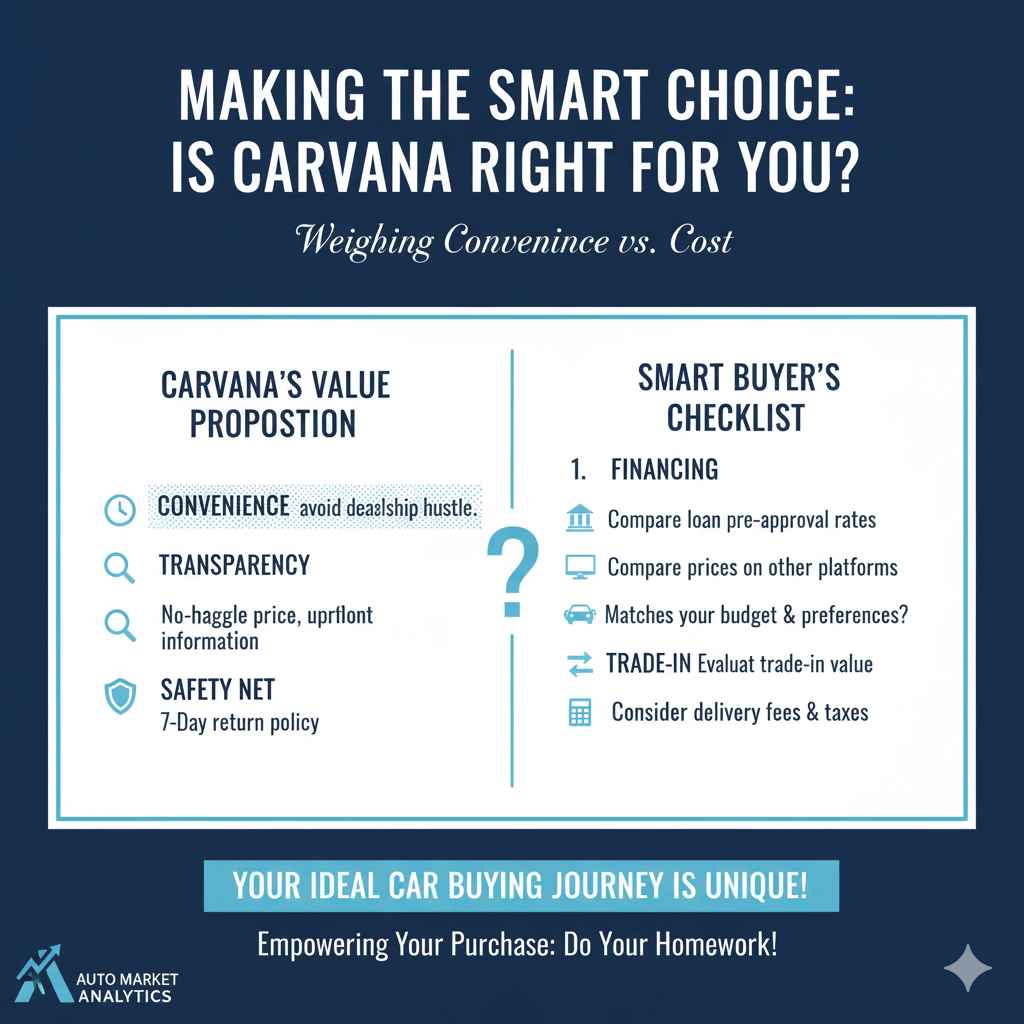
Making the Smart Choice: Is Carvana Right For You?
So, to answer “is Carvana more expensive?” directly: sometimes, yes, in terms of the upfront listed price compared to heavily negotiated dealership prices or very cheap private sales. However, it’s rarely a straightforward comparison.
Carvana offers significant value in terms of convenience, transparency, and a safety net with its return policy. For buyers who prioritize these factors and want to avoid the traditional dealership hustle, Carvana can be a great option, even if the price is slightly higher.
Here’s a quick checklist to help you decide:
- Prioritize Convenience: If you value saving time and avoiding the traditional car buying process, Carvana might be worth any premium.
- Value Transparency: If you dislike negotiation and want to know the price upfront, Carvana’s no-haggle model appeals.
- Need a Safety Net: The 7-day return policy offers protection that private sales lack.
- Compare Financing: Always shop for loan pre-approval from your bank to ensure you’re getting the best interest rate.
- Research Thoroughly: Look at similar cars on other platforms to gauge if Carvana’s price is competitive for the specific vehicle you want.
Remember that the “best” way to buy a car is subjective and depends on your individual needs, budget, and preferences. Carvana is a strong contender in the online used car market, offering a compelling alternative, but always do your homework to ensure you’re getting a deal that makes sense for you.
Frequently Asked Questions (FAQ)
Q1: What is Carvana’s pricing based on?
Carvana’s prices are determined by market data, the vehicle’s condition, mileage, features, and the cost of reconditioning. They use a “no-haggle” system, meaning the listed price is generally what you pay for the car.
Q2: Does Carvana charge delivery fees?
Yes, Carvana does charge delivery fees. The cost varies depending on the distance between the vehicle’s location and your delivery address. Some areas may offer free delivery, while others could incur fees of several hundred dollars.
Q3: Is it cheaper to buy a car from Carvana or a traditional dealership?
It varies. Carvana’s listed prices might seem higher initially, but there’s no negotiation. Dealerships have potentially lower initial prices but involve negotiation and often add dealership fees. You need to compare the final “out-the-door” prices after all factors are considered for both.
Q4: Can I test drive a car from Carvana before buying?
You cannot test drive a Carvana vehicle before purchase. However, they offer a 7-day return policy after delivery, allowing you to drive the car and return it if you’re not satisfied, subject to mileage limits.
Q5: Are Carvana’s financing rates competitive?
Carvana offers its own financing options, but their interest rates may not always be the lowest. It’s highly recommended to get pre-approved for a car loan from your bank or credit union to compare rates and ensure you’re getting the best deal.
Q6: What are the main advantages of buying from Carvana?
The main advantages are convenience (online shopping, delivery), transparency (no-haggle pricing), and a 7-day return policy for peace of mind. They handle much of the paperwork and logistics for you.