Is Dish Soap Safe For Cars
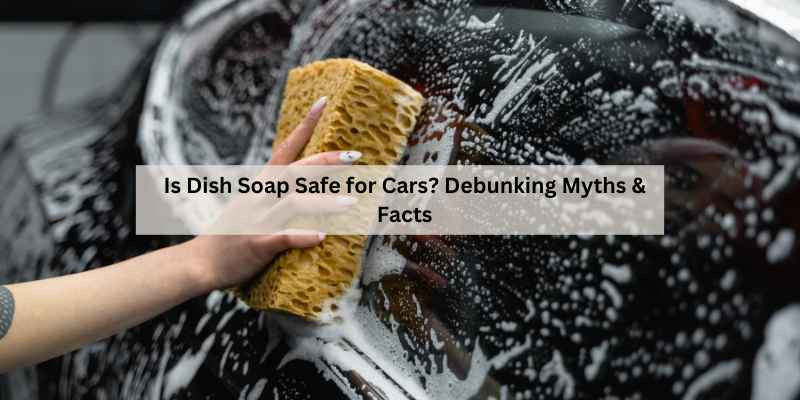
You’re out of car wash soap, the bucket is full, and the bottle of Dawn is right there under the sink. It’s soap. Water. How different can it really be? Plenty, as it turns out. That squeeze of dish liquid can undo months of paint protection in a single wash, and the damage shows up slowly — faded paint, dry trim, water spots that etch in faster than they should.
This article walks through the chemistry, the real-world damage, and the few situations where dish soap actually makes sense. You’ll also see the cost difference spelled out in dollars, not vague warnings, so you can decide with your wallet and your paint’s clear coat in mind.

Meguiar's
Meguiar's Deep Crystal Car Wash, 64 oz
- PH BALANCED CAR WASH SOAP: pH balanced car wash shampoo gently cleans dirt, grime, and road contaminants while helping preserve yo…
- LIFTS DIRT & GRIME: Rich car wash foam creates lubricating suds that help lift away loose dirt, grime, and environmental contamina…
- STREAK-FREE SHINE: This non-streaking car wash formula quickly cleans away dirt and grime while enhancing automotive paint for a c…
One quick fix for most readers: keep a dedicated car wash shampoo in the garage. Something like Meguiar’s Deep Crystal Car Wash is pH-neutral, so it cleans without stripping your wax or sealant. It’s a small purchase that saves you from repainting or re-coating down the road.
The Short Answer: Why Experts Say No
Dish soap is a degreaser. It’s engineered to break down oils and fats on plates, not to protect automotive clear coat. The surfactants in dish soap are much stronger than those in car wash shampoo, and they pull apart the wax or sealant molecules on your paint. One wash won’t ruin a car, but it will strip most traditional waxes. A few washes and your paint is completely unprotected.
Car wash soap, on the other hand, uses milder surfactants that lift dirt without attacking the protective layer. That’s the core difference. It’s not about marketing — it’s about pH balance and the specific chemical job each product was made for.
So the honest answer: no, dish soap is not safe for cars if you care about your finish. It’s safe for the paint itself in the short term — it won’t dissolve the clear coat — but it leaves you exposed to UV rays, bird droppings, tree sap, and all the other things that cause paint oxidation and permanent staining.
The Chemistry: Degreasers vs. pH-Balanced Surfactants
Let’s get specific. Dish soap sits at a pH of around 8 to 10, depending on the brand. Car wash shampoos are formulated to be pH-neutral, usually between 6.5 and 7.5. That might not sound like a big gap, but on a chemical level it’s the difference between a gentle cleaner and a solvent.
Alkaline solutions (high pH) are excellent at breaking down oils. That’s why dish soap works so well on greasy pans. But automotive waxes and sealants are also oil-based or polymer-based. The same chemistry that cuts through bacon grease dissolves your carnauba wax or synthetic sealant. It doesn’t happen all at once — it happens gradually, wash after wash, until the protective layer is gone.
Car wash soap uses amphoteric surfactants. These molecules have both a water-loving and an oil-loving end, so they encapsulate dirt and lift it off the surface without needing a high pH. The result is a clean car that still has its protection intact. That’s the entire point of a dedicated automotive detergent.
The Real Damage: What Dish Soap Does to Your Paint, Wax, and Trim
Stripping Wax and Sealants
This is the big one. A single wash with dish soap can strip a traditional carnauba wax completely. Synthetic sealants might survive one or two washes, but they’ll degrade faster than they should. If you’ve spent an afternoon waxing your car, one dish soap wash can erase that work in about twenty minutes.
You’ll notice the difference in how water behaves on the paint. Before, water beaded up and rolled off. After a dish soap wash, water sheets flat and leaves big wet spots. That’s your wax gone. The paint is now naked and vulnerable to UV damage, acid rain, and environmental fallout.
Drying Out Rubber and Plastics
Dish soap doesn’t just affect paint. It also strips the natural oils from rubber trim, weatherstripping, and plastic cladding. Those parts fade to a gray, chalky color over time. Once that happens, you need a trim restorer to bring them back, and even then, the effect is temporary.
I’ve seen cars where the owner used dish soap for a year. The rubber around the windows looked dry and cracked, and the plastic trim had a dull, milky haze. No amount of dressing could fully reverse it. The only fix was replacing the trim pieces, which costs far more than a bottle of proper car soap.
The Myth of “Suds” and Lubrication
People assume more foam means better cleaning. It doesn’t. Suds are mostly cosmetic. Dish soap produces thick, fluffy foam because of added foaming agents — not because it’s doing a better job. In fact, those foaming agents can reduce lubricity, which is the slippery quality that lets dirt slide off without scratching.
Car wash shampoos are designed with lubricating polymers. These create a slick barrier between the wash mitt and the paint, so trapped grit doesn’t cause swirl marks. Dish soap has almost no lubricity. You’re essentially dragging dirt across your clear coat with a dry-ish mitt. That’s how you get those fine spiderweb scratches you see in bright sunlight.
So no, more suds is not a sign of a better wash. It’s a sign of a product designed for dishes, not cars.
The Only Exception: When Dish Soap is Acceptable
The “Prep Wash” for New Coatings
There’s one legitimate use for dish soap in detailing: stripping old wax before applying a new ceramic coating or sealant. Ceramic coatings need a completely bare surface to bond properly. Any leftover wax or sealant will prevent the coating from adhering, and it’ll fail within months.
In that case, a dish soap wash is a deliberate step. You want to remove all protection. Just follow up with an alcohol-based panel wipe or a dedicated paint prep spray to remove any residue the soap leaves behind.
But this is a planned, one-time event — not your regular maintenance wash. Once the new coating is applied, switch back to pH-neutral car wash soap immediately.
The Emergency Protocol (If You Have No Other Choice)
Say you’re on a road trip, the car is covered in bugs and tree sap, and the only thing available is dish soap. It happens. Here’s how to minimize the damage:
- Use the smallest amount possible — a single drop per gallon of water, not a squirt.
- Wash in the shade, and work one panel at a time so the soap doesn’t dry on the paint.
- Rinse thoroughly with a hose or pressure washer. Soap residue left to dry will etch into the clear coat.
- Dry immediately with a clean microfiber towel to prevent water spots.
- Re-apply wax or sealant as soon as you get home. Don’t wait a week — the paint is unprotected right now.
This protocol won’t save your wax, but it will prevent the worst of the damage. Consider it a temporary fix, not a habit.
The Cost Argument: Why Car Soap is Cheaper Than You Think
Let’s talk money. A bottle of dish soap costs about $3 and lasts for months of dishwashing. A bottle of car wash soap costs $10 to $15 and lasts for dozens of washes. Per wash, the difference is maybe 50 cents. That’s it. Pennies per bucket.
Now look at the cost of fixing what dish soap does. A professional wax job runs $50 to $150. A ceramic coating install is $500 to $2,000. Repainting a hood or fender due to UV damage and oxidation? That’s $300 to $800 per panel. Even just replacing faded rubber trim on a single door costs more than a year’s supply of proper car soap.
So the math is brutally simple. You save about $10 per year by using dish soap. You risk hundreds of dollars in paint degradation, trim replacement, and lost protection. The risk-reward ratio is absurd. Spend the $12 on a real car wash shampoo and stop thinking about it.
If you want a solid option, Meguiar’s Deep Crystal Car Wash (64 oz) is a good pick. It’s pH-neutral, so it won’t strip your wax, and it produces long-lasting suds that actually lubricate the paint. It’s not the cheapest, but it’s not expensive either, and it does exactly what it’s supposed to do.
The Impact on Modern Protection: Ceramic, Graphene, and PPF
Modern paint protection has changed the conversation. Ceramic coatings and graphene coatings are far more durable than traditional wax, but they’re not immune to harsh chemicals. Dish soap won’t strip a quality ceramic coating in one wash — those are designed to withstand alkaline cleaners. But repeated use can degrade the coating’s hydrophobic properties over time.
You’ll notice water beading less and less. The coating starts to look dull. Eventually, it fails prematurely, and you’re back to square one with a bare paint surface. Given that a ceramic coating costs several hundred dollars, ruining it to save 50 cents per wash is financial malpractice.
Paint Protection Film (PPF) and vinyl wraps are a different story. Dish soap is especially bad for these. The strong surfactants can seep into the edges of the film and cause it to peel or lift. The adhesive breaks down, and you get bubbles or curling edges. Vinyl wraps are also prone to staining from dish soap residue, which is nearly impossible to remove once it’s set in.
So if you have PPF or a wrap, do not use dish soap. Ever. The repair cost is a full re-wrap, which runs $2,000 or more. A bottle of pH-neutral car wash soap is not an optional accessory — it’s a requirement.
The Best Alternatives (and What to Avoid)
Top Pick: pH-Neutral Car Wash Soap
This is the category you want. Look for a product that explicitly states “pH-neutral” on the label. That guarantees it won’t strip wax or sealants. Brands like Meguiar’s, Chemical Guys, and Adam’s Polishes all make solid options. The Meguiar’s Deep Crystal Car Wash mentioned earlier is a great starting point — it’s gentle, foams well, and rinses clean without leaving streaks.
The “Better Than Nothing” Emergency Options
If you truly have nothing else, a few household products are less damaging than dish soap:
- Baby shampoo: It’s pH-balanced and much milder than dish soap. Use a tiny amount — about a teaspoon per bucket. It won’t strip wax as aggressively, but it also won’t clean heavy grime well.
- Hair shampoo (gentle, sulfate-free): Similar to baby shampoo. Avoid anything with “clarifying” on the label, as those are designed to strip buildup.
- Plain water and a microfiber towel: For light dust, this is actually safer than any soap. Just don’t rub hard — you’ll scratch the paint.
What you should avoid: vinegar, all-purpose spray cleaner, and any product with bleach or ammonia. Vinegar is acidic and will etch clear coat. All-purpose cleaners are too aggressive and will strip everything, including your trim’s color. Bleach is an absolute no-go — it will permanently discolor paint and damage rubber.
Step-by-Step: How to Fix Your Paint After Using Dish Soap
So you already used dish soap. Maybe a few times. Here’s how to get your paint back to a protected state.
- Wash properly with car wash soap. Use the two-bucket method: one bucket for soapy water, one for rinsing your mitt. This prevents dirt from being dragged back onto the paint.
- Dry with a clean microfiber towel. Pat dry, don’t wipe. This minimizes the chance of introducing new scratches.
- Check the paint’s condition. Run your hand over the surface. If it feels rough, you have embedded contaminants. A clay bar treatment will smooth it out before you apply protection.
- Apply a fresh layer of wax or sealant. This is non-negotiable. Your paint is naked right now. A good synthetic sealant will last 3-6 months. A carnauba wax will last 4-8 weeks.
- If you’re planning a ceramic coating, skip the wax and go straight to the coating prep. Follow the manufacturer’s instructions for panel wiping before application.
- Going forward, stick to pH-neutral car wash soap. Your paint will thank you in five years when it still looks deep and glossy instead of faded and chalky.
One more tip: check your wash mitt for damage. Dish soap can degrade the foam or microfiber material over time. If the mitt feels stiff or looks frayed, replace it. A $5 mitt is cheaper than a paint correction.
Frequently Asked Questions
Will one dish soap wash ruin my car’s paint?
No, one wash won’t ruin the paint itself. The clear coat is durable enough to survive a single exposure to a degreaser. What it will do is strip most traditional waxes and sealants. You’ll lose your protection, and the paint becomes more vulnerable to UV rays and contaminants. If it was a one-time thing, just re-wax and move on.
Can dish soap remove tree sap and bird droppings?
It can help, but it’s not the best tool. Tree sap and bird droppings are acidic and sticky. Dish soap’s degreasers will break down the sap, but the acidity of the droppings can etch the clear coat even after the soap is rinsed off. For these, use a dedicated bug and tar remover, or gently soften the sap with a warm, damp microfiber towel before washing.
Is it safe to use dish soap on a ceramic-coated car?
Not recommended. While a quality ceramic coating can withstand a few washes with harsh soap, repeated use will degrade the hydrophobic layer. You’ll notice water beading less and less. Stick to pH-neutral car wash soap to preserve the coating’s lifespan. If you’ve already used dish soap, re-applying a ceramic spray booster can help restore some of the slickness.
What’s the difference between car wash soap and dish soap for cleaning wheels?
Wheels are a different story. Brake dust is harsh and acidic, and dish soap can actually be useful on wheels because it cuts through the grime. But be careful — if you have coated wheels (clear-coated or ceramic-coated), dish soap will strip that protection and leave the metal exposed to corrosion. For coated wheels, use a dedicated wheel cleaner that’s pH-neutral. For bare aluminum or steel wheels, dish soap is a fine occasional choice.
Can I use dish soap in a foam cannon?
You can, but you shouldn’t. Dish soap in a foam cannon will produce thick, dramatic foam, but it lacks the lubricating properties of car wash soap. The foam will strip your wax and dry out your rubber trim. Plus, the degreasers can damage the foam cannon’s internal seals over time. Use a car wash soap specifically designed for foam cannons — it’ll produce plenty of foam and actually protect your paint.
Final Verdict: Is It Worth the Risk?
Let’s be blunt. Dish soap saves you maybe 50 cents per wash. It costs you wax, sealant, trim longevity, and potentially your clear coat’s clarity over time. The numbers don’t lie. A $12 bottle of car wash soap is one of the cheapest insurance policies you can buy for your car’s finish.
Here’s what to remember:
- Dish soap is a degreaser, not a car cleaner. It strips wax and sealants every time you use it.
- More suds doesn’t mean better cleaning. Car wash soap uses lubricants that prevent scratches — dish soap doesn’t.
- Rubber trim and plastic cladding dry out and fade faster with dish soap. Replacement costs far exceed any savings.
- PPF and vinyl wraps are especially vulnerable. Dish soap can lift edges and stain the film.
- Ceramic coatings aren’t immune either. Repeated use degrades their hydrophobic properties.
- The only good use for dish soap is a deliberate prep wash before applying a new coating.
- If you must use it in an emergency, use a tiny amount, rinse thoroughly, and re-apply wax immediately afterward.
Your car’s paint is a multi-thousand-dollar investment. Protect it with the right tools. Keep a bottle of pH-neutral car wash soap in the garage, and leave the Dawn under the sink where it belongs.
Products related to this article
Sponsored / affiliate links. As an Amazon Associate I earn from qualifying purchases. I may earn additional commission from eligible campaigns.
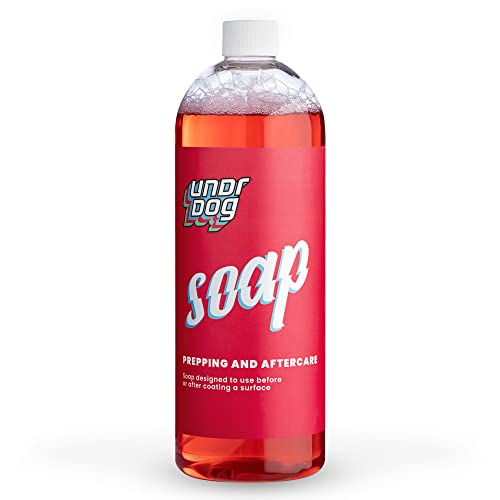 Undrdog Car Wash Soap, Foam Cannon Soap For Pressure Washer, Cleaner Detailing Supplies, Foam Gun Soap For Cars, Motorcycles, Trucks, Boats, 8, 16, 32oz (32oz)
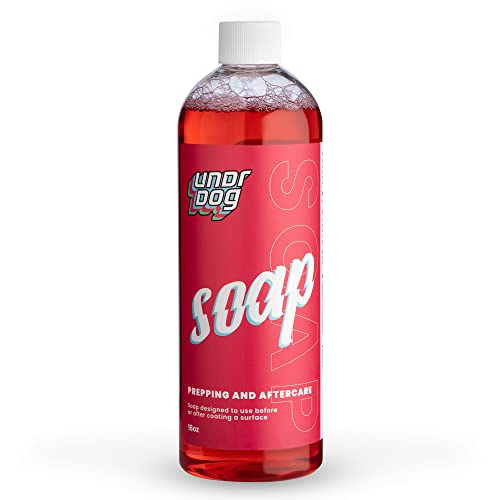 Undrdog Car Wash Soap, Foam Cannon Soap For Pressure Washer, Cleaner Detailing Supplies, Foam Gun Soap For Cars, Motorcycles, Trucks, Boats, 8, 16, 32oz (16oz)