Is It Bad to Drive a Car That Burns Oil? Essential Guide
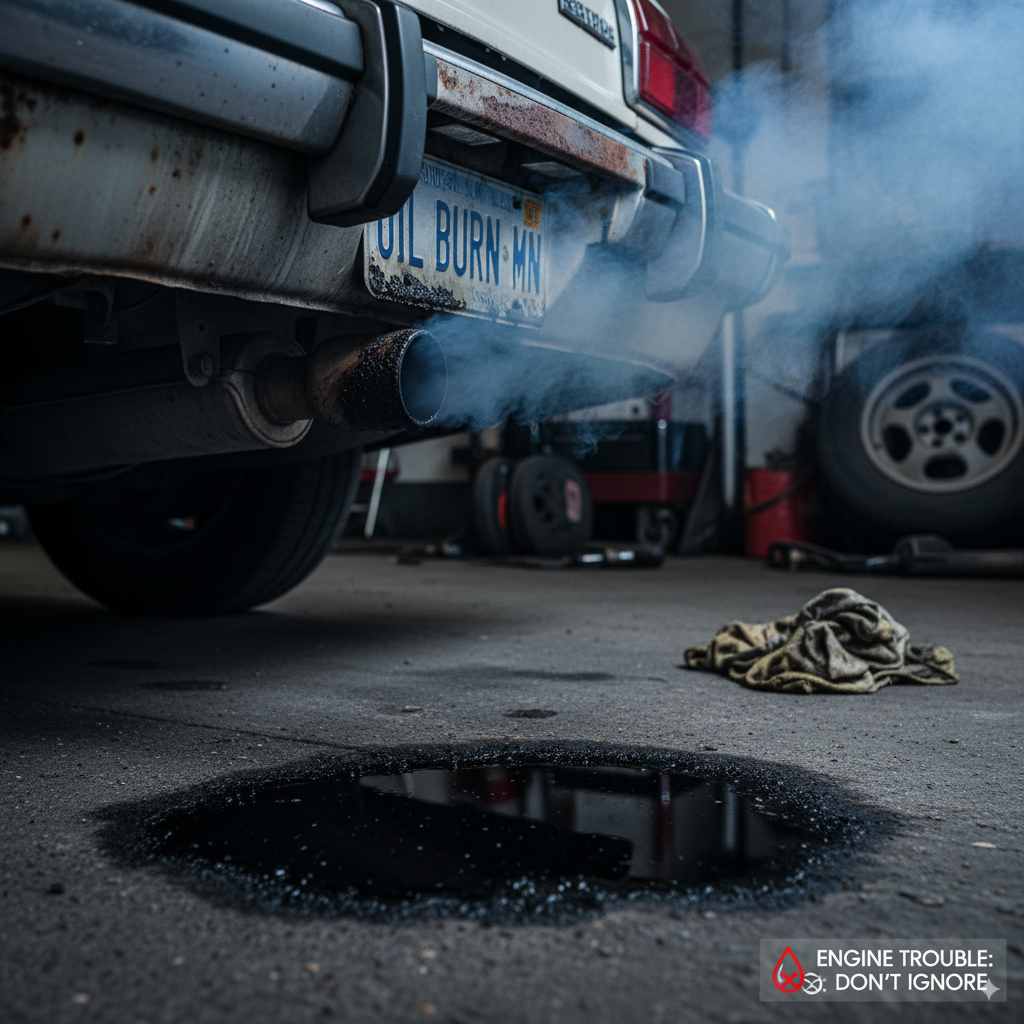
Driving a car that burns oil isn’t ideal and can lead to serious engine damage if ignored. Addressing the oil consumption early can save you money and prevent costly repairs. This guide will help you understand why it happens and what to do about it.
Is It Bad to Drive a Car That Burns Oil? Your Essential Guide
Does your car seem to be drinking oil more than usual? Seeing the oil light flicker or needing to top up your oil frequently can be a confusing and even worrying experience for many drivers. You might wonder, “Is it really that bad if my car burns oil, or can I just keep adding more?” It’s a common question, and the good news is, with a little understanding, you can figure out what’s going on. This guide is here to break down exactly why your car might be burning oil, what the risks are, and how you can tackle the problem without feeling overwhelmed.
We’ll walk through the common reasons behind oil consumption and explain, in simple terms, why it matters to your car’s health. By the end, you’ll feel more confident in understanding your vehicle’s needs and making smart decisions to keep it running smoothly for years to come.
What Does It Mean When a Car “Burns Oil”?
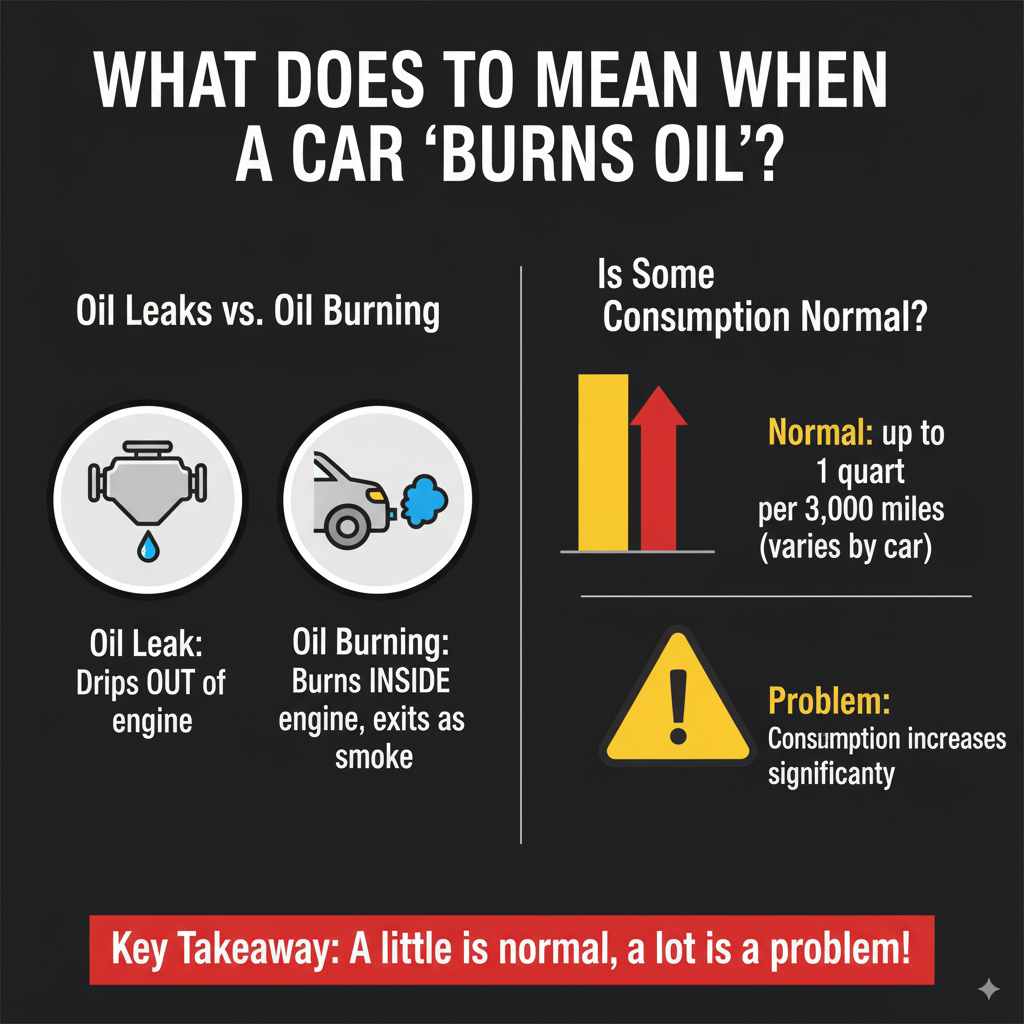
When we say a car is “burning oil,” it means that a small amount of engine oil is making its way into the combustion chambers. Here, it mixes with the fuel and air, and is then burned and expelled through the exhaust. This is different from an oil leak, where oil drips out of the engine onto the ground.
A little bit of oil consumption is perfectly normal for most engines, especially as they age. Car manufacturers often have an acceptable level of oil usage per certain mileage. For example, some might consider using up to one quart of oil every 3,000 miles to be within normal parameters. However, when this consumption increases significantly, it signals a problem that needs attention.
Why Is My Car Burning So Much Oil? Common Causes
Several things can cause your car to burn more oil than it should. Understanding these reasons can help nail down the problem.
1. Worn Piston Rings
Piston rings are metal rings that fit around the pistons inside your engine. Their job is to create a seal between the piston and the cylinder wall. This seal is crucial for keeping oil in the crankcase and out of the combustion chamber. Over time and with wear, these rings can become less tight or get damaged. When this happens, oil can seep past the rings and into the area where the fuel and air are mixed, leading to oil burning.
2. Worn Valve Seals and Guides
The valves in your engine open and close to let fuel/air in and exhaust gases out. They slide through valve guides and have seals to prevent oil from leaking down the valve stems and into the combustion chamber. If these seals dry out, crack, or become worn, oil can easily enter the combustion area. This often results in blue smoke from the exhaust, especially when you first start the car or after it’s been idling for a while.
3. PCV System Issues (Positive Crankcase Ventilation)
Your engine creates pressure inside the crankcase from combustion gases that blow past the piston rings. The PCV system is designed to vent this pressure safely and recirculate the gases back into the intake system to be burned. If the PCV valve or the hoses connected to it get clogged or fail, this pressure can build up. This excess pressure can force oil past seals and gaskets, and also push oil into the intake system, contributing to oil burning.
4. Worn Engine Gaskets and Seals
Engines have many gaskets and seals that keep oil contained. Over time, these rubber or cork components can harden, shrink, or crack due to heat and age. A common culprit is a blown head gasket, which can allow oil to enter the combustion chamber or coolant passages. Other seals, like camshaft or crankshaft seals, can also fail and lead to oil leaks or consumption.
5. Engine Damage or Overheating
Severe engine problems, such as a cracked engine block or cylinder head, can directly lead to oil entering the combustion chambers. Prolonged overheating can also damage engine components and seals, leading to increased oil consumption over time.
It’s important to note that some oil burning can also be exacerbated by driving habits or using the wrong type of oil, though these are usually secondary to mechanical wear. For instance, driving aggressively or for very short trips can sometimes lead to slightly higher oil consumption. Using oil that is too thin for your engine can also contribute.
Is It Bad to Drive a Car That Burns Oil? The Risks Involved
While you might be tempted to just keep adding oil, driving a car that burns a significant amount of oil is generally a bad idea. Here’s why:
1. Engine Damage and Premature Wear
The most significant risk is further damage to your engine. When oil burns, it leaves behind carbon deposits. These deposits can build up on engine parts like piston tops, valves, spark plugs, and catalytic converters. This buildup can interfere with how these parts function, leading to:
- Reduced engine performance and power.
- Misfires and rough idling.
- Increased fuel consumption.
- Damage to the catalytic converter (a very expensive repair).
- Internal engine parts wearing out faster.
If the oil level gets too low because it’s being burned, the engine can run with insufficient lubrication. This lack of lubrication is catastrophic and can lead to seized pistons, damaged bearings, and complete engine failure. This is why keeping an eye on your oil level and fixing the root cause is crucial.
2. Environmental Impact
Burning oil means your car is releasing more pollutants into the atmosphere. Oil contains various chemicals that contribute to smog and air pollution. While it might seem like a small amount per car, collectively, vehicle emissions have a significant impact on air quality and the environment.
3. Costly Repairs Down the Line
Ignoring oil burning can turn a potentially manageable issue into a very expensive one. For example, a clogged catalytic converter due to excessive oil burning can cost hundreds or even thousands of dollars to replace. If the engine suffers severe damage from lack of oil, a full engine rebuild or replacement might be necessary, which is one of the most expensive car repairs possible.
4. Decreased Reliability and Potential Stalling
An engine that isn’t running efficiently due to oil burning or lacks lubrication is less reliable. You might experience unexpected breakdowns, stalling, or the car refusing to start. This can be inconvenient at best and dangerous at worst, especially if it happens while driving.
How to Tell If Your Car is Burning Oil
Look out for these signs:
- Blue Smoke from the Exhaust: This is the most common indicator. The smoke often smells different, like burning oil or plastic. It might be more noticeable when you start the car, accelerate, or when you lift off the accelerator.
- Low Oil Level: If you’re checking your oil dipstick more often than you used to, and the level is dropping significantly between changes, your car is consuming oil.
- Oil Residue on Spark Plugs: If a mechanic pulls your spark plugs, they might see oil fouling on them.
- Engine Performance Issues: Sluggish acceleration, rough idling, or reduced power can be symptoms of internal engine problems related to oil.
- “Check Engine” Light or Oil Pressure Light: While these lights can indicate many things, a sudden drop in oil level or severe engine issues due to oil burning can trigger them.
What You Can Do: Step-by-Step Troubleshooting
Don’t panic if you suspect your car is burning oil. Here’s a practical approach to figure things out.
Step 1: Check Your Oil Level Regularly
This is the most crucial first step. Get into the habit of checking your oil level at least once a month, and more often if you suspect a problem or if your car is older.
- Make sure your car is parked on a level surface.
- Turn off the engine and wait 5-10 minutes for the oil to drain back into the oil pan. Some people prefer to check when the engine is cold, others after it’s warmed up but off. Both work, just be consistent.
- Pull out the dipstick, wipe it clean with a rag, and reinsert it fully.
- Pull it out again and check the oil level. It should be between the “MIN” and “MAX” or “ADD” and “FULL” marks.
Step 2: Monitor for Blue Smoke
Pay attention to your exhaust, especially when you start the car or during different driving conditions. A persistent blue haze is a strong indicator of burning oil.
Step 3: Note When the Smoke Appears
- Startup Smoke: If you see blue smoke right after starting the engine, it often points to worn valve seals that allow oil to drip into the cylinders while the engine is off. This oil burns off quickly.
- During Driving/Acceleration: Smoke during acceleration can suggest worn piston rings or issues with the PCV system forcing oil into the combustion chamber.
- After Deceleration: If you see smoke when you let off the gas pedal, it might be due to worn valve guides.
Step 4: Check Your Owner’s Manual
Your car’s owner’s manual is a treasure trove of information. Look for the section on maintenance and fluid checks. It will tell you the correct type and viscosity of oil for your car, and often, what is considered normal oil consumption.
You can find your owner’s manual online, often through the car manufacturer’s website if you don’t have a physical copy. Sites like Edmunds often have a database of owner’s manuals.
Step 5: Consider Your Oil Type and Change Interval
Are you using the correct oil recommended by your manufacturer? Using oil that is too thin (lower viscosity number, like 5W-20 instead of 5W-30) can sometimes lead to increased oil consumption, especially in older engines or hot climates. Also, ensure you’re not stretching your oil change intervals too far; old, degraded oil can lose its protective properties and lead to further wear.
Step 6: Investigate the PCV System
The PCV valve is a small, inexpensive part that can be a major culprit. A clogged PCV valve disrupts the engine’s breathing. Depending on your car, a mechanic can test or replace this part relatively easily. Sometimes, you can even find online guides specific to your car model on how to check or replace it yourself. For more information on PCV systems, you can refer to resources like Repair Smart.
Step 7: Consult a Trusted Mechanic
If you’ve checked the oil, noticed smoke, and aren’t sure where to go next, it’s time to get a professional opinion. A good mechanic can perform diagnostic tests to pinpoint the source of the oil burning. They can check for:
- Leak-down tests to assess piston ring and valve seal integrity.
- Compression tests to measure cylinder pressure.
- Visual inspection of engine components for leaks or damage.
- Proper functioning of the PCV system.
Don’t hesitate to get a second opinion if you feel unsure about a recommended repair. Understanding the issue is key to making informed decisions.
Common Solutions and What to Expect
The solution depends entirely on the cause of the oil burning.
| Cause of Oil Burning | Typical Solution | Estimated Cost (Variable) | DIY Potential |
|---|---|---|---|
| Worn Piston Rings / Valve Seals | Engine rebuild or replacement | $3,000 – $10,000+ | No |
| Faulty PCV Valve / Hose | Replace PCV valve and/or hoses | $50 – $200 | Yes (often) |
| Leaking Gaskets/Seals (e.g., valve cover gasket) | Replace gaskets and seals | $200 – $800 | Yes (for some) |
| Incorrect Oil Type/Viscosity | Change to recommended oil | Cost of oil change ($50 – $100) | Yes |
| Overdue Oil Changes | Perform an oil change | Cost of oil change ($50 – $100) | Yes |
Note: Costs are estimates and can vary greatly depending on your location, the specific vehicle, and the mechanic’s labor rates. For major engine repairs, always get detailed quotes.
Temporary Fixes vs. Permanent Solutions
Some people try “oil consumption additives” or “stop-leak” products. While these might offer a temporary, minor reduction in oil burning for very small leaks or slightly worn seals, they are rarely a permanent fix. They do not repair worn mechanical parts. Relying on them can mask a serious problem and lead to more significant damage later on. It’s always best to address the root cause.
Can You Drive a Car That Burns Oil Temporarily?
If you need to drive your car for a short period while you arrange a repair, always keep your oil level topped up to the full mark. Running your engine low on oil is the fastest way to cause severe, irreversible damage. For example, if you have a road trip planned or are waiting for a mechanic appointment, diligently checking and adding oil before each significant drive is essential.
However, this is only a temporary solution. If you notice significant blue smoke, a rapidly dropping oil level, or any warning lights on your dashboard, it’s best to stop driving the vehicle and have it towed to a mechanic. Continuing to drive under these conditions could lead to catastrophic engine failure, turning a repairable issue into a totaled car.
Preventing Future Oil Consumption Issues
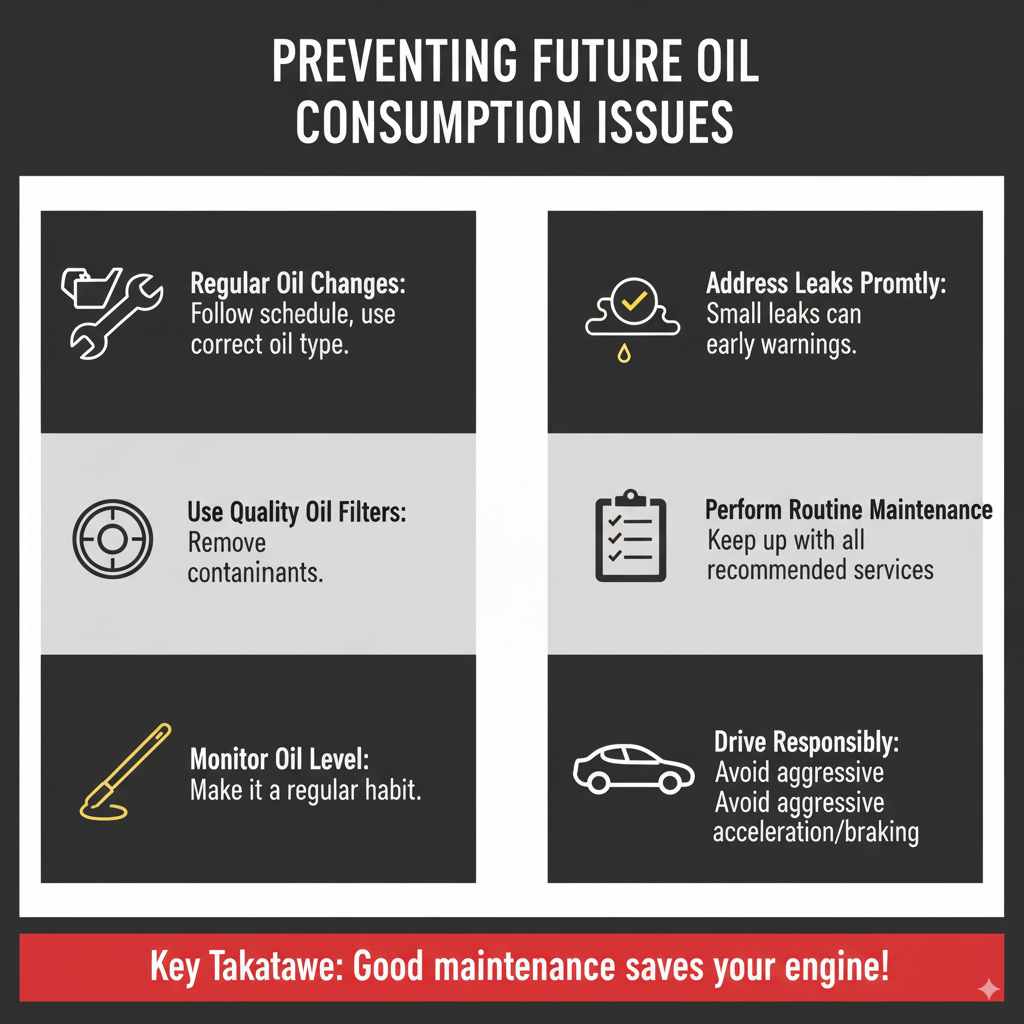
While some wear and tear are inevitable, you can help minimize oil consumption issues with good maintenance practices:
- Regular Oil Changes: Follow your manufacturer’s recommended oil change schedule. Use the correct type and viscosity of oil, as specified in your owner’s manual. Fresh oil lubricates better and keeps engine components cleaner.
- Use Quality Oil Filters: A good oil filter helps remove contaminants that can accelerate engine wear.
- Monitor Oil Level: Make checking your oil a regular habit, not just when you notice a problem.
- Address Leaks Promptly: If you notice oil spots under your car, get them checked out. Small leaks can sometimes be early warnings of more significant issues.
- Perform Routine Maintenance: Keep up with all recommended maintenance, such as spark plug changes, air filter replacements, and PCV system checks.
- Drive Responsibly: Avoid excessively aggressive driving, which can put more stress on engine components over time.
Proper maintenance, as detailed by organizations like the Car Care Council, can significantly extend the life of your engine and prevent many common problems.
Frequently Asked Questions (FAQ)
Q1: How much oil consumption is normal for a car?
A: Most manufacturers consider using up to one quart of oil every 3,000 to 5,000 miles as normal, especially for engines with higher mileage. Check your owner’s manual for specifications specific to your vehicle. If you’re using significantly more than that, it’s a cause for concern.
Q2: Will using a thicker oil stop my car from burning oil?
A: Sometimes, using a slightly thicker oil (e.g., 5W-30 instead of 5W-20, if your manual allows for a range) can help reduce oil consumption in older engines by creating a better seal with worn parts. However, it’s not a permanent fix and should only be done if it’s within your car’s recommended specifications. Using an oil that is too thick can cause other problems.
Q3: Can a simple oil change fix oil burning issues?
A: A simple oil change with the correct, high-quality oil and filter can help maintain engine health and might slightly reduce consumption if the previous oil was very old or degraded. However, it will not fix mechanical issues like worn piston rings or valve seals.
Q4: Is blue smoke from the exhaust always bad?
A: Yes, persistent blue smoke from your exhaust is almost always a sign that oil is entering your combustion chambers and burning. This indicates an internal engine problem that needs to be addressed.