Is It Cheaper To Book A Car Rental In Advance? Yes, But…
You’re planning a trip, and the excitement is building! You’ve booked your flights, maybe even your hotel. Now comes the car rental.
You might be wondering, “Is it cheaper to book a car rental in advance?” It’s a common question, and the short answer is usually yes. But, like many things, there’s more to the story than a simple yes or no.
When you book ahead, you often lock in a price. This can be great. It also means you have one less thing to stress about when you get to your destination.
However, prices can change. Sometimes, waiting might get you a better deal. Other times, booking late can mean paying a lot more.
Let’s dive into how car rental pricing really works.
Booking a car rental in advance is generally cheaper than booking at the last minute. This is because rental companies often reward early bookings with lower rates and better availability. However, the cheapest option isn’t always guaranteed, and prices can fluctuate based on demand, location, and specific rental company policies.
Understanding How Car Rental Prices Work
Car rental pricing is a bit like airline tickets. It’s not a fixed number. Many things can make the price go up or down.
Rental companies use smart systems. These systems watch demand very closely. They also watch how many cars are available at each location.
When a popular time is coming up, like holidays or big events, demand shoots up. If many people want cars, prices rise. The more people who book early, the fewer cars are left.
This scarcity drives prices higher for those who wait. Think of it like a popular concert; tickets are cheap months before, but last-minute ones can cost a fortune.
Location also plays a huge role. Airports are usually more expensive than downtown locations. This is due to higher operating costs for the rental company.
Airport taxes and fees add to the bill too. Smaller cities or less-trafficked areas might have lower rates because there’s less demand.
The type of car you want matters a lot. A small, economy car will always be cheaper than a large SUV or a luxury sedan. The longer you need the car, the more the total cost adds up.
Daily rates can look okay, but a two-week rental adds up quickly. Insurance options and extra features like GPS or child seats also increase the price.

My Own Car Rental Booking Surprise
I remember planning a trip to see my family in Florida a few years back. It was around Thanksgiving. I figured I had plenty of time to book my rental car.
I waited until about three weeks before I was supposed to fly. I logged onto my favorite booking site, ready to grab a decent sedan.
What I saw made my jaw drop. The prices for a standard car were nearly double what I expected. I felt a knot in my stomach.
I started clicking around, looking at different dates, different companies. Nothing was much better. It was a Sunday evening, and I could already feel the panic rising.
That was the moment I truly learned about booking car rentals early.
I ended up having to book a slightly larger car than I wanted. It was still more expensive than I planned. But it was cheaper than not having a car at all.
That experience taught me a valuable lesson. For popular times or places, booking way ahead is key. It’s not just about saving a few dollars.
It’s about actually getting a car at a reasonable price. It also saves you a lot of stress.
Why Booking Ahead Helps Most
Locks in Rates: When you book early, you often secure the current rate. If prices go up later, you’re protected. You’ve already agreed to a lower price.
Wider Selection: Popular cars and car types get booked quickly. Booking in advance ensures you get the vehicle that fits your needs and budget.
Less Stress: You can check off a major travel task early. This frees up your mind for other important trip planning. No last-minute scramble!
The Factors That Influence Rental Prices
Several elements work together to set the price you see. Understanding these can help you find the best deal. It’s not just about the car itself.
It’s about the whole picture.
Demand and Supply Dynamics
This is the biggest driver. When more people want cars than there are cars available, prices climb. This happens during:
- Major holidays (Christmas, Easter, July 4th)
- School breaks (summer, spring break)
- Large local events (festivals, conferences, sports games)
In these times, booking months ahead is often necessary. For off-peak seasons, you might have more wiggle room.
Time of Year and Seasonality
Tourist seasons mean higher demand. Think summer in beach towns or ski resorts in winter. Rental companies know this.
They adjust their prices to match. Traveling during the shoulder seasons (the periods between peak and off-peak) can offer a sweet spot for lower prices and fewer crowds.
Location, Location, Location
As mentioned, airport rentals usually cost more. This is because of fees and taxes imposed by the airport authority. They also need to cover the cost of having a presence there.
Off-airport locations might have lower rates. But you’ll need to factor in the cost and time to get there. For example, a rental car in downtown Chicago might be cheaper per day than at O’Hare International Airport.
But you’ll need to take a train or bus to the downtown branch.
Rental Company Policies
Each company has its own pricing strategy. Some focus on budget travelers with low base rates. Others cater to a premium market.
Loyalty programs can offer discounts. Checking multiple companies is always a good idea. Small, local agencies might sometimes have better deals than big national brands, especially if you’re not at an airport.
Car Class and Features
The basic economy car is the cheapest. Upgrading to an intermediate, standard, full-size, or premium car costs more. Vans, SUVs, and luxury vehicles are in higher price tiers.
Adding extras like satellite navigation, child seats, or insurance packages also adds to the total cost. Sometimes, booking these extras with the car can be cheaper than arranging them separately.
Duration of Rental
Longer rentals sometimes get a slight discount per day. However, the total cost will obviously be higher. Short weekend rentals can sometimes be more expensive per day than a week-long rental.
This is because companies want to maximize their car usage. They might offer a package deal for longer periods.
Is Booking in Advance Always the Cheapest? The Nuances
While the general rule is “book early,” it’s not a hard and fast law for every single situation. There are times when flexibility can pay off, or when booking early doesn’t guarantee the absolute lowest price.
Price Drops and Discount Codes
Rental car companies sometimes have flash sales or offer discount codes. If you booked far in advance, you might miss out on these. However, many booking sites and rental companies allow you to change your reservation.
If you see a significant price drop after you’ve booked, you can often rebook at the lower rate. You just need to be diligent about checking. It requires a bit of active management of your booking.
I’ve done this a few times. I’ll book a car months ahead. Then, a few weeks before my trip, I’ll check the prices again.
If there’s a substantial difference, I cancel my old booking and make a new one. You have to be quick, as these deals can disappear fast.
Last-Minute Deals (Rare but Possible)
Occasionally, if a rental company has a surplus of cars at a certain location, they might offer last-minute deals to fill them. This is rare, especially in busy seasons or at airports. It’s a risky strategy to rely on this.
You could end up with no car or a very expensive one. This is more likely for less popular car types or during very slow periods.
Comparison Shopping is Key
Even when booking in advance, prices can vary wildly between different companies and booking platforms. Don’t just book the first option you see. Use comparison websites.
Check the rental company’s direct website too. Sometimes they have exclusive deals or better terms. Look at the full price, including all fees and taxes, before making a decision.
Myth vs. Reality: Car Rental Booking
Myth: Booking at the airport is always most convenient.
Reality: While convenient, it’s usually more expensive. Factor in travel time to off-airport locations versus higher daily rates.
Myth: The biggest rental companies always have the best prices.
Reality: Smaller, local agencies or regional providers can sometimes offer significant savings, especially outside major tourist hubs.
Myth: You must accept the first insurance offer.
Reality: Your personal auto insurance or credit card might already cover rental car damage. Always check your existing coverage first.
When Booking in Advance is Essential
There are certain times and situations where booking your rental car well in advance isn’t just smart; it’s absolutely necessary to secure a vehicle at all. Failing to do so can lead to significant problems.
Peak Travel Seasons and Holidays
As we discussed, holidays and peak vacation times are prime examples. Think of Christmas week, the Fourth of July, or spring break. Rental fleets get depleted very quickly during these periods.
If you wait until a month or even a few weeks before, you might find that all the cars are gone, or only very expensive ones are left. I saw this firsthand when trying to book a car for New Year’s Eve in a popular ski town; prices were astronomical, and availability was zero for standard cars.
Popular Destinations During Local Events
Even if it’s not a national holiday, a major local event can cause a surge in demand. This could be a large convention, a music festival, a major sporting event, or even a popular local attraction that draws visitors from afar. If your travel dates coincide with such an event in your destination city, booking early is crucial.
The rental companies know these events bring people in, and they price accordingly.
Limited Rental Availability in Smaller Towns or Remote Areas
In smaller towns or more remote tourist destinations, the number of rental cars available is often limited. There might only be one or two rental branches. If you’re visiting a national park gateway town or a charming but small seaside village, the rental inventory can be small.
Booking in advance ensures you get one of the few available cars. Waiting could leave you stranded or forced to use expensive ride-sharing services or local taxis, if available.
Specialty Vehicles
If you need a specific type of vehicle, like a large passenger van for a family reunion, a convertible for a scenic drive, or a rugged SUV for off-road adventures, these are often in limited supply. They get booked up very quickly. Don’t assume these special vehicles will be available if you wait.
They are usually the first to go, even outside of peak seasons.
Strategies for Finding the Best Rental Car Deals
So, how can you make sure you’re getting the best possible price when booking in advance? It takes a bit of strategy and some smart shopping.
Use Comparison Websites
Websites like Kayak, Expedia, Priceline, and Rentalcars.com are fantastic tools. They pull rates from many different rental companies. This gives you a broad overview of what’s available and at what price.
Always compare prices across at least two or three of these sites.
Check Direct Rental Company Websites
After using comparison sites, it’s wise to visit the websites of the major rental companies directly (Hertz, Avis, Enterprise, Budget, Sixt, etc.). Sometimes they offer deals or loyalty program discounts that aren’t advertised on third-party sites. This is also where you can often find specific discount codes.
Look for Discount Codes and Coupons
Many organizations, employers, and affinity groups have partnerships with rental car companies. This can include AAA, Costco, AARP, alumni associations, or even your employer. Search online for ” coupon codes” or ” car rental discount.” You might be surprised at the savings.
Consider Off-Airport Locations
If you don’t mind a short taxi, bus, or rideshare trip, renting from an off-airport location can save you a significant amount. Research the rental companies located near your destination airport and compare their rates to the airport branches. Just remember to factor in the cost and time of getting to that location.
Be Flexible with Your Car Choice
If your primary goal is the lowest price, be open to renting an economy or compact car. These are almost always the cheapest options. If you need more space, consider if a mid-size car would suffice instead of a full-size SUV.
Sometimes, a slightly smaller car that’s still comfortable is much more affordable.
Quick Scan: Rental Car Booking Tips
Tip: Book refundable rates when possible. This lets you rebook if prices drop.
Tip: Check your credit card benefits. Many cards offer rental car insurance.
Tip: Avoid unnecessary add-ons like GPS if you have a smartphone.
Tip: Read the fuel policy carefully before you pick up the car.
Understanding Insurance and Add-Ons
This is where rental costs can quickly skyrocket if you’re not careful. Rental companies make a lot of money on insurance and optional extras. It’s vital to understand what you need and what you might already have covered.
Collision Damage Waiver (CDW) / Loss Damage Waiver (LDW)
This is the most common and often most expensive waiver. It covers damage to the rental car itself. However, it’s not insurance.
It’s a waiver. Many personal auto insurance policies and some credit cards offer this coverage. Before you rent, call your insurance provider and your credit card company to see what’s covered.
If you have good coverage, you can likely decline this. Declining it can save you $15-$30 or more per day.
Supplemental Liability Insurance (SLI)
This covers damage or injury you cause to other people or their property. Your personal auto insurance usually covers this. If you don’t own a car, or if your policy has low liability limits, you might consider this.
But for most people, it’s an unnecessary expense.
Personal Accident Insurance (PAI) and Personal Effects Coverage (PEC)
PAI covers medical expenses for you and your passengers in case of an accident. PEC covers theft of your personal belongings from the car. These are typically very limited in scope and expensive.
Your health insurance and homeowners/renters insurance often provide better coverage.
GPS Navigation Systems
If you have a smartphone with GPS capabilities and data, you probably don’t need to rent a GPS. Apps like Google Maps or Waze are often more up-to-date and free to use (or use minimal data). However, if you’re traveling internationally where data is expensive, or if you prefer a dedicated device, it might be worth considering.
But compare the rental cost to buying a cheap used GPS unit.
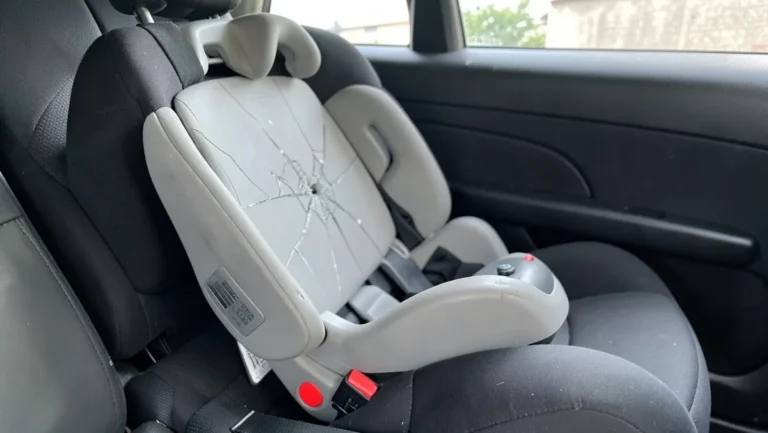
Child Safety Seats
Rental companies charge daily fees for child seats. If you travel frequently with children, buying your own portable seat and bringing it with you can be much more cost-effective. For a short trip, the rental fee might be manageable, but it adds up over a week or more.
Insurance & Add-Ons: What to Ask
Ask: Does my personal auto insurance cover rental cars?
Ask: Does my credit card provide rental car insurance or loss damage waiver?
Ask: What is the daily rate for the Collision Damage Waiver (CDW/LDW)?
Ask: What does the supplemental liability insurance (SLI) cover and what is its cost?
Ask: Are there any fees or taxes not included in the initial quote?
Navigating Fuel Policies
The fuel policy can also be a hidden cost. Rental companies usually offer a few options:
Full to Full
This is the most common and usually the most economical. You pick up the car with a full tank of gas and return it with a full tank. If you don’t return it full, you’ll be charged for the gas, often at a much higher rate than you’d pay at a gas station.
For this to be the best option, make sure there are gas stations conveniently located near the return location.
Prepaid Fuel
With this option, you pay for a full tank of gas upfront at a set price. You can then return the car with an empty tank. This can be convenient, but the price per gallon or liter is often inflated.
Calculate carefully if this is a good deal. If you don’t use all the gas, you won’t get a refund for the unused portion.
Refuel Service
If you choose not to refuel yourself, the rental company will do it for you upon return. This is almost always the most expensive option. They charge a premium for their time and the gas.
It’s generally best to avoid this unless you are severely pressed for time at the return counter and the tank is almost empty.
My advice is almost always to go with the “full to full” option. Just make sure you know where the nearest gas station is before you head to the airport or return lot. I learned that the hard way once, ending up paying a fortune for a few gallons because I underestimated how much gas I’d used on the drive back.
When to Consider Not Booking in Advance
While booking ahead is usually the best bet, there are a few niche scenarios where you might hold off. These are less common but worth knowing.
Very Unpredictable Travel Plans
If your travel dates or destination are completely up in the air, booking far in advance might not make sense. You might want to wait until your plans solidify. However, even then, booking as soon as you know them is usually better than waiting until the last minute.
Off-Season in Less Popular Destinations
If you’re traveling to a place that’s consistently quiet and has low demand year-round, you might find that last-minute deals appear. This is more likely in smaller towns that aren’t tourist hotspots. But again, this is a gamble.
You risk not finding a car or paying a premium.
Using Specific, Last-Minute Discount Platforms
Some websites specialize in last-minute deals for hotels and car rentals. These can sometimes offer significant savings. However, they often come with restrictions, like non-refundable bookings or limited choices.
You need to be comfortable with the terms and conditions.
Overall, the risk of waiting usually outweighs the potential reward. The peace of mind and the likelihood of securing a vehicle at a reasonable price make advance booking the preferred method for most travelers.
What This Means for Your Next Trip
The main takeaway is clear: booking a car rental in advance is generally cheaper and safer. It gives you more options, locks in rates, and reduces stress. However, it’s not a set-it-and-forget-it process.
You still need to be smart about it.
When it’s normal: Booking months ahead for popular destinations during peak season is standard. Comparing prices across multiple platforms and checking for discount codes is also a normal, smart practice.
When to worry: If you’re booking less than two weeks out for a holiday or major event, you should be very worried about availability and price. Also, worry if you’re not checking your existing insurance coverage and are about to accept expensive rental company waivers without question.
Simple checks: Before you book, know your travel dates and destination. Know the type of car you need. Have a rough idea of your budget.
After booking, set a reminder to check prices again closer to your travel date. Also, review your insurance coverage for vehicles.
Quick Fixes & Tips for Saving Money
While not always “fixes” in the sense of changing a broken car, these tips can help you secure better rates and avoid unexpected costs.
- Book Early and Re-evaluate: Book a refundable rate as soon as your dates are firm. Then, keep an eye on prices. If they drop significantly, cancel and rebook.
- Compare, Compare, Compare: Use at least three different car rental comparison sites, and then check the direct provider sites.
- Membership Discounts: Leverage AAA, AARP, Costco, or loyalty programs. These can offer substantial savings.
- Choose the Right Car Class: Don’t overbook your car. An economy or compact is often sufficient and much cheaper.
- Understand Insurance: Always check your personal insurance and credit card benefits before accepting the rental company’s expensive waivers.
- Fuel Wisely: Opt for the “full to full” policy and return the car with a full tank.
- Be Mindful of Location: Consider off-airport rentals if the savings justify the extra travel time.
- Avoid Unnecessary Add-ons: Skip the GPS and extra insurance if you’re already covered or have alternatives.

Frequent Questions About Booking Car Rentals
Is it always cheaper to book a car rental in advance?
In most cases, yes, it is cheaper to book a car rental in advance. This is because rental companies often offer lower rates for early bookings to secure reservations. It also ensures better availability, especially for popular car types during peak travel times.
However, prices can fluctuate, so it’s wise to compare rates and check for last-minute deals or price drops, though relying on these is risky.
When should I book my rental car for the best price?
For peak travel times, holidays, or popular destinations, booking your rental car 1-3 months in advance is often ideal. For less busy periods or locations, booking 2-4 weeks ahead might be sufficient. The key is to book as soon as your travel dates are confirmed to lock in a good rate and ensure availability.
Can I cancel and rebook a car rental if the price drops?
Yes, many car rental bookings, especially those made directly through rental companies or on major travel sites, come with free cancellation policies. If you book a refundable rate and see the price drop significantly before your pickup date, you can typically cancel your original reservation and rebook at the lower price. Always check the cancellation terms before booking.
What insurance do I really need for a rental car?
You likely don’t need all the insurance offered by the rental company. Check if your personal auto insurance or credit card already provides coverage for damage (CDW/LDW) and liability. If you are adequately covered by these, you can often decline the rental company’s insurance.
If you have no other coverage, you might consider supplemental liability insurance, but PAI/PEC are rarely necessary.
Are airport car rental locations more expensive than off-airport ones?
Yes, airport car rental locations are typically more expensive. This is due to airport concession fees, taxes, and higher operating costs. While convenient, renting from an off-airport location can often save you money, provided the savings outweigh the cost and time of transportation to that location.
How does the fuel policy affect the total cost of my rental?
Fuel policies can significantly impact your total cost. The “full to full” option is usually the most economical if you return the car with a full tank. Prepaid fuel options can be convenient but often come at an inflated price per gallon, and you don’t get a refund for unused fuel.
Avoid the “refuel service” option, as it’s almost always the most expensive.
Final Thoughts
So, yes, booking a car rental in advance is generally cheaper. It’s a crucial step for securing a vehicle at a fair price, especially during busy travel times. By understanding pricing, staying vigilant about deals, and knowing your insurance options, you can navigate the rental process smoothly.
Happy travels!
Products related to this article
Sponsored / affiliate links. As an Amazon Associate I earn from qualifying purchases. I may earn additional commission from eligible campaigns.
 Alipis Portable Air Pump for Car and Bicycle Tires Compact Tire Inflator Pressure Gauge Lightweight and Versatile Air Compressor for Inflatables and Travel Essentials
 Coverado Car Seat Covers, Car Seat Covers Front Seats, 2-Pack Front Seat Cover, Nappa Leather Waterproof Seat Covers, Car Seat Protectors, Automotive Seat Covers Universal Fit for Most Vehicles