How Much Does Minimum Car Insurance Cost?
Minimum car insurance often runs about $40 to $80 a month, though your state, driving record, age, and vehicle can affect the price. Too little coverage can leave you paying thousands after a crash, especially if you injure someone or total a newer car. Here’s what minimum coverage pays, what drives the price, and when the cheapest legal policy is still too little protection.
Liability-only versus full coverage cost gaps
Minimum coverage is often the cheapest policy that keeps you legal, but “cheap” is relative. MoneyGeek says liability-only averages $63 a month, while Experian says full coverage averages $2,304 a year, or about $192 a month. That gap shows why minimum limits can seem affordable, and how much protection you give up for the lower price.
Most states require liability insurance at a minimum. That usually means bodily injury liability and property damage liability, and the required limits vary by state. U.S. News says those minimum liability limits are relatively low, which is why the cheapest policy often leaves drivers exposed after a serious crash.
The price floor rises and falls with state minimums. A state with low required limits can produce a lower quote than a state that demands stronger liability numbers. The same driver can see a very different bill after moving, even before any change in the car, record, or commute.
How minimum compares with liability-only and full coverage
Liability-only coverage meets legal minimums only. It is cheaper than full coverage, and it does not pay for damage to your own vehicle. Full coverage auto insurance adds collision and comprehensive, so it costs more, and a lender may require it on a financed or leased car.
Experian says full coverage costs more than legally required minimum coverage. That is expected, because collision coverage pays if you hit another vehicle or object, and comprehensive covers theft, vandalism, fire, animals, and weather. Those benefits are absent from a bare-bones liability policy.
What minimum car insurance covers
Minimum liability insurance pays for harm you cause to other people and their property. It does not pay for your own injuries or damage to your own car. In a serious at-fault crash, that gap matters more than the monthly price difference.
Bodily injury liability
Bodily injury liability pays for injuries you cause to other people. It is part of minimum liability insurance. It does not cover your own medical bills, and it can be exhausted quickly if more than one person is hurt or the injuries are severe.
Property damage liability
Property damage liability pays for damage you cause to someone else’s property. That usually means another car, but it can also include fences, signs, walls, or parked vehicles. It is part of the minimum liability package, and low limits can run out fast after a newer vehicle is damaged.
What liability coverage does not pay
Liability coverage does not pay to repair your own car. It also does not pay your own medical bills after most crashes. If you want coverage for your vehicle, you need collision and often comprehensive. If you want help with medical costs in certain states, you may need PIP or MedPay.
Say your sedan slides into a parked SUV and pushes it into a mailbox. Minimum property damage liability may cover the other vehicle and the mailbox, but your own bumper, hood, and radiator are still your problem unless you also carry collision coverage.
How split limits work
Split-limit policies use three numbers, such as 25/50/25 or 100/300/100. The first number is the per-person bodily injury limit, the second is the total bodily injury limit per accident, and the third is the property damage limit. A higher limit usually costs more because the insurer takes on more risk.
A common minimum liability structure is 25,000/50,000/25,000. GEICO explains that the first 25,000 is per person bodily injury liability, the second 50,000 is total bodily injury per accident, and the third 25,000 is property damage liability. That structure is common, but it is not universal.
Run the numbers before you buy the lowest legal limit. A four-person crash can burn through 50,000 in bodily injury coverage faster than many drivers expect. Industry groups often recommend 100,000/300,000 bodily injury limits, which gives you far more room if several people are injured.
A common first-timer mistake is buying the cheapest state minimum because the monthly bill looks manageable, then assuming the limits will stretch far enough after a medical claim. They often do not. If your assets or future income are exposed, a low-limit policy can be a false economy.
Minimum coverage cost by driver profile
Minimum coverage cost changes with the driver, the car, and the state rules attached to the quote. The table below shows how the same legal floor can behave very differently depending on whether you add PIP or MedPay, finance the car, or live in a city with heavier claim activity.
| Driver profile | Cost drivers | Risk tradeoff |
|---|---|---|
| State minimum only | Lowest liability limits, basic vehicle, clean record | Lowest price, but your own car is still uninsured for damage |
| Minimum plus PIP or MedPay | State no-fault rules or added medical protection | Higher monthly cost, better help with medical bills and passenger costs |
| Financed vehicle | Lender may require collision and comprehensive | Higher cost, but less chance of owing for a totaled car |
| High-asset household | Higher liability limits make sense if savings or home equity are exposed | More premium now, less chance of personal exposure after an at-fault crash |
| Teen driver | Younger age, less driving history, higher claim risk | Price can jump sharply, and low limits may be too thin for the risk |
| Urban location | Heavier traffic, more theft and collision claims, parking exposure | Usually higher cost than rural areas, even at the same limits |
| Rural location | Fewer traffic claims, often lower theft exposure | May cost less, but wildlife and distance-to-care risks still matter |
State rules can make a big difference in how car insurance works. It is a no-fault state, so the minimum policy picture can involve different medical coverage rules than a standard liability-only state. If you are comparing quotes there, do not assume the cheapest price also gives you the right protection mix.
Suppose a 19-year-old driver in a dense city buys the legal minimum on a small sedan. The age, the location, and the claim risk all push the quote up, even before any added PIP or MedPay. The same car in a quieter rural ZIP code often prices differently because the exposure is different.
What affects your minimum insurance quote?
Several factors shape the quote for minimum coverage: age, driving record, where you live, vehicle type, usage, and credit in some states. Those inputs matter because insurers price the chance of a claim, not just the legal requirement printed on the policy.
Age and driving record
Younger drivers usually pay more than older, experienced drivers. A clean record usually helps, while tickets, crashes, and DUI-related violations can raise the price sharply. Even when the policy stays at the minimum, the monthly bill can move a lot based on those factors alone.
Where you live
Urban areas usually cost more than rural areas because traffic, theft, and collision frequency tend to be higher. State minimums matter too. A state with low liability limits may have a lower floor, while a no-fault state can change the medical coverage you need or the price you pay.
Vehicle type and usage
More expensive vehicles, higher repair costs, and longer commutes can push premiums up. Annual mileage matters as well. A car used for a long daily commute generally carries more exposure than a weekend-only car, so the quote often reflects that added risk.
Credit-based pricing in some states
Credit can affect premiums in some states. That does not change what the policy covers, but it can change the quote materially. If two drivers pick the same minimum liability limits, the one with a weaker credit-based score may still see a higher bill where that factor is allowed.
When is minimum coverage enough?
Minimum coverage is enough only when the legal floor matches your financial risk and your car is not worth insuring above that floor. If you have no lender requirement, limited savings, an older car, and you can absorb a loss, minimum may be a workable choice. For many drivers, it is too thin.
Buy minimum only if…
- You own the car outright.
- You can afford repairs or replacement if your car is damaged.
- Your savings and income are not large enough to justify a higher liability target.
- You understand your state’s minimum limits and any PIP or MedPay rule.
- You can accept that your own car damage is not covered.
Minimum is too little if…
- Your car is financed or leased and the lender requires broader coverage.
- You have home equity, savings, or other assets worth protecting from a claim.
- You drive a newer vehicle you could not easily replace.
- You live in a no-fault state and want help with medical costs.
- You want coverage for your own car damage after a crash, theft, fire, or weather loss.
PIP and MedPay can make sense when you want medical help built into the policy. PIP is required in some no-fault states and may help with medical payments, lost wages, funeral costs, and related expenses. MedPay can help cover medical costs for you and passengers.
How to lower the price without cutting too far
Start by comparing quotes with the same liability limits. If one insurer prices 25/50/25 and another prices 100/300/100, the cheaper quote is not an apples-to-apples comparison. Use the same deductibles, the same coverage choices, and the same driver information before judging price.
- Keep the liability limits identical across quotes.
- Check whether the policy includes PIP, MedPay, collision, or comprehensive.
- Ask which discounts apply for safe driving, bundling, paperless billing, or automatic payment.
- Review deductibles only if your lender does not require a specific level.
- Confirm the quote matches your state’s rules before you buy.
If the car is financed, a lower monthly bill can backfire. Lenders often require full coverage on financed or leased cars, which means collision and comprehensive stay in the policy. Cutting those coverages to save a little now can create a much larger problem later.
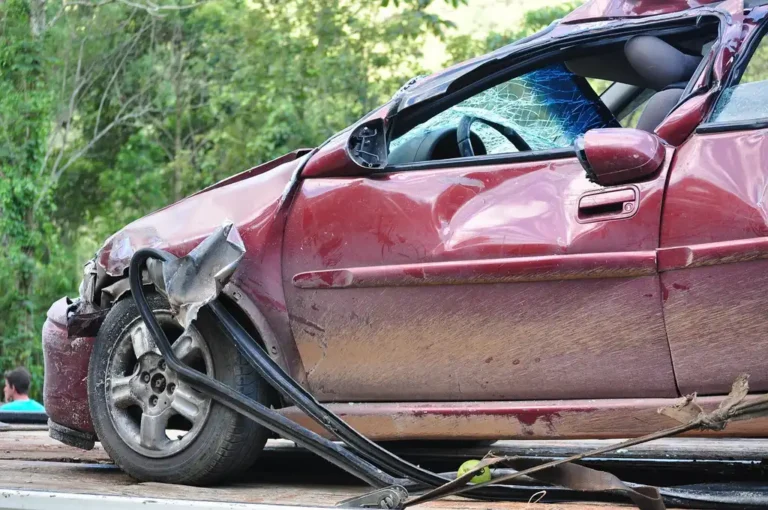
The cheapest legal policy is not always the cheapest outcome. Picture a driver who saves a few dollars a month by choosing bare minimum liability, then causes a crash that injures two people and totals a newer car. The savings vanish quickly once the claim exceeds the policy limits.
Frequently asked questions
How much does minimum coverage car insurance cost?
Minimum coverage often runs about $40 to $80 a month, but the real price depends on your state minimums, age, driving record, location, vehicle type, and credit in some states. The same source says liability-only averages $63 a month, which sits inside that rough range for many drivers.
How much does bare minimum car insurance cost?
Bare minimum car insurance usually means the lowest liability limits your state allows. That can be cheaper than broader coverage, but the exact cost varies by state and driver profile. A clean record in a lower-cost area can land below the national average, while a young driver in a city may pay much more.
How much does minimum liability car insurance cost?
Minimum liability car insurance typically costs less than full coverage because it only meets the legal floor. The spread shows how much added protection costs.
How much is the average person’s car insurance?
The average person’s car insurance depends on whether you mean liability-only or full coverage. The same source says full coverage averages $2,304 per year, about $192 per month. That is well above many minimum-liability policies, because full coverage adds collision and comprehensive, and those protections raise the premium.
Should I get minimum car insurance?
Minimum car insurance can fit drivers who own an older car outright, can handle repair bills, and do not need lender-required full coverage. It is a poor fit if you have assets to protect, a financed car, or limited ability to pay after a serious at-fault crash. The lower premium can hide large risk.
How much does minimum car insurance cost in Florida?
Florida can price differently from other states because it has no-fault rules and different minimum coverage expectations than a standard liability-only state. The exact cost depends on the driver, the vehicle, and the coverage mix. A Florida quote should be checked carefully so you know whether PIP or similar medical protection is included.
Products related to this article
Sponsored / affiliate links. As an Amazon Associate I earn from qualifying purchases. I may earn additional commission from eligible campaigns.