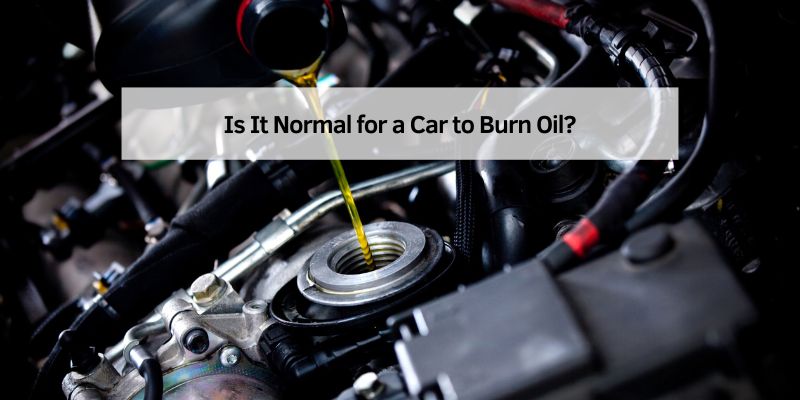
Is It Normal for a Car to Burn Oil?
Hey there! If you’ve ever noticed your car’s engine oil level dropping between oil changes, you’re probably wondering, “Is it normal for a car to burn oil?” I’ve been there, staring at my dipstick, scratching my head. The short answer? Yes, it’s normal for most cars to burn a little oil, but there’s a catch. It depends on how much oil your car is using and why. Let me walk you through everything I’ve learned about oil consumption, so you can figure out if your car’s just sipping oil or gulping it down like a thirsty camel.
Why Do Cars Burn Oil?
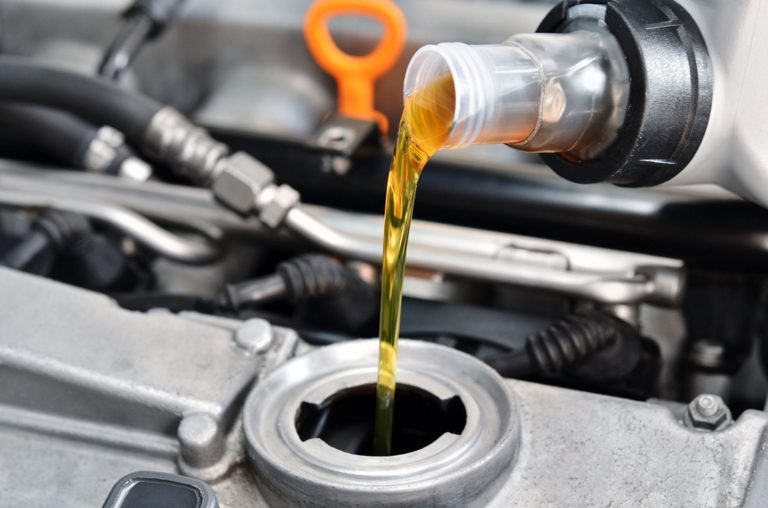
When I first noticed my car’s oil level dropping, I thought something was seriously wrong. But after digging into it, I learned that some oil consumption is just part of how engines work. Your car’s engine is a complex beast, with pistons, valves, and seals all moving at high speeds. Engine oil lubricates these parts, reducing friction and heat. During this process, a tiny amount of oil can get burned up in the combustion chamber or evaporate due to the engine’s high temperatures.
For most cars, burning a small amount of oil—say, a quart every 3,000 to 5,000 miles—is considered normal. Manufacturers even account for this in their designs. Older engines or high-performance vehicles might burn a bit more, and that’s okay too. But if your car’s guzzling oil faster than that, it might be trying to tell you something. Let’s break down the common reasons why cars burn oil.
Normal vs. Excessive Oil Consumption
So, how do you know if your car’s oil consumption is normal? I remember checking my old sedan’s oil level and being shocked to see it low after just a month. Here’s what I found out: normal oil consumption varies by car make, model, and engine type. For example, some luxury brands like BMW or high-performance cars like a Mustang might burn more oil because of their powerful engines. On the other hand, a compact Honda Civic usually sips oil sparingly.
Here’s a quick guide to help you gauge what’s normal:
| Oil Consumption | What It Means | Action Needed |
|---|---|---|
| Less than 1 quart per 3,000 miles | Normal for most vehicles | Monitor regularly, no immediate concern |
| 1 quart per 1,000–3,000 miles | Normal for older or high-performance cars | Check for leaks or wear, consider thicker oil |
| More than 1 quart per 1,000 miles | Excessive, potential issue | Inspect engine for leaks, worn seals, or other problems |
If your car’s burning more than a quart every 1,000 miles, it’s time to dig deeper. Excessive oil burning could point to worn piston rings, valve seals, or even a cracked engine block in rare cases. I’ll get into those issues next.
Common Causes of Excessive Oil Burning
When my car started burning more oil than usual, I felt a knot in my stomach. Was it a major repair? A quick fix? Here are the most common culprits I discovered:
- Worn Piston Rings: Piston rings seal the combustion chamber. If they’re worn out, oil can sneak in and burn during combustion. This is common in older cars with high mileage, like my trusty old pickup that hit 150,000 miles.
- Faulty Valve Seals: Valve seals keep oil from leaking into the combustion chamber. When they wear out, oil seeps through and burns, often causing blue smoke from the exhaust. I noticed this on a friend’s car—a telltale puff of smoke at startup.
- PCV System Issues: The Positive Crankcase Ventilation (PCV) valve recycles engine gases. If it’s clogged or broken, it can cause pressure buildup, pushing oil into the combustion chamber. Replacing a PCV valve is often a cheap fix, which I learned the hard way after ignoring it.
- Oil Leaks: Sometimes, your car isn’t burning oil—it’s leaking it. Check under your car for oil spots or look at the engine for wet, oily areas. I once found a loose oil filter causing a slow drip on my driveway.
- Using the Wrong Oil: This one surprised me. Using oil that’s too thin (low viscosity) for your engine can lead to faster oil consumption. Check your owner’s manual for the recommended oil type. My car needed 5W-30, but I’d been using 5W-20 by mistake.
- Driving Habits: Hard driving, like towing heavy loads or revving the engine high, can increase oil burning. I noticed my SUV used more oil after a cross-country trip with a trailer in tow.
If any of these sound familiar, don’t panic. Some fixes, like replacing a PCV valve, are simple. Others, like piston rings, might need a mechanic’s touch.
Signs Your Car Is Burning Too Much Oil
How do you know if your car’s burning oil excessively? I learned to spot the signs after a few too many low-oil warnings. Here’s what to watch for:
- Blue Smoke from Exhaust: If you see blue or gray smoke, especially when starting or accelerating, your engine’s likely burning oil. I saw this on my old car and knew it was time for a checkup.
- Low Oil Levels: Check your dipstick regularly. If the oil level drops significantly between changes, your car’s using more than it should. I make it a habit to check every couple of weeks.
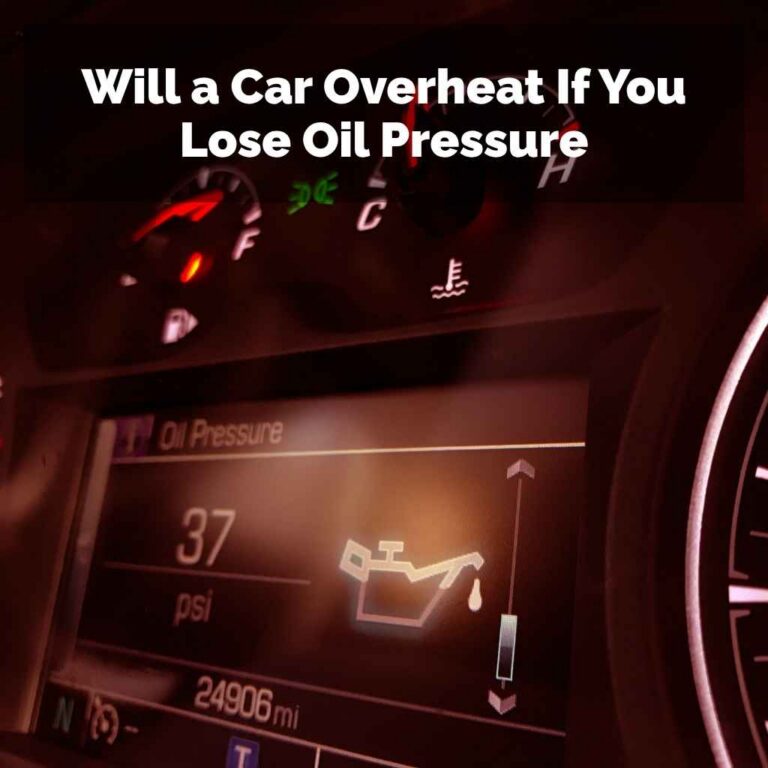
- Oil Warning Light: Modern cars have sensors that alert you when oil is low. Don’t ignore this light—I did once, and it led to a costly repair.
- Burning Oil Smell: A faint oily or burnt smell while driving could mean oil’s leaking onto hot engine parts or burning inside. I caught this smell once and found a small leak near the valve cover.
If you notice any of these, it’s time to investigate. Catching issues early can save you from bigger headaches down the road.
How to Check Your Car’s Oil Consumption
I’ll let you in on a simple trick I use to track oil consumption. It’s easy and helps you stay on top of things. Here’s how:
- Check the Oil Level: Park on a flat surface, wait for the engine to cool, and pull the dipstick. Wipe it clean, reinsert it, and check the level. Note where it sits between the “low” and “full” marks.
- Track Mileage: Write down your car’s mileage when you check the oil. I use a small notebook in my glovebox for this.
- Monitor Over Time: Check the oil level every 1,000 miles or so. If it’s dropping fast, you might have an issue. For example, my sedan used a quart every 2,000 miles, which my mechanic said was fine for its age.
- Look for Patterns: If the oil level drops only during certain conditions (like long highway drives), note it. This helped me realize my car burned more oil during towing.
Regular checks give you a baseline for what’s normal for your car. If you’re unsure, your mechanic can run a compression test to check for internal issues.
Can You Prevent Excessive Oil Burning?
I used to think oil burning was just something cars did, but I’ve learned you can take steps to keep it in check. Here’s what works for me:
- Use the Right Oil: Always use the oil grade recommended in your owner’s manual. Switching to a slightly thicker oil (if approved) can reduce oil consumption in older engines.
- Regular Maintenance: Stick to your oil change schedule—every 5,000 to 7,500 miles for most cars. Fresh oil reduces wear and keeps seals healthy. I learned this after skipping an oil change and noticing more oil burning.
- Fix Small Issues Early: A clogged PCV valve or minor leak can snowball into bigger problems. Address them quickly to save money.
- Drive Sensibly: Avoid aggressive driving or overloading your car. I noticed my SUV burned less oil when I eased off the gas pedal during long trips.
- Consider Synthetic Oil: Synthetic oils are more stable at high temperatures, reducing evaporation and burning. I switched to synthetic for my high-mileage car, and it made a difference.
These steps won’t stop all oil consumption, but they’ll keep it within normal limits and extend your engine’s life.
When to See a Mechanic
If your car’s burning more oil than normal, don’t wait. I made the mistake of ignoring a low oil light once, and it cost me a hefty repair bill. Take your car to a mechanic if you notice:
- Blue smoke from the exhaust.
- Oil levels dropping faster than a quart per 1,000 miles.
- Strange engine noises, like knocking or ticking.
- A sudden drop in performance or fuel economy.
A good mechanic can diagnose the issue with tests like a compression check or leak-down test. They’ll tell you if it’s a simple fix, like a new PCV valve, or something bigger, like worn piston rings. I always ask for a detailed explanation so I know exactly what’s going on.
Conclusion
So, is it normal for a car to burn oil? Absolutely, to an extent. A little oil consumption is just part of how engines work, especially in older or high-performance cars. But if your car’s chugging through oil faster than it should, it’s trying to tell you something. By keeping an eye on your oil levels, using the right oil, and addressing issues early, you can keep your engine happy and avoid costly repairs. I’ve been there, worrying about my car’s health, but with a bit of care and attention, you can keep your ride running smoothly for years. Got questions? Check out the FAQs below, and feel free to share your own experiences in the comments—I’d love to hear them!
Why Does My Car Burn Oil Faster When I Drive Hard?
Hard driving, like towing or high-speed cruising, puts more stress on your engine. This increases heat and pressure, causing more engine oil to burn or evaporate. I noticed this when I towed a trailer cross-country. To reduce this, ease up on the gas and avoid overloading your car.
Is Blue Smoke Always a Sign of Burning Oil?
Blue smoke usually means your engine’s burning oil, especially if it appears during startup or acceleration. I saw this on a friend’s car, and it turned out to be worn valve seals. However, white smoke might indicate coolant issues, so have a mechanic confirm.
Can I Use Additives to Stop Oil Burning?
Oil additives claim to reduce oil consumption, but I’ve had mixed results. Some can temporarily help with minor leaks or worn seals, but they’re not a permanent fix. Check with your mechanic before using them, as they can sometimes cause clogs.
How Often Should I Check My Car’s Oil?
I check my oil every two weeks or every 1,000 miles, especially in older cars. It’s a quick way to catch oil burning early. If your car’s newer, once a month is usually fine unless you notice issues.
Does Synthetic Oil Reduce Oil Burning?
Synthetic oil can help reduce oil consumption because it’s more stable at high temperatures. I switched to synthetic for my high-mileage SUV, and it burned less oil. Just make sure it matches your car’s recommended viscosity.
What Happens If I Ignore Oil Burning?
Ignoring excessive oil burning can starve your engine of lubrication, leading to overheating or serious damage. I learned this the hard way when my engine started knocking. Check your oil regularly and address issues promptly to avoid big repair bills.
Is It Safe to Drive a Car That Burns Oil?
If your car’s burning a small amount of oil (within normal limits), it’s usually safe to drive, but keep topping it off. I’ve driven cars like this for years without issues. But if it’s burning a lot, get it checked to avoid engine damage.