Is It Worth It To Rent A Car For Uber: Genius Guide
Short Answer: Renting a car for Uber can be a smart way to start driving with low upfront costs and flexibility, but weigh the rental fees, mileage limits, and insurance carefully against potential earnings. It’s often worth it for those testing the waters or needing a vehicle quickly, but less so for seasoned drivers aiming for maximum profit.
Thinking about driving for Uber but don’t have your own car, or perhaps your current car isn’t quite up to snuff? Renting a car might seem like a quick and easy solution to get on the road. It’s a common question for many aspiring rideshare drivers: Is it really worth the money? We’re here to break it down for you in plain, simple terms, just like a trusted friend would. This guide will help you understand all the ins and outs, so you can make a confident decision without any confusing car jargon. Let’s explore if renting a car for Uber is the right move for you!
Why Renting a Car for Uber is on Many Drivers’ Minds
Many people look at driving for Uber as a flexible way to earn extra cash or even make it their main gig. But not everyone owns a vehicle that meets Uber’s strict requirements, or maybe they want to try driving without a huge commitment like buying a car. Renting offers a way to bypass those hurdles. It can feel like a good starting point. But is it a profitable one? We’ll dive into the numbers and practicalities soon.
Understanding the Uber Rental Program: How It Works
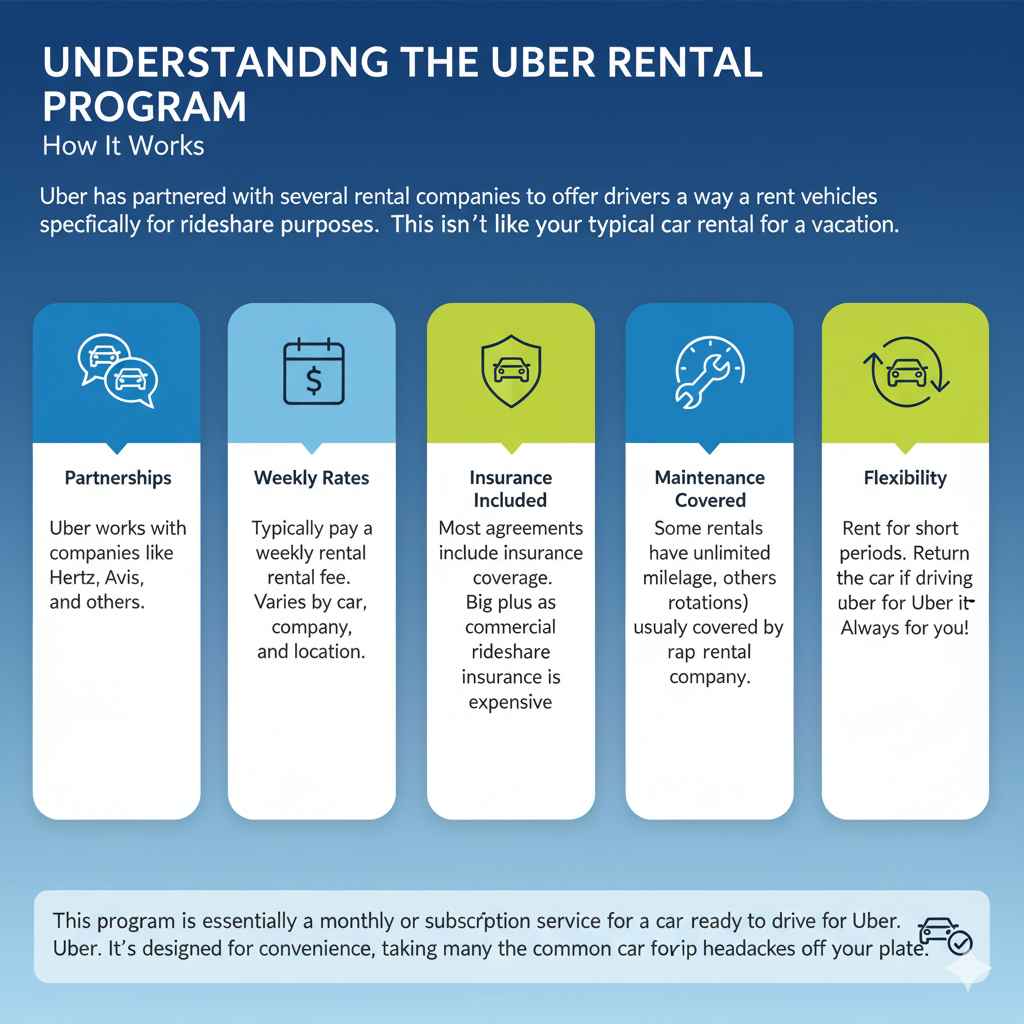
Uber has partnered with several rental companies to offer drivers a way to rent vehicles specifically for rideshare purposes. This isn’t like your typical car rental for a vacation. These partnerships are designed to make it easier for you to get behind the wheel and start earning.
Here’s a general idea of how it works:
- Partnerships: Uber works with companies like Hertz, Avis, and others.
- Weekly Rates: You typically pay a weekly rental fee. This fee can vary based on the car model, the rental company, and your location.
- Insurance Included: Most rental agreements for Uber drivers include insurance coverage. This is a big plus as commercial rideshare insurance can be expensive on its own.
- Maintenance Covered: Routine maintenance, like oil changes and tire rotations, is usually covered by the rental company.
- Mileage: Some rentals come with unlimited mileage, while others might have a cap. Always check this before signing!
- Flexibility: You can often rent for short periods and return the car if driving for Uber isn’t for you.
This program is essentially a monthly or weekly subscription service for a car that’s ready to drive for Uber. It’s designed for convenience, taking many of the common car ownership headaches off your plate.
The Pros of Renting a Car for Uber
Let’s look at the bright side! Renting a vehicle can be a fantastic entry point into the world of full-time or part-time Uber driving.
- Low Upfront Costs: This is a huge draw. Instead of a down payment on a car, insurance deposits, and registration fees, you just pay a weekly rental fee. This makes it incredibly accessible for people who don’t have a lot of savings.
- No Long-Term Commitment: Most rental agreements are weekly or monthly. If you decide rideshare driving isn’t for you after a few weeks, you can simply return the car. There’s no lingering car payment or the hassle of selling a vehicle.
- Insurance is Usually Included: As mentioned, this is a major benefit. Getting your own insurance for rideshare driving can be costly and complicated. Rental programs often bundle this into the weekly rate, giving you peace of mind. According to Uber’s official insurance information, while they provide coverage during trips, drivers are responsible for their own vehicle insurance when not actively on a trip. Rental programs simplify this.
- Maintenance is Covered: Forget about unexpected repair bills or the cost of regular oil changes and tire rotations. The rental company typically handles all the standard maintenance. This predictability in expenses is very appealing.
- Access to Newer, Reliable Vehicles: Rental companies usually offer relatively new cars that are well-maintained. This means fewer breakdowns and a more comfortable experience for both you and your passengers.
- Test Drive the Gig: It’s a perfect way to try out driving for Uber without any major financial risk. You can see if you enjoy the work, understand the earning potential in your area, and get a feel for the demands of the job.
The Cons of Renting a Car for Uber
Now, let’s balance things out with the potential downsides. Like anything, renting has its drawbacks, and it’s crucial to be aware of them to avoid surprises.
- Higher Weekly Cost Than Ownership: While upfront costs are low, the weekly rental fees can add up. Over the long term, paying rent for a car is almost always more expensive than owning one outright or even making payments on a financed vehicle.
- Mileage Restrictions (Sometimes): Some rental agreements might have daily or weekly mileage limits. If you plan to drive a lot to maximize your earnings, this could become a problem, leading to extra charges. Always clarify this detail.
- No Equity or Ownership: You’re essentially paying for the use of a car. At the end of your rental period, you don’t own anything. There’s no asset being built.
- Limited Choice of Vehicles: You usually have to choose from a specific list of eligible models offered by the rental partner. You might not get the exact car you want or one that’s perfectly suited to your preferences.
- Potential for Extra Fees: Be on the lookout for additional charges. This could include fees for exceeding mileage limits, returning the car late, or if it’s excessively dirty. Read the fine print carefully! Uber itself has information on vehicle requirements that rental cars must meet, which you can explore on their driver requirements page.
- Impact on Potential Earnings: The weekly rental cost is a significant daily expense. This directly eats into your potential profit. You need to earn enough after the rental fee, gas, and other costs to make it worthwhile.
Calculating the Cost: Is It Financially Viable?
This is where the rubber meets the road. To figure out if renting is worth it, you need to do some honest math. Let’s break down the potential costs and earnings.
Typical Rental Costs
Rental costs can vary widely by location and rental company, but here’s a general idea:
| Expense | Estimated Weekly Cost | Notes |
|---|---|---|
| Car Rental Fee | $200 – $400+ | This is the base fee. Varies by car type and provider. |
| Gasoline | $70 – $150+ | Depends heavily on how much you drive and fuel efficiency. |
| Optional: Add-ons/Insurance Deductible | $10 – $30+ | If you opt for lower deductibles on damages. |
Note: These are estimates. Always get a precise quote from the rental provider.
Potential Earnings
Earnings on Uber depend on many factors:
- Your city
- Time of day
- Demand (surge pricing)
- Number of hours you drive
- Tips
A common benchmark is that drivers might aim to earn $20-$25 per hour before expenses. After some expenses (like gas), let’s say you aim for $15-$20 per hour net.
The Break-Even Point
To see if it’s “worth it,” you need to calculate your break-even point. This is the minimum you need to earn to cover your rental costs and other essential expenses.
Let’s do a hypothetical example:
Weekly Rental Fee: $275
Estimated Weekly Gas: $100
Total Weekly Expenses: $375
If your goal is to make at least $200 profit per week, you’d need to earn a total of $575 before any taxes.
To earn $575 in a week, let’s say you work 25 hours. That means you need to average $575 / 25 hours = $23 per hour gross earnings. This is achievable in many markets, especially during peak times.
If you can consistently average $23+ per hour in gross earnings, renting typically makes sense for getting started. If consistently averaging this is unlikely in your market, it might not be worth the rental cost.
Renting vs. Owning a Car for Uber: A Detailed Comparison
To truly understand if renting is “worth it,” let’s compare it directly with owning a car. Owning your car comes with its own set of pros and cons when it comes to rideshare driving.
Renting a Car for Uber
| Pros | Cons |
|---|---|
| Low upfront costs | Higher long-term cost |
| No long-term commitment | No equity/ownership |
| Insurance and maintenance included | Limited vehicle choice |
| Easy to start | Potential mileage restrictions |
| Good for testing the waters | Rental fees significantly cut profit |
Owning a Car for Uber (Source: FuelEconomy.gov on car ownership costs)
| Pros | Cons |
|---|---|
| Lower long-term costs (eventually) | High upfront costs (down payment, taxes, fees) |
| Build equity/own an asset | Responsible for all maintenance and repairs |
| Full choice of vehicle | High cost of insurance for rideshare |
| No mileage restrictions (usually) | Risk of unexpected, expensive repairs |
| Potentially higher profit margins | Requires good credit or significant savings |
When Renting Might Be More Worth It:
You want to start driving immediately with minimal cash.
You’re unsure about the rideshare gig and want to test it out without a major financial commitment.
Your current car doesn’t meet Uber’s requirements, and you don’t want the hassle of buying a new one yet.
You only need a car for a short period.
When Owning Might Be More Worth It:
You plan to drive Uber full-time or for an extended period.
You have a good credit score or cash saved for a down payment and associated buying costs.
You want to maximize your profit margins in the long run.
You want the freedom to choose your own vehicle.
Step-by-Step: How to Rent a Car for Uber
Ready to take the plunge with a rental? Here’s how to navigate the process:
- Check Uber’s Current Rental Partners: Visit the Uber Driver website or app. They will list the official rental partners available in your city. Keep in mind that these partnerships and offerings can change, so always check the latest information from Uber.
- Review Eligibility Requirements: You’ll need to meet Uber’s standard driver requirements (age, driving record, etc.) and potentially some from the rental company. Your driving record is crucial.
- Get Quotes from Rental Partners: Contact each partner or visit their dedicated Uber rental page online. Compare their weekly rates, what’s included (mileage, insurance details), and any deposit requirements.
- Understand the Insurance Terms: This is vital. What is the deductible if you are in an accident? What specific types of damage are (and are not) covered? Uber provides coverage while you are online and driving passengers, but the rental agreement covers other scenarios and your responsibility. Knowing your out-of-pocket maximum for damage is key. For more on Uber’s insurance, you can check their vehicle requirements and safety page which indirectly touches on insurance needs.
- Inspect the Vehicle Thoroughly: Before you drive off the lot, do a meticulous walk-around of the car. Note and photograph any existing dents, scratches, or interior damage. Get this documented with the rental agent to avoid being charged for it later.
- Sign the Rental Agreement: Read everything very carefully. Understand the weekly due date, what happens if you pay late, mileage caps (if any), return conditions, and fuel policy.
- Get Your Car Approved by Uber: The rental company will usually help you get the car added to your Uber account. You might need to provide rental agreement details and proof of insurance provided by the rental agency.
- Start Driving and Track Your Expenses: Once approved, you’re ready to hit the road! Meticulously track your weekly rental cost, fuel, and any other expenses. This is crucial for understanding your true profitability.
Tips for Maximizing Earnings When Renting
If you decide renting is the way to go, here are some tips to make sure you get the most bang for your buck:
Drive During Peak Hours: Focus your driving time on rush hours, weekends, and special events when demand is highest and surge pricing is more common.
Understand Your Market: Learn which areas in your city are busiest and when. Use Uber’s heat maps and your own experience.
Be a 5-Star Driver: Provide excellent customer service. Clean car, good music (or quiet), polite conversation (or no conversation, let the rider decide), and safe driving habits lead to better ratings and more tips.
Minimize Downtime: Don’t spend too much time parked waiting for rides if you can help it. While driving, keep your navigation smart to avoid unnecessary detours.
Track Everything: Use a spreadsheet or app to log every dollar earned and spent. This is the only way to know if you’re truly profitable.
Negotiate or Shop Around: If you plan to rent for a longer period, check if there are any slightly better weekly rates or if you can get a small discount. Loyalty might sometimes pay off.
Take Advantage of Promotions: Keep an eye out for Uber’s driver promotions and quests, which can provide earning bonuses.
When Renting Might NOT Be Worth It
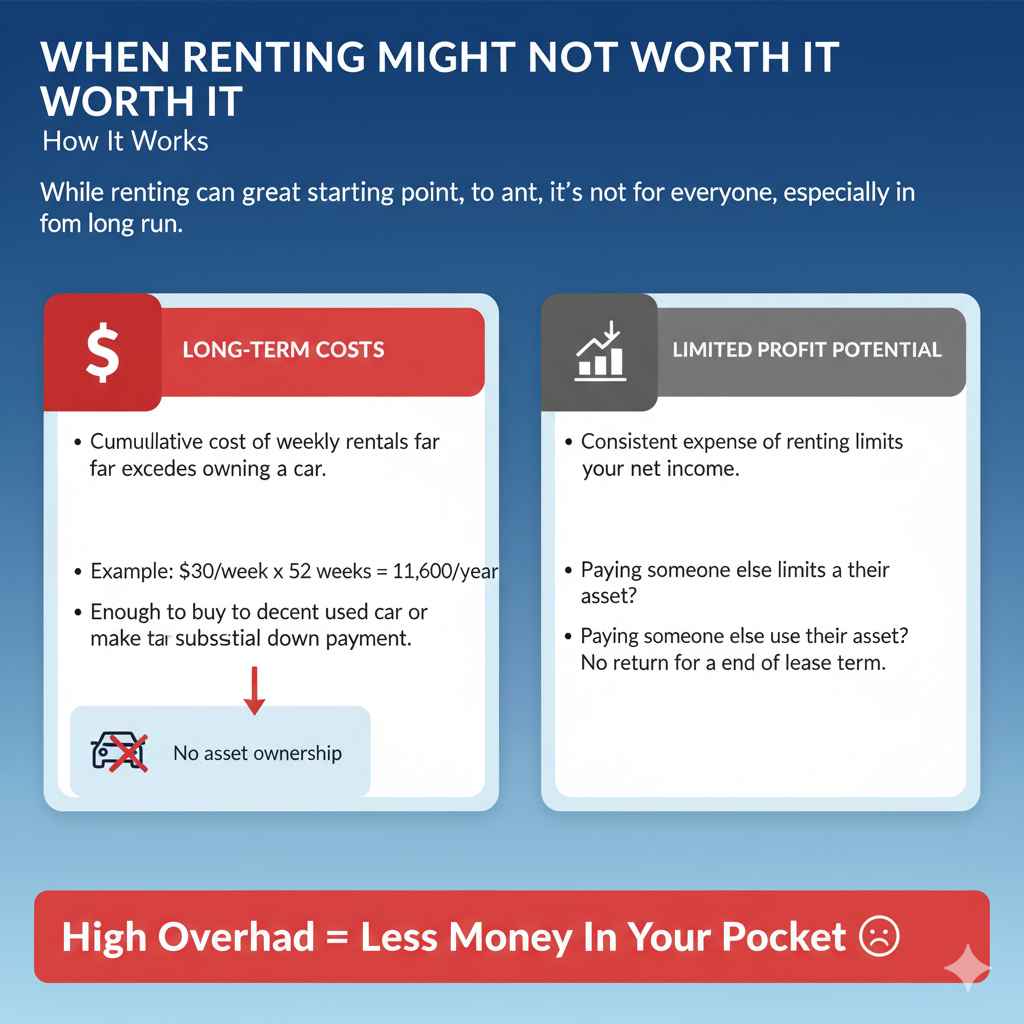
While renting can be a great starting point, it’s not for everyone, especially in the long run.
If you plan to drive Uber as a primary source of income for more than a few months, the cumulative cost of weekly rentals will likely far exceed the cost of owning a reliable used car. For example, renting a car at $300 per week for a year would cost $15,600. That’s enough to buy a decent used car outright or make a substantial down payment on a newer one.
Furthermore, if your primary goal is to build wealth or generate significant side income without high overhead, the consistent expense of renting can severely limit your profit potential. You’re essentially paying someone else for the privilege of using their asset, with no return for yourself at the end of the lease term.
The Bottom Line: Is It Worth It for YOU?
So, to answer the big question: Is it worth it to rent a car for Uber? The answer is a resounding “it depends.”
For the beginner driver who wants to dip their toes into rideshare without a massive financial commitment, renting is an excellent, low-risk option. It’s fantastic for testing the waters, understanding the demands of the job, and earning money quickly if you need a vehicle right away.
However, if you see yourself driving for Uber long-term, aiming for maximum profitability, or building any kind of asset, the financial math often points towards eventually owning your own vehicle. The ongoing rental fees are a significant expense that eats directly into your net earnings.
Weigh the flexibility and low entry barrier of renting against the higher potential profits and asset-building of ownership. Do your research on rental costs in your area, estimate your potential earnings realistically, and consider your long-term goals.
Frequently Asked Questions (FAQs)
Can I rent any car to drive for Uber?
No, Uber has specific vehicle requirements regarding age, condition, and type. Rental vehicles must also meet these standards. Uber partners with certified rental companies that provide eligible vehicles.
What happens if I damage the rental car from Uber?
Rental agreements for Uber drivers typically include insurance. However, you will likely have to pay a deductible for damages. It’s crucial to understand the deductible amount and what the insurance covers before you start driving.
Are there mileage limits when renting a car for Uber?
Some rental agreements may have mileage limits. It is very important to clarify this with the rental company. Unlimited mileage options are generally preferred if you plan to drive extensively for Uber.