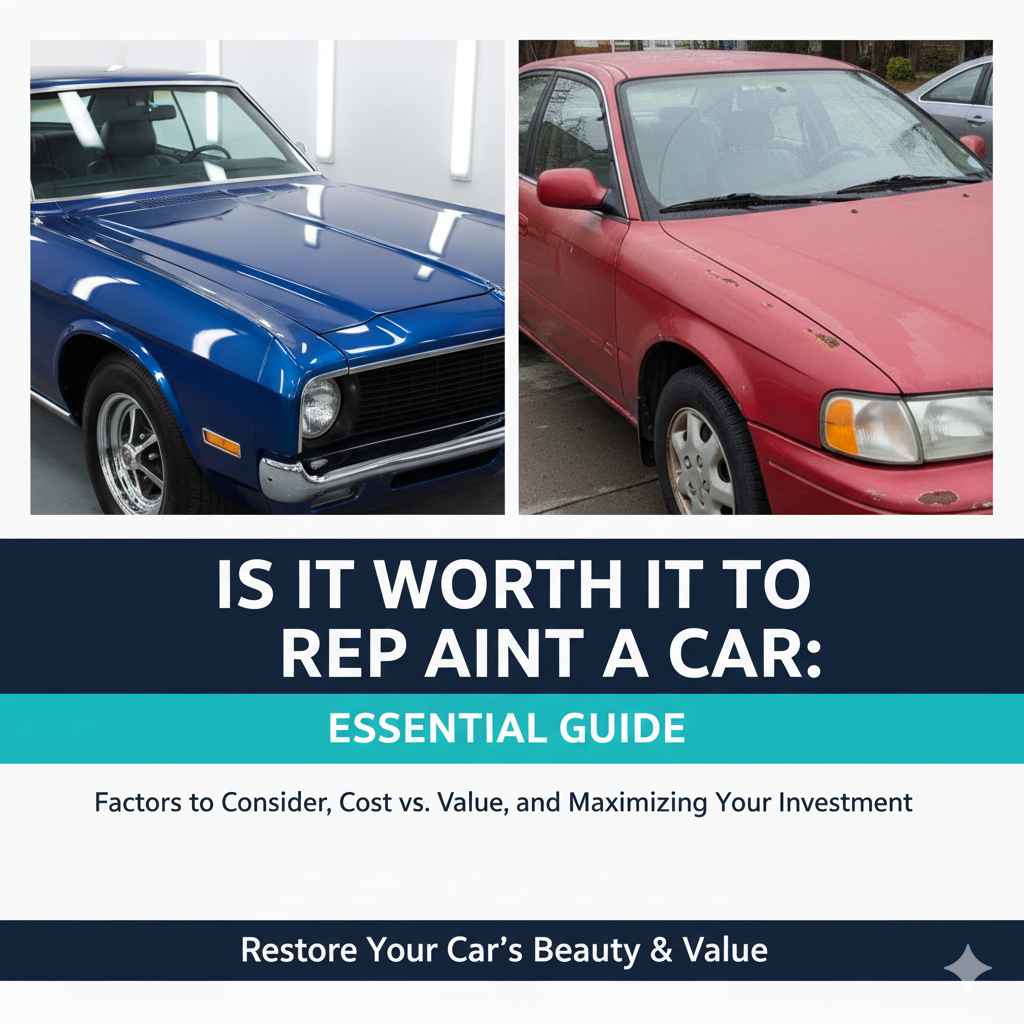
Is It Worth It To Repaint A Car: Essential Guide
Yes, repainting your car can absolutely be worth it if you want to restore its appearance, protect it from further damage, or even boost its resale value. This guide breaks down the costs, benefits, and key things to consider to help you make the best decision for your vehicle.
Is your car’s paint looking a little tired? Maybe it’s faded from the sun, scratched from everyday bumps, or just not the color you really love anymore. It’s a common sight for car owners, and the thought of a fresh coat of paint can be appealing. But you might be wondering, “Is it really worth the investment?” The good news is, a repaint doesn’t have to be a confusing or overly expensive ordeal. We’re here to guide you through everything you need to know, step-by-step, so you can feel confident about making the right choice for your car and your wallet.
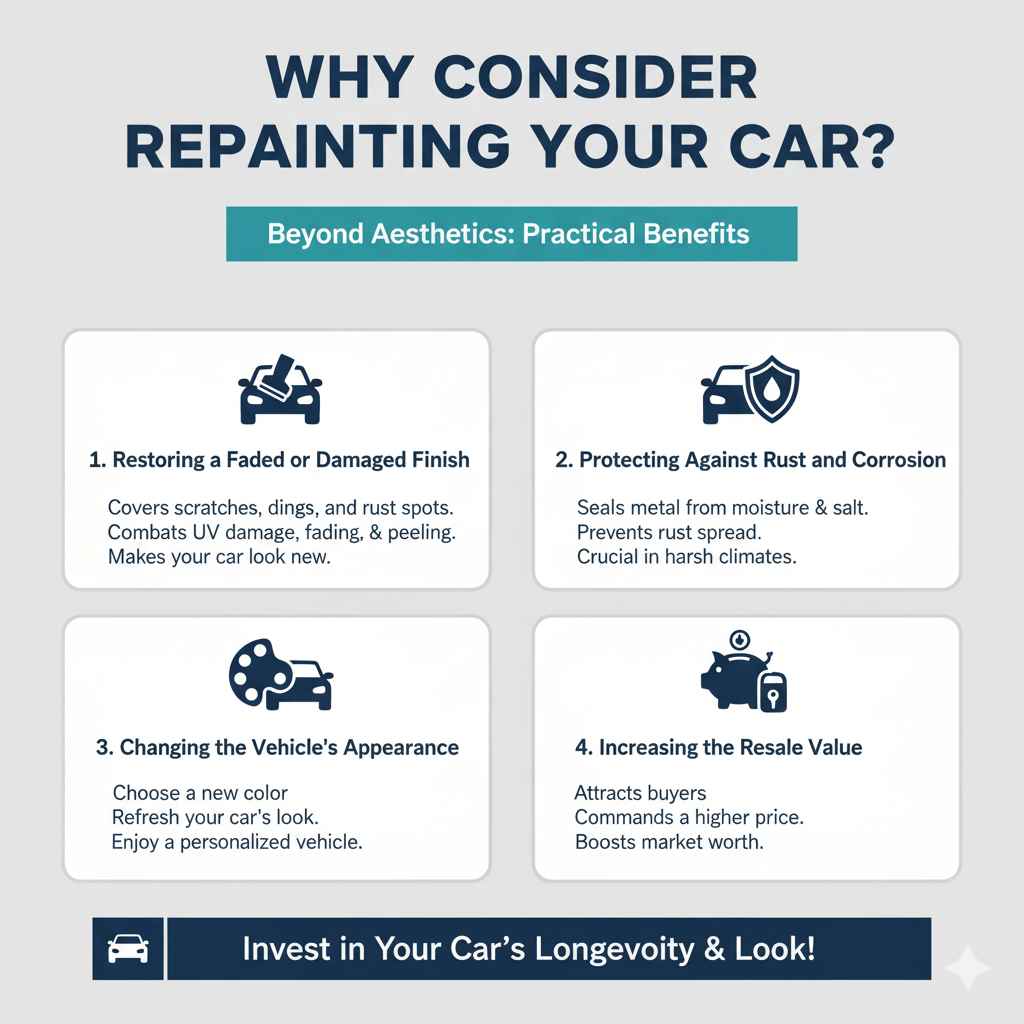
Why Consider Repainting Your Car?
Repainting your car is more than just a cosmetic upgrade. It serves several practical purposes that can significantly benefit your vehicle. Understanding these reasons can help you decide if a repaint is the right move for you.
1. Restoring a Faded or Damaged Finish
Over time, exposure to sunlight, harsh weather, and minor accidents can take a toll on your car’s paint. UV rays can break down the paint’s clear coat, leading to fading, chalkiness, and eventually, peeling. Scratches, dings, and rust spots not only look bad but can also expose the metal underneath, leading to more serious corrosion. A fresh paint job covers up these imperfections, making your car look like new again and preventing further damage.
2. Protecting Against Rust and Corrosion
The paint on your car is its first line of defense against the elements. When this protective layer is compromised by scratches, rust, or fading, your car’s metal body is exposed to moisture and salt. This can quickly lead to rust, which can spread and weaken the vehicle’s structure. Repainting involves properly preparing the surface, which often includes addressing any existing rust and applying a new, healthy layer of paint and clear coat to seal the metal and protect it for years to come. This is especially important in areas with harsh winters or coastal climates.
3. Changing the Vehicle’s Appearance
Sometimes, you just want a change! Maybe you bought a used car and aren’t a fan of its original color, or perhaps you’re simply ready for a fresh look. Repainting allows you to completely change your car’s color. Whether you opt for a vibrant new shade or a classic, timeless hue, a new paint job can dramatically alter how your car looks and feels, making it more enjoyable to drive and potentially more appealing if you plan to sell it later.
4. Increasing Resale Value
A car with a pristine, shiny paint job is far more attractive to potential buyers than one with a dull, scratched, or faded finish. A good repaint can significantly boost your car’s market value. Buyers are often willing to pay a premium for a vehicle that looks well-maintained. If you’re planning to sell your car in the near future, investing in a professional repaint could yield a good return.
Is Repainting Your Car Worth the Cost?
This is the big question! The “worth” of repainting your car depends heavily on your individual circumstances, budget, and expectations. Let’s break down the factors involved.
Factors Influencing the Value Proposition:
- Your Car’s Age and Condition: Repainting a classic car or a vehicle in otherwise excellent condition is often a sound investment. For a very old or heavily damaged car with mechanical issues, the cost of a repaint might outweigh the potential increase in value.
- Your Goals: Are you looking to keep the car for many more years and want it to look great? Or are you trying to get the best possible price for selling it soon? Your intention matters.
- The Quality of the Paint Job: A cheap, rushed job might look okay initially but won’t last. A high-quality repaint, while more expensive, offers better durability and appearance, making it a better long-term value.
- Your Budget: Paint jobs can range from a few hundred dollars for a basic spray to several thousand for a high-end custom finish. You need to determine what you can comfortably afford.
Cost vs. Benefit Analysis
To help you visualize, consider this:
| Aspect | Considerations for Worth | Potential Return/Benefit |
|---|---|---|
| Aesthetics | Faded paint, scratches, mismatched panels. | Revitalized appearance, pride of ownership, enjoyment. |
| Protection | Existing rust, sun damage, environmental exposure. | Prevents further corrosion, extends vehicle life, preserves structural integrity. |
| Resale Value | Poor paint condition reduces market appeal. | Significant increase in selling price, faster sale. |
| Personal Preference | Dislike original color, desire for a custom look. | A car you truly love and enjoy driving. |
Generally, repainting is most “worth it” when:
- The car is mechanically sound and in good overall condition.
- You plan to keep the car for at least a few more years.
- You are looking to significantly improve its appearance or resale value.
- You opt for a quality paint job that will last.
Types of Car Paint Finishes
Understanding different paint finishes can help you make an informed choice and manage expectations regarding cost and durability.
1. Solid Colors (Non-Metallic)
These are the most basic and generally the least expensive. They don’t contain metallic or pearlescent flakes. They are often easy to repair but can be prone to fading over time if not properly cared for. Think of classic black, white, red, or blue without any shimmer.
2. Metallic Colors
These paints contain fine metallic flakes mixed into the base coat. When the clear coat is applied over it, these flakes catch the light, giving the paint a distinctive sparkle. Metallic paints are very popular and can hide minor imperfections better than solid colors. They are typically a bit more expensive than solid paints.
3. Pearlescent Colors (Pearls)
Pearlescent paints use ceramic micro-particles instead of metal flakes. These particles refract light, creating a softer, more subtle shimmer that often changes color slightly depending on the viewing angle and light. They offer a rich, deep appearance but are usually more expensive and can be trickier to match perfectly if repairs are needed.
4. Matte or Satin Finishes
These are modern, non-reflective finishes that give a car a unique, understated look. Matte paint absorbs light rather than reflecting it. While striking, these specialized finishes often require more careful maintenance. They can also be more costly and difficult to repair seamlessly, as blending matte finishes can be a challenge.
The Repainting Process: What to Expect
A professional car repaint is a multi-step process that requires skill and attention to detail. Knowing what goes into it can help you appreciate the cost and ensure you’re getting a quality job.
Step-by-Step Breakdown:
- Assessment and Preparation: The painter will meticulously inspect your car for dents, scratches, rust, and any other damage. This is where crucial bodywork happens.
- Disassembly (Optional but Recommended): For a top-quality job, parts like door handles, mirrors, lights, and trim are often removed. This allows for paint to be applied evenly without masking edges, leading to a cleaner finish.
- Surface Preparation: This is arguably the most critical step. It involves sanding down the old paint, cleaning the surface thoroughly, and applying primers and sealers. Any rust must be treated and removed.
- Masking: Areas that will not be painted (windows, tires, chrome trim, etc.) are carefully masked off with specialized tape and paper to prevent overspray.
- Priming: A primer is applied to ensure good adhesion of the new paint and to create a uniform color base.
- Base Coat Application: This is the layer that provides the actual color. It’s applied evenly in multiple coats.
- Clear Coat Application: A clear, protective layer is applied over the base coat. This layer adds gloss, depth, and protection against UV rays, scratches, and chemicals.
- Drying and Curing: The car is allowed to dry in a controlled environment, often a paint booth. The paint then cures over time.
- Reassembly and Buffing: Any removed parts are reinstalled. The new paint is then often wet-sanded and buffed to achieve maximum shine and remove any minor imperfections.
You can find more detailed technical information on automotive painting processes, including types of paints and application techniques, from resources like AutoBodyStore.com’s Paint Prep Guide, which offers insights into shop best practices.
DIY vs. Professional Repaint: Which is Right for You?
The decision to tackle a repaint yourself or hire a professional is a significant one, with major implications for cost, quality, and your sanity!
DIY Repaint
Pros:
- Significantly lower cost.
- Sense of accomplishment.
- Complete control over the process.
Cons:
- Requires extensive knowledge, skill, and patience.
- Needs specialized tools and a suitable workspace (e.g., a well-ventilated garage, dust-free environment).
- Risk of poor results, uneven finish, runs, or overspray.
- Time-consuming.
- Potential health hazards if proper safety equipment isn’t used.
Professional Repaint
Pros:
- High-quality, durable, and professional finish.
- Expertise in color matching, surface preparation, and application.
- Proper equipment and controlled environment (paint booth).
- Warranty on work (often).
- Saves you significant time and effort.
Cons:
- Much higher cost compared to DIY.
- Less hands-on control over the exact process.
- Requires finding a reputable shop.
For most car owners, especially beginners, a professional repaint is the recommended route. The complexity and the need for specialized equipment and a dust-free environment make achieving a satisfactory DIY result very challenging. While it’s possible to do touch-ups or minor panel repairs yourself, a full repaint often benefits immensely from professional expertise.
What Does a Car Repaint Cost?
The price of repainting a car can vary wildly. It’s not a one-size-fits-all service. Several factors influence the final bill.
Factors Affecting Cost:
- The Condition of the car’s current paint and body: More bodywork (dents, rust repair) means higher labor costs.
- The type of paint used: Solid colors are cheapest, while high-end pearls and custom colors are most expensive.
- The number of layers: A basic job might be 2-3 layers (primer, base, clear), while premium jobs can have many more.
- The shop’s reputation and location: High-end shops in expensive areas will naturally charge more.
- Whether you opt for disassembly: Removing trim and parts adds labor time.
- The size and complexity of the vehicle: A small sedan will cost less than a large SUV or truck.
Estimated Cost Ranges (USD):
| Paint Type / Quality | Estimated Cost Range (DIY Potential) | Estimated Cost Range (Professional Shop) |
|---|---|---|
| Basic, Solid Color (Economy Job) | $300 – $700 (materials only, very difficult DIY) | $1,000 – $3,000 |
| Good Quality, Metallic Color (Mid-Range) | $700 – $1,500 (materials for a very advanced DIYer) | $3,000 – $6,000 |
| Premium, Pearlescent or Custom Color (High-End) | $1,000 – $3,000+ (materials, expert DIY needed) | $6,000 – $10,000+ |
These are rough estimates. Always get detailed quotes from multiple reputable shops for the most accurate pricing.
How to Choose a Reputable Paint Shop
Selecting the right shop is as crucial as the paint job itself. A good shop can make all the difference between a stunning finish and a costly disappointment.
What to Look For:
- Reputation and Reviews: Check online reviews (Google, Yelp, specialized auto forums), and ask for recommendations from friends, family, or car clubs.
- Portfolio: Ask to see examples of their previous work, especially on vehicles similar to yours.
- Warranty: Does the shop offer a warranty on their paint job? What does it cover?
- Cleanliness and Organization: A clean, organized shop often indicates professionalism and attention to detail.
- Professional Staff: Are the staff knowledgeable, friendly, and willing to answer your questions patiently?
- Paint Booth: Do they use a professional, climate-controlled paint booth? This is essential for a dust-free, high-quality finish.
- Detailed Estimates: Do they provide a clear, itemized estimate that breaks down costs for labor, materials, and any bodywork?
- Experience with Your Type of Car: Some shops specialize in certain types of vehicles (e.g., classic cars, luxury imports).
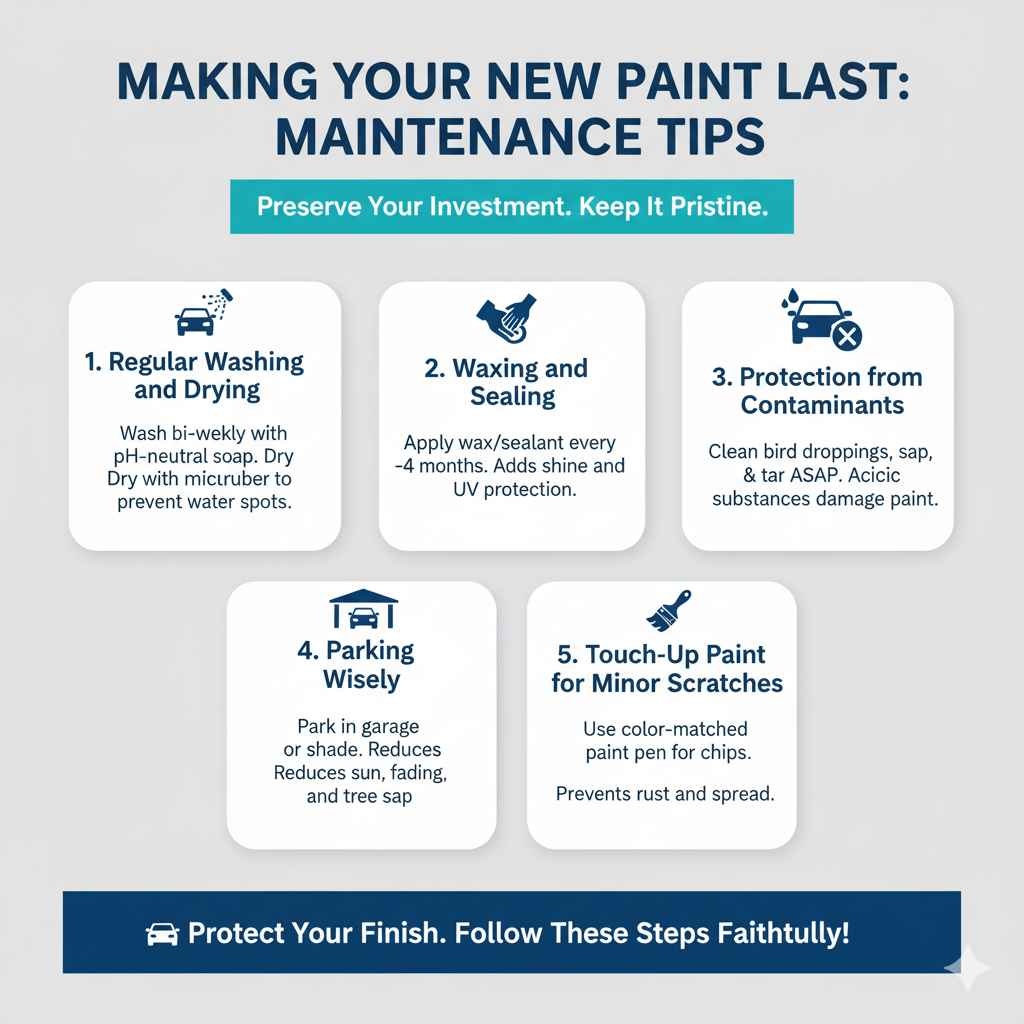
Making Your New Paint Last: Maintenance Tips
Once you’ve invested in a new paint job, you’ll want to keep it looking its best for as long as possible. Proper maintenance is key.
Regular Washing and Drying
Wash your car regularly (every 1-2 weeks) using pH-neutral car wash soap and plenty of water. Avoid harsh detergents or automatic car washes with abrasive brushes, especially in the first few weeks after painting. Always dry your car thoroughly with a soft microfiber towel to prevent water spots.
Waxing and Sealing
Applying a good quality car wax or paint sealant every 2-4 months adds an extra layer of protection to your clear coat. It helps to repel dirt, water, and UV rays, and adds a deep shine. Some modern ceramic spray sealants offer excellent protection and ease of application.
Protection from Contaminants
Be mindful of substances that can damage paint: bird droppings, tree sap, tar, and fuel spills. Clean these off as soon as possible. Bird droppings are particularly acidic and can etch into the clear coat very quickly.
Parking Wisely
Whenever possible, park your car in a garage or shaded area. This significantly reduces exposure to harsh sunlight, which causes fading and degrades the paint over time. Avoid parking under trees that may drip sap or attract birds.
Touch-Up Paint for Minor Scratches
Keep a touch-up paint pen or kit for your car’s specific color code. Small chips and scratches can be carefully touched up to prevent rust and further damage. It’s best to do this relatively quickly after the scratch occurs.
Frequently Asked Questions (FAQ)
Q1: How long does a car repaint typically take?
A: A professional repaint usually takes anywhere from 3 days to 2 weeks, depending on the shop’s schedule, the extent of bodywork, and the drying/curing time for the paint. A complex job with significant repairs could take longer.
Q2: Can I get my car repainted a different color?
A: Yes, you can repaint your car any color you desire. However, changing to a significantly lighter color from a dark one, or vice-versa, might require more coats of primer and paint for full coverage, potentially increasing costs.
Q3: Will repainting my car void the factory warranty?
A: Generally, a repaint of the exterior does not affect your car’s mechanical warranty. Some manufacturers may have specific guidelines regarding aftermarket modifications, but an exterior color change is usually not an issue. It’s always a good idea to clarify with your dealership if you have concerns.
Q4: What’s the difference between repainting and a “vinyl wrap”?
A: Repainting is a permanent change to the car’s surface, involving liquid paint. A vinyl wrap is a large sticker made of vinyl film applied over the existing paint. Wraps are less permanent, can be removed, and are often less expensive than a high-quality repaint, but they may not last as long and can sometimes show imperfections from the underlying paint.