Best 5 Best Car Window Cleaner for Tinted Windows Review
The best 5 car window cleaners for tinted windows are ammonia-free, low-residue formulas. The safest picks are a tint-safe cleaner first, then an alcohol-free glass cleaner for light soil. Using the wrong spray can cloud film, leave smear trails, or shorten tint life. This guide ranks five cleaners by tint safety, residue risk, and use case, then shows which formula type fits factory tint, dyed film, ceramic film, and heavier contamination.
Quick comparison
| Product | Badge | Best for | Price | ||
|---|---|---|---|---|---|
 |
Invisible Glass Auto Glass Cleaner SprayInvisible Glass | Our pick | 22 fl oz · streak-free · ammonia-free | $13.44
Price as of 3 Nov 2026
|
View |
 |
Sprayway Foaming Glass CleanerSprayway | Budget pick | 19 oz · foaming · ammonia-free | $12.34
Price as of 3 Nov 2026
|
View |
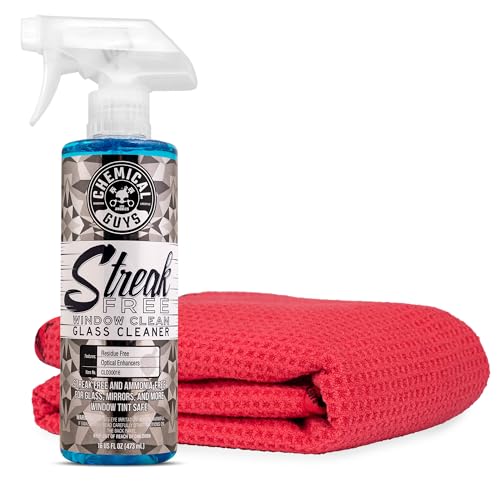 |
Chemical Guys Streak Free Window Clean Auto Glass CleanerChemical Guys | Also great | 16 fl oz · kit · tint-safe | $18.99
Price as of 3 Nov 2026
|
View |
 |
Meguiar’s G8216EU Perfect Clarity Glass Cleaner 473ml.Meguiar’s | Upgrade pick | 473ml · pro strength · streak free | $17.00
Price as of 3 Nov 2026
|
View |
 |
Armor All Car Glass Cleaner Sprayarmor all | Pair with it | 22 fl oz · 6 pack · ammonia-free | $26.39
Price as of 3 Nov 2026
|
View |
The safest short list starts with ammonia-free, pH-balanced, tint safe sprays and one foam option for vertical glass. The key difference is how each formula handles overspray, residue, and heavier road film.
How we chose
This ranking uses manufacturer listing details, product format, and published buyer feedback signals. The main filters are ammonia-free chemistry, tint-safe claims, residue control, and fit for interior glass, exterior glass, mirrors, or touchscreens.
Ammonia-free glass cleaner is the key safety filter for tinted windows. Factory tint and aftermarket film can both be harmed by harsh chemicals, and adhesive-backed film is the part most likely to react badly.
Formula type matters too. Foam clings longer to vertical glass and cuts run-off, while trigger sprays make precise placement easier and give you better control near trim, weather seals, and screens.
Invisible Glass Auto Glass Cleaner: best for residue-light cleanup
This 22 fl oz spray is the safest fit for readers who want a tint-safe, ammonia-free cleaner that targets road film, haze, and smudges. The controlled spray is useful when you want even coverage without soaking the panel, and the listing explicitly says it wipes streak-free.
The strongest appeal is its plain role: a dedicated auto-glass spray for tinted windows, mirrors, and general glass cleanup. That makes it a practical choice for daily-driver interior glass, especially when the main problem is fingerprint haze or a light layer of road film.
An honest drawback is that a spray format gives less cling than foam on steep glass. If the window is very dirty or the surface is hot, you may need a second pass and a clean microfiber glass towel to finish without residue.
Chemical Guys Streak Free Window Clean: best for tint-safe spray use
This 16 fl oz ammonia-free spray is a straightforward choice for tinted windows, mirrors, touchscreens, and plastics. It fits readers who want one bottle that can move between glass and other interior surfaces without forcing a harsher chemistry into the cabin.
Its value is versatility. The product is described as tint safe, and the included waffle-weave microfiber towel matters because that texture helps trap lifted grime instead of pushing it back across the glass.
The drawback is value by ounce. The kit price is higher than some basic sprays, so it makes more sense if you want the bundled towel and the convenience of a matched cleaner rather than the lowest cost per ounce.
Sprayway Foaming Glass Cleaner: best for vertical glass
This 19 oz foaming, ammonia-free cleaner is the best fit when you want longer dwell time on vertical glass. Foam clings instead of running, so it helps on windshield interiors, side glass, and areas where overspray control matters more than speed.
It also works well for buyers who prefer a cleaner that stays where you put it. That can reduce the chance of drips reaching trim or lower door panels during interior cleanup.
The tradeoff is residue risk if too much product is used. Foam can be forgiving on vertical panels, but it still needs a clean towel and a light hand to avoid leftover film on tinted glass.
Meguiar’s Perfect Clarity Glass Cleaner: best for fast wipe-off
This 473 ml cleaner suits drivers who want quick spread and wipe-off on inside and outside glass. The listing calls it streak free and says it is safe on both sides of the glass, which makes it a practical all-around option for routine cleanup.
Its anti-hazing claim is the main reason to consider it for clearer visibility after light contamination. That matters when fingerprints and mild haze are the only problems, and you want a cleaner that leaves little behind.
The drawback is that the listing gives less tint-specific language than some rivals. If your top priority is explicit tint-safe wording, a cleaner that says tint safe on the package is the easier pick.
Armor All Car Glass Cleaner Spray: best for bulk value
This 22 fl oz, six-pack spray is aimed at drivers who want a lot of product for repeated glass cleanup. The listing says it is ammonia free, safe for tinted glass, and made to remove dirt, grime, bugs, and fingerprints.
That makes it a practical choice for high-use vehicles or households with multiple cars. It is the most volume-heavy option in this group, so it fits buyers who clean glass often and want a lower per-bottle replacement cycle.
The drawback is practicality more than chemistry. A six-pack is a commitment, and it is less appealing if you only need one bottle for occasional interior touch-ups.
What is the best car window cleaner for tinted windows?
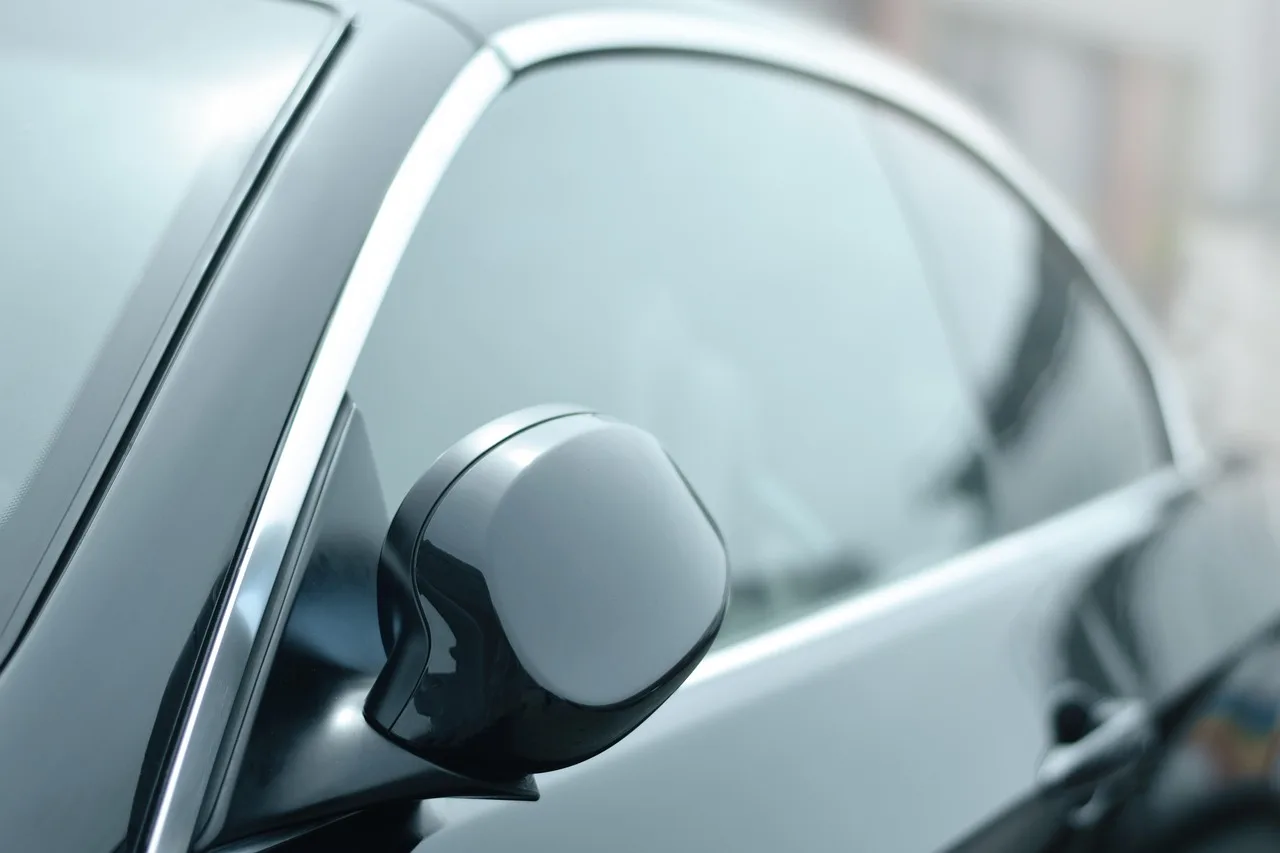
The best all-around answer is an ammonia-free, tint-safe spray that also controls residue. For most drivers, Invisible Glass is the safest top pick for general use, while Sprayway is the better foam choice for vertical glass and Chemical Guys is the most flexible kit if you want a towel included.
That ranking follows the contamination problem, not just the label. Light dust and fingerprints favor a quick spray; heavier road film and haze benefit from a formula that can sit on the glass a little longer before wiping.
A common first-timer mistake is using a strong household glass cleaner on aftermarket film because it smells “clean.” The smell does not matter. The chemistry does.
Are ammonia-free glass cleaners safe on tinted windows?
Yes, ammonia-free glass cleaners are the baseline safe choice for tinted windows, and that includes both factory tint and aftermarket film. They are especially important for adhesive-backed tint, where harsh chemistry can attack the film or the bond layer and leave haze, bubbling, or edge lift.
That does not mean every ammonia-free cleaner is equal. Some still leave residue if they are heavily fragranced or overly wet, and residue can show up as cloudy wipe marks on dark tint.
Factory tint and aftermarket tint need the same caution, but aftermarket film deserves more care because the adhesive side is more vulnerable. Dyed film is usually the most sensitive to chemical abuse, while metalized and ceramic films still benefit from a low-residue cleaner.
Factory tint versus aftermarket film
Factory tint is built into the glass, so it avoids the same adhesive risk as film. Aftermarket tint sits on the glass and can react to harsh cleaners at the edges, where bubbling and haze often start.
If the car has aftermarket film, keep the cleaner light and the towel clean. Do not flood the edge of the film.
Dyed, metalized, and ceramic tint
Dyed tint is usually the most sensitive to chemical stress because it relies on a film layer that can discolor or haze. Metalized and ceramic films are generally more durable in day-to-day use, but they still need an ammonia-free cleaner to avoid residue and visible smear trails.
For dyed tint, choose the mildest tint-safe spray or foam and limit dwell time. For ceramic film, low-residue sprays usually work well. For metalized film, avoid aggressive wiping that can make any residue more obvious on dark glass.
What to avoid on adhesive film
Avoid ammonia-based cleaners, harsh degreasers, and anything that leaves a heavy film on the glass. If a cleaner leaves a rainbow look or sticky haze after wiping, that is a sign to stop using it on the tint.
If bubbling or milky patches appear after cleaning, the film may already be reacting to the product or to excess liquid at the edges. Let the window dry fully, then switch to a milder, ammonia-free cleaner and a cleaner towel.
How do I clean inside tinted windows without streaks?
Inside tinted windows clean best with a light spray, a clean microfiber glass towel, and two short passes rather than one wet pass. The goal is to lift grime without flooding the film, because excess liquid is what often leaves streaks, smears, or edge residue inside the cabin.
Use a waffle-weave or lint-free microfiber towel so lifted grime stays trapped in the fibers. That helps more than rubbing harder. A clean towel is part of the finish, not an optional extra.
Inside-glass protocol
- Park in shade and let the glass cool.
- Apply a small amount of cleaner to the towel or glass, not the trim.
- Wipe one section at a time with light pressure.
- Flip to a dry side of the towel and buff immediately.
- Check for haze from the driver’s seat and repeat only where needed.
Suppose the windshield has a thin fingerprint film plus a little interior dust. A spray with precise placement is usually enough. If the side glass has a heavier road-film patch, foam can buy you more dwell time before the wipe.
Is foam or spray cleaner better for tinted windows?
Neither format wins every time. Spray is better for precise placement, quick touch-ups, and lower mess around dashboards or window switches. Foam is better for vertical glass because it clings longer and cuts overspray, which matters when the glass is dirty or steeply angled.
For tinted windows, the safer format is the one that gives you the least residue and the best control. If the glass is only lightly dirty, a fine mist spray is enough. If the surface is loaded with road film, foam usually gives you more working time.
Why microfiber matters for the finish
A microfiber glass towel is what turns a safe cleaner into a streak-free result. Waffle-weave or lint-free textures help lift the loosened grime and reduce the chance of visible lint on dark tint.
That matters because haze often comes from leftover cleaner, not from the glass itself. A second dry buff with a clean side of the towel usually fixes the last traces.
Tint cleaner decision matrix
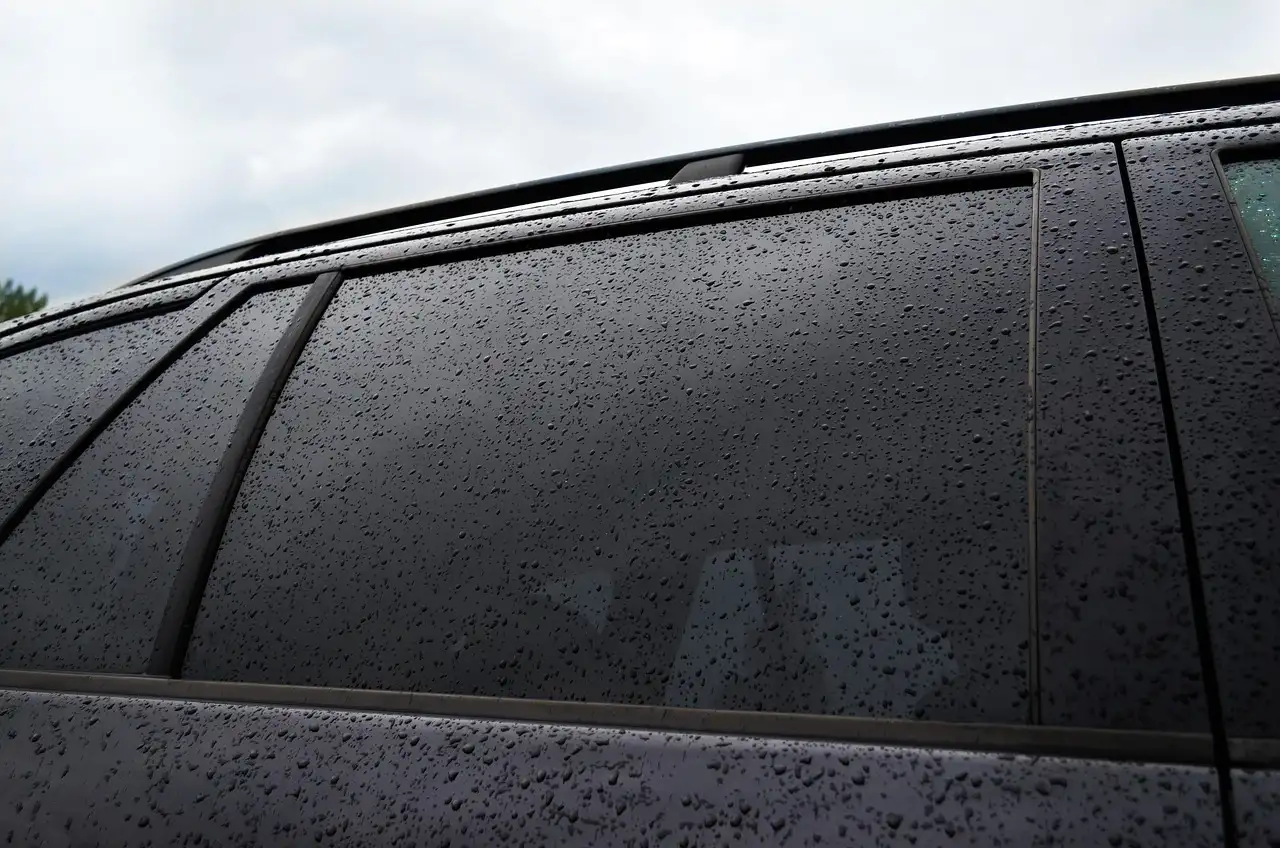
This matrix maps tint type, contamination level, cleaner format, and the safest pick by risk of haze, residue, and overspray. Lower risk means a better fit for that job, not a lab score.
| Tint type | Contamination level | Best format | Safest pick | Haze risk | Residue risk | Overspray risk |
|---|---|---|---|---|---|---|
| Factory tint | Light fingerprints | Trigger spray | Invisible Glass Auto Glass Cleaner | Low | Low | Low |
| Factory tint | Moderate road film | Foam | Sprayway Foaming Glass Cleaner | Low | Low to medium | Low |
| Aftermarket dyed film | Light soil | Trigger spray | Chemical Guys Streak Free Window Clean | Low | Low | Low |
| Aftermarket metalized film | Road film and haze | Foam | Sprayway Foaming Glass Cleaner | Low to medium | Medium | Low |
| Aftermarket ceramic film | Fingerprints and smudges | Trigger spray | Meguiar’s Perfect Clarity Glass Cleaner | Low | Low | Medium |
| Any tint | Heavy grime or bugs | Trigger spray or foam | Armor All Car Glass Cleaner Spray | Low to medium | Low to medium | Low |
Cost per ounce and value by use
| Product | Listed size | Listed price | Approx. cost per ounce | Best value use |
|---|---|---|---|---|
| Invisible Glass Auto Glass Cleaner | 22 fl oz pack of 3 | $13.44 | $0.20 per fl oz | Frequent tint-safe glass cleanup |
| Sprayway Foaming Glass Cleaner | 19 oz pack of 6 | $12.34 | $0.11 per oz | High-volume vertical glass cleaning |
| Chemical Guys Streak Free Window Clean | 16 fl oz | $18.99 | $1.19 per fl oz | Bundle value if you want the towel |
| Meguiar’s Perfect Clarity Glass Cleaner | 473 ml bottle | $17.00 | About $1.05 per fl oz | Single-bottle all-glass cleanup |
| Armor All Car Glass Cleaner Spray | 22 fl oz, 6 pack | $26.39 | $0.20 per fl oz | Bulk buying for multiple vehicles |
Which one should you buy?
If you want the safest all-around pick for tinted windows, start with Invisible Glass. It is ammonia-free, tint-safe, and aimed directly at road film and haze.
If your side glass is vertical and tends to collect drip marks, choose Sprayway. Foam gives you more cling and better overspray control.
If you want one bottle for glass plus screens and plastics, Chemical Guys is the better fit. The included waffle-weave towel also helps when you want a cleaner finish without lint.
If you clean a lot of glass and care most about buy-in volume, Armor All is the value play. If you want fast wipe-off and a straightforward all-glass cleaner, Meguiar’s fits that job well.
A common first-timer mistake is picking the biggest bottle before checking the tint type. Dyed film and adhesive-backed aftermarket film need the most care, so the mildest tint-safe formula should win even if a bulk pack looks cheaper.
Frequently asked questions
Can I use Windex on tinted car windows?
Windex Automotive is marketed as safe for tinted windows and is ammonia-free. That makes it a reasonable option for tint, but the key is that the automotive version is the one tied to tint-safe claims, not a generic household glass spray. Keep the application light and finish with microfiber.
What cleaner removes fingerprints and road grime without damaging tint?
A tint-safe, ammonia-free cleaner that also cuts road film is the best fit for fingerprints and grime. Invisible Glass is the most direct match for that job, while Armor All and Meguiar’s also fit lighter-to-moderate contamination. For heavier grime, foam helps hold the cleaner on the glass longer.
Which glass cleaner works on both tinted windows and touchscreen surfaces?
Chemical Guys is the clearest fit because it is marketed for tinted windows, mirrors, touchscreens, and plastics. That makes it useful for cabin cleanup when you want one product for multiple surfaces, provided you still use a clean microfiber towel and avoid soaking the screen or trim.
What ingredients should I avoid on window tint?
Avoid ammonia first. Also avoid harsh cleaners that leave oily residue, heavy fragrance, or visible film after wiping. If a product clouds the glass, leaves rainbow streaks, or causes edge haze on aftermarket film, stop using it on tint and switch to a milder ammonia-free cleaner.
Products related to this article
Sponsored / affiliate links. As an Amazon Associate I earn from qualifying purchases. I may earn additional commission from eligible campaigns.