Is Silver A Good Car Color? Essential Guide
Yes, silver is an excellent car color! It’s practical, hides dirt well, and tends to hold its resale value. It’s a smart choice for many drivers seeking a balance of style and low maintenance.
Choosing a car color can feel like a big decision. You want something that looks good, but you also might be wondering about how easy it will be to keep clean or if it will affect how much you can sell it for later on. Silver is a color that many people consider, and for good reason! It’s a popular choice, but is it the right choice for you? In this guide, we’ll walk through everything you need to know about silver cars.
We’ll break down why silver is such a common pick, what its good and not-so-good points are, and how it stacks up against other popular car colors. By the end, you’ll feel confident knowing if silver is the perfect shade for your next set of wheels. Let’s get started and uncover the truth about this shimmering car color!
Why Is Silver Such a Popular Car Color?
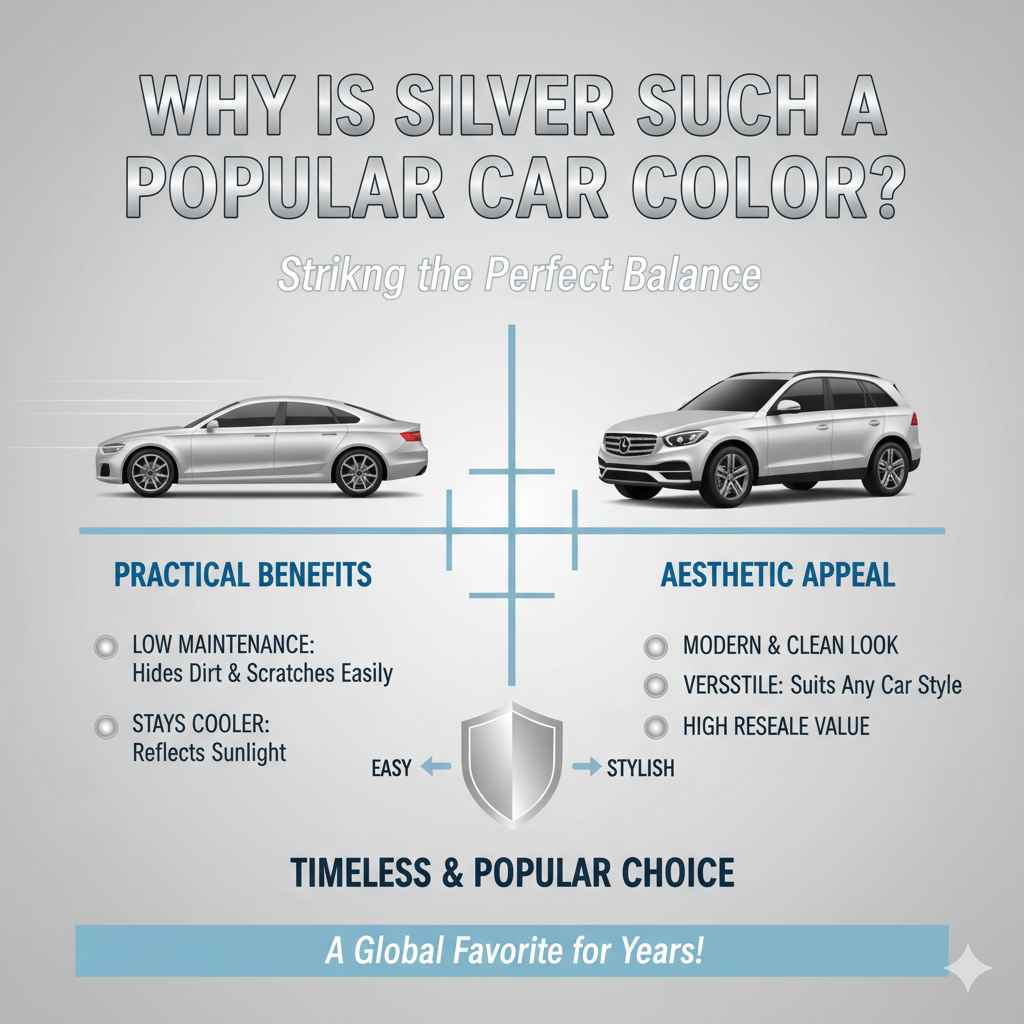
Silver has been a favorite for car buyers for years, and there are several compelling reasons behind its lasting appeal. It’s a color that strikes a great balance between being noticeable and being incredibly practical. Think about it: you see silver cars everywhere, from sleek sports cars to sturdy family SUVs. This widespread popularity is a strong indicator of its desirability among drivers.
One of the biggest draws is definitely its low maintenance. In a world where we’re all busy, a car color that doesn’t demand constant washing is a huge plus. Then there’s the way silver looks on almost any car body style – it gives a modern, clean, and often sophisticated look that appeals to a wide range of tastes. Let’s dive into the specifics that make silver stand out.
The Pros of Owning a Silver Car
When you’re looking at a car, the color plays a role in how you feel about it. With silver, there are many practical advantages that make it a smart choice for everyday drivers. These benefits go beyond just looks, impacting how you’ll interact with your car on a daily basis.
1. Hides Dirt and Scratches Exceptionally Well
This is arguably the biggest win for silver car owners. Dust, mud, pollen, and light scratches are much less noticeable on a silver finish compared to darker colors like black or deep blue. The light, reflective nature of silver makes imperfections blend in. This means your car can look cleaner for longer between washes, saving you time and effort. A little bit of dirt won’t immediately turn your shining chariot into a dull beast!
For instance, imagine driving on a gravel road or through a dusty construction zone. While a black car might look filthy within minutes, a silver car will likely still appear presentable. This is a huge relief for many drivers who don’t have the luxury of washing their car every weekend.
2. Maintains Good Resale Value
Car colors can actually affect how much you can sell your car for down the line. Silver, along with white and black, consistently ranks among the top colors that hold their resale value. This is because silver is a universally liked color. It appeals to a broad audience, making it easier for dealerships and private buyers to find a silver car they’re interested in. This broad appeal translates into stronger demand, which helps maintain its market worth.
According to studies, neutral colors like silver are less polarizing than bold or unusual colors, making them more attractive to a wider pool of potential buyers. This can mean getting a better price when it’s time to trade in or sell your vehicle. For a smart investment, choosing a color with good resale value is a key consideration.
3. Keeps Cooler in the Sun
This is a fantastic benefit, especially if you live in a warm climate or tend to park your car in the sun. Lighter colors, like silver, reflect a significant amount of solar radiation. Darker colors, on the other hand, absorb more heat. This means a silver car’s interior will generally stay cooler on a hot, sunny day compared to a black or dark-colored car parked in the same conditions. This can make a big difference in your comfort, reducing the need for excessive air conditioning and making it more pleasant to get into your car on a sweltering afternoon.
Think about stepping into a car that feels like an oven versus one that’s merely warm. Silver helps make that difference. This also has a side benefit of potentially reducing wear and tear on your car’s interior components from prolonged extreme heat exposure.
4. Versatile and Timeless Appeal
Silver isn’t a trendy color that will go out of style next year. It’s a classic choice that looks good on virtually every type of vehicle, from European luxury sedans to American pickup trucks and Japanese compact cars. It often conveys a sense of modernity, sophistication, and cleanliness. Whether it’s a metallic silver that sparkles in the sun or a more subdued brushed silver, the color has an enduring appeal that transcends fads.
This versatility means that a silver car from five or ten years ago can still look current and attractive. It’s a safe bet if you’re looking for a color that won’t make your car look dated too quickly. Many car manufacturers offer silver in various shades, from light, almost white hues to deeper, charcoal grays, offering subtle variations to suit different car designs.
5. Enhances Car Design and Lines
Silver, especially metallic silver, has a way of highlighting the sculpted lines and contours of a car’s body. The way light reflects off the metallic flakes can create shadows and highlights that emphasize the vehicle’s shape and design features. This can make a car look more dynamic and attractive, giving it a premium appearance. It can make a standard car look a bit more upscale.
For designers, silver can be a challenging but rewarding color to work with because it catches the light so well. This means the design intent of the car – its sporty edges, its flowing curves – can be beautifully showcased by a silver paint job. It’s a color that often makes cars look sleek and modern.
The Cons of Owning a Silver Car
While silver is a fantastic color with many advantages, it’s not without its minor drawbacks. Understanding these can help you make a fully informed decision. Most of these cons are quite minor and often outweighed by the pros, but it’s good to be aware of them.
1. Can Sometimes Look a Bit Common
Because silver is so popular, you might find yourself parking next to many other silver cars at the grocery store, the mall, or even in your own neighborhood. If you’re someone who really wants your car to stand out and have a unique visual identity, silver might feel a little too ubiquitous. It’s a choice driven by practicality and broad appeal, which can sometimes lead to less individuality.
If your priority is to have a car that turns heads for its unusual color, silver might not be your first pick. However, this commonness also contributes to its strong resale value, so it’s a trade-off.
2. Repair Costs Can Vary
While silver hides minor dirt and scratches well, repairing deeper scratches or dents can sometimes be tricky and potentially more expensive depending on the specific shade of silver. Many silver paints are metallic, meaning they contain small flakes of aluminum or other metals that give them their sparkle. Matching these metallic flakes perfectly after a repair can be difficult for even experienced body shop technicians. If the match isn’t exact, the repaired area might look slightly different, especially in certain lighting conditions.
However, this is not unique to silver; many modern finishes, especially multi-stage pearl or metallic paints, require careful color matching. This is less of a problem than it used to be, as paint technology has advanced significantly. It’s always a good idea to get quotes from reputable body shops to understand repair costs for any color choice.
3. May Not Showcase Aerodynamic Lines as Dramatically
While silver highlights curves, some argue that very dark colors like black or deep reds can sometimes emphasize sharp, aerodynamic lines and aggressive styling more dramatically by creating starker contrasts. The reflective nature of silver can subtly soften these sharp edges. This is a subjective point, and many people find silver accentuates a car’s sporty nature just fine. It depends on the specific design of the car and the shade of silver used.
For example, on a car with very angular, aggressive styling, a matte black finish might make those lines pop more than a glossy metallic silver. But on a car focused on sleekness and flow, silver often excels.
Silver vs. Other Popular Car Colors
It’s helpful to see how silver compares to other common car colors. Each color has its own set of pros and cons, and understanding these differences can help you pinpoint the best fit for your lifestyle and preferences.
Silver vs. White
White is another highly popular color that shares many of silver’s advantages, like good resale value and the ability to hide light dirt reasonably well. However, white can show mud and road grime more visibly than silver. White can also be prone to yellowing over time, especially if not properly cared for, although modern clear coats significantly reduce this issue. Both are great choices for staying cooler in the sun.
Silver vs. Black
Black cars look incredibly sleek and luxurious when clean. They offer a sophisticated and bold presence. However, black is notoriously difficult to keep clean. Every spec of dust, every swirl mark, and every scratch shows up prominently, demanding frequent washes and meticulous care. While black also holds good resale value, its high maintenance can be a significant turn-off for many drivers. Black cars also absorb a lot of heat, making them much hotter inside on sunny days.
Silver vs. Gray
Gray is very similar to silver in terms of practicality. Darker grays tend to show dirt more than lighter grays or silver. Both colors are excellent at hiding minor imperfections and scratches and generally have good resale value. The choice between silver and gray often comes down to subtle aesthetic preference – silver often has more sparkle and reflectivity, while gray can appear more straightforward and understated. Some shades of grey can also feel a bit muted.
Silver vs. Blue
Popular bright blues can be eye-catching and sporty. Lighter blues might hide dirt a bit better than dark blues, but generally, blues will show dirt and scratches more readily than silver. Resale value can vary; classic, deep blues often fare better than very trendy bright blues. Like darker colors, blues can also absorb more heat than silver.
Silver vs. Red
Red is a bold, energetic color that many people love. It can make a car look sporty and exciting. However, red can be prone to fading over time, especially if exposed to harsh sunlight without protection. It also shows dirt and scratches more noticeably than silver. While certain shades of red can have good resale value, they are generally more polarizing than silver, meaning fewer people might be looking for a red car when it’s time to sell.
Tips for Maintaining Your Silver Car
Even though silver is low-maintenance, a little care goes a long way in keeping your car looking its best and protecting its paint for years to come. Here are some easy tips:
Regular Washing
Even if dirt isn’t very visible, it can still be harmful to your paint. Wash your car every few weeks using car-specific soap and a clean microfiber wash mitt. This removes abrasive particles that can cause micro-scratches over time.
Drying Properly
After washing, dry your car immediately with clean, soft microfiber towels. This prevents water spots, which can be more noticeable and difficult to remove on certain finishes, and avoids dragging dirt across the paint.
Occasional Waxing or Sealing
Applying a coat of wax or a paint sealant a couple of times a year (twice is a good target) adds a protective layer. This layer helps repel dirt and contaminants, makes future washing easier, and keeps that silver sparkle looking fresh. Many modern synthetic paint sealants can last longer than traditional waxes.
Addressing Scratches Promptly
While silver hides minor scratches, it’s still a good idea to buff out any noticeable surface scratches with a fine polishing compound or a scratch remover kit designed for automotive paint. For deeper scratches that go down to the primer or metal, you might need professional touch-up paint or a body shop visit.
Protection Against the Elements
If you park outdoors frequently, consider a car cover for added protection against bird droppings, tree sap, and UV damage. These can leave stubborn stains or etch marks on paint if left for too long.
For a comprehensive guide to car washing and detailing, you can refer to resources from organizations like the U.S. Environmental Protection Agency (EPA), which often provides tips on efficient and environmentally friendly car care practices.
Is Silver the Right Car Color for You?
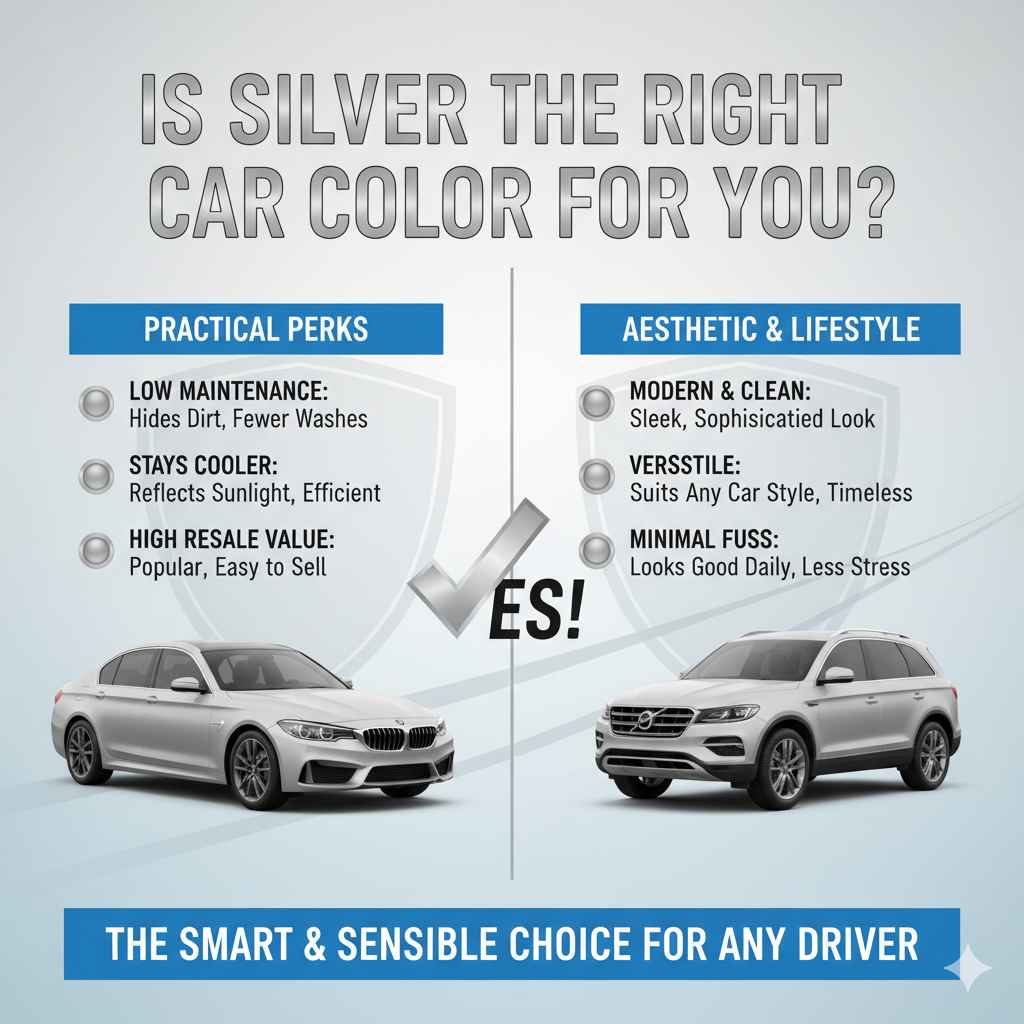
Deciding on a car color is a personal choice, but silver consistently proves itself to be one of the most practical and sensible options available. Its ability to hide dirt, its enduring appeal, and its strong resale value make it a smart pick for many drivers.
If your priority is a car that looks good with minimal fuss, stays cooler in the sun, and is easy to sell when the time comes, then silver is an excellent choice. While it might not be the most flamboyant color, its quiet confidence and reliable performance in daily life are hard to beat. It’s a color that works hard behind the scenes, keeping your car looking sharp while you get on with your life.
So, when you’re browsing car lots or configuring your next vehicle online, don’t hesitate to consider silver. It’s a classic for a reason, offering a fantastic blend of style and substance that truly makes it a good car color for almost anyone.
Frequently Asked Questions (FAQ)
Here, we answer some common questions beginners might have about choosing a silver car.
What makes a silver car look dirty?
While silver hides dirt well, caked-on mud, heavy road salt in winter, or large patches of pollen will eventually show. Darker grime, tar spots, or heavy water spots that have mineral deposits can also be visible. However, compared to dark colors, you can often go much longer between full washes.
Does silver paint chip easily?
The durability of paint, including silver, depends more on its quality and application than the color itself. Modern automotive paints are quite robust. However, any color can chip if subjected to direct impacts like gravel thrown up from the road or minor collisions. Metallic silver finishes, when chipped, might show the underlying primer color, which can be more noticeable than on an unpainted surface.
Are silver cars hard to match for touch-up paint?
Matching metallic silver paint can be challenging for touch-ups because of the tiny metallic flakes within the paint. If the flakes aren’t oriented correctly during application or if the shade is slightly off, the repair area might stand out. Always try to get the exact paint code for your vehicle and consider professional touch-up services or reputable DIY kits specifically designed for metallic finishes.
How do I make my silver car shine?
To make a silver car shine, start with a thorough wash and dry. Apply a high-quality car wax or paint sealant. For an extra boost, a clay bar treatment can remove embedded contaminants before waxing, leaving the paint surface incredibly smooth. Buffing with a clean microfiber cloth after applying wax will enhance the shine. Regular washing and protection are key.
Is silver a safe car color?
Yes, silver is considered a safe car color. Studies have shown that lighter-colored vehicles, including silver and white cars, tend to be more visible in various lighting conditions compared to darker colors. This increased visibility can potentially contribute to fewer accidents. For instance, research from Injury Prevention has explored the link between vehicle color and crash risk.
Will a silver car get really hot in the summer?
No, silver cars generally stay much cooler in the summer sun than darker colored cars. Silver paint reflects a significant amount of solar radiation, absorbing less heat. This means the interior of a silver car will likely be more comfortable when exposed to direct sunlight compared to black, dark blue, or other dark-colored vehicles.
Should I get a metallic or flat silver for my car?
Metallic silver has small metallic flakes mixed into the paint, which gives it a sparkle and depth, enhancing its shine and ability to hide imperfections. Flat or non-metallic silver is more of a solid, one-dimensional color. Metallic silver is generally preferred for its aesthetic appeal and how it reflects light, making the car look cleaner and more dynamic. Flat silver might show dirt and imperfections more readily.
Conclusion
As we’ve explored, silver stands out as a truly excellent choice for a car color. It expertly balances aesthetics with practicality, offering a blend of benefits that are hard to ignore. From its remarkable ability to conceal dirt and minor imperfections – meaning less time spent washing and more time enjoying your ride – to its solid resale value that protects your investment, silver is a smart, sensible decision for any driver.
The cooler interior temperature on hot summer days is another significant perk, enhancing comfort and potentially reducing wear on your car’s cabin. Its timeless appeal means your silver vehicle will likely look stylish for years to come, transcending fleeting trends. While some may find it less unique than bolder colors, this very ubiquity contributes to its broad market