Low Car Battery: Overnight Charging Worth It
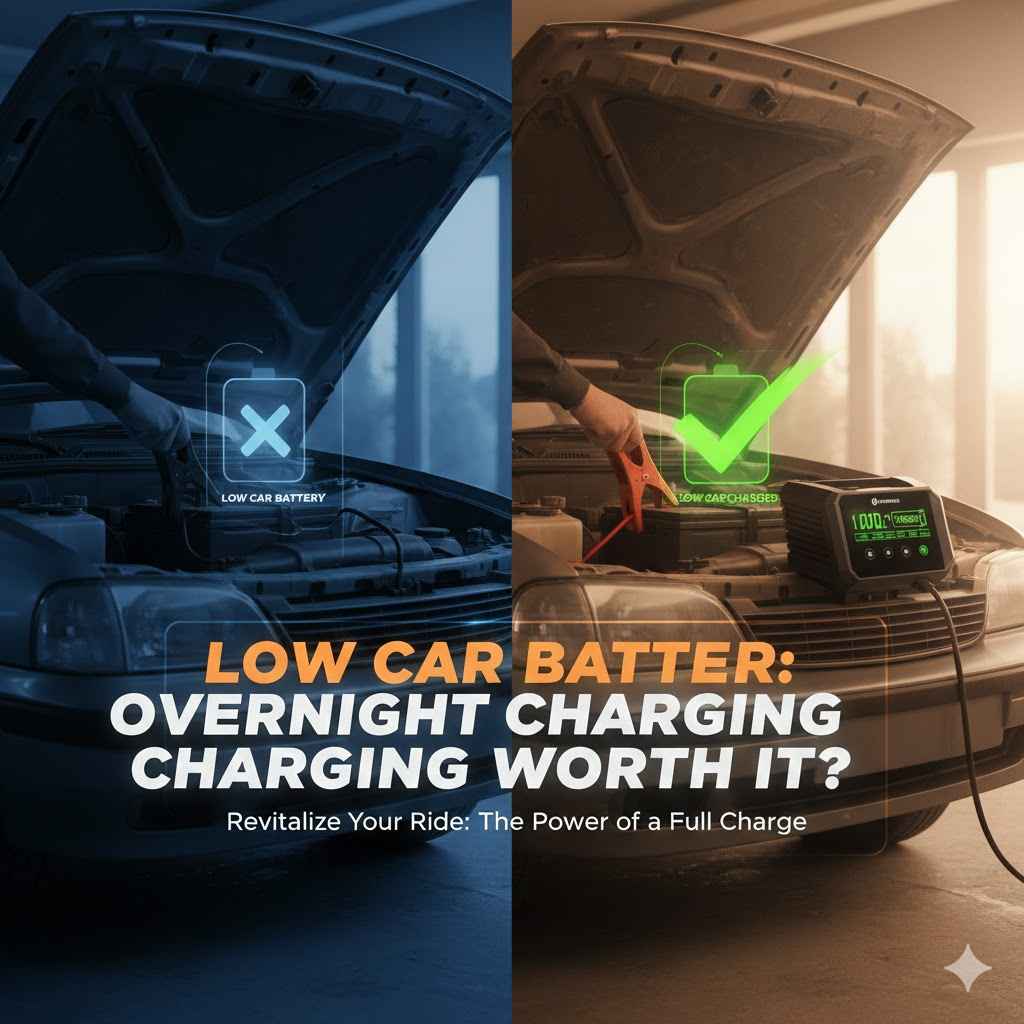
It’s super common to wake up and find your car won’t start, leaving you wondering about that Low Car Battery: Is Overnight Charging Worth It? question. If you’re new to car care, figuring out how to fix a dead battery can seem a bit tricky. Don’t worry, though!
We’ll walk through it simply, step by step. Let’s see if leaving your car plugged in all night is the best move.
Understanding Your Car Battery
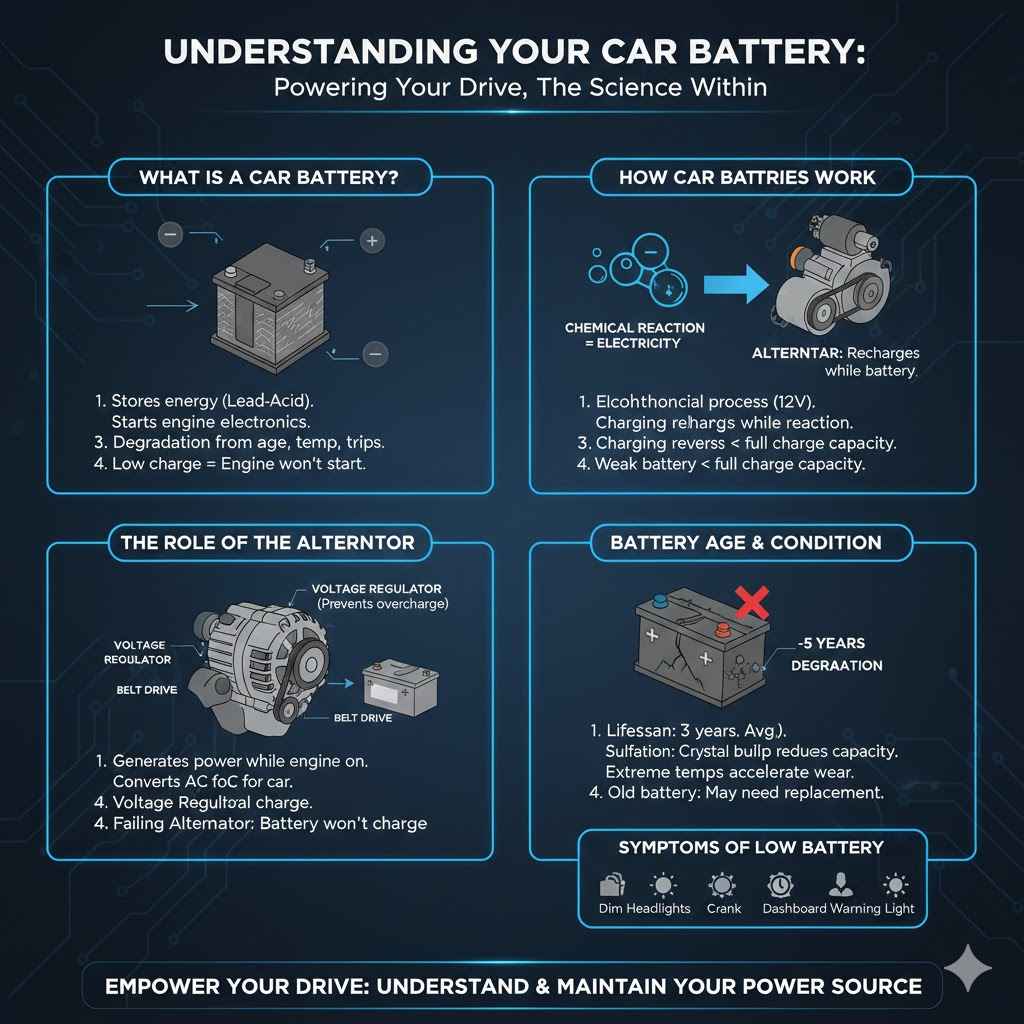
A car battery is like the heart of your vehicle’s electrical system. It stores energy to start the engine and powers many electronic components when the engine is off. Car batteries are typically lead-acid batteries, meaning they contain lead plates submerged in an electrolyte solution.
This chemical reaction creates the electrical power your car needs. Over time, batteries degrade, and their ability to hold a charge weakens. Factors like extreme temperatures, short trips, and age all contribute to battery wear.
When a battery is “dead” or “low,” it means it doesn’t have enough stored electrical energy to turn over the starter motor and get the engine running.
When a car battery runs low, you might notice dim headlights, slow cranking when you try to start the engine, or interior lights that flicker. Sometimes, a warning light on your dashboard will illuminate, indicating a battery issue. If you’ve experienced these signs, you’re likely wondering about the best way to bring your battery back to life.
This is where the question of charging methods comes into play.
How Car Batteries Work
Car batteries are electrochemical devices. They consist of several cells, each producing about two volts. These cells are connected in series to achieve the desired voltage, usually 12 volts for most cars.
The lead plates, made of lead and lead dioxide, are immersed in a sulfuric acid solution. When you start your car, a chemical reaction occurs, releasing electrons and creating an electric current. This current powers the starter motor, which then cranks the engine.
Once the engine is running, the alternator takes over, providing power to the car’s electrical systems and also recharging the battery.
The process of charging a battery reverses this chemical reaction. An external power source, like a battery charger, forces electrons back into the battery, rebuilding the chemical compounds. A full charge means the battery can store and deliver its maximum electrical capacity.
A weak battery might not be able to accept a full charge or hold it for long.
The Role of the Alternator
The alternator is a crucial component that keeps your battery charged while the engine is running. It’s a small generator driven by a belt connected to the engine’s crankshaft. As the engine turns, the alternator spins, producing alternating current (AC).
This AC is then converted to direct current (DC) by a rectifier, which is the type of electricity your car’s battery and electrical systems use. The alternator also has a voltage regulator that ensures the battery is not overcharged or undercharged, maintaining an optimal voltage level.
If your alternator is failing, it might not be able to charge the battery sufficiently. This can lead to a dead battery even if the battery itself is still in good condition. Symptoms of a failing alternator include dimming headlights while driving, flickering dashboard lights, a strange whining noise from under the hood, or a battery warning light that stays on.
It’s important to distinguish between a battery problem and an alternator problem, as simply charging a battery won’t solve an issue with the alternator.
Battery Age and Condition
Car batteries have a lifespan, typically ranging from three to five years, though this can vary based on climate and usage. As a battery ages, its internal components can degrade, reducing its capacity to hold a charge. Sulfation is a common issue where lead sulfate crystals build up on the battery plates, hindering the chemical reaction needed for power generation and charging.
Extreme temperatures, both hot and cold, can accelerate this degradation process.
A battery that is too old or has been deeply discharged multiple times may not be able to recover its full capacity, even with a proper charge. In such cases, replacing the battery is the only solution. Testing a battery’s health involves checking its voltage and its ability to hold a charge under load.
Most auto parts stores offer free battery testing services.
Is Overnight Charging Safe for Your Car Battery?
The question of whether overnight charging is safe or effective for a low car battery is a common one. The answer often depends on the type of charger you are using and the condition of your battery. Older, simpler chargers might overcharge a battery if left connected for too long, potentially causing damage.
However, modern smart chargers are designed to prevent this. They monitor the battery’s state of charge and adjust the charging rate accordingly, often switching to a trickle charge or shutting off automatically once the battery is full. If you’re using a smart charger, leaving it connected overnight is generally considered safe and can be an effective way to ensure your battery is fully topped up.
For beginners, the key is to use the right equipment. If you’re unsure about your charger, it’s always best to follow the manufacturer’s instructions or consult a mechanic. Leaving a basic charger connected for days could indeed be detrimental, leading to overheating or damage to the battery’s internal components.
Conversely, a fully charged battery is essential for reliable starting, especially in cold weather.
Types of Battery Chargers
There are several types of car battery chargers available, each with its own features and capabilities. Understanding these differences is key to choosing the right one for your needs and ensuring safe charging practices.
Manual or Basic Chargers
These chargers typically provide a constant flow of electricity to the battery. They are straightforward and relatively inexpensive. However, they lack sophisticated monitoring systems.
If you leave a manual charger connected for an extended period after the battery is fully charged, it can lead to overcharging. Overcharging can cause the electrolyte in the battery to boil, releasing hydrogen gas, which is flammable. It can also damage the battery plates, reducing its lifespan.
With a manual charger, it’s crucial to monitor the charging process closely. You should check the battery’s voltage periodically and disconnect the charger once it reaches a full charge (typically around 12.6 to 12.7 volts when not under load). This type of charger is best used under supervision and for shorter charging periods.
Automatic or Smart Chargers
Smart chargers, also known as intelligent or microprocessor-controlled chargers, are designed for safety and efficiency. They use advanced circuitry to monitor the battery’s voltage, current, and temperature. These chargers typically employ a multi-stage charging process:
- Bulk Stage: The charger delivers a high current to quickly bring the battery up to about 80% of its capacity.
- Absorption Stage: The charger reduces the current and increases the voltage to slowly bring the battery to a full charge.
- Float Stage: Once the battery is fully charged, the charger switches to a low-voltage maintenance charge, often called a “trickle charge.” This keeps the battery topped up without overcharging it.
Because of their ability to maintain a full charge safely, smart chargers are generally safe to leave connected overnight or even for longer periods, such as when a car is stored for an extended time. They are an excellent investment for anyone who wants a reliable and safe way to maintain their car battery.
Trickle Chargers
A trickle charger delivers a very low, constant current to a battery. Its primary purpose is maintenance rather than rapid charging. It’s ideal for keeping a battery topped up when a vehicle is not in regular use.
Leaving a trickle charger connected overnight is typically safe because the low current is unlikely to cause overcharging. However, a trickle charger is not effective for reviving a deeply discharged battery quickly.
If your battery is significantly drained, a trickle charger might take days to bring it back to a full charge. For faster charging, especially when you need to get your car running soon, a different type of charger would be more suitable. It’s important to differentiate between a trickle charger and a basic charger that might output a higher current.
Potential Risks of Overnight Charging
While overnight charging is often safe with modern equipment, there are still potential risks to consider, especially if you’re using older chargers or are not fully aware of the battery’s condition.
- Overcharging and Damage: As mentioned, basic chargers can overcharge a battery. This can lead to excessive heat, damage to the internal plates, and premature battery failure. The electrolyte can also evaporate, potentially exposing the plates and causing further damage.
- Fire Hazard: Lead-acid batteries release hydrogen gas during charging, especially when overcharged. Hydrogen is highly flammable. If charging occurs in an enclosed, unventilated space, and a spark or open flame is present, it could ignite the gas, causing an explosion or fire. This is a serious concern that requires proper ventilation.
- Damage to Vehicle Electronics: While less common with properly functioning chargers, a faulty charger or an unstable charging process could potentially send voltage spikes or surges into the car’s electrical system, damaging sensitive electronic components.
To mitigate these risks, always ensure you are charging in a well-ventilated area, away from sparks or open flames. Use a charger appropriate for your battery type and size. If you have any doubts, consult a professional.
The cost of a good smart charger is often far less than the cost of repairing vehicle electronics damaged by improper charging.
How to Charge Your Car Battery Overnight
If you’ve determined that overnight charging is the right approach for your situation, here’s a step-by-step guide to doing it safely and effectively. This process is especially useful if you have a smart charger or a trickle charger designed for long-term maintenance.
The most important factor is using the correct charger and ensuring it’s suitable for your car battery. Many modern cars have advanced battery management systems, and using the wrong type of charger could interfere with these systems. Always check your car’s manual for any specific recommendations regarding battery charging.
Step-by-Step Charging Process
- Gather Your Equipment: You will need your car battery charger (preferably a smart charger or trickle charger), jumper cables (though not directly used for charging itself, they are good to have on hand for other battery issues), and safety gear like gloves and eye protection.
- Locate the Battery: Open your car’s hood and find the battery. It’s usually a rectangular box with two terminals, positive (+) and negative (-).
- Disconnect the Battery (Optional but Recommended): For maximum safety, it’s a good idea to disconnect the battery terminals before attaching the charger. Always disconnect the negative terminal first, then the positive. This prevents accidental short circuits.
- Connect the Charger Clamps: Attach the red clamp of the charger to the positive (+) terminal of the battery. Then, attach the black clamp to the negative (-) terminal of the battery. Ensure the clamps have a good, secure connection.
- Connect to Power: Plug the charger into a standard electrical outlet.
- Set the Charger (If Applicable): If your charger has settings, select the appropriate mode for your battery type (e.g., lead-acid, AGM). For overnight charging with a smart charger, you typically don’t need to make adjustments after the initial setup.
- Monitor Initially: Even with a smart charger, it’s wise to check the charger’s status lights within the first hour to ensure it has started charging correctly and is not displaying any error codes.
- Let It Charge: With a smart charger or trickle charger, you can safely leave it connected overnight. The charger will manage the charging process and prevent overcharging.
- Disconnect After Charging: Once you’re ready to use your car, disconnect the charger from the power outlet first. Then, carefully remove the black clamp from the negative terminal, followed by the red clamp from the positive terminal. If you disconnected the battery earlier, reconnect the positive terminal first, then the negative terminal.
Always follow the specific instructions provided by your charger’s manufacturer. Improper connection or use can be dangerous.
Checking Battery Health Post-Charge
After charging your battery overnight, it’s a good idea to check its health. This helps you determine if the charging was successful and if the battery is still in good condition. You can use a voltmeter to check the battery’s voltage.
A fully charged car battery should read around 12.6 to 12.7 volts when the engine is off and no accessories are running. If the voltage is significantly lower, or if it drops quickly after disconnecting the charger, the battery may be failing and might need replacement.
Many auto parts stores offer free battery testing services. They can perform a load test, which simulates the demands placed on the battery when starting the engine. This test provides a more accurate assessment of the battery’s overall health and its ability to hold a charge under stress.
This is a valuable step to take after experiencing a low battery situation.
Ventilation is Key
Charging a car battery, especially lead-acid types, can release hydrogen gas. This gas is highly flammable. Therefore, it is absolutely critical to ensure that you are charging your battery in a well-ventilated area.
Avoid charging in enclosed garages, basements, or near any open flames, sparks, or sources of ignition. Good ventilation helps to dissipate any gasses released, significantly reducing the risk of fire or explosion. An open garage door or working outdoors are ideal scenarios for charging a car battery.
If you must charge indoors, open all windows and doors to provide maximum airflow. Consider using a battery charger that is specifically designed for low gas emission or sealed batteries, although ventilation should still be a priority. The safety precautions are paramount when dealing with car batteries and electrical charging equipment.
When Overnight Charging Might NOT Be Enough
While overnight charging can be effective, there are situations where it might not solve your problem, or it might indicate a more serious issue with your car’s electrical system.
- Deeply Discharged Battery: If your battery was completely drained (e.g., due to leaving lights on for an extended period), even overnight charging might not fully recover it, especially with a less powerful charger. A deeply discharged battery can sometimes be permanently damaged, reducing its capacity. In such cases, a higher amperage charger or professional service might be needed, or the battery may require replacement.
- Failing Alternator: If your battery keeps dying even after being charged, the problem might not be the battery itself but the alternator. The alternator is responsible for recharging the battery while the engine is running. If it’s not working correctly, the battery won’t get replenished, and it will eventually die again.
- Parasitic Draw: Some electrical components in your car might be drawing power even when the car is off. This is called a parasitic draw. If this draw is too high, it can drain the battery overnight. Diagnosing and fixing a parasitic draw requires specialized tools and knowledge.
- Old or Damaged Battery: Batteries have a limited lifespan. If your battery is old (three to five years or more) or has been damaged by extreme temperatures or repeated deep discharges, it may no longer be able to hold a charge effectively, regardless of how long you charge it.
In these scenarios, simply charging the battery overnight won’t provide a lasting solution. It’s essential to diagnose the root cause of the battery drain to address the problem effectively. If you’re unsure about the cause, it’s always best to seek assistance from a qualified mechanic.
Alternatives to Overnight Charging
If overnight charging isn’t suitable for your situation, or if you need a quicker solution, several alternatives exist. These methods can help you get your car started faster or provide different ways to maintain your battery’s health.
When you’re in a hurry, waiting hours for a battery to charge is not always an option. Fortunately, there are quicker ways to get power back into your battery or to get your car moving again. These alternatives focus on speed and immediate relief, which can be invaluable when you’re on a tight schedule.
Jump Starting Your Car
Jump starting is a common and immediate solution for a dead car battery. It involves using jumper cables to connect your car’s battery to the battery of another working vehicle. This allows the working vehicle’s alternator to provide enough power to start your car.
-
Procedure:
- Park the working vehicle close enough to yours so the jumper cables can reach both batteries.
- Turn off both vehicles and ensure all accessories (lights, radio, etc.) are off.
- Open the hoods of both cars and locate the batteries.
- Connect one red (positive) clamp of the jumper cables to the positive (+) terminal of the dead battery.
- Connect the other red clamp to the positive (+) terminal of the good battery.
- Connect one black (negative) clamp to the negative (-) terminal of the good battery.
- Connect the final black clamp to an unpainted metal surface on the engine block or chassis of the car with the dead battery, away from the battery itself. This is a grounding point and helps prevent sparks near the battery.
- Start the engine of the working vehicle and let it run for a few minutes to charge the dead battery slightly.
- Attempt to start the engine of the car with the dead battery.
- If it starts, let both engines run for at least 10-15 minutes to allow the alternator to charge the battery.
- Carefully disconnect the jumper cables in the reverse order of connection: black from the dead car, black from the good car, red from the good car, red from the dead car.
Jump starting provides immediate power to start the engine, but it doesn’t “charge” the battery in the traditional sense. It just gives it enough of a boost to get the engine running so the alternator can begin its charging process. It’s a temporary fix if the battery is still healthy; if the battery is old or damaged, it might die again soon.
Using a Portable Jump Starter
A portable jump starter is a battery pack that can deliver a jolt of power to start your car without needing another vehicle. These devices are convenient and great to keep in your trunk. They contain a high-capacity battery and built-in jumper cables.
The process is similar to using jumper cables from another car:
- Ensure the portable jump starter is fully charged.
- Connect the red clamp to the positive terminal of your car’s battery.
- Connect the black clamp to the negative terminal of your car’s battery or a suitable grounding point on the car’s chassis.
- Turn on the jump starter and attempt to start your car.
- Once the car starts, disconnect the jump starter clamps immediately.
Portable jump starters are very useful for solo drivers or those who might not have easy access to another vehicle. They are designed to provide a high surge of current specifically for starting engines. Most modern jump starters also include safety features like reverse polarity protection and short circuit prevention.
Faster Charging Methods
For those who need a quicker charge than overnight, some chargers offer faster-charging capabilities, though these should be used with caution.
High-Amperage Chargers
Some chargers have a “boost” or “fast charge” mode that delivers a higher amperage for a shorter period. This can charge a battery much more quickly, sometimes in an hour or two, to get you going. However, using high amperage for extended periods can stress the battery and potentially shorten its lifespan.
It’s crucial to follow the charger’s instructions for these modes and not leave the battery on a fast charge for longer than recommended.
These chargers are ideal for situations where you need to get your car running quickly and don’t have the luxury of overnight charging. They are particularly useful if your battery is only moderately discharged. If the battery is severely damaged, even a fast charger might not be able to bring it back to a usable state.
Battery Desulfators
Sulfation is a common cause of battery failure, where lead sulfate crystals build up on the battery plates, reducing its capacity and ability to accept a charge. Battery desulfators are devices that send electronic pulses to the battery to break down these sulfate crystals. Some smart chargers have a desulfation mode built in.
These devices can sometimes revive a battery that has lost capacity due to sulfation. However, they are not a miracle cure. If the battery is physically damaged or very old, a desulfator may not be effective.
They are best used as a maintenance tool or for batteries that are showing early signs of sulfation.
Low Car Battery Overnight Charging Worth It? Comparing Options
When facing a low car battery, the decision of whether overnight charging is “worth it” depends on several factors: the type of charger, the battery’s condition, and your immediate needs. Overnight charging is often the safest and most effective method if you have a smart charger and the time available. It ensures the battery reaches a full charge without the risk of overcharging or damage.
However, if you need your car immediately, jump-starting or using a portable jump starter are faster solutions. These provide a quick boost to get the engine running. For long-term battery health, regular maintenance with a trickle charger or a smart charger’s maintenance mode is highly beneficial.
Ultimately, understanding your battery’s condition and using the appropriate charging method will save you time, money, and potential frustration.
Cost-Benefit Analysis
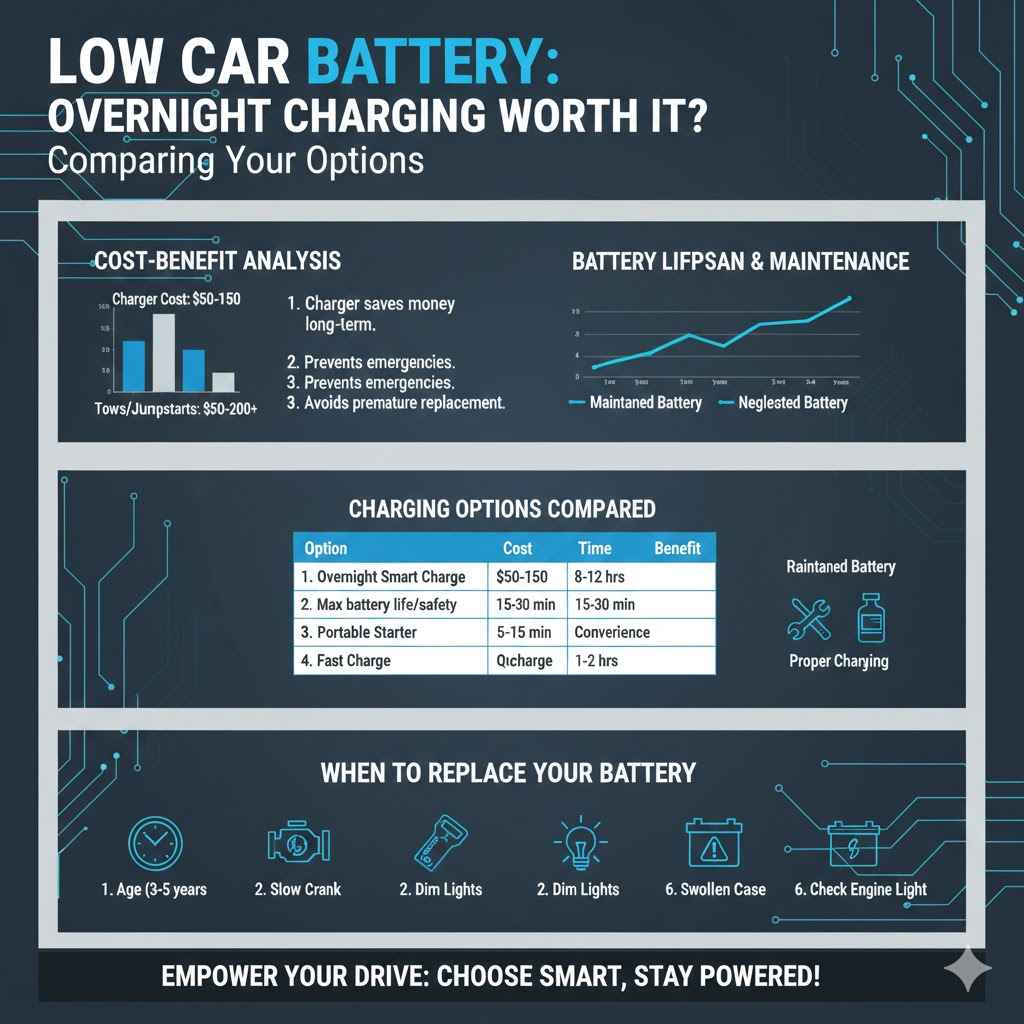
The cost of a good smart charger can range from $50 to $150. While this might seem like an upfront expense, it can save you money in the long run. A smart charger prolongs the life of your battery by preventing overcharging and ensuring it’s always optimally charged.
A healthy battery means fewer emergency calls, fewer jump starts, and potentially avoiding the cost of a premature battery replacement. If you consider the cost of a single tow or a new battery, the investment in a quality charger often pays for itself.
Conversely, relying on frequent jump-starts can be inconvenient and may not address the underlying issue if the battery is aging or if there’s a parasitic drain. If your battery is consistently dying, the cost of multiple jump-starts or service calls could quickly exceed the price of a charger or a new battery.
Let’s look at a simple comparison:
| Option | Upfront Cost | Time Required | Long-Term Benefit | Risk |
|---|---|---|---|---|
| Overnight Smart Charging | $50 – $150 (for charger) | 8-12 hours | Max battery life, full charge, safety | Minimal with proper use |
| Jump Starting (with another car) | Free (if you have a friend) | 15-30 minutes | Immediate start, temporary | Requires another vehicle, potential for error |
| Portable Jump Starter | $60 – $120 | 5-15 minutes (to start) | Convenience, self-reliance | Requires charging the starter itself |
| High-Amperage Fast Charging | Included in some chargers ($50+) | 1-2 hours | Quick charge | Potential battery stress if overused |
Battery Lifespan and Maintenance
Proper charging maintenance significantly impacts a car battery’s lifespan. Batteries that are regularly kept at a full charge tend to last longer than those that are frequently left in a discharged state. Overcharging, on the other hand, can damage the battery’s internal components, shortening its life.
Smart chargers and trickle chargers excel at maintaining optimal charge levels, which helps prevent the degradation processes that lead to early battery failure. For instance, a battery that might typically last 4 years could potentially last 5 or 6 years with consistent, proper charging and maintenance.
Regular battery testing, especially if your car is older or used for many short trips, is also a good practice. Many auto shops offer this service for free. Identifying a weakening battery before it completely fails can save you from being stranded.
A simple voltage check or load test can provide valuable insights into the battery’s remaining health.
When to Replace Your Battery
Sometimes, charging is not enough, and it’s time to replace your car battery. Here are signs that indicate your battery is nearing the end of its life:
- Age: Batteries typically last 3-5 years. If yours is older, it’s more prone to failure.
- Slow Engine Crank: If the engine cranks slowly, it’s a sign the battery is struggling to provide enough power.
- Dim Lights: Headlights or interior lights dimming, especially when the engine isn’t running or at idle, can indicate a weak battery.
- Frequent Jump Starts: If you find yourself needing jump starts repeatedly, your battery likely can’t hold a charge anymore.
- Swollen or Leaking Battery Case: This is a sign of internal damage, possibly due to overcharging or extreme temperatures, and the battery should be replaced immediately.
- Check Engine Light: While this light can indicate many issues, a faulty battery can sometimes trigger it.
Replacing a car battery is generally a straightforward process, but it’s important to dispose of the old battery properly, as they contain hazardous materials and can be recycled. Most auto parts stores will take your old battery when you purchase a new one.
Frequently Asked Questions
Question: Can I leave a basic trickle charger plugged in all the time?
Answer: A true trickle charger delivers a very low current and is generally safe for continuous use to maintain a charge. However, if you have a basic charger that outputs a higher amperage, it’s not advisable to leave it connected constantly as it can lead to overcharging and damage.
Question: How long does it take to charge a car battery with a smart charger?
Answer: A smart charger typically takes between 8 to 12 hours to fully charge a deeply discharged car battery. This multi-stage process ensures a complete and safe charge.
Question: What happens if I connect the jumper cables incorrectly?
Answer: Connecting jumper cables incorrectly, especially reversing the polarity (connecting positive to negative), can cause sparks, damage the car’s electrical system, and potentially damage the batteries. Always double-check the connections before proceeding.
Question: Can charging a car battery indoors be dangerous?
Answer: Yes, charging lead-acid batteries indoors can be dangerous because they release flammable hydrogen gas. Always charge in a well-ventilated area, away from any sparks or open flames, to prevent the risk of explosion or fire.
Question: How do I know if my car battery needs to be replaced?
Answer: Signs that your battery needs replacement include its age (over 3-5 years), slow engine cranking, dimming lights, and needing frequent jump starts. A professional load test can confirm if replacement is necessary.
Summary
Deciding if overnight charging is right for your Low Car Battery: Is Overnight Charging Worth It? depends on your charger. Smart chargers make overnight charging safe and effective, topping up your battery without risk. For immediate needs, jump-starting is quicker.
Proper charging and maintenance extend battery life. Always prioritize safety with ventilation.