What to Do After Replacing a Car Battery: Reset, Relearn & Recycle
After replacing a car battery, check that both terminals are tight and correctly polarized, reprogram the radio presets and clock, drive for at least 15–20 minutes to let the alternator recharge the new battery and let the engine’s idle relearn itself, then dispose of the old battery at a recycling center. Newer vehicles may also need the power windows’ auto-up/auto-down feature relearned — a step most guides skip entirely.
Skipping these steps is why some drivers report a rough idle, a car alarm that won’t stop, or power windows that no longer auto-reverse a few days after a battery swap — none of which mean the new battery is bad.
Quick Answer: After replacing a car battery: tighten and verify polarity on both terminals, reprogram the radio and clock, drive 15–20 minutes so the alternator recharges the battery and the engine idle relearns itself, hold each power window switch down for 4+ seconds to relearn auto-up/down, and recycle the old battery at an auto parts store or recycling center.
Check Battery Connections
Always ensure cables are tight after replacing the battery. Loose cables can cause problems. Use a wrench to check the tightness. If cables are loose, the car might not start. Tight cables help the car run smoothly.
Check if the positive and negative terminals are correct. Wrong polarity can damage the battery and car. Look for the plus (+) sign for positive. Minus (-) sign is for negative. Proper polarity is important for safety (see our guide on which cable to connect first if you’re doing the swap yourself). Double-check connections before starting the car.
Reset Electrical Systems
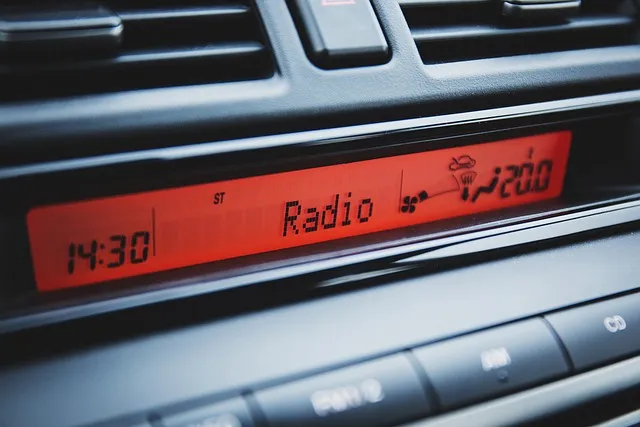
Always reprogram the radio presets after changing the battery. First, turn on the radio. Find your favorite stations. Use the buttons to save each station. Hold the button until it beeps. Do this for all stations you like. Make sure you remember your favorite channels. This makes driving more fun.
Set the clock to the right time. Press the clock button. Use the arrows to set the hour. Do the same for minutes. Double-check the time. This helps you stay on time. A correct clock is important for trips. It helps you manage your day better.
Idle Relearn and Power Window Relearn: The Steps Most Guides Skip
Radio presets and the clock aren’t the only things that need resetting. Modern engines use an idle air control system that learns your specific engine’s idle characteristics over time — disconnecting the battery erases that learned data, which is why some cars idle rough or even stall for the first few minutes after a battery swap. To relearn it: with the parking brake set and the transmission in Park (or Neutral for a manual), start the engine and let it reach normal operating temperature, then idle for at least one minute with everything (A/C, radio, lights) off, then one more minute with the A/C on. Idle speed typically settles within 10–15 minutes; some transmission shift-quality issues can take a few days of normal driving to fully adapt. (For a deeper look at which systems reset themselves and which don’t, see does the car or battery need a reset.)
Separately, many vehicles built since the late 1990s also lose the power windows’ auto-up/auto-down (one-touch) feature after a battery disconnect — the windows will still move, but only while you hold the switch. To relearn it, close each door, then hold the switch for that window all the way up for about 4 seconds after the window is fully closed, then hold it all the way down for 4 seconds after the window is fully open. Repeat per window; the exact hold time and order can vary slightly by manufacturer, so check your owner’s manual if the auto-up/down feature still doesn’t work afterward.
Make the Next Battery Swap Easier
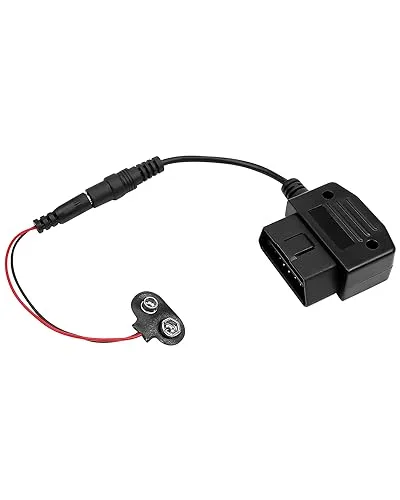
OBD-II Port Memory Saver (Hero Pick)
Best for: Skipping the radio/clock reprogramming and idle relearn covered in this article entirely, next time.
Why we picked it: Plugs into the OBD2 port and runs off a 9V battery to keep the car’s memory alive while the main battery is disconnected — no reset needed afterward.
Main drawback: Doesn’t help this time around, only on your next battery swap.
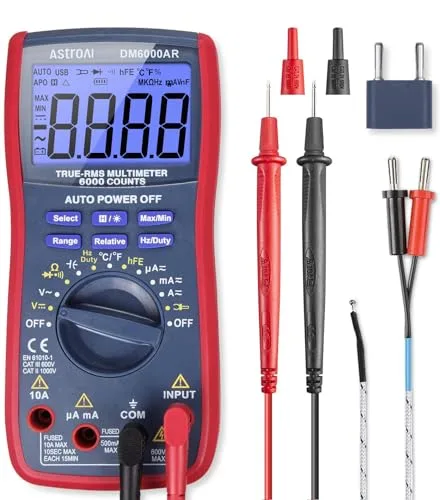 AstroAI True RMS Digital Multimeter Confirms the new battery is actually reading a healthy 12.6V before you drive off. Check on Amazon |
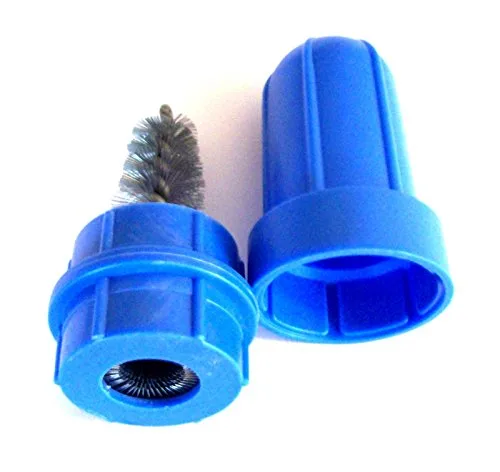 Battery Terminal Cleaner Brush (4-Pack) The exact brush-and-baking-soda step this article recommends for corroded terminals, without improvising with an old toothbrush. Check on Amazon |
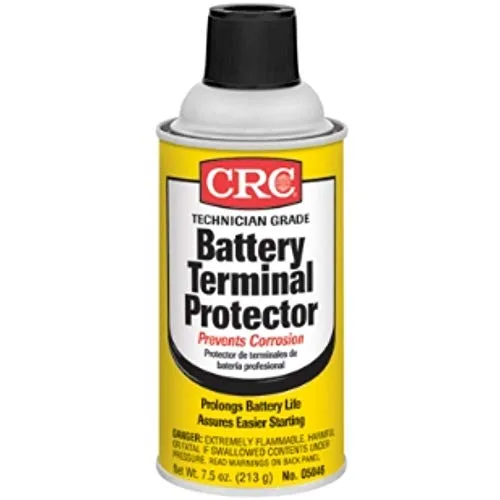 CRC Battery Terminal Protector A cleaner, longer-lasting alternative to the petroleum jelly trick for preventing future corrosion. Check on Amazon |
As an Amazon Associate we earn from qualifying purchases.
Test Battery Performance
Check the battery with a multimeter. This helps you know its strength. Set the multimeter to 20 volts. Touch the black probe to the negative terminal. Touch the red probe to the positive terminal. The display shows the battery voltage. A healthy battery reads around 12.6 volts. Readings below 12.4 volts mean the battery might be weak.
Using a multimeter is easy. It helps you understand battery health. Make sure the engine is off. Connect probes to battery terminals. Check the reading. This tells you if the battery is good. A strong battery is important for your car.
Watch for any warning lights on the dashboard. These lights tell you if something is wrong. Pay attention to the battery light. If it stays on, the battery might have issues. It could mean the charging system has problems too. Always fix these issues quickly.
Ensure Proper Charging
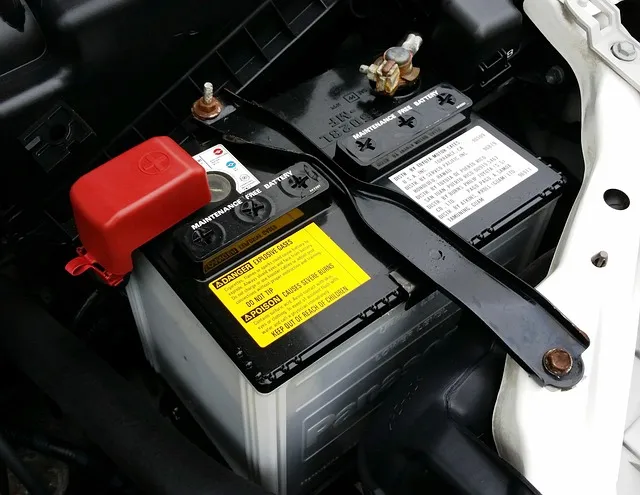
Check Alternator Functionality: Your car’s battery needs a good alternator. It helps in keeping the battery charged. Start the car and let it idle. Use a voltmeter to check the voltage. It should read between 13.8 and 14.2 volts. If the voltage is low or high, the alternator may be faulty. A bad alternator can drain your battery quickly. Get it checked by a mechanic if needed. This step ensures your battery charges well.
Look for Corrosion: Corrosion can stop the battery from charging well (and in some cases it’s more than a nuisance — see is car battery corrosion dangerous). Check the battery terminals for any white or greenish buildup. Clean the terminals with a battery cleaning brush. Use a mix of baking soda and water for tough spots. Rinse with clean water and dry the terminals. Apply petroleum jelly to prevent future corrosion. Proper care helps your battery last longer.
Dispose Of Old Battery
After replacing your car battery, ensure the old one is disposed of responsibly. Take it to a recycling center or auto shop. Recycling helps prevent environmental harm and conserves resources. Proper disposal also complies with local regulations, ensuring safety and sustainability.
Find Recycling Centers
Old car batteries are harmful to the earth. They must be recycled properly. Recycling centers know how to handle them. You can find these centers in your area. Check online or ask friends. Some auto shops also recycle batteries. Make sure the center is certified. This ensures safe disposal.
Check Local Regulations
Different places have different rules. These rules tell you how to dispose of old car batteries. Some areas offer special collection days. This is when you can drop off your old battery. Other places might have drop-off points. It’s important to follow these rules. This keeps everyone and the planet safe.
Maintain Battery Health
Dirt and grime can hurt your battery’s health. Clean the terminals often. Use a mix of baking soda and water. This mix cleans well. A brush helps scrub the dirt away. Corrosion can block the power flow. Keep terminals shiny and clean. Wear gloves to protect your hands.
Never let the battery drain fully. It may damage the battery cells. Use your car often to keep the battery charged. Short drives help keep it alive. Don’t leave lights on when the car is off. This drains the battery fast. Keep your battery healthy and happy.
Frequently Asked Questions
How To Reset Car Settings After Battery Change?
After replacing your car battery, some settings may reset. Check your radio, clock, and seat memory settings. Reprogram them manually if needed. Refer to your car’s manual for specific instructions. Some newer vehicles may automatically restore settings once the battery is replaced.
Do I Need To Test The New Battery?
Testing the new battery ensures it functions properly. Use a multimeter to check its voltage. A healthy battery should read around 12.6 volts. If it’s lower, it might need charging or replacement. Regular testing can prevent unexpected breakdowns.
Why Is My Car Alarm Sounding After Battery Replacement?
Car alarms can sound due to battery disconnection. Unlock your car using the remote or key. This should reset the alarm system. If a dashboard anti-theft light stays on instead, see anti-theft light blinking and car won’t start. If issues persist, consult your vehicle’s manual or contact a professional. They can offer further guidance on resolving alarm problems.
Should I Drive Immediately After Battery Replacement?
It’s advisable to drive immediately after replacing the battery. This helps the alternator charge the battery fully. It also allows the car’s systems to recalibrate. Drive for at least 15-20 minutes to ensure optimal battery performance and system resetting.
Mechanics who install batteries regularly note that the idle relearn drive is the step customers skip most often — they drive off immediately after the swap, then come back a day later worried the new battery is defective when the engine is really just still relearning its idle.
Conclusion
Replacing your car battery is just the beginning. Next, ensure all connections are tight. Check if lights and electronics work properly. Reset your car’s clock and radio settings. Test drive to confirm smooth operation. Listen for unusual sounds. Keep a record of the battery replacement date.
Regularly check the battery for corrosion or dirt. A clean battery lasts longer. Stay attentive to signs of battery issues. Address them quickly. These steps help your car run efficiently. Your vehicle’s performance depends on routine maintenance. Always prioritize safety and reliability.
Products related to this article
Sponsored / affiliate links. As an Amazon Associate I earn from qualifying purchases. I may earn additional commission from eligible campaigns.