Major Car Companies That Make Cars in China
It might seem a bit tricky to figure out all the Major Car Companies That Make Cars in China, especially if you’re just starting to learn about the auto industry. So many brands and factories are involved! But don’t worry, we’ll make it super simple.
This guide will walk you through everything step by step. Get ready to see which big names are producing vehicles right there.
Global Automakers Manufacturing in China
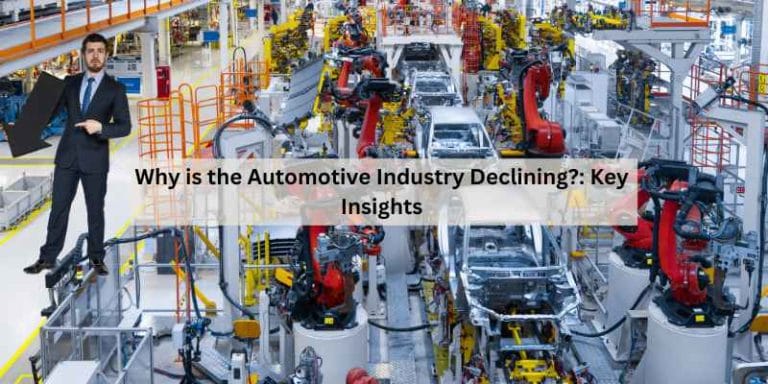
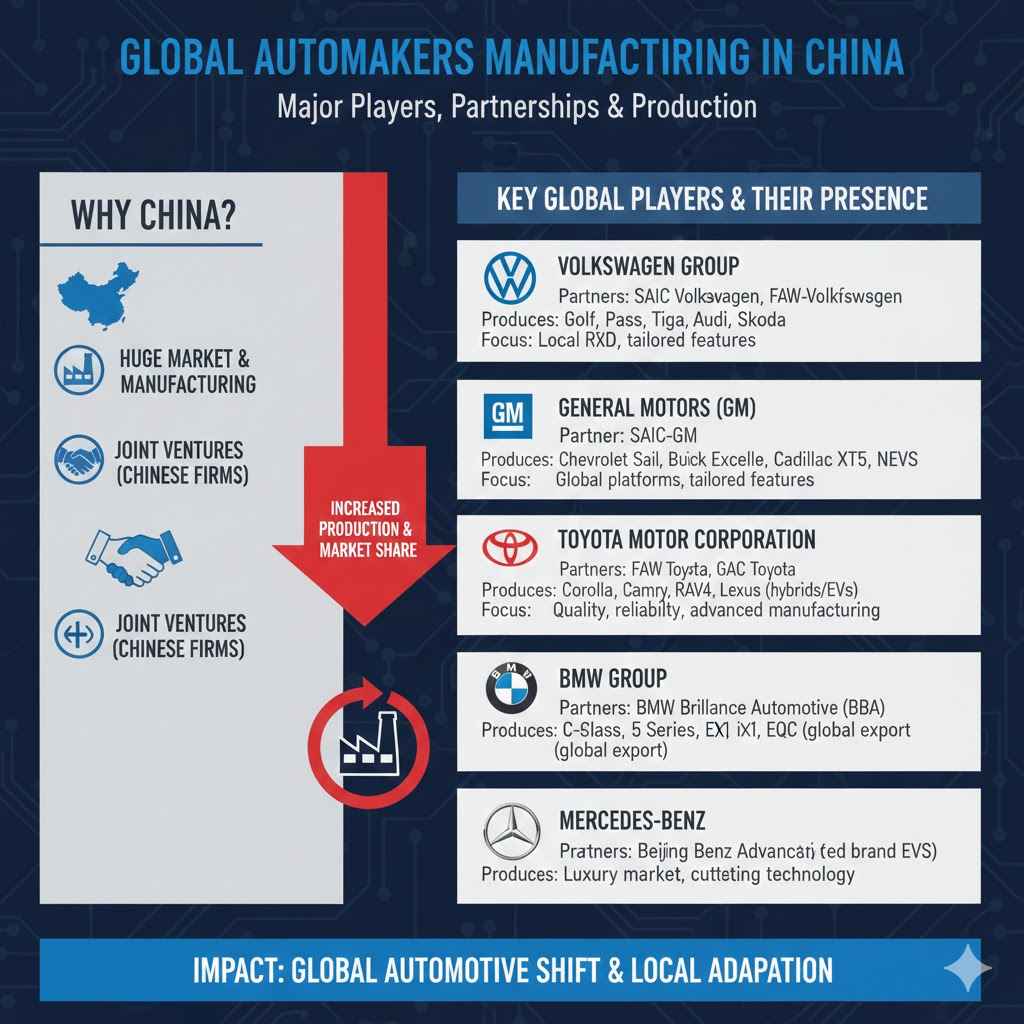
China has become a massive hub for car production. Many big international car companies choose to build their vehicles there. This is because China offers a huge market for new cars and has efficient manufacturing capabilities.
These companies form joint ventures with Chinese firms to produce cars for both the Chinese and global markets. This section will look at the major global players and their presence in China. We will explore why they operate there and what kinds of vehicles they make.
Volkswagen Group’s Presence in China
Volkswagen is one of the largest automakers worldwide and has a significant footprint in China. They have been operating in the country for decades, establishing strong partnerships.
- Volkswagen has multiple joint ventures in China, most notably with SAIC Motor (SAIC Volkswagen) and FAW Group (FAW-Volkswagen). These partnerships allow them to produce and sell a wide range of their popular models.
- They produce many of their core brands like the Volkswagen Golf, Passat, and Tiguan. They also manufacture Audi vehicles and Skoda cars through these ventures.
- Volkswagen invests heavily in local research and development, creating vehicles specifically designed for the Chinese market’s preferences. This includes features like longer wheelbases and advanced infotainment systems.
Volkswagen’s strategy in China focuses on meeting local demand and adapting to consumer tastes. They have built numerous factories across the country. This extensive network allows them to produce millions of vehicles annually.
General Motors’ Operations in China
General Motors (GM) is another major global automaker with a strong presence in China. They operate through their SAIC-GM joint venture.
- SAIC-GM is a very successful partnership, producing vehicles under the Chevrolet, Buick, and Cadillac brands.
- GM produces popular models such as the Chevrolet Sail and Malibu, the Buick Excelle and Envision, and Cadillac’s XT5 and CT6.
- The company has also introduced many new energy vehicles (NEVs) to the Chinese market, aligning with the country’s push for electric mobility.
GM’s approach involves leveraging its global platforms while tailoring features to Chinese buyers. They have a substantial manufacturing capacity spread across various Chinese cities. This ensures efficient production and distribution.
Toyota Motor Corporation’s Chinese Manufacturing
Toyota, the world’s largest automaker by sales, also has a significant manufacturing operation in China. They work with two main joint venture partners: FAW Group and Guangzhou Automobile Group (GAC).
- FAW Toyota produces popular models like the Corolla, Camry, and RAV4.
- GAC Toyota manufactures vehicles such as the Levin, Camry, and Highlander, as well as their luxury Lexus brand.
- Toyota is increasing its focus on hybrid and electric vehicle production in China, responding to market trends and government policies.
Toyota’s strength lies in its reputation for quality and reliability. These factors are highly valued by Chinese consumers. The company has invested in advanced manufacturing techniques in its Chinese plants.
BMW Group’s Joint Venture in China
BMW, the German luxury car manufacturer, has a significant joint venture with Brilliance China Automotive Holdings. This partnership is known as BMW Brilliance Automotive (BBA).
- BBA produces a wide array of BMW models for the Chinese market, including the 3 Series, 5 Series, X1, and X3.
- They have also begun producing electric BMW models, such as the iX3, which is specifically made for the Chinese market and exported globally.
- BMW has expanded its production facilities significantly in recent years, showing its long-term commitment to China.
BMW’s strategy involves offering a premium product that resonates with China’s growing affluent population. They emphasize advanced technology and driving dynamics in their vehicles.
Mercedes-Benz’s Production in China
Mercedes-Benz, another leading luxury car brand, manufactures vehicles in China through its joint venture with BAIC Group. This entity is known as Beijing Benz Automotive.
- Beijing Benz produces popular Mercedes-Benz sedans like the C-Class and E-Class, as well as SUVs such as the GLA and GLC.
- They are also producing electric vehicles under the EQ brand, including the EQC SUV.
- The company has invested in state-of-the-art production lines and quality control measures to ensure its vehicles meet global standards.
Mercedes-Benz aims to capture a significant share of the luxury vehicle market in China. They focus on design, comfort, and cutting-edge technology.
Chinese Domestic Car Companies
Beyond the international brands, China has a thriving domestic automotive industry. These companies are not only building cars for the Chinese market but are increasingly looking to export their vehicles globally. They have grown rapidly, often through learning from international partnerships and investing heavily in research and development.
This section will highlight some of the most prominent Chinese car manufacturers.
BYD Company Limited
BYD is a powerhouse in both new energy vehicles (NEVs) and traditional cars. They have expanded rapidly and are now one of the world’s largest producers of electric vehicles.
- BYD produces a wide range of electric cars, plug-in hybrid vehicles, and battery-electric buses. Their model lineup includes the BYD Yuan, Song, and Han.
- The company also manufactures its own batteries, which gives it a competitive edge in terms of supply chain control and cost efficiency.
- BYD is aggressively expanding its global presence, exporting its vehicles to markets in Europe, Asia, and Latin America.
BYD’s success is driven by its focus on innovation and affordability in the NEV segment. They have become a significant competitor to both domestic and international automakers.
Geely Holding Group
Geely is one of China’s largest private automakers. It has grown significantly through both organic development and strategic acquisitions of international brands.
- Geely Auto produces its own branded vehicles, which are popular in China. They also own Volvo Cars, Lotus, and Polestar, and have a stake in Mercedes-Benz.
- Their product range includes sedans, SUVs, and compact cars, with a growing emphasis on electrified powertrains.
- Geely’s acquisition strategy has allowed it to gain advanced technology and global market access, significantly boosting its capabilities.
Geely’s diverse portfolio allows it to serve various market segments, from mass-market to premium. Their ability to integrate technology from their acquired brands is a key strength.
SAIC Motor Corporation Limited
SAIC Motor is a state-owned automotive manufacturer and one of the largest automakers in China. It is a key partner for many international brands operating in China.
- SAIC Motor produces cars under its own brands, such as MG and Roewe. The MG brand, in particular, has seen strong international sales, especially in Europe and Southeast Asia.
- It is also the major Chinese partner for General Motors and Volkswagen, producing and selling their vehicles through joint ventures like SAIC-GM and SAIC-Volkswagen.
- SAIC is actively involved in the development of new energy vehicles, with a growing range of electric and plug-in hybrid models.
SAIC’s dual role as a domestic manufacturer and a partner for foreign companies gives it broad market coverage and manufacturing expertise. They are a significant force in the Chinese automotive landscape.
Great Wall Motor Company Limited (GWM)
Great Wall Motor (GWM) is known for its SUVs and pickup trucks. It has been expanding its offerings to include more passenger cars and new energy vehicles.
- GWM’s primary brands include Haval (SUVs), Wey (premium SUVs), and Ora (electric vehicles). They also produce popular pickup trucks.
- The Haval H6 has consistently been one of China’s best-selling SUVs for many years.
- GWM is increasing its focus on international markets, with expanding sales networks in Southeast Asia, the Middle East, and South America.
GWM has built a strong reputation for producing affordable and capable SUVs. They are now investing heavily in electrification and smart technology to remain competitive.
Factors Driving Car Production in China
Several key factors contribute to China’s role as a global automotive manufacturing hub. These include its vast market, skilled workforce, and supportive government policies. Understanding these elements helps explain why so many companies operate there.
The Immense Chinese Consumer Market
China is the world’s largest automobile market. Millions of people are buying cars every year, and this number continues to grow. This massive demand makes it an attractive place for car companies to build their factories.
- Demand for personal transportation is high due to rising incomes and a growing middle class.
- Chinese consumers are increasingly interested in new and advanced vehicle technologies, including electric cars and smart features.
- The sheer volume of potential buyers means that companies can achieve economies of scale in their production.
This large and dynamic market allows automakers to test new models and technologies. It provides a stable base for their manufacturing operations and sales.
Government Support and Policies
The Chinese government has actively promoted the automotive industry. This includes offering incentives for manufacturing, research and development, and the adoption of new energy vehicles.
- Policies like “Made in China 2025” aimed to boost domestic manufacturing capabilities and technological advancement.
- Generous subsidies and tax breaks have been offered for electric vehicles, accelerating their adoption.
- The government encourages joint ventures, which facilitate technology transfer and market entry for foreign companies.
These policies have created a favorable environment for both domestic and international car manufacturers. They help drive innovation and growth in the sector.
Supply Chain and Manufacturing Capabilities
China has developed a sophisticated and extensive automotive supply chain. This includes component suppliers, logistics networks, and highly efficient manufacturing facilities.
- The availability of a wide range of auto parts locally reduces production costs and lead times.
- Chinese factories are known for their advanced automation and efficient production processes.
- There is a large and skilled workforce available for manufacturing roles.
This robust ecosystem ensures that cars can be produced reliably and cost-effectively. It makes China an ideal location for mass production.
The Role of Joint Ventures
Joint ventures have been a cornerstone of foreign automakers’ strategies in China. These partnerships combine the global expertise of international companies with the local market knowledge and regulatory navigation of Chinese partners.
Benefits of Joint Ventures
For foreign car companies, joint ventures offer several advantages. They help overcome regulatory hurdles and provide immediate access to established distribution channels.
- Local partners often have deep understanding of the Chinese market, including consumer preferences and business practices.
- They can help navigate complex regulations and licensing requirements.
- Joint ventures allow for sharing of risks and rewards, making investments more manageable.
These collaborations are crucial for long-term success in the Chinese automotive industry. They foster mutual growth and market penetration.
Examples of Successful Joint Ventures
Many successful automotive partnerships exist in China. These ventures have resulted in the production of millions of vehicles annually.
- SAIC-Volkswagen, a joint venture between SAIC Motor and Volkswagen Group, is one of the largest and most successful.
- SAIC-GM, formed by SAIC Motor and General Motors, has also been a major contributor to GM’s success in China.
- FAW-Toyota and GAC-Toyota are other prime examples of strong collaborations that have led to significant market share for Toyota.
These partnerships demonstrate the effectiveness of combining international strengths with local market insights. They continue to drive innovation and sales.
New Energy Vehicles (NEVs) in China
China is a global leader in the development and adoption of New Energy Vehicles (NEVs), which include electric, plug-in hybrid, and fuel cell vehicles. This sector is experiencing rapid growth, driven by government policy and consumer interest.
Government Push for Electrification
The Chinese government has set ambitious targets for NEV adoption. This is part of its strategy to reduce pollution, dependence on oil, and to foster domestic technological leadership.
- Subsidies and tax incentives have made NEVs more affordable for consumers.
- Strict regulations on emissions and the promotion of charging infrastructure support the growth of electric mobility.
- China aims to have a significant portion of its new car sales be electric by specific target dates.
This strong governmental backing has created a booming market for NEVs, encouraging significant investment from both domestic and international automakers.
Major Players in the NEV Market
Several companies are at the forefront of China’s NEV revolution. BYD stands out as a domestic leader, while Tesla also has a major manufacturing presence.
- BYD is a dominant force, producing a wide range of electric vehicles and its own batteries.
- Tesla’s Gigafactory in Shanghai is a critical production hub for its global electric vehicle supply.
- Many traditional automakers, like SAIC, Geely, and GWM, are also investing heavily in their own NEV lineups.
The competition in the NEV sector is intense, driving rapid innovation in battery technology, charging speeds, and vehicle range.
Consumer Adoption of NEVs
Chinese consumers have embraced NEVs with enthusiasm. Factors contributing to this include government incentives, increasing model availability, and improving charging infrastructure.
- Urban dwellers often prefer electric cars due to policies that restrict gasoline car usage in city centers.
- Improvements in battery life and charging convenience have reduced range anxiety.
- A growing awareness of environmental issues also influences purchasing decisions.
The rapid adoption rate signifies a major shift in consumer preferences and highlights China’s role as a leader in sustainable transportation.
Major Car Companies That Make Cars in China Statistics
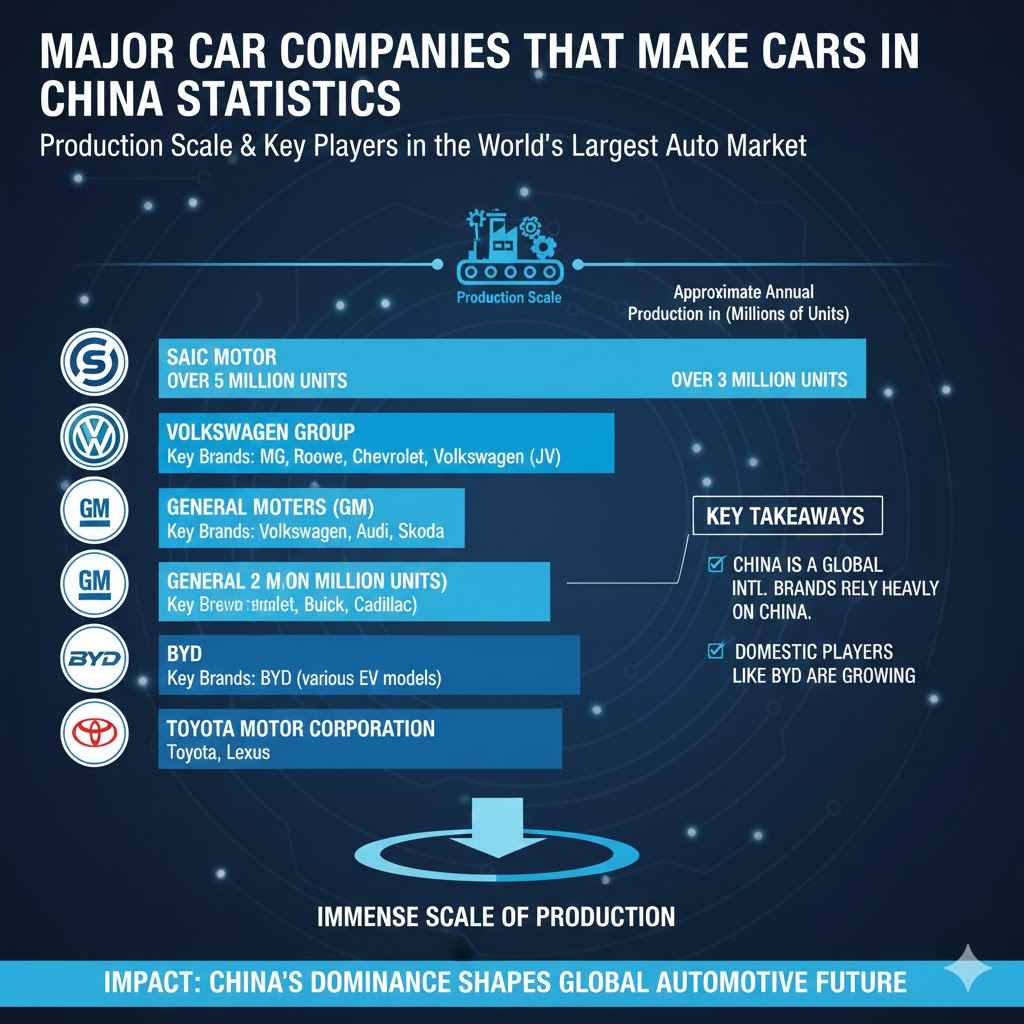
Statistics provide a clear picture of the scale of automotive manufacturing in China. These numbers show the dominance of the Chinese market and the extensive presence of global automakers.
| Automaker | Approximate Annual Production in China (Millions of Units) | Key Brands Manufactured |
|---|---|---|
| Volkswagen Group | Over 3 | Volkswagen, Audi, Skoda |
| General Motors | Around 2.5 | Chevrolet, Buick, Cadillac |
| Toyota | Over 1.5 | Toyota, Lexus |
| BYD | Over 2 (especially NEVs) | BYD (various models) |
| SAIC Motor | Over 5 (including joint ventures and own brands) | MG, Roewe, Chevrolet, Volkswagen |
These figures highlight the immense scale of production. They also show how international companies rely heavily on their Chinese operations for global sales volumes. The growth of domestic players like BYD is also evident.
Frequently Asked Questions
Question: Which foreign car companies make cars in China
Answer: Many major foreign car companies make cars in China. These include Volkswagen, General Motors, Toyota, BMW, and Mercedes-Benz, usually through joint ventures with Chinese firms.
Question: Are Chinese car companies only selling cars in China
Answer: No, Chinese car companies like BYD, Geely, SAIC (with its MG brand), and GWM are increasingly exporting their vehicles to global markets.
Question: What is a joint venture in the car industry
Answer: A joint venture is a business partnership between two or more companies. In China’s auto industry, foreign car makers often partner with Chinese companies to produce and sell cars.
Question: Why is China important for car manufacturing
Answer: China is important because it has the world’s largest car market, a strong manufacturing base, supportive government policies, and a growing demand for new and electric vehicles.
Question: What are New Energy Vehicles (NEVs)
Answer: NEVs are vehicles that use alternative fuels or power sources. This includes electric cars, plug-in hybrids, and fuel cell vehicles. China is a major producer and consumer of NEVs.
Summary
We have explored the landscape of Major Car Companies That Make Cars in China. You now know about big global names like Volkswagen and GM, as well as rising Chinese stars such as BYD and Geely. We covered why China is such a key production center and the important role of joint ventures.
You also learned about the exciting growth of electric vehicles. This information should give you a clear picture of this dynamic industry.