Does China Make Cars? BYD, Geely and the Numbers (2026)
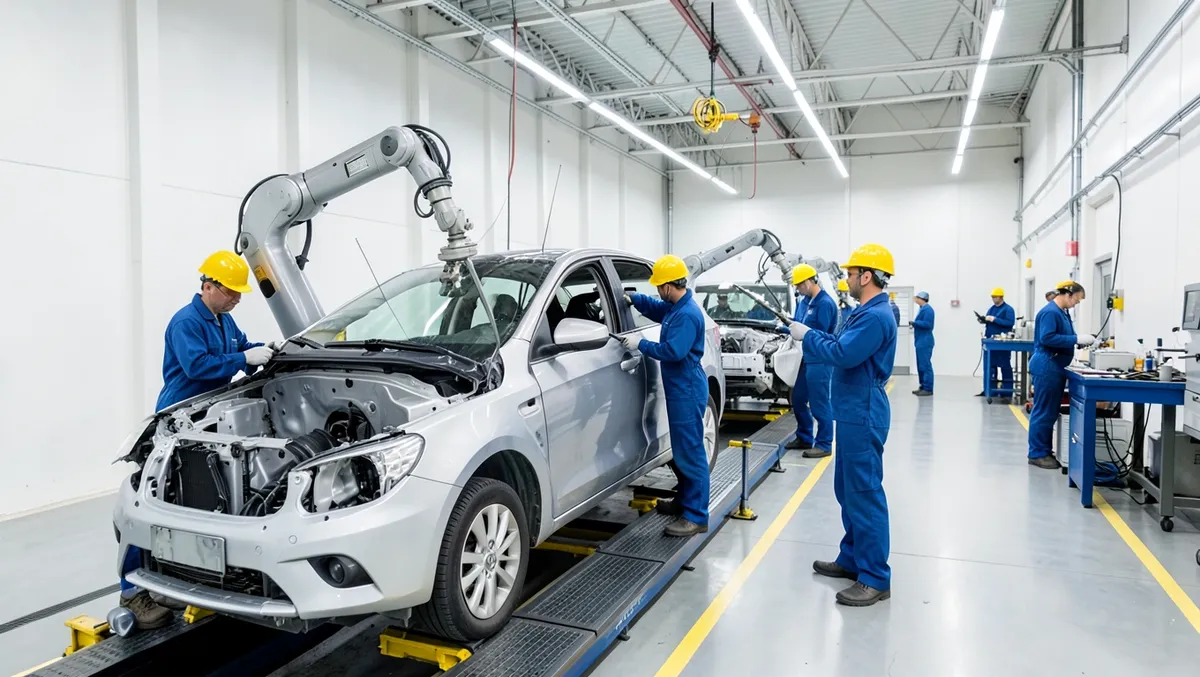
Yes, Chinese companies make cars — more of them than any other country on Earth. China produced roughly 34.5 million vehicles in 2025 and exported another 8.32 million, making it both the world’s largest car producer and its largest car exporter for the third year running.
What started as a small, state-run industry in the 1950s has grown into a global force led by brands like BYD, Geely, and Chery. Chinese automakers now build everything from budget commuter cars to luxury EVs, and they are increasingly setting the pace on battery technology and pricing rather than just following Western and Japanese carmakers. Below is a look at the real, current numbers behind China’s auto industry — including where Chinese cars are (and are not) actually sold.
China’s Auto Industry by the Numbers (2025–2026)
China’s scale in the auto industry is hard to overstate. A few figures put it in perspective:
- 34.5 million vehicles produced in 2025, up 10.4% year over year — about 35.6% of all cars built worldwide.
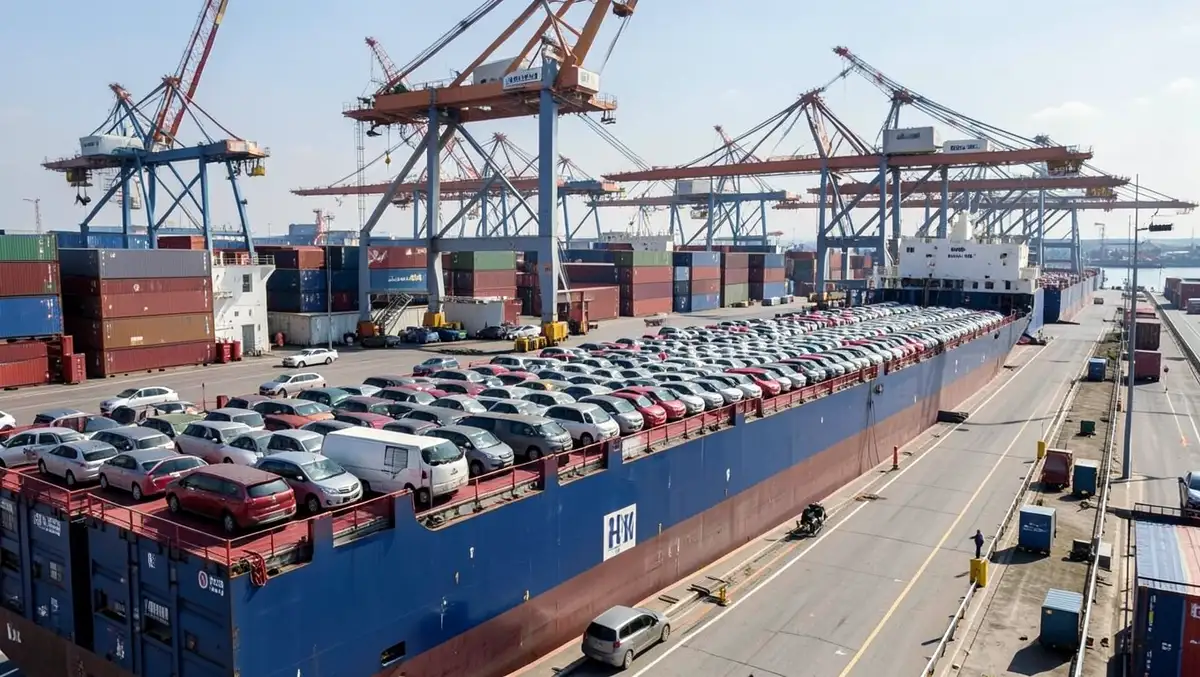
- 8.32 million vehicles exported in 2025, a 30% increase over 2024, keeping China as the world’s top car-exporting country.
- 3.43 million of those exports were new-energy vehicles (EVs and plug-in hybrids), up about 70% year over year.
- New-energy vehicles made up more than half of all new car sales inside China in 2025.
In the first half of 2026 alone, China exported 5.31 million vehicles — up 53% from the same period a year earlier — with monthly exports topping 1 million units for the first time in June 2026.
Top Chinese Car Manufacturers
BYD (short for “Build Your Dreams”) is China’s biggest automaker and the world’s largest seller of electric and plug-in hybrid vehicles. BYD sold about 4.6 million vehicles in 2025, enough to rank sixth among all global automakers — ahead of legacy brands like Ford. Its overseas sales alone jumped 145% that year to more than 1 million vehicles. Beyond passenger cars, BYD also builds electric buses and trucks used in cities worldwide.
Geely is China’s other automotive giant, and it owns a much bigger piece of the global market than most shoppers realize. Geely Holding is the majority owner of Volvo, owns Lotus outright, and is the largest shareholder in Polestar. Geely overtook Honda in global sales rankings in 2025 to claim eighth place worldwide.
Other major Chinese manufacturers include SAIC Motor (China’s largest automaker by total output, and the parent of MG), Chery (a top-20 global seller known for aggressive export growth), Changan, and Great Wall Motors, which specializes in SUVs and pickup trucks. Altogether, six Chinese automakers now rank among the world’s top 20 by sales volume — more than any other single country.
China’s Electric Vehicle and Technology Lead
Chinese automakers didn’t just catch up on electric vehicles — in many respects they now lead the category. Government incentives, a dense domestic charging network, and control over battery supply chains (China produces most of the world’s EV battery cells) let companies like BYD and NIO scale EV production faster and cheaper than most rivals. That cost advantage is a big reason new-energy vehicles made up over half of China’s domestic car sales in 2025 and nearly 40% of its total exports.
Chinese tech companies are also pushing into autonomous driving and in-car software, with firms like Baidu operating robotaxi pilots in several Chinese cities. That software focus is part of why Western regulators have grown cautious about Chinese-connected vehicles, which leads directly to the next question.
Are Chinese Cars Sold in the United States?
Not directly, and not under their original Chinese nameplates — despite what some older articles claim. As of 2026, no major Chinese-branded passenger car (BYD, Geely, Chery, etc.) is sold new to U.S. consumers. A 100% U.S. tariff on Chinese-made EVs, combined with a Commerce Department ban on Chinese connected-vehicle software (taking effect 2027) and hardware (2030), has effectively locked Chinese brands out of the American retail car market.
There is one notable workaround: Polestar, majority-owned by Geely, builds its cars in South Carolina and sells them in the U.S. as a domestically manufactured brand rather than an import. BYD, for its part, has a limited U.S. footprint through electric buses built at a California plant, but no passenger cars available to American buyers. For a full breakdown of the tariffs and rules involved, see our deeper looks at whether BYD cars are sold in the US and which Chinese-made cars are sold in the USA.
Where Chinese Cars Are Sold Around the World
Blocked from the U.S. and facing a roughly 35% average tariff in the European Union, Chinese automakers have focused their export growth elsewhere. Countries participating in China’s Belt and Road Initiative have become the largest destination for Chinese car exports, and Chinese brands have also grown quickly across Latin America, the Middle East, Southeast Asia, and parts of Africa — often by offering EVs and hybrids at lower price points than European or Japanese competitors. Geely and BYD have both started building factories inside tariff-protected regions, including plants in Hungary and Turkey, to sidestep import duties in Europe.
Not every car built in China wears a Chinese badge, either. Volkswagen, Toyota, GM, and other global automakers manufacture vehicles inside China through local joint ventures — some for the domestic Chinese market, others for export. That distinction between “Chinese-owned brands” and “cars built in China” is covered in more detail in our guide to which cars are produced in China.
Are Chinese-Made Cars Good Quality?
Reputation still lags reality here. Chinese cars built decades ago earned a poor-quality reputation, and that perception has been slow to fade even as the industry has changed dramatically. Independent crash-test and reliability data from markets where Chinese brands are sold — Europe, Australia, and Latin America — increasingly show competitive safety ratings and build quality, particularly from BYD, Geely-owned brands, and MG. Chinese automakers have also poured money into design and materials, hiring engineers and designers away from established European brands. The bigger open question for most Western buyers isn’t quality anymore — it’s long-term parts availability, resale value, and software/data policy, since dealer networks and service infrastructure are still new in many markets.
Frequently Asked Questions
What Cars Are Made By China?
China’s domestic brands include BYD, Geely (which also owns Volvo, Lotus, and most of Polestar), SAIC Motor, Chery, Changan, and Great Wall Motors. Global brands such as Volkswagen, Toyota, and GM also manufacture vehicles inside China through local joint ventures, though those cars keep their original non-Chinese badges.
Does China Make Cars For The US?
No, not directly. A 100% U.S. tariff on Chinese-made EVs and a Commerce Department ban on Chinese connected-vehicle software and hardware have kept Chinese-branded passenger cars off the U.S. market as of 2026. The one exception is Polestar, a Geely-owned brand built in South Carolina rather than imported from China.
Are Chinese-Made Cars Good Quality?
Modern Chinese cars have improved significantly compared to their reputation from decades ago. Brands like BYD and Geely-owned marques now post competitive crash-test and reliability results in the markets where they sell, though long-term parts availability and resale value are still less proven than for established brands.
What Percentage Of The Worlds Cars Are Made In China?
China built about 35.6% of all vehicles produced worldwide in 2025 — roughly 34.5 million of the world’s total output — making it by far the single largest car-producing country.
Which Chinese Car Company Sells The Most Cars?
BYD is China’s top-selling automaker, moving about 4.6 million vehicles in 2025 — enough to rank sixth among all automakers worldwide, ahead of Ford. Geely ranked eighth globally the same year, overtaking Honda.
The Bottom Line
China doesn’t just make cars — it makes more of them than any other country, and it now exports more than any other country too. What Chinese automakers have not managed yet is a foothold in U.S. showrooms, where tariffs and software restrictions keep BYD, Geely, and the rest largely locked out. That could change quickly if trade policy shifts, so this is a market worth watching rather than writing off.
Products related to this article
Sponsored / affiliate links. As an Amazon Associate I earn from qualifying purchases. I may earn additional commission from eligible campaigns.