Is NOCO Boost Plus GB40 Worth It?
Yes, the NOCO Boost Plus GB40 is worth it for most gas cars, crossovers, and many midsize SUVs if you want a compact 1,000-amp jump starter for occasional emergencies. Skip it for larger diesel trucks or repeated deep-dead starts. Buy the wrong size, and you can end up with a dead battery, a failed start, and a tow bill when you needed a pocket-sized backup. This guide explains where the GB40 fits, what its limits mean in real use, and which alternatives make more sense.
This guide is part of our Car ownership essentials series.
Value checklist by buyer type


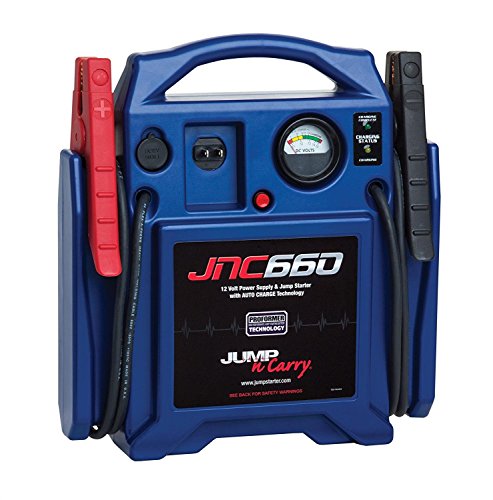
The GB40 is a good buy when your vehicle fits within its rated engine limits and you want a compact backup that stores easily, recharges in a few hours, and works without much fuss. It is weaker value for larger diesel rigs, frequent jump-start needs, or situations where the battery is often deeply discharged.
Value checklist
| Buyer type | Fitment | Portability | Safety features | Recharge time | Likely value | Verdict |
|---|---|---|---|---|---|---|
| Compact-car commuter | Strong: well within the GB40’s gas rating for many small cars | Strong: 2.4 pounds makes it easy to keep in a door pocket or cargo bin | Strong: spark-proof technology and reverse polarity protection suit occasional use | Strong: 3 hours at 2.1 amps is easy to manage at home | High if the goal is a once-in-a-while emergency jump | Buy |
| Family sedan owner | Strong for most gas sedans; diesel fitment depends on size and condition | Strong: compact enough for daily carry if needed | Strong for novice-friendly use | Good, but charge it after each use so it is ready again | Good if you want one device for backup and USB charging | Buy |
| SUV or light-truck owner | Mixed: acceptable only if the engine stays within the stated gas or diesel limit | Strong, though the weight matters less than the output ceiling | Strong, but safety features do not make up for undersized output | Good, yet repeated use can reveal the limits fast | Weak if you expect repeated rescue duty or marginal batteries | No-buy for larger or frequent-use needs |
Pros and cons
- Compact at 2.4 pounds.
- Rated at 1000A, with gas fitment up to 6.0 liters and diesel fitment up to 3.0 liters.
- UltraSafe includes spark-proof technology and reverse polarity protection.
- It also works as a USB power bank and carries a 100-lumen flashlight with seven light modes.
- Recharges in 3 hours at 2.1 amps.
- IP65 enclosure adds a useful layer of water resistance.
- Limited value for larger diesels, repeated no-start events, or severely aged batteries.
- Not the best choice if you need the highest reserve for stubborn starts.
What the GB40 can start
The GB40 is a 1000A lithium battery jump starter rated for gasoline engines up to 6.0 liters and diesel engines up to 3.0 liters. That makes it a fit for many compact cars, sedans, and some crossovers. It is not a universal fix for every dead battery, and that distinction matters.
Battery age changes the result. A battery that is simply weak on a cold morning is different from one that is sulfated, frozen, or has failed internally. The GB40 can help a healthy battery with low charge. It is less dependable when the battery has aged out or the vehicle has sat long enough for the problem to move beyond a quick jump.
Picture a 2.0-liter gas sedan that has been parked overnight and now clicks at startup. That is the kind of use case the GB40 is built for. Now suppose a 5.7-liter diesel truck has been sitting for days with a deeply discharged battery. The rating may still look close on paper, but the practical odds are worse, and a larger unit is the safer buy.
How to use the GB40
-
Check the battery and vehicle off state. Make sure the ignition, lights, and accessories are off before connecting anything. This lowers the chance of a bad connection and keeps the system focused on the start attempt.
-
Connect the clamps correctly. Attach the positive clamp to the battery’s positive terminal and the negative clamp to the negative terminal or a proper ground point. The UltraSafe design with reverse polarity protection helps, but correct placement still matters.
-
Wait for the ready indication. Follow the GB40’s indicator lights before cranking. If the unit does not show a ready state, stop and recheck the clamp position and the battery condition.
-
Crank in short tries. Start the vehicle in a normal crank cycle, then pause if it does not fire. Repeated long cranks drain both the jump starter and the vehicle battery faster than a short attempt with a cooldown.
-
Disconnect and recharge. Remove the clamps after the engine starts, then recharge the unit as soon as practical. That keeps the pack ready for the next emergency.
How do you charge the GB40?
You charge the GB40 from any powered USB port, and NOCO says a full recharge takes 3 hours at 2.1 amps. That makes it easy to top off at home, in a garage, or from another powered USB source. Recharge it after use, before the pack sits empty.
USB recharge basics
Use a powered USB source and let the unit reach a full charge before storing it. If the battery is only partway charged, it may still work for one jump, but that leaves less reserve for cold weather or a second attempt.
Storage and charge retention
Store it in a dry place, away from heat and prolonged moisture. The IP65 enclosure is water-resistant, not meant for abuse or submersion. If the unit sits in a vehicle for long periods, check its charge periodically so it is not flat when you need it.
A common first-timer mistake is putting the GB40 away after one use and forgetting to recharge it. The next failure is avoidable: the pack reads alive, but it no longer has enough reserve for a real start.
Accessories and features
What comes in the box can vary by seller, so verify the bundle before you buy. Zbozi lists USB-A, 12V socket, micro USB, and vehicle-start connector connectivity, which is useful for identifying what cables or adapters may be included or supported. Do not assume every listing includes the same accessories.
Flashlight and USB power bank use
The GB40 includes a 100-lumen LED flashlight with seven light modes, including emergency strobe and SOS mode. That is enough for roadside visibility and simple under-hood tasks, though it is not a work light replacement.
It also works as a USB power bank for smartphones, tablets, and other USB devices. That matters for commuters who want one pack that can start the car and keep a phone alive during a dead-battery event.
Safety system and enclosure
UltraSafe combines spark-proof technology, reverse polarity protection, and a mistake-proof design. That matters most for first-time users who want guardrails during a stressful start. The rugged IP65 enclosure adds a practical layer of weather resistance, and the 2.4-pound weight keeps it easy to carry.
The battery uses high-discharge lithium technology, and NOCO says it is safe for use in any climate. That claim is useful for owners in hot and cold areas, but it does not change the engine-size limits or the need to recharge it after use.
Who it’s for
The GB40 is a strong option for a driver who wants a compact emergency jump starter for a gas car, small crossover, or many family sedans. It also makes sense if you want a portable USB charger and a flashlight in the same device. It is less suitable for owners of larger diesel vehicles or anyone who expects frequent jump-start duty.
When to choose a larger NOCO
Choose a larger NOCO if you regularly deal with bigger engines, repeated starts, or a battery that fails more than once. The GB40 is a value pick for light, occasional use. It stops being a value when the vehicle or the battery problem is bigger than its output ceiling.
Difference from other NOCO jump starters
The GB40 sits in the compact, lower-output end of NOCO’s lineup. The practical difference is reserve power. Higher-output units are better when the engine is larger, the battery is colder, or the vehicle needs more than one rescue in a short span. If that sounds like your situation, the GB40 is probably the wrong tier.
Frequently asked questions
How many jump starts can the GB40 do on one charge?
NOCO says the GB40 can do up to 20 jump starts on one charge. That is a best-case figure, so real results depend on engine size, battery condition, temperature, and how much reserve remains after each attempt. Recharge after use is the safest habit.
Does the NOCO GB40 work on diesel engines?
Yes, but only within its rating. The GB40 is rated for diesel engines up to 3.0 liters. That makes it suitable for some light-duty diesel vehicles, but it is not the right choice for larger diesel trucks or repeated heavy-demand use.
What cars can the NOCO GB40 start?
It is aimed at vehicles within its engine limits, especially many gasoline cars, crossovers, and smaller SUVs. Match the battery problem and engine size to the published ratings. A 1000A pack is not a cure for every dead battery.
What accessories come with the NOCO Boost Plus GB40?
Bundle contents can vary by seller, so check the listing before ordering. At minimum, buyers should verify the charging cable and vehicle-start connector situation before purchase. Replacing or adding the right cable later is easier than discovering a missing part during an emergency.
What is the difference between the GB40 and other NOCO jump starters?
The GB40 is the compact option in the lineup, with 1000A output and modest size. Larger NOCO units are better when you need more reserve for bigger engines, harsher conditions, or repeated jump attempts. The GB40 wins on portability, not maximum output.
How do you charge the NOCO Boost Plus GB40?
Charge it from any powered USB port, and allow about 3 hours at 2.1 amps for a full recharge. If the pack sits unused, check it before you need it. A jump starter only helps if it already has charge when the battery fails.
Products related to this article
Sponsored / affiliate links. As an Amazon Associate I earn from qualifying purchases. I may earn additional commission from eligible campaigns.