Is a Dash Cam Worth It for Daily Driving?
Yes, if you park on the street, drive in heavy traffic, or need proof for an insurance claim, a dash cam is worth it. If your car stays in a private garage and your routes are low-risk, it may not pay off. Even a minor collision can mean paying a deductible or facing a repair bill, and parking disputes can cost time and money. This guide weighs parking risk, commute exposure, and claim value against resolution and price.
Verdict

For daily drivers, the better question is not “1080p or 4K?” It is whether you need front-only coverage, front-and-rear coverage, or parking protection. That is why the VIOFO A119 Mini 2 makes sense for secure-parking commuters, while a dual-channel setup becomes the more practical choice once rear-end disputes, street parking, or claim sensitivity move up.
Specs at a glance
| Model | Type | Resolution | Field of view | Notable features | Price |
|---|---|---|---|---|---|
| VIOFO Dash Cam Front A119 Mini 2 | Front-only | 2K 60fps | Not listed in the supplied data | STARVIS 2 sensor, HDR 30fps night vision, voice control, 5GHz Wi‑Fi, GPS, buffered 24H parking mode, supercapacitor | $119.98 |
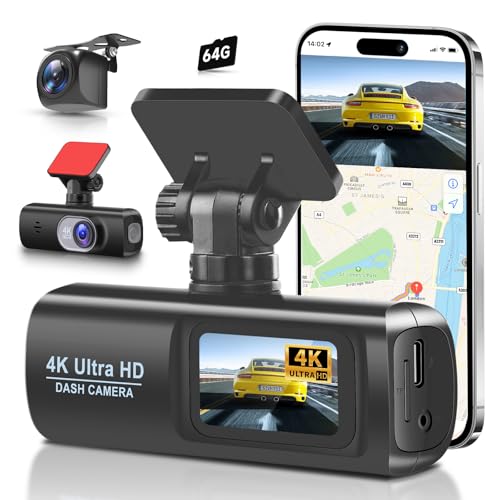
The supplied product data points to a front-only camera, so it fits drivers who care more about road coverage, compact size, and lower cost than rear coverage. The included parking mode, GPS, and supercapacitor make it more flexible than a bare-bones commuter camera, but you still need a suitable setup for parked-vehicle recording.
Who it
Drivers who leave their cars outside, crawl through stop-and-go traffic, or face higher claim risk get the most value from a dash cam. A front-only unit can be enough for commuters with secure parking, while apartment dwellers, rideshare drivers, delivery drivers, and teen-driver households usually benefit from more coverage and parking protection.
Commuters with apartment or street parking
Street parking raises the odds of door dings, hit-and-runs, and bumper taps while the car sits unattended. In that setting, parking mode matters more than a headline resolution bump. A front-only camera can still help, but it is strongest when the car is parked in a lower-risk spot and the main goal is road evidence on the commute.
Rideshare, delivery, and teen-driver households
Cabin cameras make more sense for taxis and rideshare vehicles, but many daily drivers still choose front-and-rear coverage because it helps with rear-end disputes and parking incidents. In teen-driver households, footage can clarify what happened in a fender-bender and can discourage casual claims that do not match the road evidence.
Drivers with secure garage parking
If your car sleeps in a private garage and your routes are short and predictable, the payoff drops. That does not mean a dash cam is useless. It means the setup can stay simpler, with front-only coverage and no parking mode if the main concern is collision evidence on the road rather than parked-vehicle damage.
Daily driving matrix
Use this matrix to match the camera setup to the risk you actually face. Parking risk, traffic exposure, night driving, and claim sensitivity matter more than resolution alone. A higher score means the situation benefits more from coverage, evidence retention, and parked-vehicle monitoring.
| Daily-driving situation | Parking risk | Traffic exposure | Night driving | Claim sensitivity | Recommended setup |
|---|---|---|---|---|---|
| Apartment street parking, daily commute | High | Medium | Medium | High | Front-and-rear with parking mode |
| Suburban garage parking, short commute | Low | Low | Low | Low | Front-only, skip parking mode |
| Rideshare or delivery shifts | Medium | High | High | High | Front-and-rear, consider cabin camera |
| Teen-driver household, mixed city and highway use | Medium | Medium | Medium | High | Front-and-rear |
| Infrequent driver, private garage, low-speed errands | Low | Low | Low | Low | Skip or choose front-only later |
Cost vs risk examples
| Scenario | Likely setup | Typical risk pressure | Why it makes sense | When to spend more |
|---|---|---|---|---|
| Apartment street parking | Front-and-rear with parking mode | Hit-and-runs, vandalism, claim disputes | More likely to need evidence while parked and while driving | When the car stays outside overnight |
| Suburban garage parking | Front-only | Lower parked-vehicle risk | Gives road evidence without paying for features you may not use | When your commute gets longer or busier |
| Rideshare | Front-and-rear, possibly cabin camera | Passenger disputes and frequent traffic exposure | Covers more angles during both pickup and driving | When disputes or night shifts are common |
| Teen-driver household | Front-and-rear | Higher claim sensitivity | Rear-end impacts and lane-change disputes are easier to document | When a deductible or downtime would be hard to absorb |
Say your car lives on a busy city block and you return to find a fresh scrape on the rear bumper. Front footage may show the street before and after the impact, but rear coverage and parking mode give you a better chance of catching the event itself or the vehicle that came close enough to matter.
Suppose your sedan sits in a locked garage and your commute is 12 miles on suburban roads. A front-only camera often covers the useful part of the risk at lower cost, while a more elaborate parking setup could sit idle most of the week.
What works
A dash cam earns its keep when it captures evidence you can actually use. That includes crash footage, road hazards, parking damage, and hit-and-runs. It also helps when the other driver gives a version of events that does not match the clip, especially if the camera has GPS overlay and a clear time stamp.
Accident evidence and insurance claims
Can dash cam footage help with insurance claims? Yes, because it can show lane position, traffic signals, impact timing, and who moved first. It still may not settle every dispute. A plate can be unreadable, the camera can be angled wrong, or the impact can happen outside the camera’s field of view.
A GPS overlay can strengthen the file by adding speed and location data. That can matter when an insurer wants more than a blurry clip and a story. It also helps when a claim drags on and you need a clearer timeline for the adjuster.
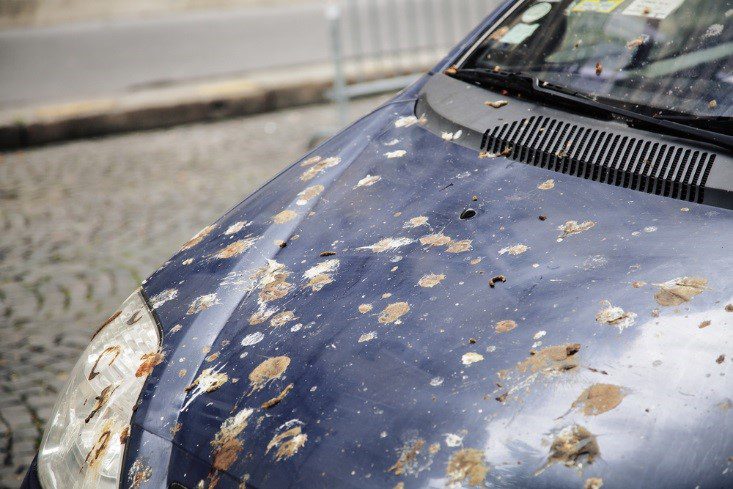
Hit-and-runs, vandalism, and parking incidents
Parking mode records while the car is parked, which is why it matters for street parking and busy lots. It can catch hit-and-runs and vandalism, but only if the setup is reliable. A hardwire kit or separate battery is often part of that stack, and a bad install can drain the vehicle battery.
Night capture when the camera sensor is good
Night vision and low-light performance matter more than headline resolution for evening commuting and urban driving. A 4K camera with a weak sensor can still produce grainy footage at night, while a well-tuned 2K camera may preserve plate detail more cleanly in real traffic. Resolution helps, but it is not the main buying test.
What does not?
A dash cam is not a guarantee. It can miss a side impact, a plate can be too blurred to read, and the lens can catch only part of the event. That is why placement, angle, and the camera’s low-light behavior matter as much as the model number on the box.
Blocked angles and unreadable plates
Most dash cams sit near the top of the windshield, and that location can be both useful and limiting. It gives a broad forward view, but sun visors, tint strips, mirrors, wipers, and obstructions can cut into the frame. A wide view is helpful, yet a wider lens can also make distant plates smaller.
Front-only dash cams usually record the road ahead only. That is enough for many commutes, but it will not show what happened behind the vehicle during a rear-end push or a parking-lot bump. Front-and-rear systems cover more, and that is why they are a practical default for daily drivers.
Battery drain from bad parking-mode setup
Will a dash cam drain my car battery in parking mode? It can if the wiring is wrong, the cutoff is set poorly, or the camera stays awake too long. A hardwire kit with voltage cutoff is a common fix. Follow the vehicle manual and the camera manual.
Parking mode also asks more of the hardware stack than many buyers expect. A reliable setup may need a hardwire kit or a separate battery, a high-endurance microSD card, and a camera that supports low-draw parked recording. If you skip those pieces, street parking protection can become more trouble than it is worth.
Privacy, audio recording, and windshield placement
Privacy rules vary by location, especially if the camera records audio. Check local laws before enabling sound capture. Keep dash and windshield items out of airbag zones and out of the driver’s view, and place the unit where it does not block the road or become a distraction.
Loop recording and the G-sensor are standard features, but they do not replace maintenance. Loop recording overwrites the oldest files when storage fills, and the G-sensor locks impact clips so they are not overwritten. If the microSD card wears out, recording can fail when you need it most.
Alternatives
If you want a simpler setup, choose coverage based on the risk you actually face. Front-only works best when parking is secure and the main goal is commute footage. Front-and-rear is the stronger daily-driver default when you want broader dispute coverage. Skip it only when the car rarely leaves a safe spot.
VIOFO Dash Cam Front A119 Mini 2 is the better fit for commuters who want a smaller front-only setup at a lower cost. Based on the supplied details, it offers 2K 60fps, STARVIS 2, HDR night video, GPS, voice control, and 5GHz Wi‑Fi. The drawback is simple: it records the road ahead only, so it will not help with rear impacts.

Garmin Dash Cam 67W suits drivers who want a very wide forward view and more parked-vehicle monitoring. Its supplied details list 1440p, a 180-degree field of view, GPS, voice control, and Parking Guard. The tradeoff is that it remains front-only, and the wider lens can still leave side or rear events outside the frame.

THINKWARE U3000 PRO Dash Cam is the strongest fit for drivers who want front-and-rear coverage plus serious parking protection. The supplied details list 4K front and 2K rear recording, Dual STARVIS 2, radar parking mode, GPS, LTE compatibility, HDR, a 64GB card, and an OBD cable. The drawback is price, and the feature set may be more than a garage-parked commuter needs.
Should you buy it?
Start with risk, then buy the smallest setup that covers it. If you park on the street, drive at night, face dense traffic, or care about claim proof, the answer leans yes. If you have secure garage parking and low mileage, front-only or no camera at all can be the rational choice.
Simple decision checklist
- Do you park outside overnight or in public lots?
- Do you drive daily, especially in city traffic or after dark?
- Would a deductible, tow, or claim delay create real hassle?
- Do you need parked-vehicle recording for hit-and-runs or vandalism?
- Can you support a high-endurance microSD card and regular checks?
- Will you place the camera without blocking your view or violating local rules?
My recommendation by driver type
Commuters with secure parking: front-only is usually enough, and 2K is a practical floor if the camera’s low-light performance is strong. Apartment and street parkers: front-and-rear with parking mode is the better call. Rideshare and teen-driver households: front-and-rear is the practical default, with GPS and night performance near the top of the list.
Infrequent drivers: skip for now if the car stays in a private garage and the mileage is low. ConsumerAffairs’ dash-cam pricing guide estimates quality dash cams typically cost between $80 and $300, and major U.S. insurers generally do not offer a direct dash-cam discount, so the value has to come from evidence, not a premium break.
Frequently asked questions
Is a dash cam a good idea?
Yes, for daily drivers who face real crash or parking risk. A dash cam is most useful when you commute in traffic, park on the street, or want proof for a claim. If you drive rarely and keep the car in a private garage, the value drops fast.
Are dash cams worth it?
Do I need front and rear coverage or just front-only?
Front-only is enough for many commuters with secure parking, especially if the goal is to document the road ahead. Front-and-rear becomes the better choice when rear-end disputes, parking incidents, or higher claim sensitivity matter. If you drive in dense traffic, dual-channel coverage is usually the safer buy.
Will a dash cam drain my car battery in parking mode?
It can, especially if parking mode is wired badly or lacks a proper cutoff. A hardwire kit with voltage cutoff helps, and some drivers also choose a separate battery to keep parked recording from stressing the vehicle battery.
Can dash cam footage help with insurance claims?
Yes. Footage can show impact timing, lane position, signal status, and parked-vehicle damage, which can help an adjuster sort out fault or sequence. It will not solve every case, though. A blurry plate, blocked view, or side impact outside the frame can still leave gaps.
Is it worth getting a dash cam?
Products related to this article
Sponsored / affiliate links. As an Amazon Associate I earn from qualifying purchases. I may earn additional commission from eligible campaigns.