Is a Portable Air Compressor Worth It?
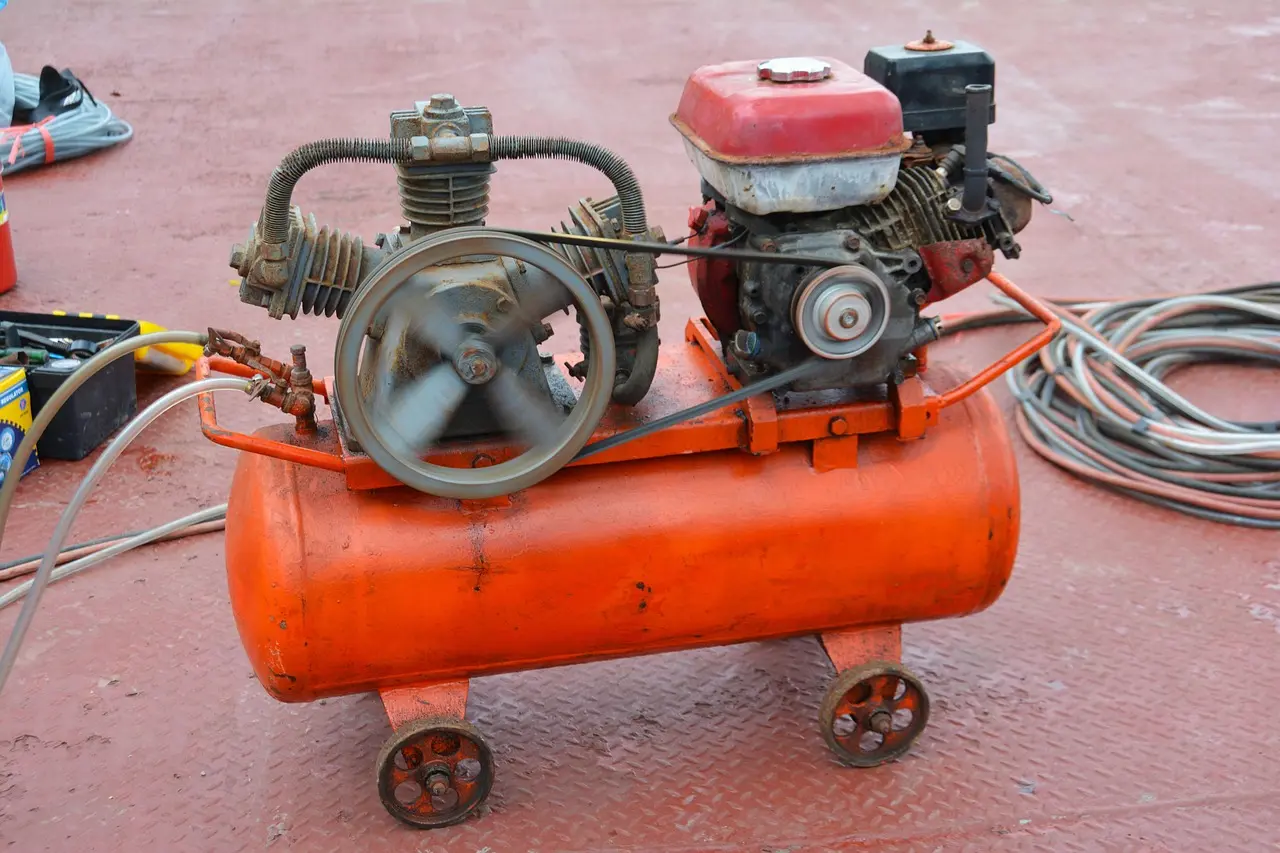
Yes, a portable air compressor is worth it for most drivers who top off tires more than twice a year, want roadside backup, or want to avoid paying for shop air. Based on the specs and published buyer feedback, the VIAIR 88P is a practical fit for car, truck, SUV, Jeep, and light emergency use.
This guide is part of our Car ownership essentials series.
Verdict

The value comes from skipping repeat stop-and-pay trips for air. If you pay even a small fee each time, a compact inflator can pay itself back fast; if you only need one inflation every few years and already have reliable home air, it is optional. For larger tires or higher-pressure setups, the real question is whether the compressor can reach the target without overheating or wasting time.
Pros and cons
- Pros: 12V portability for roadside use; includes hose, power cord, and pressure gauge; suitable for cars, trucks, SUVs, and Jeeps; useful for emergency inflation.
- Cons: 12V power is not the fastest route for large tires; it is not a garage compressor for tools; you still need to manage hose reach, heat buildup, and storage space.
Who it
This suits drivers who want a compact tire inflator in the vehicle, especially commuters, SUV owners, and light-truck owners who check pressure often. It is less appealing if you already keep a larger home compressor and never need roadside inflation. If your tires need frequent top-offs, convenience matters more than the purchase price.
Portable air compressor worth table
| Driver type | Tire size / use | Power source fit | Expected fill time | Break-even threshold |
|---|---|---|---|---|
| Commuter with a sedan | Passenger-car tires, occasional top-offs | 12V plug-in or cordless | Fast enough for routine top-offs; check the listing for your exact tire size | About 18 paid gas-station fills at $2 each covers a $35.99 tool, ignoring electricity |
| SUV owner | Moderate sidewall volume, more air per fill | 12V plug-in if you want roadside convenience | Longer than a sedan; slower if the unit has limited airflow | About 2 to 3 avoided shop-air stops per month can make ownership feel worthwhile |
| Light-truck driver | Higher-pressure or larger tires | Direct-to-battery or a stronger 12V kit | Expect slower fills than a garage compressor; heat buildup matters more here | Worth it if one avoided roadside call or tow is more valuable than the purchase price |
| Frequent traveler or rural driver | Roadside backup matters more than speed | 12V plug-in in the vehicle | Good enough for emergency pressure recovery | One avoided service call can justify ownership |
What a portable air compressor actually does
A portable air compressor can inflate tires and handle ordinary inflating tasks like bike tires, small inflatables, and other light jobs. The key split is between a compact tire inflator and a larger garage compressor: the first is built to travel and top off pressure quickly, while the second is better when you want more sustained airflow for shop-style work.
Two specs matter most. PSI tells you the highest pressure the unit can reach, and that should exceed the highest-pressure tire on the vehicle. CFM, or cubic feet per minute, is airflow, and that affects fill speed; airflow often drops as pressure rises, so a compressor that sounds fine at low pressure may slow down near the top end.
Tank vs. tankless design also matters. Tankless units stay lighter and easier to store, which helps in an emergency kit. Larger tanked compressors can support broader garage use, but they are less convenient to carry and often less practical for keeping in a sedan trunk.
Who is it for?
It is for drivers who want a fast fix for low tire pressure without depending on a gas station or a shop. It also makes sense for owners who check pressures before long trips, especially if the vehicle uses tires that need more than a casual top-off.
Suppose your sedan is down 4 PSI on a cold morning. A compact inflator can get you back to the door-jamb target and save a detour. Picture a light-truck owner with larger tires and a compressor that is too weak: the unit may still work, but the fill time and heat buildup make the job frustrating.
Commuters who need tire top-offs
Commuters get the clearest value when they want a small tool that is always ready for monthly or seasonal pressure checks. A 12V unit is usually enough if the goal is topping off passenger-car tires and not running air tools.
SUV and light-truck owners
SUV and light-truck owners should pay closer attention to PSI capability and fill speed. Higher tire volume means more air per fill, and the wrong compressor can still reach pressure while taking long enough to become a nuisance.
Drivers who want emergency roadside inflation
For roadside use, portability and power-source fit matter as much as raw airflow. A compact inflator with a clear gauge and automatic shutoff is easier to use on the shoulder than a bulky garage unit that needs wall power.
What matters most when buying
Start with the highest-pressure tire on the vehicle. The RV-focused rule of thumb is simple: the compressor should exceed your highest tire pressure, and 100 PSI tires are the example that shows why margin matters. If the unit cannot exceed your tire’s target, it is the wrong match.
Then compare power sources. A 12V accessory outlet is the easiest roadside option, but it has limited output for larger tires. Cordless battery inflators trade runtime for mobility. Direct-to-battery clamps can deliver higher-current power, which helps when pressures climb above 35 PSI in one compact model category. A 120V AC unit is best for home use only.
Also check automatic shutoff, gauge type, hose length, and storage size. A compact portable tire inflator should fit in the car or truck without eating useful space, and the hose should reach all four tires without making you move the unit every few minutes.
- Match PSI capability to the vehicle’s highest tire pressure.
- Pick the power source that fits where you will use it.
- Check hose length, shutoff behavior, and gauge readability.
- Confirm the unit fits your storage space and use frequency.
What works and what does not
Compact inflators work well for fast top-offs on passenger-car tires, small motorcycle tires, bike tires, and similar light-duty jobs. That is where portability, automatic shutoff, and a simple gauge matter more than high airflow numbers.
They do less well on large tires, in hot weather, or when repeated fills are needed back to back. Slow inflation means more heat, and heat is the enemy of a small compressor that has no tank buffer. Cordless models can also run out of battery before they finish a larger job.
A common first-timer mistake is choosing a portable air compressor by the cheapest price tag instead of the airflow needed to top off truck tires, sports inflatables, and workshop tools. That can leave a compact inflator technically functional and still annoying to use on the vehicle that needs it most.
Smaller units are fine for light-duty inflation, but they are not a substitute for a garage compressor when you need sustained air for tools or repeated heavy use.
Which power source fits your garage and roadside needs?
The best power source depends on where the compressor lives. If it stays in the vehicle for emergencies, a 12V plug-in or direct-to-battery setup usually makes the most sense. If it stays home and you want convenience in the garage, 120V AC is easier.
For the right driver, the power source matters more than the brand name. A weak power choice can turn a decent compressor into a slow one.
12V accessory outlet
This is the simplest roadside setup because it draws from the vehicle itself. It is convenient, but output can be limited for larger tires, so do not expect it to feel like a garage compressor.
Direct-to-battery clamps
Clamps deliver higher-current power and are a better fit when the unit needs more muscle. That makes sense for higher-pressure work and for drivers who want a stronger portable setup than a basic cigarette-lighter plug.
Cordless battery inflators
Cordless inflators are the easiest to move around the car and garage. The tradeoff is runtime: tool-battery compatibility is convenient, but capacity is finite, so large tires can drain the pack quickly.
120V AC
AC units are best for home use, where wall power removes the runtime problem. They are less useful roadside, and that limits their value if emergency inflation is the main reason to buy.
Alternatives

The DIYtoolifz cordless inflator fits drivers who already own compatible DeWalt 20V batteries and want a tool-only portable tire inflator with auto shut-off, dual display, and LED light. It is a smart storage choice for compact emergency kits, but the battery-only setup makes runtime a real limit, so it is better for top-offs than repeated large-tire fills.
The VIAIR 88P is the stronger all-around pick for drivers who want a 12V portable air compressor kit that is useful for cars, trucks, SUVs, Jeeps, and tires up to 33 inches. Its included hose, power cord, and pressure gauge make it straightforward to use, though the 12V format still means slower work than a bigger garage compressor.
What size portable air compressor do I need for car tires
For most car tires, you need a compact inflator that can exceed the highest pressure listed on the door-jamb sticker, with enough airflow to avoid painfully slow fills. If your highest tire pressure is modest, a smaller unit works. If the vehicle carries larger or higher-pressure tires, step up in PSI and airflow.
Do not size the compressor by trunk space alone. A small unit that fits perfectly but struggles at the target pressure is a poor buy.
Should you buy it?
Buy one if you top off tires regularly, want a roadside backup, or want to avoid repeated fees for shop air. The purchase pays off fastest when you drive enough to need pressure checks several times a year, and it becomes more valuable if your area has limited service options.
Skip it if you already have reliable home inflation, rarely need top-offs, and never drive far from help. For most buyers, the right call is a compact inflator kept in the vehicle, not a larger garage compressor bought for convenience alone.
Frequently asked questions
Is a portable air compressor worth it for everyday driving?
Yes, if you top off tires a few times a year or want a backup for unexpected pressure loss. For daily commuting, the value comes from convenience and avoiding stop-and-pay air, not from speed. If your tires stay stable and you already have home air, it is optional.
Do portable air compressors work for car tires?
Yes, portable air compressors work for car tires as long as the PSI rating exceeds your tire’s required pressure. The right unit should also have enough airflow to keep fill time reasonable. For larger tires, expect slower inflation and more heat than with a garage compressor.
What is the best portable air compressor for the money?
The best value is usually the unit that matches your tire size, power source, and storage needs without extra features you will not use. A 12V kit with a gauge and hose is enough for many drivers. If you already own tool batteries, a cordless model can be cheaper to live with.
How much does a portable air compressor cost?
Prices vary by power source and build, but the cheapest option is not always the best buy. This page includes a $35.99 cordless unit and an $89.89 12V kit as reference points. The real cost also includes storage space, hose length, and whether the unit fits your vehicle.
Is a cordless portable air compressor worth it?
It is worth it if mobility matters and you already own compatible batteries. Cordless units are easy to carry and quick to grab, but battery runtime is limited. That makes them better for top-offs and emergencies than for repeated fills on larger tires.
Where to buy a portable air compressor
Buy from a seller that clearly lists PSI, power source, hose length, and what is included in the kit. The key is not the store name but the listing details. Check the manufacturer’s listing for your model before buying, especially if you need clamps, hoses, or a battery platform match.
Products related to this article
Sponsored / affiliate links. As an Amazon Associate I earn from qualifying purchases. I may earn additional commission from eligible campaigns.