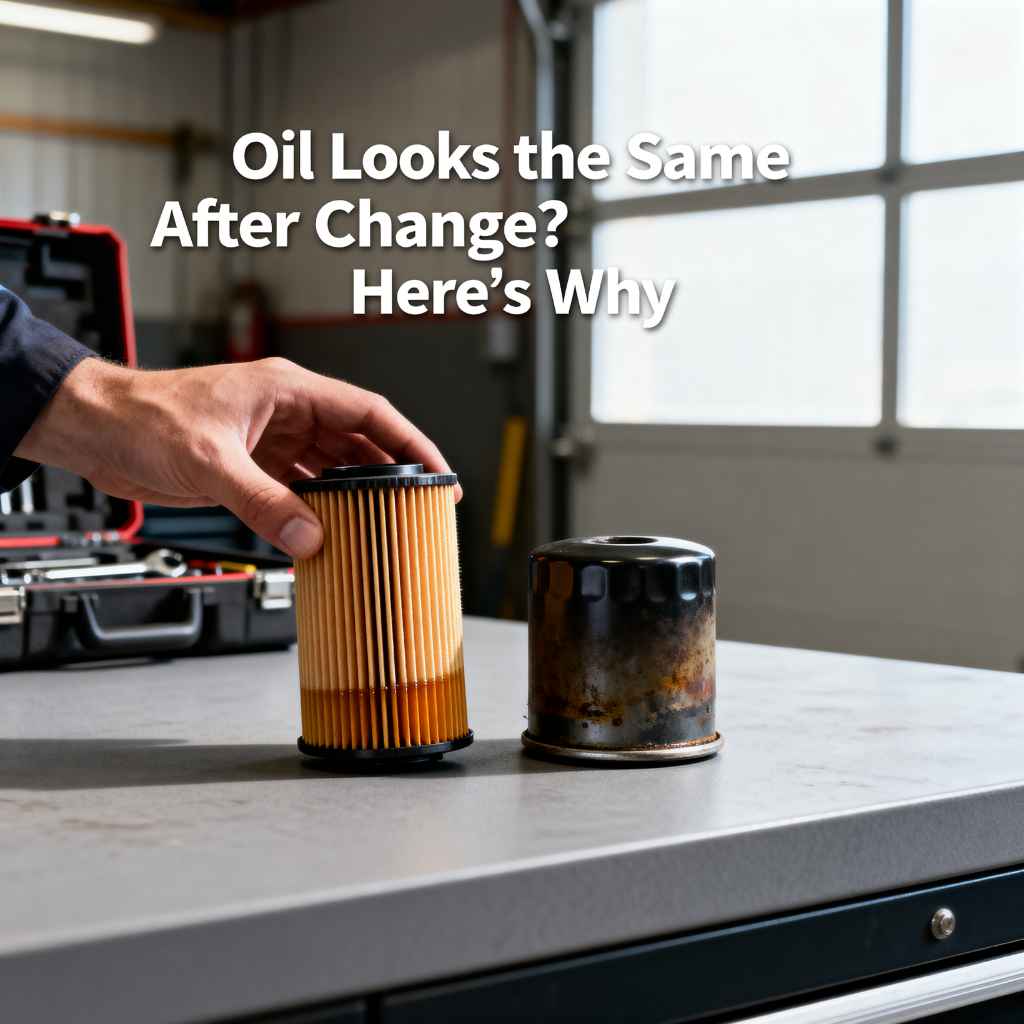
Oil Looks the Same After Change? Here’s Why
It’s totally normal to wonder if your car’s oil change actually worked, especially when the new oil looks pretty much like the old stuff. If you’re new to car care, the thought of “Oil Looks the Same After Change? Here’s Why” can be a bit confusing.
Don’t worry, it’s a common question! We’ll break down why this happens in a super simple way and guide you through everything you need to know step-by-step. Get ready for some easy answers!
Why Oil Looks the Same After Change
This section explains the main reasons why the fresh oil in your car might not appear dramatically different from the used oil. It addresses common beginner concerns and sets the stage for deeper understanding. We will look at the normal appearance of new and used oil, and what changes can be expected over time.
Understanding these visual cues helps confirm a successful oil change and ensures your engine stays healthy.
What New Motor Oil Looks Like
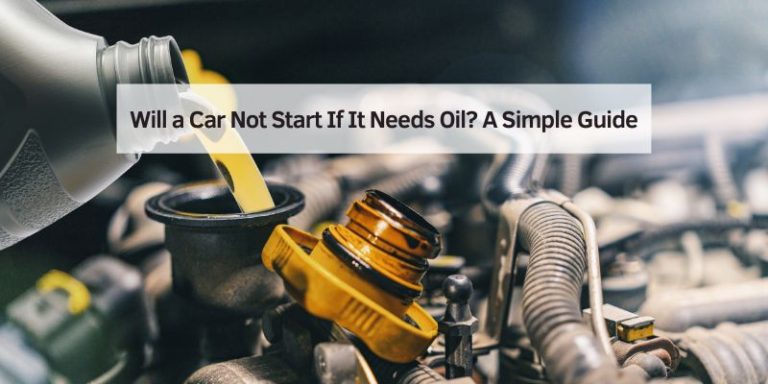
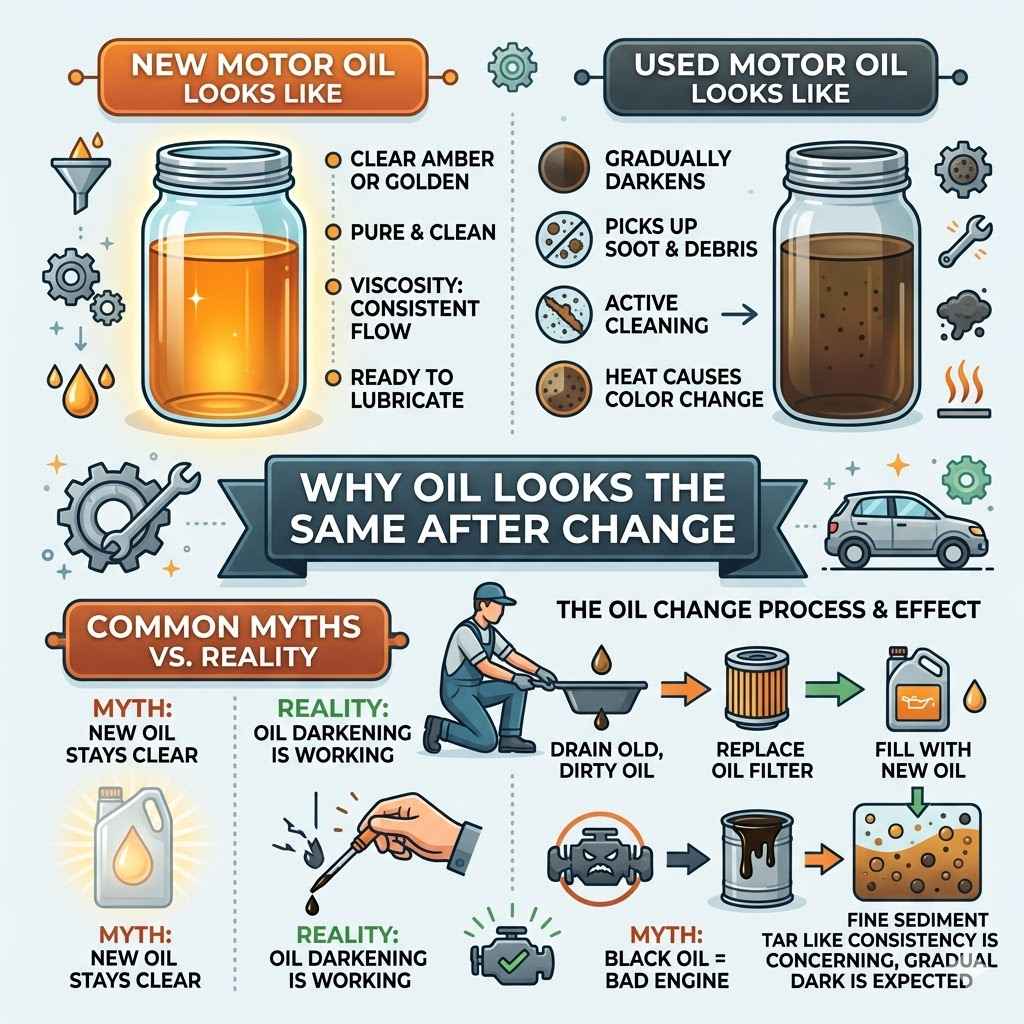
When you first pour new motor oil into your car, it usually has a clear, amber or golden color. Think of it like honey or light syrup. This color indicates the oil is clean and hasn’t been subjected to any heat or contaminants yet.
The viscosity, or how thick it is, will also be consistent. It flows smoothly but has a noticeable weight to it.
This clean appearance is a good sign. It means the oil is ready to do its job of lubricating your engine parts. It’s like starting with a fresh coat of paint; it looks vibrant and untouched.
The consistency and color are key indicators that it’s pure and ready for service.
What Used Motor Oil Looks Like
After the new oil has been circulating in your engine for a while, it will start to change. It doesn’t just turn black immediately after an oil change. The primary function of engine oil is to pick up dirt and debris from engine wear and combustion byproducts.
As it does this, it gradually darkens.
The oil also gets hotter as it circulates. Heat can also cause slight changes in the oil’s color. So, seeing darker oil is actually a sign that it’s working.
It means the oil is actively cleaning your engine. The color change isn’t always drastic right away, but over miles, it becomes more pronounced.
The Oil Change Process Itself
When you get an oil change, the mechanic drains the old, dirty oil and
Also, the oil filter is typically replaced during an oil change. The filter traps contaminants. While it removes particles, some very fine sediment might still be present in the system.
This can also contribute to the initial darkening of the fresh oil.
Why Oil Looks the Same After Change Common Myths
Many people believe that after an oil change, the new oil should look crystal clear for a long time. This is a common misconception. The oil’s job is to collect tiny metal particles, soot, and other debris that are a natural part of an engine’s operation.
When this happens, the oil darkens.
Another myth is that black oil always means an engine is in bad shape or the oil change wasn’t done right. This is rarely true. Darkening is a sign the oil is doing its job.
If the oil looks like thick tar, that’s a different story and could indicate neglect. But a normal darkening is expected.
Understanding Oil Viscosity and Color
Viscosity and color are two key characteristics of motor oil. Viscosity refers to how thick or thin the oil is. Color can give clues about the oil’s condition and cleanliness.
Understanding these terms helps explain why oil might appear different or similar after a change.
What is Viscosity?
Viscosity is essentially how resistant a fluid is to flowing. For motor oil, this is crucial because it needs to be thin enough to flow easily to all engine parts when cold, but thick enough to create a protective film between moving parts when the engine is hot.
Oil viscosity is measured using a grading system, most commonly the SAE (Society of Automotive Engineers) scale. You’ll see numbers like 5W-30 or 10W-40 on oil bottles. The “W” stands for winter, meaning the first number indicates the oil’s thickness at colder temperatures.
A lower number means the oil is thinner and flows better when the engine is cold. The second number indicates the oil’s thickness at higher, operating temperatures. A higher number means the oil is thicker at hot temperatures.
For example, 5W-30 oil is thinner when cold than 10W-30 oil. It also thins out less at high temperatures than a 10W-40 oil might. The correct viscosity for your car is specified by the manufacturer and is vital for proper engine lubrication and performance.
Using the wrong viscosity can lead to increased wear and reduced fuel efficiency.
How Oil Color Changes
New motor oil is typically a light amber or golden color. This is its natural state. As it circulates through the engine, it picks up contaminants.
These include soot from combustion, tiny metal particles from engine wear, and byproducts from the fuel and oil additives.
The process of picking up these particles causes the oil to darken. First, it might turn a translucent brown. With more mileage and continued use, it will become opaque brown, and eventually, dark brown or black.
This darkening is a visual indicator that the oil is actively cleaning your engine.
However, the speed at which oil darkens can vary. Factors like engine type, driving habits (stop-and-go traffic vs. highway driving), and the quality of the oil can influence how quickly it changes color.
A very clean, efficient engine might keep oil looking lighter for longer, while a high-performance or older engine might darken it faster.
What Dark Oil Means for Your Engine
Seeing dark oil is generally not a cause for immediate alarm. It means the oil is performing its essential function of suspending dirt and debris. If the oil becomes extremely thick and sludgy, or if it has a burnt smell, that is a sign of a more serious problem or neglected maintenance.
The oil also helps to cool engine components by carrying heat away. As oil ages and degrades, its ability to perform these functions can diminish. This is why regular oil changes are so important.
They ensure that the oil is clean and has its protective properties intact to keep the engine running smoothly and prevent long-term damage.
When to Worry About Your Oil Color
While a slight darkening of your engine oil after a change is normal, there are certain color changes and conditions that should raise a red flag. These can indicate underlying engine problems or that it’s time for service sooner than planned.
Oil That Looks Like Chocolate Milk
If your engine oil appears milky, foamy, or like chocolate milk, this is a serious concern. This usually indicates that coolant is leaking into the oil. Coolant is a fluid used to regulate engine temperature.
When it mixes with oil, it creates an emulsion that can severely damage engine components due to a lack of lubrication.
This often happens when a head gasket fails or if there is damage to an oil cooler. If you see this color, you should stop driving the car immediately and have it inspected by a mechanic. Continuing to drive with this condition can lead to catastrophic engine failure.
The milky appearance is due to the water content in the coolant emulsifying with the oil.
Extremely Thick or Sludgy Oil
While oil darkens with use, it should generally maintain a fluid consistency. If your oil looks very thick, almost like tar or sludge, it means it has not been changed regularly, or the engine has been running at very high temperatures for extended periods. This sludge can block oil passages, starving vital engine parts of lubrication.
This condition is often a result of poor maintenance. It can lead to increased engine wear, overheating, and ultimately, engine failure. In some cases, a special engine flush might be recommended before a regular oil change to help remove accumulated sludge, but this should only be done under professional guidance.
Burnt Oil Smell
If the oil on your dipstick has a strong, burnt smell, it could indicate that the oil is overheating or breaking down. This can happen if the oil level is too low, if the engine is being pushed too hard, or if there’s an internal engine problem causing excessive friction.
A burnt smell might also be present if oil is leaking onto hot engine components, like the exhaust manifold. In this case, the smell is from the oil burning off. Addressing a burnt oil smell promptly is important to prevent further damage.
It often signifies that the oil is no longer providing adequate protection.
When to Change Your Oil
Knowing when to change your oil is key to maintaining your car’s health. It’s not just about mileage; other factors play a role too. Following your car’s maintenance schedule is the best way to ensure your engine stays in top condition.
Following Your Owner’s Manual
The most reliable guide for when to change your oil is your car’s owner’s manual. Manufacturers provide specific recommendations based on the vehicle’s make, model, and engine type. These recommendations are usually given in terms of mileage or time intervals, whichever comes first.
For example, the manual might say to change the oil every 5,000 miles or every six months. If you drive a lot, you’ll hit the mileage interval first. If your car sits for long periods, the time interval becomes more important.
Sticking to these guidelines ensures your engine gets the protection it needs.
Factors Affecting Oil Change Intervals
Several driving conditions can affect how often you need to change your oil. These are often referred to as “severe” driving conditions.
- Frequent short trips: If you mostly drive short distances (less than 5-10 miles), your engine may not reach its optimal operating temperature. This allows moisture and contaminants to build up in the oil more quickly.
- Stop-and-go traffic: Idling in traffic means the engine is running but not moving, which can lead to increased heat and contaminant buildup.
- Towing or hauling heavy loads: This puts extra strain on the engine and oil, causing it to work harder and potentially degrade faster.
- Driving in dusty or extreme temperatures: Very hot or very cold weather, as well as dusty environments, can impact oil performance and longevity.
If you frequently encounter these conditions, you may need to change your oil more often than the standard recommendation in your owner’s manual.
Using Synthetic vs. Conventional Oil
The type of oil you use also influences oil change intervals. Conventional oil is refined from crude oil and is less expensive. Synthetic oil is chemically engineered for superior performance.
- Conventional Oil: Generally requires changes every 3,000 to 5,000 miles.
- Synthetic Blend Oil: Offers a balance of conventional and synthetic properties, often allowing for slightly longer intervals than conventional.
- Full Synthetic Oil: Can typically last 7,500 to 15,000 miles or more. It offers better protection at extreme temperatures and resists breakdown better.
Your owner’s manual will specify which type of oil is recommended or required for your vehicle. Using a higher quality oil like synthetic may allow for longer intervals between changes, but always check your manual to ensure compatibility and to avoid voiding your warranty.
Common Questions About Oil Appearance
People often have specific questions about the appearance of their engine oil, especially after an oil change. Here are some answers to common concerns.
Is It Normal for New Oil to Look Slightly Dirty?
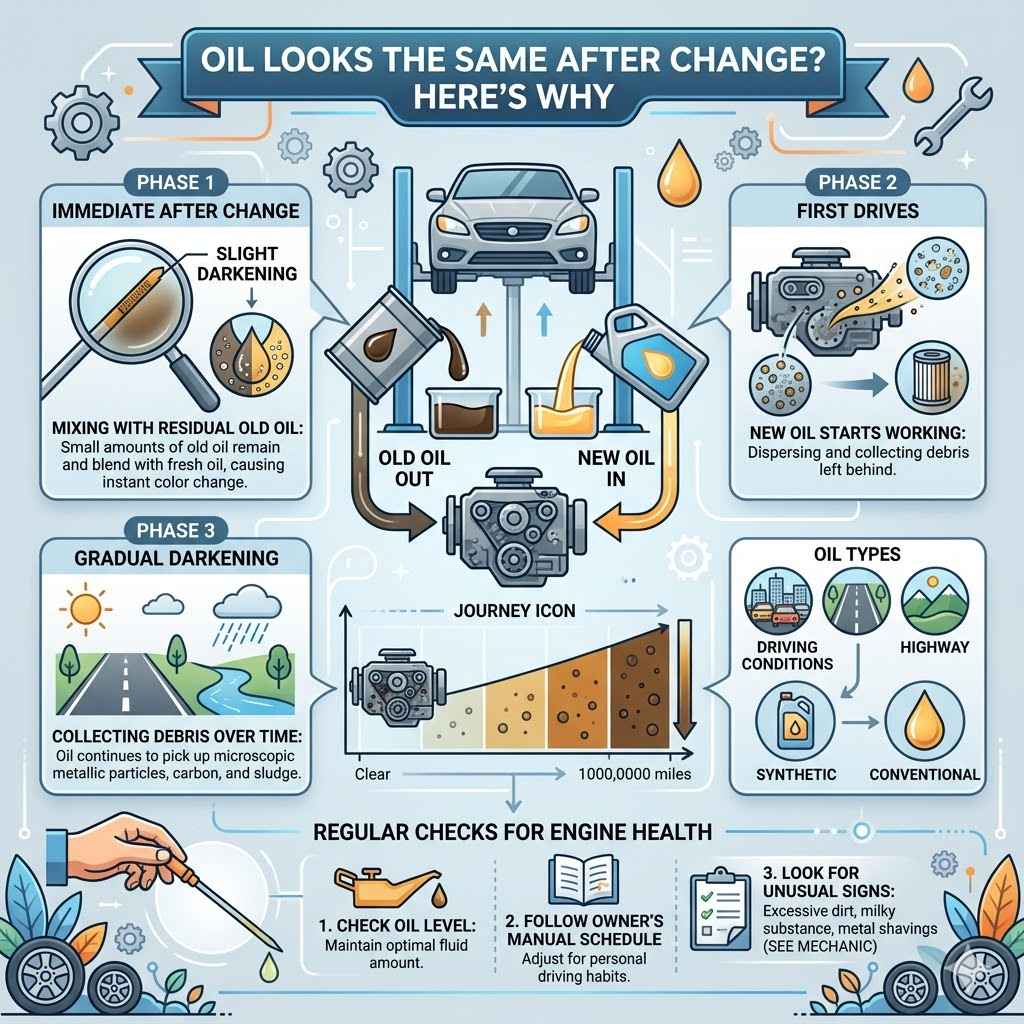
Yes, it is normal for new oil to appear slightly dirty or darker than expected almost immediately after an oil change. This is usually due to a small amount of old oil residue left in the engine from the previous oil. It can also be influenced by sediment in the oil filter or remaining in the oil pan.
This slight darkening is not a sign that the oil change was done incorrectly or that the oil is bad. It’s a minor cosmetic effect. The new oil will still provide excellent lubrication and protection for your engine.
The key is that the majority of the oil is fresh.
What If My Oil Doesn’t Turn Dark After an Oil Change?
If your oil remains very light-colored and clear for a long time after an oil change, it could mean a few things. It might indicate that your engine is exceptionally clean, or perhaps you are using a very high-quality synthetic oil that resists darkening.
However, it could also mean that the oil is not picking up contaminants effectively, which is not ideal. Another possibility is that the oil filter is not working correctly, or that the oil was not properly seated in the engine. If you’re concerned, it’s always best to consult your mechanic.
How Long Does New Oil Stay “Clean” Looking?
New oil typically stays “clean” looking for the first few hundred miles, depending on your driving conditions. It will start to turn a light brown color gradually. On a highway drive, it might take longer for the oil to show significant darkening compared to stop-and-go city driving.
Even after a few hundred miles, the oil might only be a translucent brown. It usually takes several thousand miles for it to become opaque brown or black. The exact timeline varies greatly depending on the car and how it’s driven.
Can I Check My Oil Level and Color Myself?
Yes, absolutely! Checking your oil level and color is one of the easiest and most important maintenance tasks you can do yourself. It’s recommended to do this regularly, perhaps once a month or before a long trip.
To check, make sure your car is parked on a level surface and the engine has been off for at least 5-10 minutes. Locate the dipstick (usually has a brightly colored handle, often yellow or orange). Pull it out, wipe it clean with a rag or paper towel, reinsert it fully, and then pull it out again.
The oil level should be between the “min” and “max” marks. The color of the oil on the dipstick will give you an idea of its condition.
What Is the Lifespan of Engine Oil?
The lifespan of engine oil is typically measured in mileage or time, as specified by your car’s manufacturer. Most conventional oils last between 3,000 to 5,000 miles, while full synthetic oils can last 7,500 to 15,000 miles or more.
However, time is also a factor. Even if you don’t drive many miles, oil can degrade over time due to oxidation and exposure to moisture. Manufacturers usually recommend an oil change every six months, regardless of mileage, to ensure the oil’s protective properties are maintained.
Oil Looks the Same After Change? Here’s Why
It’s understandable to question if your oil change was effective if the new oil doesn’t look dramatically different. The truth is, a slight darkening right after the change is normal. This is often due to residual old oil mixing with the new.
The fresh oil then begins its work, collecting microscopic debris.
This process causes the oil to gradually darken over time and mileage. Different driving conditions and oil types can affect how quickly this happens. By understanding the normal appearance of new and used oil, you can better gauge your car’s engine health.
Regular checks and following your manual’s schedule ensure optimal performance.
Frequently Asked Questions
Question: Why does my new oil look darker than I expected right after the change?
Answer: This is usually because a small amount of old oil residue remained in your engine from the previous oil change. This residue mixes with the new oil, causing a slight darkening. It’s a common and normal occurrence.
Question: How long should it take for my new oil to start looking darker?
Answer: It typically starts to show a slight darkening within the first few hundred miles. The pace of darkening depends on your driving habits, engine type, and the quality of the oil.
Question: Is it bad if my oil doesn’t turn dark for a long time?
Answer: Not necessarily. It could mean your engine is very clean or you’re using a high-quality synthetic oil. However, if it stays completely clear for many thousands of miles, it’s worth having checked to ensure the oil is circulating and cleaning properly.
Question: What’s the difference in color between synthetic and conventional oil after a change?
Answer: Both synthetic and conventional oils start out a similar light amber color. Synthetic oils are engineered to resist breakdown and hold their properties longer, so they might stay lighter for a bit longer than conventional oil under the same conditions, but they will still darken with use.
Question: Should I worry if my oil looks “dirty” but not black?
Answer: A translucent or opaque brown color is normal for used oil. It indicates the oil is doing its job by collecting contaminants. If it looks black and sludgy, or has a milky appearance, those are signs for concern.
Summary
The appearance of your engine oil after a change can be a bit surprising. Remember that a slight darkening is normal due to residual old oil. The new oil’s job is to clean your engine, which naturally causes it to darken over time and miles.
Regular checks using your dipstick help you monitor this. Always follow your car’s maintenance schedule for optimal engine health and performance.