Best Plastic Scraper for Car: Remove Stickers and Adhesive Safely
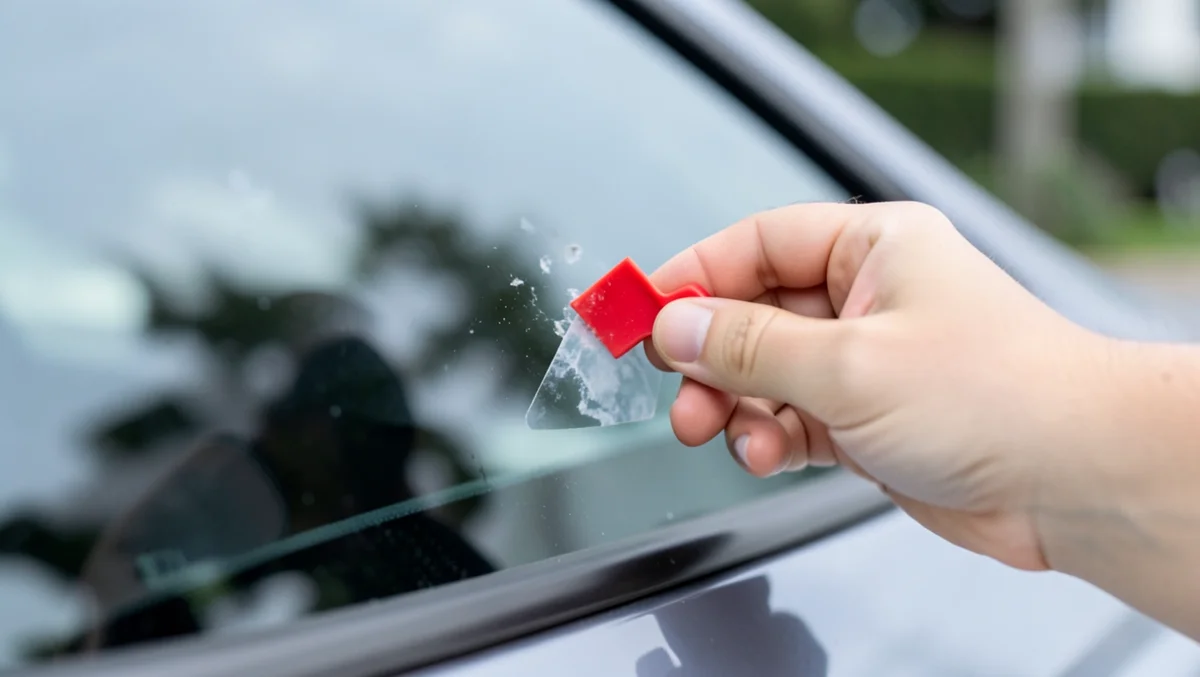
A plastic scraper for your car is a small, non-marring blade or squeegee used to lift stickers, wheel-weight adhesive, sap, and old vinyl decals without gouging paint or glass the way a metal blade can. Below are three real tools that cover the three most common jobs – general scraping, stubborn adhesive, and vinyl wrap application – along with a buying guide and answers to the questions people actually ask before buying one.
Why a Plastic Scraper Beats a Metal One on Most Car Surfaces
Clear coat paint, tinted glass, and vinyl wrap are all softer than the steel or hardened plastic razor blades sold for household glass cleaning. A dedicated automotive plastic scraper is molded from a softer polymer (usually nylon or ABS) that flexes slightly under pressure instead of biting into the surface, which is why detailers reach for one before touching wheel-weight adhesive, registration stickers, or old decals. Felt-edge squeegees go a step further for vinyl work, using a soft fabric strip instead of a hard edge so a fresh wrap goes on without scuffing.
BEST OVERALL PICK
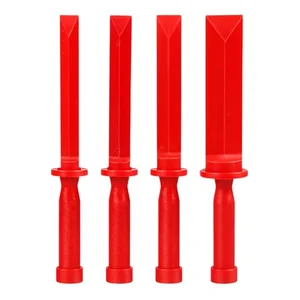 |
Mandark 4-Piece Plastic Car Chisel Scraper Set – $8.99 A 4-piece non-marring chisel set built for wheel-weight adhesive, dried paint overspray, and general debris without risking the finish underneath.
|
Mandark 4-Piece Plastic Car Chisel Scraper Set
This four-piece set is aimed at removing wheel weights, dried adhesive, and stuck-on debris without marking the paint, trim, or wheel finish underneath. Each scraper measures about 9.84 inches long, 1.42 inches wide, and 0.76 inches thick, with a slightly different tip angle per piece so you can pick the one that fits into a corner, a wheel-well lip, or a flat panel.
Pros
- Molded from non-marring plastic, so it will not scratch clear coat, chrome, or plastic trim the way a metal chisel can
- Four angled tips cover flat panels, tight corners, and wheel-well lips
- Compact and light enough to keep in a glove box or trunk toolkit
Cons
- Not built for heavy-duty scraping jobs like thick undercoating or hardened tar
- The plastic edge will round off with repeated use on tough, dried-on debris
Because the tips flex slightly instead of biting in, this set works best as a first attempt on wheel-weight adhesive tape residue or dried bug and tar spots before reaching for anything stronger. For anything already softened with heat or an adhesive remover, the angled edge lifts it cleanly without extra pressure.
Razor Blade Scraper Tool (3-Pack, Plastic and Metal Blades)
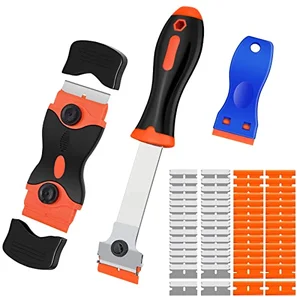
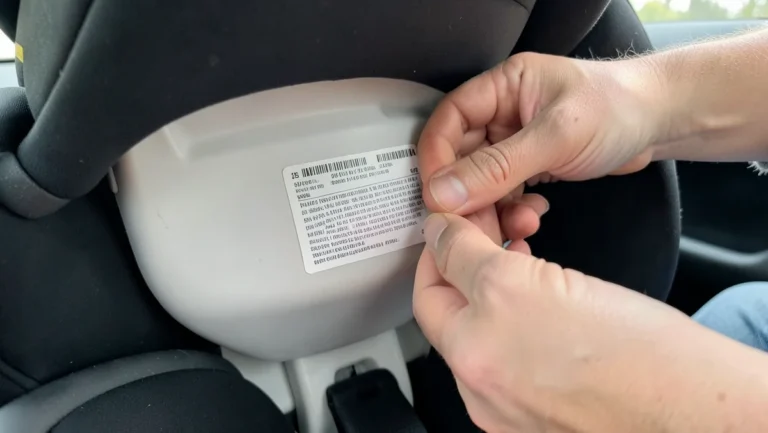
This kit is not a single scraper – it is three handle styles loaded with a total of 50 plastic blades and 30 metal blades, aimed at removing registration stickers, window tint remnants, and dried grease from glass and hard trim. The blade you load determines whether it is safe for paint: plastic blades are the only safe choice on clear coat, while the metal blades are reserved for bare glass.
Pros
- Comes with 80 total replacement blades (50 plastic, 30 metal), so a dull edge is never a reason to stop working
- Three handle shapes make it easier to reach flat glass, curved trim, and tight window corners
- The metal blades cut through hardened residue that a plastic edge cannot touch
Cons
- The metal blades will scratch clear coat paint and most plastic trim – keep them on bare glass only
- Blades need replacing often on gritty, dirt-embedded residue
Treat the blade choice as the safety decision here: plastic blades on the windshield, side glass, and anywhere near painted panels; metal blades reserved for bare glass with stubborn label glue or old registration stickers that a plastic edge cannot lift.
TECKWRAP Plastic Felt Edge Squeegee (Vinyl and Decal Applicator)
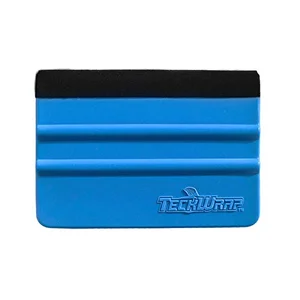
This is the odd one out on this list – it is not for removing anything, it is for applying vinyl decals, wraps, and window tint without trapping air bubbles underneath. The 4-inch blue plastic body is wrapped along one edge with a black felt strip, which glides over fresh vinyl instead of dragging or scuffing it the way a bare plastic edge would.
Pros
- The felt edge prevents scuffing or scratching fresh vinyl during application
- Compact 4-inch size is easy to control around curves, mirrors, and door handles
- Durable enough for repeat use across multiple wrap or tint jobs
Cons
- Ships as a single unit, so a replacement felt strip or second squeegee is a separate purchase
- Not useful for scraping off stickers or adhesive – it is an application tool, not a removal tool
If your job is putting vinyl on rather than taking something off, this is the tool from this list that actually applies – the Mandark set and razor blade kit above are both for removal, not application.
How to Choose the Right Plastic Scraper for Your Car
The right tool depends on what you are removing (or applying) and what surface it is touching. Use this table to match the job to the tool:
| Job | Best Tool | Why |
|---|---|---|
| Wheel-weight adhesive, dried debris on panels | Mandark chisel set | Angled non-marring tips reach corners without a blade edge |
| Registration stickers, window tint remnants | Razor blade scraper (plastic blade) | Thin blade lifts thin, flat residue cleanly |
| Hardened glue or grime on bare glass only | Razor blade scraper (metal blade) | Metal cuts through what plastic cannot, safe on glass only |
| Applying vinyl wrap, decals, or tint film | TECKWRAP felt squeegee | Felt edge presses out air bubbles without scuffing new vinyl |
As a rule, start with plastic on any painted or tinted surface and only move to a metal blade on bare glass if the plastic edge genuinely cannot lift the residue. Working slowly at a low angle avoids the scratching that heavy-handed scraping causes on both paint and glass.
Frequently Asked Questions
How Do You Use a Plastic Scraper on a Car?
Hold the scraper at roughly a 45-degree angle to the surface and apply light, steady pressure while pushing in one consistent direction. Warming stubborn adhesive first with a hairdryer or a few minutes of direct sun makes it lift more easily and reduces the pressure you need to apply.
Is a Plastic Scraper Safe for Car Paint?
Yes, a purpose-made plastic automotive scraper is designed to be non-marring on clear coat paint, unlike a metal razor blade. It still is not risk-free – grit trapped under the blade or excessive pressure can leave fine scratches, so keep the surface wet or lubricated and check the blade edge for debris as you work.
Can a Plastic Scraper Remove Adhesive From Glass?
Yes. Plastic blades handle stickers, tint remnants, and film residue on glass without the scratch risk of metal. For adhesive that will not budge, pair the scraper with an isopropyl alcohol or dedicated adhesive remover to soften the glue first, and keep the blade clean of grit as you go.
What Is a Felt Edge Squeegee Used For?
A felt edge squeegee is an application tool, not a removal tool. It presses vinyl wrap, decals, or window tint flat against a surface while pushing out trapped air bubbles, and the felt strip along the edge keeps it from scuffing the fresh vinyl the way a bare plastic edge could.
How Do Razor Blade Scrapers Differ From Plastic Ones?
A razor blade scraper is a handle that accepts interchangeable blades, either plastic or metal, rather than one fixed non-marring edge. Plastic blades are the safe choice near paint and trim; metal blades cut through tougher residue but should stay on bare glass, since they can scratch clear coat and most plastic surfaces.
Will a Plastic Scraper Work on Any Car?
These tools are universal in shape and are not tied to a specific make or model, so they work the same on any car’s paint, glass, or trim. The one exception is very old or already-damaged clear coat, where any scraping tool carries more risk – test on a small, hidden spot first before working on a visible panel.
Which Plastic Scraper Should You Buy?
Buy the Mandark chisel set for general debris and wheel-weight adhesive, the razor blade scraper if you regularly deal with stickers and window residue and want a sharper edge, and the TECKWRAP felt squeegee only if you are applying vinyl wrap, decals, or tint rather than removing anything. Many car owners end up keeping one of each, since they solve different problems.
Conclusion
A plastic scraper for your car is cheap insurance against the scratches a metal blade or fingernail can leave behind. The Mandark set handles general debris and wheel-weight adhesive, the razor blade scraper covers stickers and stubborn glass residue with its interchangeable plastic and metal blades, and the TECKWRAP felt squeegee is there for the opposite job – laying down vinyl instead of taking something off.
If the job at hand is old sticker glue rather than wheel weights or vinyl, see our full guide on how to remove sticker residue from a car without damaging the paint for a step-by-step walkthrough. For broader upkeep, the right scraper is one small part of a larger car care routine that keeps paint and glass looking new.
Products related to this article
Sponsored / affiliate links. As an Amazon Associate I earn from qualifying purchases. I may earn additional commission from eligible campaigns.