How to Get Dried Tree Sap off Car: Hardened Sap Removal Guide
Dried tree sap can be a real headache for car owners. It sticks stubbornly, damaging paint if not removed carefully.
Finding your car splattered with tree sap is frustrating. The sticky substance seems to bond with the paint, leaving unattractive marks. You might think that washing it off is easy, but dried sap is resistant to simple cleaning methods. It requires a bit more effort and care to ensure the paint stays intact.
Fortunately, there are effective ways to tackle this problem without causing harm to your vehicle’s finish. Understanding the right techniques and materials is key to removing sap efficiently. Whether it’s using household items or special cleaners, knowing how to handle sap can save you from expensive repairs. Let’s explore how to remove dried tree sap safely and effectively.
Quick Answer
Soften dried sap with rubbing alcohol, a dedicated tar-and-sap remover, or warm soapy water first — never scrape it dry. For sap that’s been baked on for weeks, a spray remover followed by a lubricated clay bar lifts what a cloth alone can’t touch. Wash and wax the spot afterward to protect the paint.
Identifying Tree Sap
Tree sap is sticky and shiny. It often appears on car hoods and roofs. The sap can look like small, clear droplets. Sometimes it might be dark and thick. It feels sticky to touch. Cars parked under trees get sap often. The sap can be hard to see at first. Look closely under sunlight. Spotting sap early helps in cleaning.
Tree sap can harm car paint. It sticks and dries fast. Over time, sap can leave marks. The paint may fade or peel. Cleaning sap quickly is important. The sap may cause a rough surface. It makes the car look old and dull. Protecting the car paint from sap is necessary.
Immediate Action Steps
Working with tree sap can be sticky. Wear gloves to protect your hands. Use goggles to keep your eyes safe. Work in a ventilated area. This helps keep you comfortable. Stay away from direct sunlight. It makes the sap harder to remove.
Gather these items before you start. You will need rubbing alcohol. It helps to soften the sap. A clean cloth is useful for wiping. A plastic scraper helps remove the sap. A bucket of soapy water is good for cleaning. Wax or car polish can make your car shine again.
Our Pick: Best for Hardened Sap
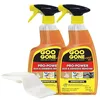
Goo Gone Pro-Power Spray Gel Adhesive Remover
Best for: hardened, heavily-bonded sap that a plain wipe-down won’t touch
Why we picked it: the gel formula clings to a vertical hood or roof surface instead of running off, giving it the dwell time dried sap actually needs
Main drawback: still needs a gentle wipe-down afterward — it softens the sap, it doesn’t dissolve it instantly
View Our Pick on Amazon
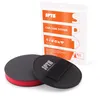 Clay Bar Detailing Pad Kita clay pad picks up embedded sap sitting slightly above the paint surface without the scratching risk of a scraperCheck on Amazon → |
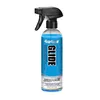 Nanoskin GLIDE Spray Detailer / Clay Lubricantsilicone-free so it won’t interfere with any wax or sealant applied afterwardCheck on Amazon → |
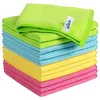 MR.SIGA Microfiber Cleaning Cloths (12-Pack)lint-free microfiber won’t grind loosened sap residue into the paint the way a paper towel or old rag canCheck on Amazon → |
As an Amazon Associate, we earn from qualifying purchases.
Using Household Items
Vinegar is a great tool for cleaning. Mix equal parts of vinegar and water. Soak a cloth in this mixture. Place it on the sap for 5 minutes. This softens the sap. Next, make a paste of baking soda and water. Rub this paste on the sap spot. The sap will start to come off. Wipe the area with a clean cloth.
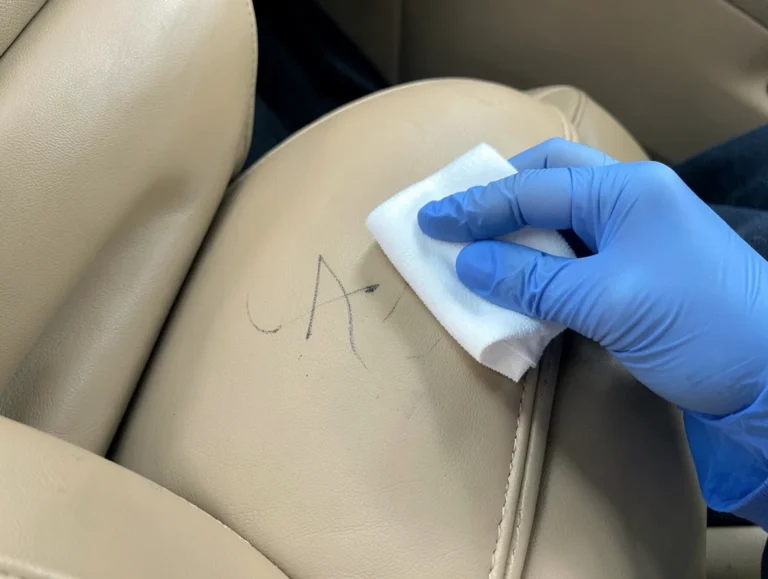
Rubbing alcohol is very effective. Pour a small amount on a soft cloth. Gently rub the sap with the cloth. The alcohol helps to break down the sap. Do not scrub too hard. This can harm the car’s paint. Repeat if needed until the sap is gone. Clean the area with water after.
Commercial Cleaning Products
Find a cleaner made for tree sap. Always check the label. Look for products that are safe for car paint. Some cleaners might be too harsh. Test a small spot first. This helps avoid damage. Choose products with natural ingredients. They are safer for your car. Avoid cleaners with strong chemicals. They might harm the paint or finish. Research online reviews. See what other car owners say. Their experiences help you pick wisely.
Start by washing your car. Clean the area around the sap. This makes it easier to remove. Apply the cleaner directly on the sap. Use a soft cloth. Rub gently in a circular motion. Don’t press too hard. This prevents scratches. Rinse the area with water. Remove any cleaner left on the car. Dry with a clean towel. Check for any remaining sap. Repeat if needed. Always follow the product instructions. Each product works differently. Remember, patience is key.
Natural Remedies
Olive oil can help remove tree sap. First, pour a small amount on a soft cloth. Gently rub the sap spot with the cloth. Olive oil makes the sap soft, making it easier to remove. Use a clean cloth to wipe off the oil. Repeat if needed until the sap is gone. This method is gentle and safe for car paint.
Place an ice cube in a plastic bag. Hold the bag on the sap for a few minutes. Ice makes the sap hard. Once hard, gently scrape it with a plastic card. Be careful not to scratch the car paint. This method is effective and easy. Use a soft cloth to clean any residue.
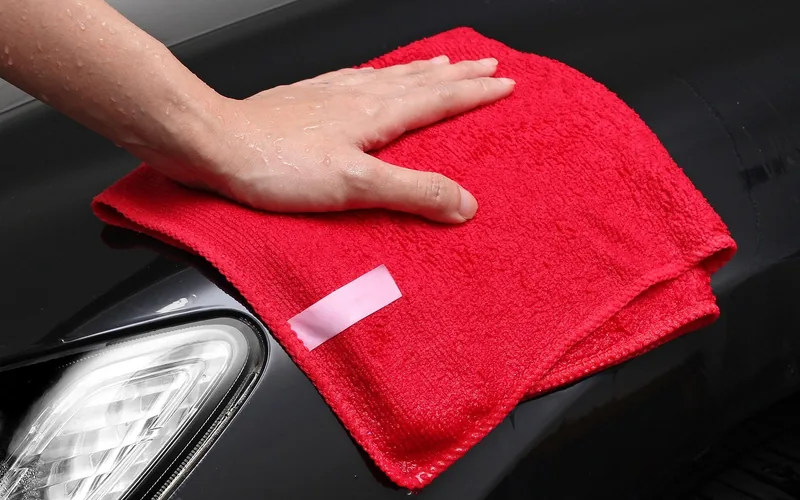
Why Dried Sap Needs a Different Approach Than Fresh Sap
Fresh sap wipes off with soapy water in seconds. Once it’s sat through a few sunny days, it hardens into a shell that’s bonded to the clear coat, and none of the “gentle wipe” methods above will fully lift it on their own. That’s the specific problem this guide focuses on — sap that’s already dried, not sap you just noticed dripping down the windshield.
Should You Use a Heat Gun or Hair Dryer on Hardened Sap?
Sources disagree here, and it’s worth knowing why. A hair dryer or heat gun on its lowest setting, held 6-8 inches from the surface, can soften hardened sap enough to lift with a plastic scraper. But that same heat can blister or discolor clear coat if you get too close or linger too long, and it takes real practice to judge the difference. The safer default: skip the heat entirely and use a dedicated tar-and-sap remover with a full 5-minute dwell time, then finish with a lubricated clay bar for whatever residue remains. Save the heat-gun method for spots that survive both of those.
When Does Bonded Sap Need a Clay Bar Instead of Just Wiping?
If a chemical remover softens the sap but a slightly raised, gritty patch is still there after wiping, that’s sap sitting just above the paint surface rather than dissolved into it — exactly what a clay bar is built for. Spray a clay lubricant (or soapy water) on the spot, then glide a clay pad over it with light pressure; never drag it dry, since that’s what causes marring. This step is usually skipped in fresh-sap guides because fresh sap rarely needs it.
Preventive Measures
Always park your car away from trees. Tree sap comes from trees. Parking under trees means sap might fall on your car. Find a spot in the open. Covered parking is even better. It protects from sap and other things. Also, avoid parking under birds’ nests. Bird droppings can be a problem too. Take these steps to keep your car clean.
Keep your car clean by washing it often. Use a soft cloth and water. This helps remove dirt and sap. Waxing your car adds a protective layer. Sap won’t stick easily to waxed surfaces. Check your car for sap spots often. Remove them quickly using soap and water. This prevents hard stains. Always have a sap remover in your car. It helps in emergencies.
Professional Cleaning Services
Car owners often face sticky sap issues. It can be tough to clean. Knowing when to seek help is important. If the sap won’t come off, consider a professional service. They have special tools and techniques. This ensures safe removal.
- Safe cleaning without damage.
- They use special products.
- Quick and easy service.
- They know how to treat car paint.
Professionals provide peace of mind. Your car stays clean. It stays beautiful. Consider calling them for tough sap spots.
Maintaining Car Appearance
Waxing your car keeps it shiny and new. It protects the paint. Polishing removes small scratches. It makes the car look smooth. Use a soft cloth for polishing. Apply wax in small circles. Buff the car after waxing. This makes the shine last longer.
Washing your car often keeps it clean. It removes dirt and grime. Use gentle soap and water. Rinse well to avoid soap spots. Dry with a soft towel to prevent scratches. A regular wash keeps the car looking nice. It helps maintain the car’s value.
Frequently Asked Questions
How Do I Get Hardened Sap Off My Car?
To remove hardened sap, apply rubbing alcohol or hand sanitizer to the affected area. Use a microfiber cloth to gently rub the sap away. Wash and wax the car afterward to protect the paint. Avoid using harsh chemicals that can damage the car’s surface.
What Removes Dried Sap?
Use rubbing alcohol or hand sanitizer to remove dried sap. Apply it on a cloth and rub gently. Wash the area with soap and water afterwards for best results.
Will Dawn Dish Soap Remove Sap From Car?
Yes, Dawn dish soap can help remove sap from a car. Apply a small amount on the sap, gently scrub with a soft cloth, and rinse with water. It’s effective yet gentle on the car’s paint. Always test on a small area first to ensure no damage.
What Is The Best Solvent For Tree Sap On Cars?
Isopropyl alcohol is the best solvent for removing tree sap from cars. It effectively dissolves the sap without damaging paint. Apply gently with a soft cloth, ensuring thorough cleaning. After removal, wash and wax the area to restore shine and protection.
Is It Safe to Use a Heat Gun on Dried Sap?
Only with real caution. A hair dryer or heat gun on low, held 6-8 inches away, can soften hardened sap, but too much heat or too little distance can blister the clear coat. A dedicated tar-and-sap remover with a 5-minute dwell time is the safer first choice; save heat for spots that don’t respond to it.
Do You Need a Clay Bar for Tree Sap?
Only if a chemical remover leaves a slightly raised, gritty patch behind after wiping. That residue is sitting on top of the paint rather than dissolved, and a lubricated clay bar lifts it without scratching. Fresh sap almost never needs this step — it’s mainly for sap that’s been baked on for weeks.
Conclusion
For an even deeper dive into paint-safe removal methods and product comparisons, see our full guide on how to get tree sap off car paint without damaging it. Removing dried tree sap from your car is simple with the right steps. Use household items like vinegar or rubbing alcohol. Gently rub the sap away with a microfiber cloth. Avoid harsh chemicals to protect your car’s paint. With patience and care, your car will look clean again.
Follow these tips to maintain your car’s shine. Regular checks help prevent sap buildup. Keep your car pristine and sap-free.
Products related to this article
Sponsored / affiliate links. As an Amazon Associate I earn from qualifying purchases. I may earn additional commission from eligible campaigns.