5 Plastic Wrap for Car Window Options Worth Trying
For broken car-window coverage you can fit by damage type, use clear packing tape plus a trash bag for a small side-window break, shrink or stretch wrap for wider openings, and thick contractor plastic for rear glass or storm damage. If the film is loose, it can flap off, let in rain, and leave sharp glass exposed. This guide matches each wrap to opening size, adhesion needs, and the safest window use.
Broken-window wrap options at a glance
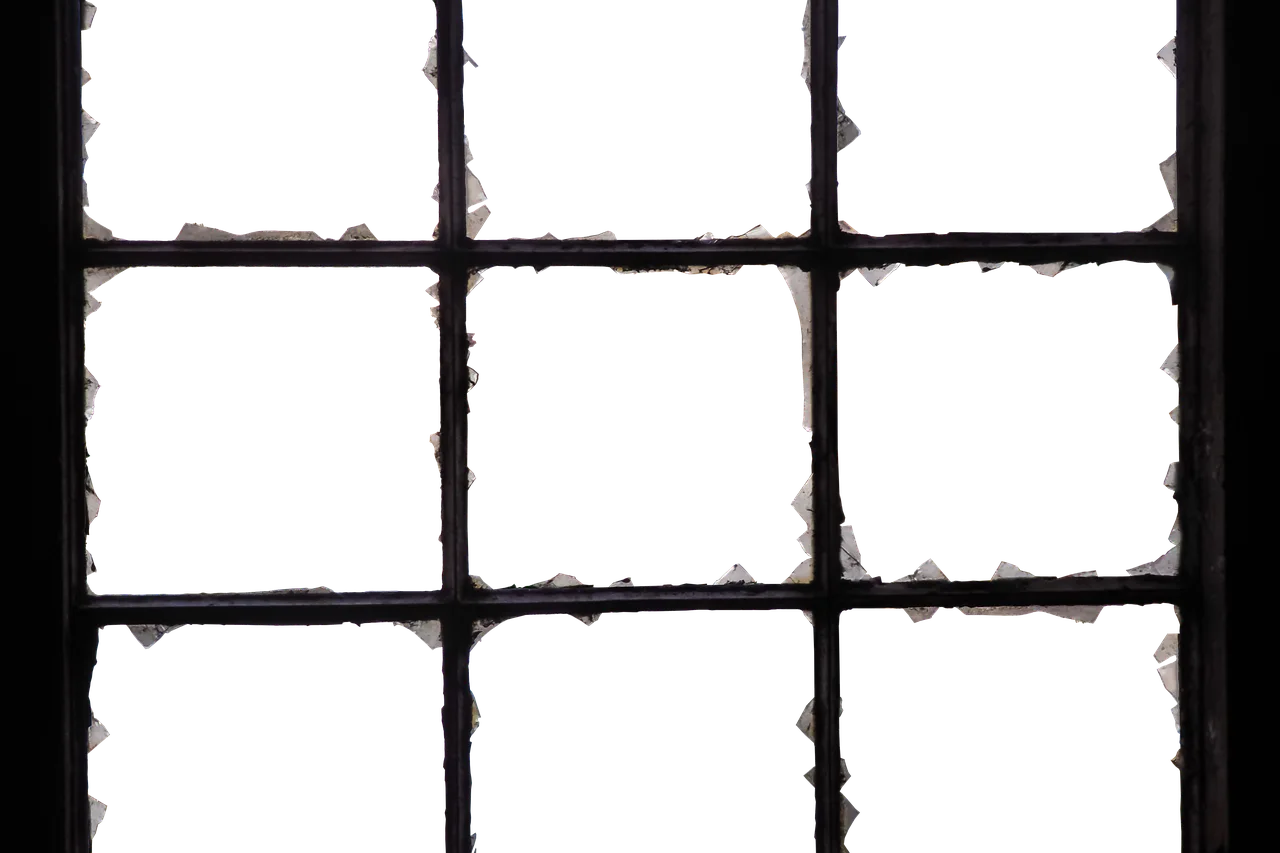


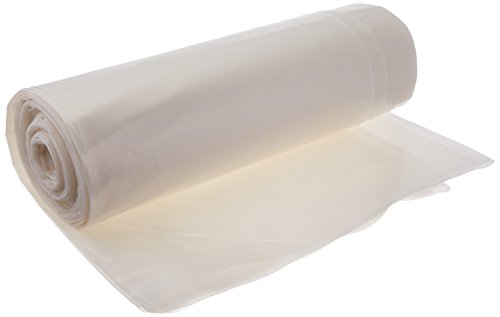
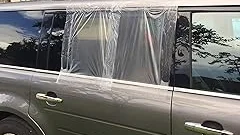
The right wrap depends on the opening. Small side-window damage can use narrower film if the edges are sound, but rear glass and door openings usually need wider material and stronger adhesion. Clear film helps with visibility; blue or opaque film can be easier to see during installation.
Self-adhesive crash wrap is the better pick when you need the film to stay attached for towing, transport, or short-term storage. Stretch film works better when residue risk matters more than grip.
| Option | Size | Best use | Adhesion risk | Visibility impact | Safe-use duration |
|---|---|---|---|---|---|
| TapeManBlue Crash Wrap | 36-inch width; 100-foot roll or 200-foot roll | Wide openings, rear glass, towing | Low to moderate on clean, dry glass | Moderate if applied over a driver-side opening | Short term |
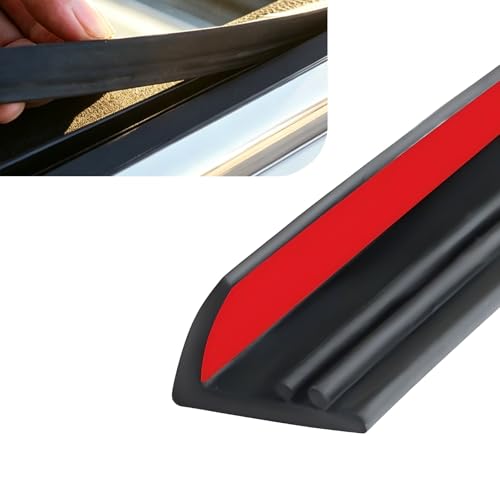
| Big Tape Car Wrap | 17.5-inch width; 6-foot roll length | Temporary window repair on smaller openings | Moderate | Lower when used on small side windows | Short term |
| Big Tape Window Plastic Film | 17.5-inch width; 12-foot XL roll | DIY coverage for side windows | Moderate to low if surfaces are clean | Moderate | Short term |
| MAXIFILM Multi-Use Collision Crash Wrap | 36-inch by 100-foot size | Moving, storage, crash damage | Low to moderate on clean paint and glass | Moderate | Short term |
| Plastic stretch film wrap | 18-inch width; 1200-foot roll | Fast coverage, residue-free cleanup | Low | High if layered heavily | Very short term |
How much coverage do you need?
For one broken side window, a 17.5-inch film is often enough if the remaining frame gives the wrap enough border to grip. For a wider rear opening or a door glass that has fallen into the door, 36-inch crash wrap gives more overlap and fewer exposed edges. Extra overlap matters because edges fail first.
Compact cars often need less width, but the opening shape matters more than vehicle class. An SUV rear quarter window can still be awkward if the broken area is tall. Vans and large rear openings usually need the wider roll, even when the hole looks manageable from a distance.
Compact car versus SUV versus van opening size
A compact sedan with a shattered front door glass can sometimes be covered with a 17.5-inch film strip placed vertically and overlapped at the edges. An SUV or van rear opening usually needs wider material, especially if the glass break extends into the upper frame or the weather seal.
When 17.5-inch film is enough
Use 17.5-inch film when the opening is narrow, the perimeter is intact, and you can anchor the wrap to clean painted metal or intact trim. It is better for a side window than for a rear hatch opening. If the film only reaches the opening without overlap, step up in width.
When to step up to 36-inch crash wrap
Choose 36-inch crash wrap when the opening is broad, the glass is missing in a large arc, or the vehicle will be moved before repair. That wider sheet gives more surface area for adhesion and more protection against rain, road grit, and air pressure around the edge.
Why extra overlap matters at the edges
Overlap is the part that prevents a corner from peeling on the road. A narrow patch can bridge the hole, yet still fail if the edges sit on dusty paint, wet trim, or torn weatherstripping. Wider wrap gives you margin when the surface is not ideal.
Crash wrap decision matrix
The best choice changes with the damage. Side-window breaks favor smaller, cleaner coverage. Rear glass and wide crash openings need more width and more adhesive grip. If residue risk is high, stretch film may beat sticky crash wrap. If the vehicle must move soon, self-adhesive film is usually the safer bet.
| Damage type | Required width and length | Adhesion risk | Residue risk | Visibility impact | Safe-use duration |
|---|---|---|---|---|---|
| Broken side window | 17.5-inch film; enough length for full border overlap | Moderate on trim and glass edge | Low to moderate | Low if applied only to the broken pane | Short term |
| Rear glass | 36-inch wrap; enough to cover the full opening with overlap | Moderate | Low if removed promptly from clean surfaces | Moderate to high | Short term |
| Wide crash opening | 36-inch wrap; longer roll preferred for extra overlap | Moderate to high if the surface is dusty or wet | Moderate on warm paint or dirty trim | High if it covers a driving-view opening | Very short to short term |
| Transport or storage use | 36-inch wrap or stretch film, depending on opening size | Low on clean surfaces | Low with residue-free film | Low to moderate | Short term |
TapeManBlue Crash Wrap
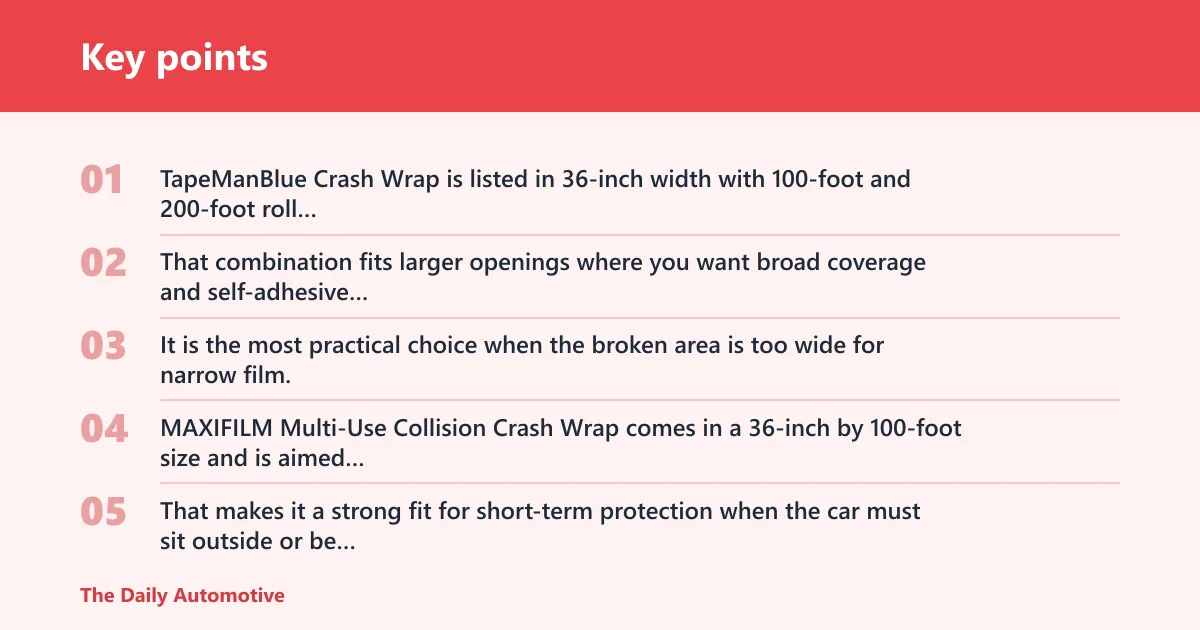
TapeManBlue Crash Wrap is listed in 36-inch width with 100-foot and 200-foot roll options, and it is described as 3.5-mil thick. That combination fits larger openings where you want broad coverage and self-adhesive hold. It is the most practical choice when the broken area is too wide for narrow film.
MAXIFILM multi-Use Collision Crash Wrap
MAXIFILM Multi-Use Collision Crash Wrap comes in a 36-inch by 100-foot size and is aimed at vehicle moving and storage. That makes it a strong fit for short-term protection when the car must sit outside or be transported. Clean removal matters here, especially on painted trim and glass edges.
Big Tape Car wrap
Big Tape Car Wrap comes in a 6-foot roll with a 17.5-inch width. That format suits smaller side-window repairs where you need a narrower sheet and still want a waterproof film. Mechanic Insider says it is designed to stay secure at highway speeds, but only if the surface is clean and the wrap is applied with full edge contact.
Big Tape Window Plastic Film
Big Tape Window Plastic Film is a 12-foot XL roll with a 17.5-inch width. It is described as waterproof, easy for DIY installation, and free of sticky residue. That makes it useful when you want a cleaner removal path after a short drive or a same-day repair appointment.
Plastic stretch film wrap
International Plastics Co. stretch film is 18 inches wide, 1200 feet long, and listed with 500% stretch capacity. Stretch film is a good choice when residue-free removal matters more than adhesive hold. It is useful for quick coverage, but it depends more on tension and wrapping pattern than on a sticky backing.
Which wrap stays put at speed?
Self-adhesive crash wrap usually stays put better than stretch film because it bonds to the surface rather than relying only on tension. Waterproof film helps by blocking rain and road spray, but water resistance alone does not stop edge lift. Highway movement exposes weak corners first, then the whole sheet.
A common first-timer mistake is covering the opening without checking the edge seal from inside the cabin. If you can see daylight around a corner, that corner is likely to peel, whistle, or let in moisture once the car picks up speed.
What can fail on the highway?
Air pressure can lift a loose edge, especially on a door opening or rear glass area where airflow changes shape. Dust, wet trim, and cracked paint weaken adhesion. A wrap that looks secure at idle can still fail if the opening was not cleaned or if the overlap is too small.
When towing is safer than driving
Towing is safer when the broken opening is in the driver’s line of sight, when the wrap covers a large rear opening, or when there are still loose shards around the frame. If the film blocks rearward visibility or the seal looks questionable, short-distance towing is the better call.
Choose crash wrap if… / Choose stretch film if…
Crash wrap is the better answer when you need stronger hold, wider coverage, and short-term protection for transport or storage. Stretch film is the better answer when you want faster cleanup and lower residue risk, especially after a break that only needs temporary weather shielding.
Choose crash wrap if…
- The opening is wide, such as rear glass or a large door opening.
- You need self-adhesive hold for towing, moving, or short-term storage.
- The vehicle will sit outside in weather and road grit is a concern.
- You want 36-inch coverage from TapeManBlue Crash Wrap or MAXIFILM.
Choose stretch film if…
- You are covering a smaller side window and want residue-free removal.
- The surface is clean and you can wrap tightly with overlap.
- You need a quick temporary fix before a shop visit.
- You want the lowest cleanup burden after removal.
Clear versus blue wrap
Clear wrap usually makes sense when visibility matters, such as a side window that still needs some daylight into the cabin. Blue or darker film can be easier to spot on the outside during installation, which helps with alignment. For driver-view openings, the least reflective film is usually the safer choice.
Heat matters too. Darker film can draw more heat in direct sun, so clear film is often a better fit when the wrap will sit on a side window for more than a brief drive. If the film blocks your view, do not drive with that opening covered.
Does temporary wrap leave residue?
Residue-free adhesive film is the safest choice when you want surface preservation and easier cleanup. Even then, residue risk rises on dusty, wet, or hot surfaces. Plastic stretch film usually leaves less sticky residue than adhesive crash wrap, but it depends on tension and clean contact points.
Dry surfaces matter. Wet glass can trap dirt under the film, and warm paint can make adhesive bond harder to remove later. If you are using a sticky wrap, apply it only after the glass edge and nearby trim are dry and free of grit.
How do you remove temporary wrap without damaging the car?
Peel the wrap back slowly at a low angle, not straight out from the surface. If adhesive resists, warm the film gently with sunlight or mild cabin heat, then continue in short pulls. Avoid scraping with metal tools, which can mar glass, trim, or paint.
Check the edge where the film touched rubber seals. That is where residue and tearing are most likely. If any shards remain in the frame, remove them before lifting the film so loose glass does not catch and rip the wrap.
Emergency checklist for temporary coverage
- Wear gloves and clear loose shards from the opening.
- Brush or vacuum the glass edge and nearby trim.
- Dry the contact surface fully before applying film.
- Cover the opening with enough overlap on every side.
- Press the edges down firmly so no corner floats free.
- Check driver visibility and rear visibility before moving the car.
- Confirm the wrap is secure again after the first few minutes of driving.
Say your sedan loses a front passenger window in a parking lot. A 17.5-inch film can be enough for a small side-window break if the frame is intact and dry, but only if the patch overlaps the perimeter cleanly. If the break is in the rear glass of a hatchback, step up to a 36-inch wrap instead.
Suppose a van door glass shatters and the vehicle needs to be driven to a body shop the next morning. A self-adhesive crash wrap is the better fit than painter’s plastic because it is more likely to stay attached during road airflow. If the opening blocks rearward sight, towing is the safer plan.
Frequently asked questions
What is the best plastic wrap for a broken car window?
The best choice depends on the opening. Use 36-inch crash wrap for rear glass or wide openings, 17.5-inch film for smaller side windows, and stretch film when residue-free cleanup matters most. For temporary protection, match the width to the damage before you worry about brand names.
Will plastic wrap stay on a car window at highway speeds?
It can, but only if the surface is clean, dry, and wide enough for solid overlap. Self-adhesive crash wrap holds better than stretch film. Even so, a poor edge seal can fail at speed. If the wrap blocks visibility or looks loose, tow the vehicle instead.
How do you cover a broken car window temporarily?
Remove loose glass, clean the frame, dry the surface, and apply enough wrap to overlap the edges. Press down every perimeter section and check for gaps. For a small side window, narrower film can work. For rear glass or a larger opening, use a wider crash wrap.
What thickness of crash wrap should I buy?
For the products named here, TapeManBlue Crash Wrap is described as 3.5-mil thick. In general, thicker film resists tears better, which helps on larger openings and during transport. Thickness still matters less than fit, adhesion, and whether the wrap can cover the full edge with overlap.
Is clear or blue crash wrap better for car windows?
Clear wrap is usually better when visibility matters, especially on a side window that affects driving sight lines. Blue or darker wrap may be easier to see during installation, but it can increase heat and reduce outward visibility. Use the least obstructive film for any opening near the driver.
Does plastic wrap leave residue on car glass or paint?
It can, especially on dusty, wet, or warm surfaces. Residue-free adhesive film lowers that risk, and stretch film is usually easier to remove cleanly. The best prevention is simple: clean and dry the contact area before application, then remove the wrap soon after the repair or transport.
Products related to this article
Sponsored / affiliate links. As an Amazon Associate I earn from qualifying purchases. I may earn additional commission from eligible campaigns.