Vinyl Wrap for Cars: 3 Picks and Best Film Types
For most DIY car wraps, cast vinyl is the best starting point because it follows curves with less pull at the edges and holds up longer on complex panels; calendered PVC works better on short, flat panels; air-release films are the easiest place to begin. Pick the wrong film and corners lift, stretched areas shift color, and wash cycles expose seam failures fast. This guide compares practical film types by use case, install difficulty, durability, and coverage, then points to the one that fails first on curves and edges.
Three vinyl wrap picks by use case


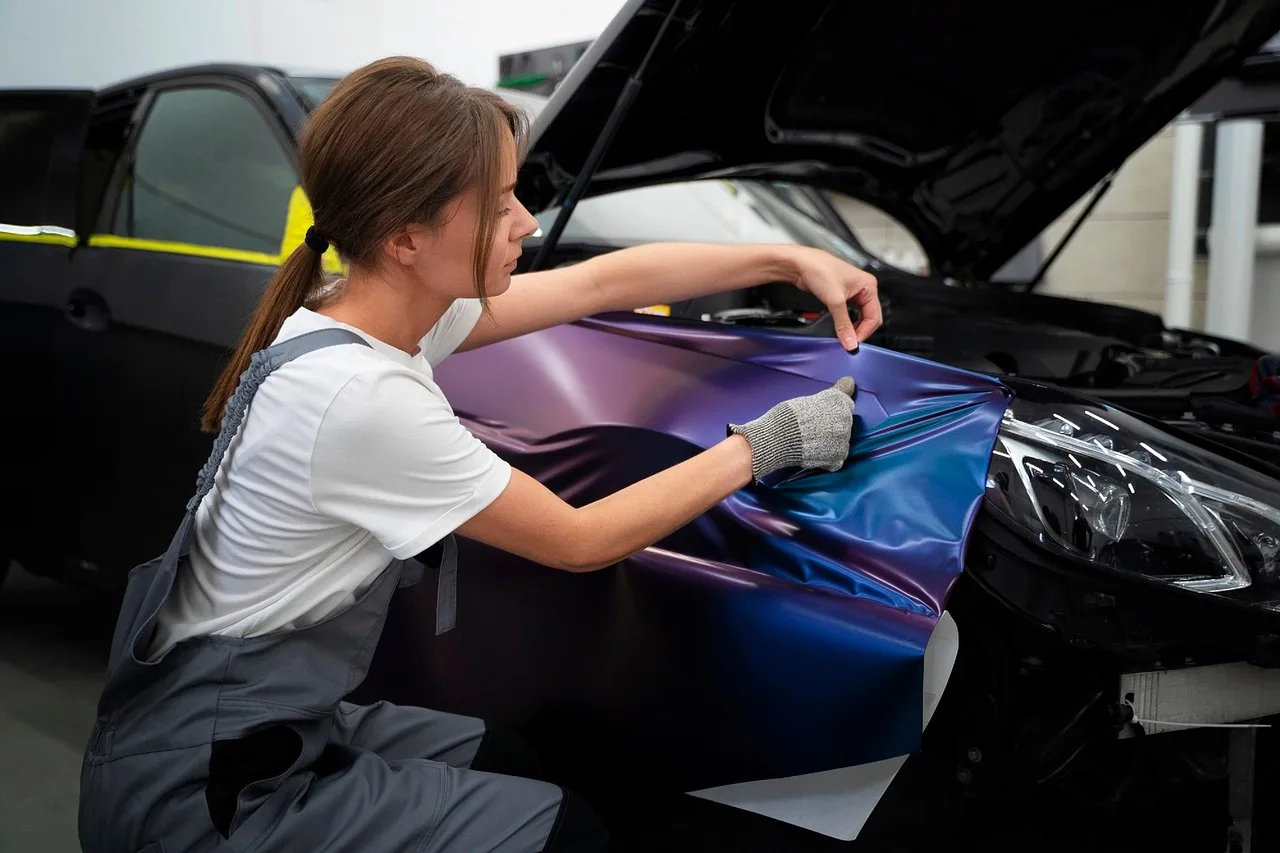
For a full-body color change, 3M 2080 Series is the strongest all-around recommendation because it pairs dual-layer construction with Comply v3 air-release channels and Controltac repositioning, and it is rated for 5-8 year outdoor life. For DIY budget panels, VViViD matte and gloss rolls are easier to buy in smaller pieces. For trims, Spurtar’s 4 in x 20 ft roll keeps waste low.
Quick picks by use case
| Use case | Best fit | Why it fits | Skill level |
|---|---|---|---|
| Full vehicle color change | 3M 2080 Series | Dual-layer film, air-release channels, repositioning support | Intermediate |
| Flat hood, roof, door skin | Avery Dennison Supreme Wrapping Film | Cast vinyl, about 3.2 mil thick, easier to conform than calendered film | Intermediate |
| Budget DIY exterior panels | VViViD Black Matte Car Wrap Vinyl Roll | 3.9 mil thickness, air-release, matte finish hides minor install marks better | Beginner |
| Mirror caps, trim, chrome delete | Spurtar Gloss Black Vinyl Wrap | 4 in x 20 ft roll reduces waste on small parts | Beginner |
Top pick for full-body color changes
3M 2080 Series is the safest pick when the job includes bumpers, fenders, door handles, and mirror bases. The combination of Comply v3 air-release channels and Controltac repositioning helps on the first pass, and the 5-8 year outdoor life gives it a clear advantage over short-life films on a daily driver.
Best budget-friendly DIY option
VViViD Black Matte Car Wrap Vinyl Roll is a practical starter choice for a hood, roof, or flat door skins. It is listed at 3.9 mils thickness, uses air-release technology, and the matte black finish hides small alignment errors better than gloss on a first attempt. It is still less forgiving than cast film on tight curves.
Best for trim, mirrors, and accents
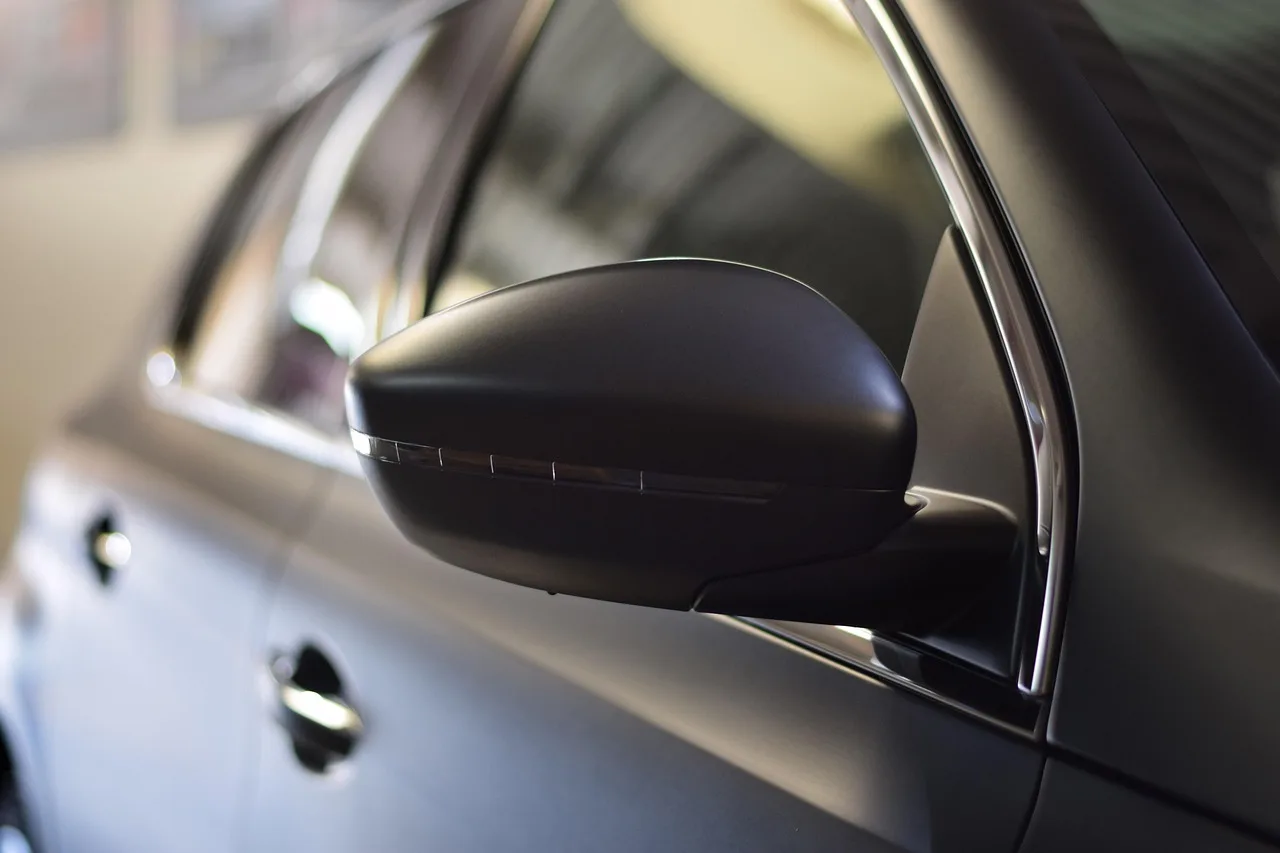
VViViD XPO Black Carbon Fiber and Spurtar Gloss Black Vinyl Wrap fit small jobs better than full-sheet products. XPO brings carbon fiber texture, air release, resist technology, and heat fuse technology for shaping around badges or mirror covers. Spurtar’s 4 in x 20 ft roll is the right scale for chrome delete strips and trim.
Which wrap type is easiest to install?
Cast vinyl is easiest on complex curves because it conforms with less force and holds shape better at edges. Calendered vinyl is easier to buy and cut for flat panels, but its memory makes tight bends more likely to fight back. Air-release adhesive cuts trapped air and reduces rework, so it helps on either type.
Cast vinyl for complex curves
Cast vinyl is typically 2.5-3.5 mil thick and is the better choice for bumpers, mirror housings, fender arches, and other parts with deep shaping. It stretches more evenly and is less likely to pull back from corners. That is why full wraps and tricky panels usually belong to cast film, not calendered stock.
Calendered vinyl for flatter panels
Calendered vinyl is usually 3-4 mil thick and works better on flat or lightly curved panels such as roofs, hoods, and simple door skins. It can handle cosmetic changes, but its memory and shrink risk matter more on edges and recesses. That tradeoff is why it fits budget jobs and not the hardest bodywork.
Why air-release matters on first installs
Air-release vinyl helps bubbles escape as you lay the film down. That matters most on a first install, where repeated lift-and-reset passes can mar the adhesive or trap dust. VViViD’s air-release options, 3M’s Comply v3, and Avery’s Easy Apply RS all exist to make that step more manageable.
Which wrap fails first on daily drivers?
On a wash-heavy daily driver, wrap usually fails first at edges, seams, and deep recesses before it fails in the middle of a panel. Lower-grade calendered film is more likely to shrink or lift at corners, while poorly heated cast film can still pull back on bumpers. Frequent pressure washing speeds up all of those weak points.
Edges and seam lift
Edges are the first problem area because they see tire spray, hand-wash contact, and repeated temperature swings. A film with poor edge memory can begin to lift on hood seams, door handles, and trunk lips. For that reason, finish and adhesive matter less than edge behavior when the car is washed often.
Bumper recesses and deep curves
Bumper recesses punish film that does not stretch evenly. Calendered vinyl can bridge a recess, then pull away later when heat and wash cycles work on it. Cast vinyl handles those shapes better, but even it needs proper heating and post-heating at relief cuts if the panel has a deep pocket or sharp return.
Wash abuse and high-heat parking
Frequent automatic washing and long sun exposure raise failure risk on any wrap. Matte finishes tend to hide scuffs but can look chalky sooner if the surface is scrubbed hard. Gloss films show swirls faster. Carbon fiber texture can conceal small defects, yet edge wear still shows on exposed trim pieces.
Best wrap for full-vehicle jobs
For a full-vehicle wrap, the best choice is usually a cast film, with 3M 2080 Series and Avery Dennison Supreme Wrapping Film at the front of the list. Both are better suited to compound curves than calendered vinyl. If the car has bumpers, flare edges, or complex mirror bases, cast film is the safer buy.
3M 2080 Series
3M 2080 is commonly described as having dual-layer construction, Comply v3 air-release channels, and Controltac repositioning, which can help with alignment on large panels. Its 5-8 year outdoor life makes it fit the long-haul daily driver better than a short-term decorative film. For a full wrap, that mix of conformability and durability matters more than a low sticker price.
Avery Dennison Supreme Wrapping film
Avery Dennison Supreme Wrapping Film is a cast vinyl listed at about 3.2 mil thick and uses Easy Apply RS technology. That combination gives it the kind of install behavior many pro shops prefer on full-body work. It suits owners who want a cleaner finish on complex curves without starting with the hardest film available.
Cast vinyl vs calendered vinyl
Cast vinyl is better for full wraps because it conforms to complex curves and usually lasts 5-7+ years on vehicles. Calendered vinyl is better for short, flat panels, where its 1-3 year life can still make sense. The decision is not abstract: the more curves and edges, the more cast vinyl matters.
Say your hatchback roof is flat, but the rear spoiler has a tight trailing edge. Calendered film can work on the roof and fail sooner at the spoiler lip. One panel is easy; the other asks for stretch and edge hold. That is where cast vinyl keeps the job from turning into a patchwork of lift points.
Best wrap for DIY budget projects
For a budget project, the easiest choices are the ones that give you enough material for one panel without forcing a full-vehicle purchase. VViViD+ Ultra Gloss Premium Vinyl Car Wrap Film works for small gloss sections, while VViViD Black Matte Car Wrap Vinyl Roll is a practical flat-panel starter. Both are easier to justify than a pro-grade full roll for a first try.
VViViD+ ultra gloss Premium Vinyl car Wrap Film
VViViD+ Ultra Gloss Premium Vinyl Car Wrap Film uses nano air-release technology, and its mirror-like ultra gloss finish aims at a showy appearance on smaller exterior sections. It is sold in 6ft x 5ft and 3ft x 5ft sizes, which can make it useful for hood inserts, roof strips, or accent pieces rather than a full car.
VViViD black matte Car Wrap Vinyl Roll
VViViD Black Matte Car Wrap Vinyl Roll combines a matte black finish with air-release technology and a listed 3.9 mil thickness. That makes it a decent DIY-friendly exterior option when the goal is a darker finish and fewer visible imperfections. Matte also hides slight overlap marks better than gloss on a beginner install.
Finish choice: gloss or matte
Gloss shows dust, alignment errors, and surface texture more clearly. Matte hides minor mistakes but asks for more careful cleaning, because oily fingerprints and wax residue stand out in a different way. Satin usually splits the difference, though it was not one of the listed products here. Carbon fiber texture hides small flaws best on trim, not on broad panels.
Best wrap for trims and small panels
Small parts call for small rolls. VViViD XPO Black Carbon Fiber fits mirror caps, spoiler inserts, and interior-exterior transition pieces, while Spurtar Gloss Black Vinyl Wrap is sized for badges, trim strips, and chrome delete work. For these jobs, a small roll often beats a large one because waste drops sharply.
VViViD XPO black carbon fiber
VViViD XPO Black Carbon Fiber uses a carbon fiber texture, air release, resist technology, and heat fuse technology. That combination helps on small pieces where the film must wrap around shallow corners and stay put after heat shaping. It is a logical choice for accent work, not a full-side panel.
Spurtar gloss black Vinyl Wrap
Spurtar Gloss Black Vinyl Wrap is described as a 4 in x 20 ft roll with an air-release adhesive and gloss black finish. That size is practical for small-panel use because it gives enough length for repeated cuts without buying more film than the job needs. It is a trim tool, not a body-shell solution.
When small rolls make sense
Small rolls make sense when the part width is narrow, the surface is simple, and you are not trying to match a large adjacent panel. A chrome delete strip, grille bar, or mirror cap does not need a full sheet. Smaller material also reduces the penalty if the first cut goes wrong.
Vinyl wrap decision table
This table turns the buying question into a practical match. Use case matters more than brand loyalty. Skill level, panel shape, climate, and maintenance habits determine whether you should buy cast vinyl, calendered vinyl, or a smaller accent roll first.
| Use case | Skill level | Panel complexity | Climate | Maintenance tolerance | Best wrap type |
|---|---|---|---|---|---|
| Full wrap on a sedan or SUV | Intermediate | High | Hot sun or mixed weather | Medium to high | Cast vinyl, such as 3M 2080 or Avery SWF |
| Roof or hood only | Beginner to intermediate | Low to medium | Any, if parked outside | Medium | Calendered vinyl or cast vinyl if the panel has curves |
| Mirror caps or trim | Beginner | Low, but tight edges | Any | High | Small roll with air-release, such as Spurtar or VViViD XPO |
| Chrome delete | Beginner | Medium | Cool to moderate | Medium | Gloss or matte calendered film for straight sections |
Coverage calculator
Use this simple rule of thumb: measure the panel’s length and width in feet, multiply them, then add waste based on shape. Flat panels usually need about 10% to 15% waste. Curved panels need 20% to 30%. Deep bumpers and complex full wraps often need 30% or more.
| Project | Approximate material need | Waste allowance | Buy sample swatches first? |
|---|---|---|---|
| Roof on a compact car | 1 roll near panel size, plus overlap | 10% to 15% | Yes, if choosing gloss or color-match critical finish |
| Hood on a midsize sedan | One large sheet or cut-to-length roll | 15% to 20% | Yes, if the hood has vents or strong curve |
| Mirror caps or trim strips | Small roll, such as 4 in x 20 ft | 20% to 30% | No, unless matching an existing wrap color |
| Full vehicle wrap | Multiple rolls of cast film | 25% to 35% | Yes, especially for gloss, metallic, or black |
A common first-timer mistake is buying only the exact measured panel size. That leaves no room for a failed corner or a miscut around the antenna base. If the car will sit outdoors in strong sun, sample swatches help more than product photos because finish and color shift under real light.
Frequently asked questions
What is the best vinyl wrap for cars?
For most full-body jobs, cast vinyl is the best vinyl wrap for cars because it conforms better to curves and usually lasts longer. 3M 2080 Series and Avery Dennison Supreme Wrapping Film are the strongest practical picks when you want a full wrap that can survive daily driving, not just a flat accent panel.
Is cast vinyl better than calendered vinyl for car wraps?
Yes, for curved bodywork and longer life. Cast vinyl is typically 2.5-3.5 mil thick, conforms to complex panels, and can last 5-7+ years on vehicles. Calendered vinyl is usually 3-4 mil thick and works better on flat surfaces, where its shrink risk matters less.
How thick should car wrap vinyl be?
Most buyers should look in the 2.5-3.5 mil range for cast film, or 3-4 mil for calendered film. Thickness alone does not decide quality, but it affects handling, stretch, and how the wrap behaves on edges. A thicker film is not automatically better if it resists conformity.
What is the easiest vinyl wrap to install for beginners?
An air-release film on a simple panel is the easiest starting point. For beginners, a matte black calendered roll on a roof, hood, or trim strip is usually easier than a full glossy wrap. 3M 2080 and Avery SWF are easier on control, but they cost more.
How long does car wrap vinyl last outside?
Outdoor life depends on film type, sun exposure, washing, and panel shape. 3M 2080 is listed at 5-8 years outdoors, cast vinyl is commonly described at 5-7+ years on vehicles, and calendered vinyl is often 1-3 years. Edges and seams usually fail before the center of the panel.
What tools do I need to install vinyl wrap on a car?
You need a squeegee, a sharp knife or blade, a heat gun, microfiber towels, masking tape, cleaning solution, and a way to remove dust and grease before laying film. For curved panels, a glove for heat shaping and extra blades help. Air-release film still needs careful prep and edge sealing.
Products related to this article
Sponsored / affiliate links. As an Amazon Associate I earn from qualifying purchases. I may earn additional commission from eligible campaigns.