Proven Fix: How to Fix AC Compressor On Car
If your car’s AC isn’t blowing cold, a faulty AC compressor might be the culprit. While replacing an AC compressor can seem daunting, many issues stem from related components like the clutch or a simple electrical fault. This guide offers proven fixes for common AC compressor problems, empowering you to diagnose and potentially repair your car’s cooling system yourself.
There’s nothing quite as frustrating as turning on your car’s air conditioning on a sweltering day, only to be met with a blast of warm air. A silent, unmoving AC compressor is a common reason for this unwelcome lack of cool; it’s the heart of your AC system. But before you resign yourself to an expensive trip to the mechanic, understand that many AC issues are surprisingly accessible for a DIY fix. You might be able to get your cool air back without needing a whole new compressor, saving you time and money. Let’s dive into how to diagnose and tackle common AC compressor problems!
Understanding Your Car’s AC Compressor

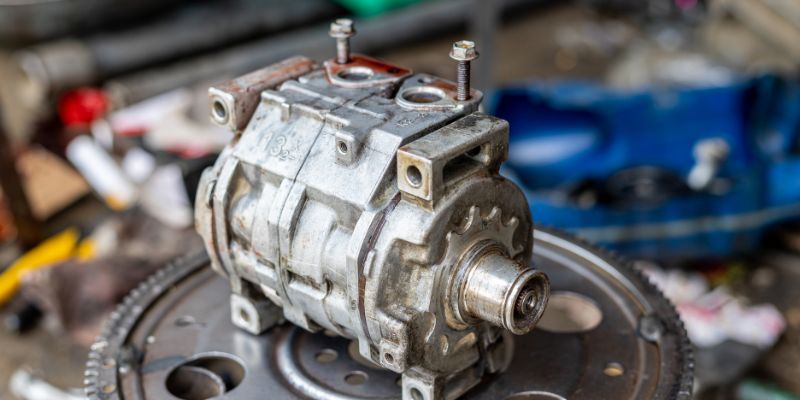
Think of your car’s AC compressor as the engine of your air conditioning system. It’s responsible for pumping refrigerant, the substance that absorbs heat from your car’s cabin and releases it outside. When the compressor isn’t working correctly, the entire cooling process breaks down, leaving you with no cold air.
What Does the AC Compressor Do?
The AC compressor’s main job is to compress the refrigerant gas, increasing its pressure and temperature. This high-pressure gas then flows to the condenser, where it releases heat and turns into a liquid. The liquid refrigerant then passes through an expansion valve, where its pressure drops, making it very cold. Finally, this cold refrigerant circulates through the evaporator in your dashboard, absorbing heat from the cabin air before returning to the compressor as a low-pressure gas, ready to start the cycle again.
Common Signs of a Failing AC Compressor
Recognizing the symptoms of a bad AC compressor is the first step to fixing it. Look out for:
- No cold air: This is the most obvious sign. If your AC is blowing air but it’s not cold, the compressor might not be engaging or pumping refrigerant.
- Strange noises: A failing compressor can make grinding, rattling, or squealing sounds, especially when the AC is turned on.
- AC clutch not engaging: You might hear a click when you turn on the AC, but if the center part of the pulley doesn’t spin with the outer belt, the clutch isn’t engaging the compressor.
- Leaking refrigerant: While not always directly from the compressor, leaks can lead to insufficient refrigerant to operate the system, impacting compressor function.
- Visible damage: Cracks, corrosion, or damage to the compressor housing or clutch are clear indicators of a problem.
Diagnosing AC Compressor Issues: A Step-by-Step Approach
Before attempting any repairs, it’s crucial to correctly diagnose the problem. This will help you determine if the compressor itself is faulty, or if the issue lies with a related component like the clutch or the electrical system.
Step 1: Check the AC System’s Cooling Ability
Turn on your car and set the AC to its coldest setting with the fan on high. Listen for the familiar “click” that signals the AC compressor clutch engaging. If you don’t hear this or don’t feel a slight engine load change, the compressor isn’t turning on.
Step 2: Inspect the AC Compressor Clutch
Pop the hood and locate the AC compressor. It’s usually a cylindrical unit driven by a belt from the engine’s crankshaft. You’ll see a pulley on the front. With the engine off, try to spin the center of the pulley by hand. It should spin freely. Remember, when the AC is engaged, the center part of the pulley should lock onto the slower-moving outer part and spin with it.
Safety First: Never try to spin the center of the pulley while the engine is running. You risk serious injury.
Step 3: Examine the AC System’s Electrical Connections
A lack of power can prevent the clutch from engaging. Check the fuse and relay for the AC system. Consult your car’s owner’s manual for their exact location. Ensure the connections are clean and secure.
Step 4: Look for Refrigerant Leaks
Low refrigerant levels can prevent the AC from working. If you notice oil residue around AC lines or the compressor, it often indicates a refrigerant leak. Refrigerant carries lubricating oil, so where the refrigerant leaks, the oil often follows.
Step 5: Listen for Unusual Noises
With the engine running and AC on, listen closely to the compressor. Grinding, knocking, or loud clicking noises often point to internal compressor damage. A high-pitched squeal might indicate a problem with the clutch bearing or a loose belt.
Common AC Compressor Problems and Their Fixes
Now that you know how to diagnose, let’s explore some common issues and how you might fix them. Remember, if at any point you feel uncomfortable or unsure, it’s always best to consult a professional mechanic.
Problem 1: AC Clutch Not Engaging
This is a very common issue, and often the easiest to fix. The AC compressor won’t engage if the clutch isn’t getting power or if the clutch itself is faulty.
Possible Causes and Fixes:
- Blown Fuse or Bad Relay: Check your car’s fuse box for the AC clutch fuse and relay. If either is blown or faulty, replace it. You can test a relay by swapping it with an identical, known-good relay in a similar circuit.
- Faulty AC Pressure Switch: This switch monitors refrigerant pressure. If pressure is too low or too high, it prevents the clutch from engaging to protect the system. Replacing a faulty pressure switch can be a DIY fix, but it requires careful handling of refrigerant to avoid releasing it into the atmosphere. You’ll need to properly discharge the system before replacement. Consult the Environmental Protection Agency (EPA) guidelines on refrigerant handling: EPA Section 608 Certification.
- Damaged AC Clutch Coil: The electro-magnetic coil in the clutch engages it. If this coil burns out, the clutch won’t engage. Replacing just the clutch assembly (which includes the coil, pulley, and bearing) is often possible without removing the entire compressor. Instructions vary by vehicle, but generally involve removing the serpentine belt, detaching the clutch nut, and swapping the clutch components.
- Worn Serpentine Belt: A loose or worn belt may not have enough tension to turn the compressor pulley effectively. Inspect the belt for cracks, fraying, or glazing. If it looks worn, replace it.
- Low Refrigerant Charge: Modern vehicles have a low-pressure cutoff switch that prevents the compressor from engaging if refrigerant levels are too low. While an AC recharge kit can add refrigerant, it’s essential to identify and fix the leak that caused the low charge first. Overcharging can also damage the system.
Problem 2: Noisy AC Compressor
Unusual sounds are a strong indicator of trouble within the compressor or its clutch.
Common Noises and Their Meanings:
- Grinding or Rumbling: This often means the internal bearings of the compressor or the clutch bearing are failing. If the noise comes from the pulley area, it might be the clutch bearing. If it’s from deeper within the compressor, it suggests internal damage.
- Squealing: A high-pitched squeal typically indicates a slipping serpentine belt, which might not be putting enough tension on the compressor pulley. It can also be a sign of a seized bearing in the clutch or compressor.
- Clicking: While a single click is normal for clutch engagement, persistent or loud clicking could mean the clutch is not properly engaged or disengaging due to internal issues.
Fixes for Noisy Compressors:
- Replace Serpentine Belt: If the noise is a squeal, try replacing the serpentine belt and ensuring correct tension.
- Replace AC Clutch Assembly: If the noise is a grinding or rumbling from the pulley area, replacing the clutch assembly can often resolve it. This is more feasible than replacing the entire compressor.
- Compressor Replacement: If internal compressor damage causes the noise, the entire compressor unit usually needs replacement. This is a more involved repair that often requires evacuating and recharging the AC system by a professional.
Problem 3: AC Compressor Leaking Refrigerant
Refrigerant leaks are serious as they not only impact cooling but are also harmful to the environment. The compressor itself can leak from its seals.
Identifying and Addressing Leaks:
- Visual Inspection: Look for oily residue on the compressor body, seals, lines, or fittings. This residue is often the refrigerant oil that escapes with the refrigerant.
- Leak Detection: Auto parts stores sell AC leak detection kits that use UV dye or electronic sniffers to pinpoint leaks.
- Seal Replacement: If a leak is confirmed at a compressor seal, it might be possible to replace just the seal. However, this requires discharging the system and is a complex job.
- Compressor Replacement: Often, a leaking compressor seal means the compressor itself needs to be replaced. This is a job that usually demands professional tools and expertise to handle the refrigerant safely and correctly. Professionals use specialized equipment to recover refrigerant, which is crucial regulated by the EPA.
When to Replace Your AC Compressor
While many AC compressor issues can be fixed by addressing the clutch or electrical components, some problems necessitate a complete compressor replacement. This is generally the case when:
- The internal components of the compressor are damaged (e.g., bearings seized, internal seals blown, pistons damaged).
- The compressor body has cracks or significant physical damage.
- Multiple attempts to fix related components have failed, and the compressor performance is still substandard.
The AC Compressor Replacement Process (Overview)
Replacing an AC compressor is a complex task that typically requires specialized tools and knowledge, especially concerning refrigerant handling. Here’s a general overview:
- System Evacuation: The AC system must be properly evacuated using a recovery machine to remove all refrigerant safely and legally. Releasing refrigerant into the atmosphere is illegal and harmful.
- Component Removal: The old compressor is unbolted, its lines are disconnected, and the serpentine belt is removed.
- System Flushing: It’s often recommended to flush the AC system to remove any debris or contaminants that may have entered due to compressor failure.
- New Compressor Installation: The new compressor is installed, its lines are connected, and new O-rings are used at all connection points.
- System Evacuation (Again): The system is evacuated again to create a vacuum, which removes moisture and air.
- Refrigerant Recharge: The system is recharged with the specific type and amount of refrigerant recommended for your vehicle, typically using specialized equipment.
- System Testing: The AC system is tested for proper operation and pressure.
Because of the need for refrigerant recovery and recharging equipment, most DIYers opt to have a professional perform the compressor replacement.
Essential Tools for AC Compressor Diagnostics and Minor Repairs
For basic diagnostics and minor fixes like starter problems or belt replacements, you might need a few common tools. For anything involving refrigerant handling or compressor replacement, specialized tools are paramount.
| Tool | Purpose |
|---|---|
| Socket Set and Wrenches | For removing bolts and nuts on the compressor clutch, belt tensioners, and other components. |
| Serpentine Belt Tool Kit | Essential for easily removing and installing the serpentine belt, especially on vehicles with automatic tensioners. |
| Basic Electrical Tester (Multimeter) or Test Light | To check for voltage at the AC clutch connector and test fuses/relays. |
| Safety Glasses and Gloves | Crucial for protecting your eyes and hands from grease, debris, and potential refrigerant leaks. |
| AC Recharge Kit (with Gauge) | For checking refrigerant pressure and potentially adding refrigerant if low, but use with caution and only after addressing leaks. Note: professional equipment is far more accurate. |
| Leak Detector (UV Dye or Sniffer) | To pinpoint refrigerant leaks. |
For actual compressor replacement, you’ll need advanced tools such as an AC manifold gauge set, vacuum pump, and refrigerant recovery machine. These are generally beyond the scope of a typical home garage. For more information on automotive tools, check out resources like Consumer Reports on Auto Tools.
Maintaining Your Car’s AC for Longevity
Preventative maintenance can significantly extend the life of your AC compressor and the entire system.
- Run the AC Regularly: Even in cooler months, run your AC for a few minutes every couple of weeks. This keeps the refrigerant circulating and the seals lubricated.
- Keep it Clean: Ensure the condenser (usually located in front of the radiator) is free of debris like leaves and dirt. A clogged condenser reduces efficiency and can put extra strain on the compressor.
- Regular Inspections: Along with other regular maintenance, have your AC system checked for proper refrigerant levels and performance during your car’s routine servicing.
- Address Leaks Promptly: If you suspect a refrigerant leak, get it checked out by a professional as soon as possible. Small leaks can turn into bigger problems and potentially damage the compressor due to lack of lubrication.
Frequently Asked Questions (FAQ)
Q1: Can I drive my car if the AC compressor is bad?
Yes, you can typically still drive your car. The AC system is a separate component from the engine’s primary function. However, a failing compressor can sometimes cause additional issues, like a seized bearing that could damage the serpentine belt, leading to loss of power steering, alternator function, etc. It’s best to get it checked and repaired.
Q2: How much does it cost to fix an AC compressor?
The cost can vary widely. Replacing just the AC clutch might cost a few hundred dollars in parts and labor. A complete compressor replacement, including refrigerant recharge and labor, could range from $500 to $1500 or more, depending on your vehicle and location.
Q3: How do I know if it’s the compressor or just low refrigerant?
If you hear the clutch engage (a click) but still get no cold air, it could be low refrigerant or an internal compressor issue. If you hear no click and the center of the pulley isn’t spinning with the belt, it could be a failed clutch, electrical issue, or the low-pressure switch preventing engagement. A simple refrigerant pressure test can help diagnose low refrigerant levels.
Q4: Is it safe to add refrigerant to my AC system myself?
While you can buy DIY refrigerant recharge kits, it’s often not recommended for beginners. Overcharging can damage the system, and if there’s a significant leak, adding refrigerant is only a temporary fix. Moreover, improper handling of refrigerants can be harmful and is regulated. It’s best to have the system professionally diagnosed and charged after any repairs.
Q5: What happens if I ignore a noisy AC compressor?
Ignoring a noisy AC compressor, especially if it’s grinding or rattling, can lead to catastrophic failure. Internal parts can break apart, potentially causing debris to circulate throughout the AC system, damaging expensive components like the condenser and expansion valve. A seized bearing could also cause the serpentine belt to break, stranding you and potentially damaging other engine components.
Conclusion
Dealing with a non-functioning car AC can be a real inconvenience, but understanding how your AC compressor works and knowing the common signs of trouble can empower you to tackle the problem. For issues related to the AC clutch, fuses, relays, or even the serpentine belt, a DIY fix is often within reach for the determined car owner. These solutions can save you significant money and give you the satisfaction of a job well done.
However, always remember that refrigerant handling and complete compressor replacement involve specialized knowledge and equipment. If you diagnose a leak, internal compressor damage, or feel unsure about any step, don’t hesitate to consult a qualified automotive technician. With proper care and timely attention, you can get your car’s AC system blowing ice-cold air again!