How Do I Find My Car If It Got Towed? Where to Look by City
If your car is missing from where you parked it, it was towed, relocated or stolen, and you can often find out which by checking for a tow sign, then contacting the office that handles tows: 311 in New York City or Chicago, or the phone number posted on the sign at a private lot. Below is where official pages from five places say to look, what to bring and which deadlines apply.
Rules differ by city and state, and every towing figure here comes from a government page read on October 14, 2026, so confirm current details with your local authorities before you go. This is general information, not legal advice.
Step 1: Confirm Your Car Was Actually Towed
Rule out simple explanations first, such as the wrong garage level or a friend who moved the car. Then look for posted signs. The Texas Department of Licensing and Regulation (TDLR) consumer page says that if your car was towed from a parking lot, you can find it by calling the phone number on the tow-away sign. Photograph the sign if you can.
No sign? Contact the police or city line for the area. NYC311 says that if your car is still not in the city lookup after about 2 hours, you should contact the police precinct where you parked, since it can tell you whether a private company towed it or whether you need to report it stolen. Chicago’s Streets and Sanitation FAQ says to call 311 before you report a car stolen, because cars are sometimes relocated to clear the street for work.
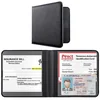 |
Best Glove Box Paperwork Holder Pick CoBak Car Registration and Insurance Holder Best for: Keeping registration and insurance papers together so they are ready at a tow pound counter. Why we picked it: The listing describes 2 large pockets for registration and insurance papers, clear inner PVC pouches and a 5.4 x 5.3 inch size meant for a glove box or console compartment. Main drawback: It stores paperwork only. It will not help you locate a towed car, and you still need your photo ID and payment. |
As an Amazon Associate we earn from qualifying purchases. Spec-based pick from the listing, not a hands-on test.

Step 2: Check Your City’s Online Towed-Vehicle Lookup
A lookup only helps if your city runs one and the city ordered the tow. Here is what the pages read say:
- New York City: NYC311 says you need your plate number, state and plate type (such as passenger, commercial or vanity) to see where the vehicle is, which agency towed it and what it costs to get back, and that a car can take up to 2 hours to appear. Phone help: 311 or 212-NEW-YORK (212-639-9675).
- Chicago: The Streets and Sanitation page says to enter your license plate to find a towed vehicle, call 311 for a vehicle that may have been relocated, and use 312.744.PARK (7275) if the tow was due to outstanding tickets.
- Los Angeles: The LADOT FAQ lists a 24 Hour Customer Care Hotline, 1 (866) 561-9742, for a towed car and says to determine which Official Police Garage has your vehicle.
- Texas private-property tows: The TDLR page points to the phone number on the tow-away sign rather than an online lookup.
If your city is not listed, search its official government site for “find towed vehicle” or call its non-emergency line. Our New York City towed car guide goes deeper on NYC; this page covers locating a car in any city.
The Locate Order: What to Do in the First Hour
- Look near the spot for a tow-away sign and photograph it.
- Call the number on the sign if there is one (private lots, per the TDLR page).
- Use your city’s plate lookup if it has one, and allow time for the record to appear (NYC311 says up to 2 hours).
- Call 311 or the city’s towing line (311 in NYC and Chicago, the LADOT hotline in Los Angeles).
- If the lookup is still empty, contact the police precinct or department for the area where you parked.
- Only then treat the car as stolen, as the NYPD and NYC311 pages describe.
Towed Car Lookup by City: Where to Search and What to Bring
| Place | Where to search | What the page says to bring | Page and date shown |
|---|---|---|---|
| New York City | NYC311 lookup or 311 | Valid driver’s license, current registration certificate and current insurance card; release only to the registered owner, spouse or an authorized representative with written, notarized authorization | NYPD towed vehicles page and NYC Finance retrieve page, footers show 2025 |
| Chicago | City plate search or 311 | Valid photo ID; proof of ownership (valid title, current registration card or a bill of sale not more than 30 days old; a lessee shows the lease); a representative needs an original notarized letter | Common Towing Questions (no date shown) and Relocated and Towed Vehicle page (footer 2010 to 2026) |
| Los Angeles | LADOT hotline; the Official Police Garage holding the car | Page does not list documents; contact the garage | LADOT FAQ (no date shown) |
| Texas, private tow | Number on the tow-away sign; the storage facility | Photo ID, proof you own or may use the car, and payment of all towing and storage fees | TDLR consumer information (no date shown) |
Private-Property Tows: What the Texas Page Says You Can Do
Private tows work differently from city tows. The TDLR page says that if your car is not fully hooked up to the tow truck, you can ask for its release without paying a fee or proving ownership. If it is fully hooked up but has not left the lot, you may keep it but must pay a drop fee, capped statewide at $135 for a car of 10,000 lbs or less. At the vehicle storage facility (VSF), you may get into the car to recover ownership documents or personal property without paying a fee, and you may request a tow hearing at a Justice of the Peace Court if you think the tow was wrongful or the charges too high.

In New York City, NYC311 says that if a sign where you parked lists the towing company’s name and phone number, contact that company, and that private towing companies may tell the local precinct, which can then give you the company’s contact information. Other states and cities set their own rules, so do not assume Texas limits apply elsewhere.
Gathering Essential Information
Have your plate number and state, registration, photo ID and insurance card ready. For payment, the NYPD page lists cash, certified check, ATM debit card, money order, traveler’s checks and major credit cards in the name of the person retrieving the car, while Chicago’s page says checks and money orders are not accepted.
Retrieving Your Car
Settle everything before the car is released. In New York City, the NYPD page says a car will not be released if there are parking judgments against it, and parking tickets cannot be paid at the tow pound; the Finance page says you cannot retrieve a car without valid registration or insurance.
In Chicago, all charges must be paid in full and the car must be current on registration. At a Texas VSF, the TDLR page lists proof of ownership options including a title, an insurance card naming you, a notarized power of attorney, or a current lease or rental agreement.
How Much Do Towing and Storage Fees Cost?
There is no single national price, so the table shows amounts printed on each page. Several pages carry no date, so compare them with the bill you are handed.
| Place and tow type | Charges printed on the page | Page |
|---|---|---|
| New York City, NYPD tow pound | Regular tow $185.00; heavy duty tow $370.00; overnight storage $20.00 for each night if not redeemed the same day | NYPD towed vehicles page |
| New York City, Marshal or Sheriff judgment tow | Tow fee (if applicable) $140.00; tow dispatch fee (if applicable) $67.50; boot fee $136.00; Sheriff/Marshal execution fee $80.00; plus judgment amount | NYC Finance retrieve page |
| Chicago, city tow | Towing $250 for vehicles under 8,000 pounds and $350 at 8,000 pounds or more; storage $50 per day under 8,000 pounds and $100 per day at 8,000 pounds or more; exceptions may apply | Common Towing Questions |
| Texas, private-property tow | Maximum tow charge $272 for up to 10,000 lbs; storage $20 per day or part of a day for vehicles 25 feet or less (the page cites $22.85 after a 2023 adjustment); notification fee up to $50; impoundment fee up to $20 | TDLR consumer information |
| Los Angeles, booted car | Boot removal requires paying all fines and late fees plus a $150.00 boot fee; the FAQ lists no tow fee | LADOT FAQ |
How Long Do You Have? Deadlines From the Pages
| Place | Deadline or time limit the page states | Page |
|---|---|---|
| New York City | Auction process begins if a car is not picked up within 72 hours of the tow, and it may be auctioned as soon as 10 days after (Auctions section of the page); the ticket behind an NYPD tow must be paid or contested within 30 days of the ticket date | NYC Finance retrieve page and NYC311 |
| Chicago | Vehicles are normally stored no more than 21 days from the date the city mails notice to the owner; unclaimed cars may be disposed of or sold at auction | Common Towing Questions |
| Texas | Tow hearing request is due before the 14th day (excluding Saturdays, Sundays and national holidays) after the car was placed in the VSF; a VSF may sell an unclaimed car 30 days after it mailed or published its second notice | TDLR consumer information |
| California | The DMV page refers to a 10-day window to oppose a lien sale; after that it becomes a civil matter and the page suggests considering legal advice | California DMV lien sales page |
Mistakes That Cost Drivers Money
| Mistake | What the page says |
|---|---|
| Reporting the car stolen before checking for a relocation | Chicago says cars can be relocated to clear the street for work and to call 311 before reporting a theft |
| Trying to pay the ticket at the pound | NYC says the ticket that caused the tow cannot be paid at the NYPD tow pound |
| Arriving without registration or insurance | NYC says you cannot retrieve a car without valid registration or insurance |
| Assuming a car lifted by the truck can be released | Chicago says once the vehicle is raised, it must go to the pound; Texas says a car fully hooked up but still in the lot can stay if you pay the drop fee |
| Letting a lien notice sit | California DMV describes a 10-day window to oppose a lien sale |
What If It Was Not Towed? Stolen vs Relocated
If the lookup, the city line and the tow company all come up empty, the NYPD page says the car may have been stolen and that your local precinct can help decide. Contact your local police department and follow its instructions for reporting a theft.
Preventing Future Incidents
Read posted signs carefully, including restrictions that apply on certain days or hours. See our guide on how to avoid a tow for habits that cut your risk.
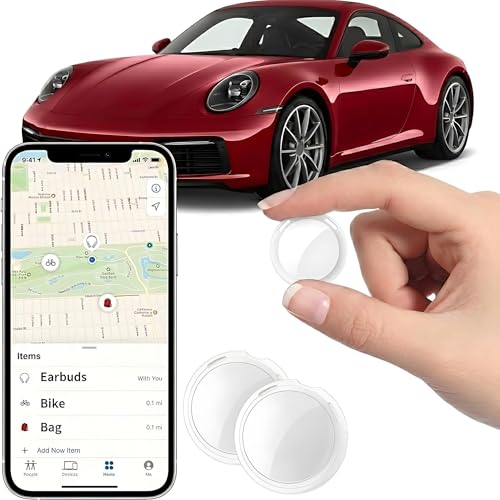
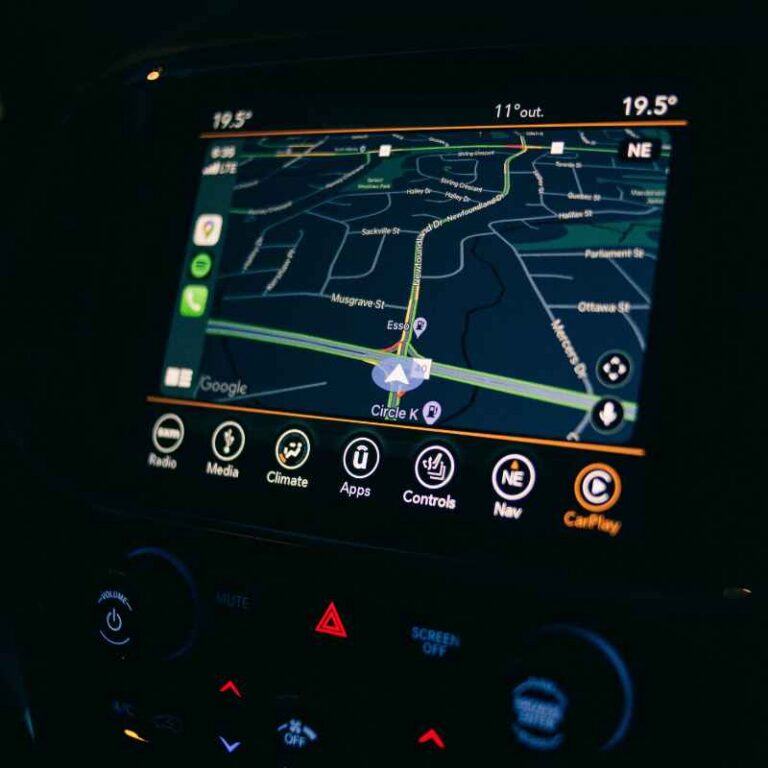
A tracker gives you a head start if a tow does happen. A GPS tracker installed in your car or one of the best car tracking apps can show where the car went, though a tracker will not tell you which lot holds it.
Where to Go Next
Once you know where the car is, these guides cover the next steps: how to get a towed car back, how to find which towing company took your car, how long a car can stay in impound and getting a car out of impound without a license.
Frequently Asked Questions
How Can I Check If My Car Was Towed?
Look for a tow-away sign and call the number on it. Then use your city’s lookup or 311 if it has one; NYC311 says a vehicle can take up to 2 hours to appear. If nothing shows, contact the police precinct for the area where you parked.
Where Should I Look For My Towed Car?
It depends on who ordered the tow. City tows go to a city pound or Official Police Garage, per the NYC, Chicago and Los Angeles pages. Private-property tows go to a storage facility whose number is on the sign, per the Texas TDLR page.
How Much Will Towing Fees Cost Me?
It depends on the city and state. The pages read list a $185.00 regular NYPD tow plus $20.00 per night of storage, $250 towing plus $50 per day in Chicago, and a $272 Texas private-property tow maximum for vehicles up to 10,000 lbs.
What Documents Are Needed To Retrieve My Car?
Pages read list photo ID, proof of ownership or authorized use, and payment. NYC also lists the current registration and insurance card; Chicago lists a title, registration card or recent bill of sale.
Do All Cities Have An Online Towed Car Lookup Tool?
Not every place describes one. NYC and Chicago pages describe a plate lookup, the Los Angeles FAQ points to a hotline and Official Police Garage, and Texas private tows rely on the number on the sign.
Conclusion
Finding a towed car comes down to a short order of calls: the sign’s number for a private lot, the city lookup or 311 for a city tow, then police if both come up empty. Bring photo ID, proof of ownership and payment, and move quickly, because the pages read show storage charges and sale deadlines that start at the tow.
Products related to this article
Sponsored / affiliate links. As an Amazon Associate I earn from qualifying purchases. I may earn additional commission from eligible campaigns.