Do New Cars Come with Tinted Windows? Factory Tint % Explained
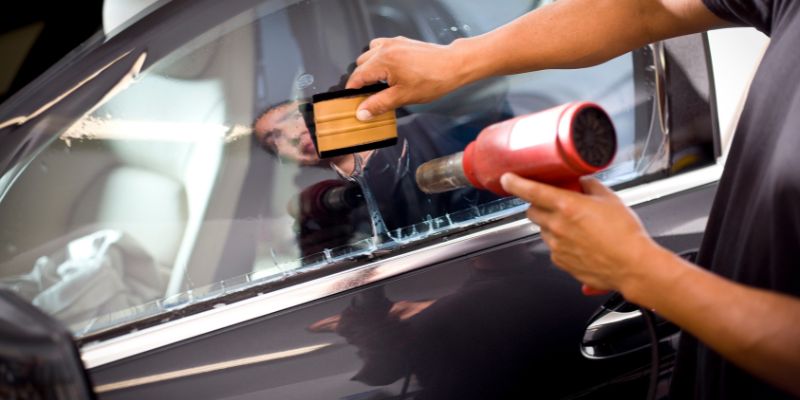
Most SUVs, trucks, and minivans come from the factory with 15-20% VLT privacy glass on the rear windows only — the front windows and windshield have no factory tint at all beyond a thin shade band at the very top. Sedans and coupes usually skip factory tint entirely. I noticed this myself on my first new SUV: the back windows looked dark and cool right off the lot, but the front windows stayed completely clear. Below, I’ll cover how factory tint differs from aftermarket tint, state tint laws, and whether adding more tint yourself is worth it.
What Are Tinted Windows?
Tinted windows are car windows that look darker. They block some light and protect you from the sun. Factories or shops add tint to make windows safer and more private. I learned this when I noticed my SUV’s back windows were dark, but the front ones were clear.
Do New Cars Come with Tinted Windows?
Many new cars have tinted windows, but it depends on the type. SUVs, trucks, and minivans often have dark rear windows from the factory. Sedans and coupes usually don’t. This is because of laws and safety rules. The National Highway Traffic Safety Administration (NHTSA) says all car windows must let in at least 70% of light, but SUVs and trucks can have darker rear windows if they have side mirrors.
- Why SUVs and trucks? They’re often used for cargo or family trips, so dark windows add privacy.
- Why not sedans? Sedans need clearer windows for better driver visibility.
I checked a 2024 Subaru Outback, and its rear windows were dark from the factory. My friend’s 2024 Toyota Corolla had no tint at all.
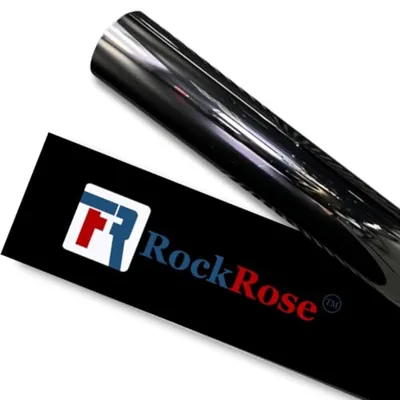
Our Pick: RockRose 35% Nano Ceramic Tint
Best for: Adding real heat/UV protection to front windows, since factory tint (if any) doesn’t block heat at all.
View Our Pick on Amazon| Product | Best For | Main Drawback |
|---|---|---|
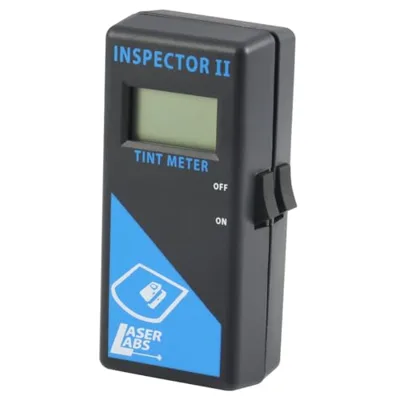 |
Checking your exact VLT% before or after tinting, so you stay within your state’s legal limit. | Overkill if you’re only checking one car, one time. |
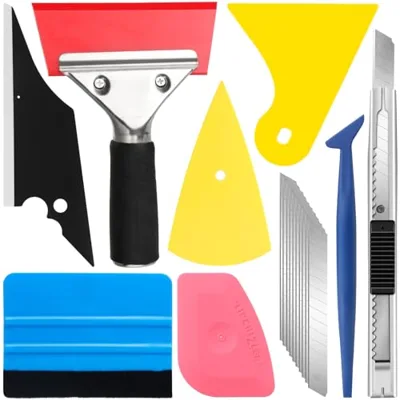 |
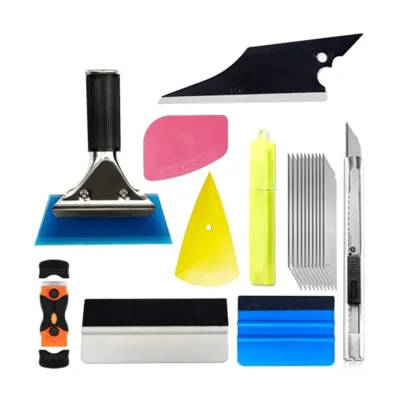
DIY installation — squeegees, felt edges, and a cutting blade in one set. | Air-bubble-free results still take practice on curved rear glass. |
 |
Budget-friendly starter kit for a first DIY tint job on one or two windows. | Basic tools compared to pro-grade squeegees. |
As an Amazon Associate we earn from qualifying purchases.
Factory Tint vs. Aftermarket Tint
Factory tint and aftermarket tint are different. Factory tint is built into the glass during manufacturing. It’s like dyeing the glass dark. Aftermarket tint is a thin film stuck onto the window later. Here’s how they compare:
| Feature | Factory Tint | Aftermarket Tint |
|---|---|---|
| How It’s Made | Dyed into glass at factory | Film applied by a shop |
| Typical VLT % | 15-20% on rear glass (SUVs/trucks); front windows and windshield have none | Any legal darkness you choose, applied on top of existing glass |
| Durability | Very durable, scratch-resistant | Can peel or scratch over time |
| Heat Protection | Little to no heat blocking | Blocks heat and UV rays |
| Cost | Included in car price | $100-$400 for full car |
Caption: Factory vs. Aftermarket Tint Comparison
Factory tint looks nice but doesn’t block much heat or UV rays — it’s dyed into the glass mainly for privacy, typically at 15-20% VLT on rear glass. Aftermarket tint, like 3M’s Crystalline Series, can block up to 99% of UV rays and far more heat. I added aftermarket tint to my SUV’s front windows to match the back, and it kept my car noticeably cooler in direct sun.
Why Do Some Cars Have Tinted Windows?
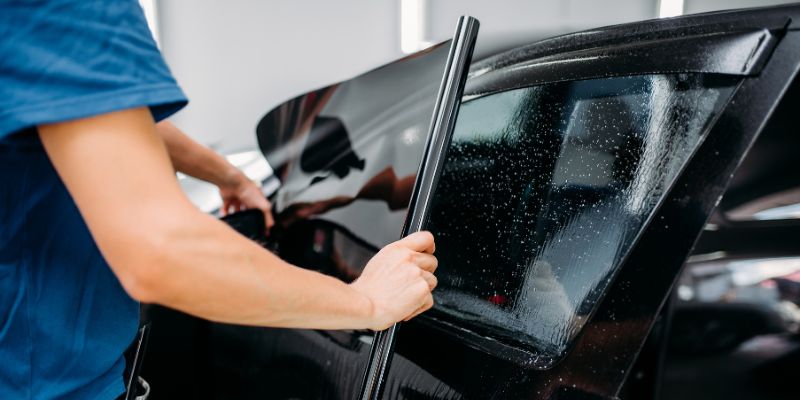
Tinted windows have many uses. Factories add them to SUVs and trucks for privacy. Families love this for kids in the back seat. Here are some reasons for tinting:
- Privacy: Dark windows hide your stuff from prying eyes.
- Glare Reduction: Tint cuts down sun glare, making driving easier.
- UV Protection: Aftermarket tint blocks harmful UV rays that hurt your skin.
My SUV’s dark rear windows made me feel safer leaving groceries inside. But I learned factory tint doesn’t block much heat, so I added aftermarket film.
Benefits of Tinted Windows
Tinted windows make driving better. They keep your car cool and safe. Here’s why they’re great:
- Cooler Car: Tint blocks heat, so your car stays comfy.
- Safer Skin: Good tint stops UV rays, protecting you from sunburn.
- Less Glare: Dark windows make it easier to see in bright sun.
I drove my tinted SUV on a hot day, and it felt much cooler than my friend’s untinted sedan.
Drawbacks of Tinted Windows
Tinted windows aren’t perfect. They can cause problems if not done right. Here are some downsides:
- Legal Issues: Some states limit how dark windows can be.
- Harder to See: Too-dark tint can make night driving tough.
- Cost: Aftermarket tint can be pricey, up to $400.
Once, I got a warning for too-dark front windows. I had to remove the tint to follow state laws. Check your state’s rules before tinting!
State Laws on Tinted Windows
Every state has rules about window tint. These rules keep drivers and police safe. Most states say front windows and windshields must let in 70% of light. Rear windows on SUVs can be darker. Here’s a simple table of tint laws in three states:
| State | Front Windows | Rear Windows | Windshield |
|---|---|---|---|
| California | 70% VLT | Any darkness (SUVs) | Top 4-6 inches |
| New York | 70% VLT | Any darkness (with mirrors) | Top 6 inches |
| Florida | 28% VLT | 15% VLT (SUVs) | Top 6 inches |
Caption: Window Tint Laws in Three States
Check your state’s Department of Motor Vehicles website for exact rules. I learned this the hard way after getting a warning from a police officer for tint that was slightly darker than my state’s legal front-window limit.
Should You Add Aftermarket Tint?
If your new car doesn’t have tinted windows, you can add them. Aftermarket tint gives you more control. Here’s a simple guide to decide:
- Check Laws: Look up your state’s tint rules.
- Choose Tint Type: Ceramic tint is best for heat and UV protection.
- Find a Pro: A good shop ensures tint looks great and lasts.
I added ceramic tint to my SUV’s front windows. It cost $200 but kept my car cool and safe.
Common Mistakes to Avoid
Tinting windows sounds easy, but mistakes happen. Here are tips to avoid them:
- Don’t Tint Too Dark: Too-dark tint breaks laws and makes driving hard.
- Avoid Cheap Tint: Low-quality film peels or fades fast.
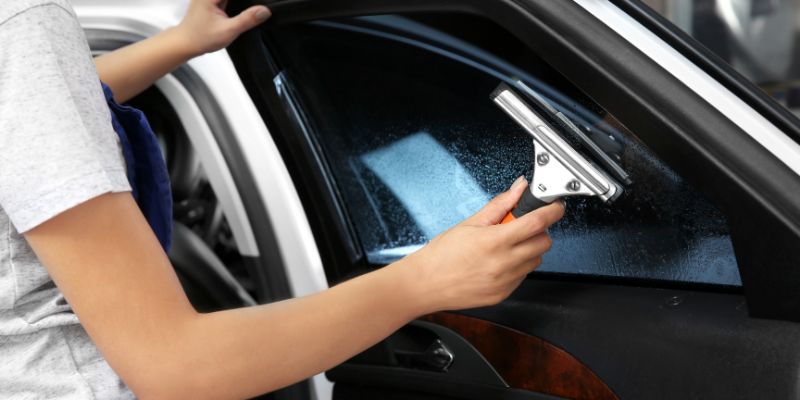
- Don’t DIY Without Skill: Badly applied tint looks bubbly and messy.
I tried tinting a window myself once. It looked awful, and I paid a shop to fix it!
My Top Tips for Tinted Windows
After years of driving tinted cars, I’ve learned a lot. Here are my best tips:
- Match Front and Back: Add aftermarket tint to front windows to match factory-tinted rears.
- Go Ceramic: It’s pricier but blocks heat and UV rays best.
- Check Laws Yearly: Tint rules can change, so stay updated.
These tips saved me money and hassle. Try them out!
Frequently Asked Questions
Do New Cars Come with Tinted Windows?
Many new cars, like SUVs and trucks, have factory-tinted rear windows. Sedans often don’t because of safety laws. Factory tint is dyed glass for privacy but doesn’t block much heat. Check your car’s specs to see if it has tint. I noticed my SUV had dark rear windows, but my friend’s sedan was clear.
Why Do SUVs Have Tinted Windows but Sedans Don’t?
SUVs and trucks get factory tint for privacy during family or cargo use. Sedans need clearer windows for driver visibility. Laws let SUVs have darker rear windows if they have side mirrors. My SUV’s dark windows hid my groceries, but my old sedan’s windows were clear.
Can I Add Tint to My New Car?
Yes, you can add aftermarket tint to any car. Ceramic or carbon tint blocks heat and UV rays. Check state laws first, as front windows often need 70% light transmission. I added ceramic tint to my SUV’s front windows for $200, and it made driving cooler.
Are Tinted Windows Legal?
Tint laws vary by state. Most require 70% light for front windows and windshields. Rear windows on SUVs can be darker. Check your state’s DMV website. I got a warning for dark front tint once, and it cost me an on-the-spot fix-it ticket, so I learned to check the exact VLT limit before adding any tint.
Does Factory Tint Block Heat?
Factory tint looks dark but doesn’t block much heat or UV rays. It’s mainly for privacy. Aftermarket tint, like ceramic, blocks up to 99% of UV rays and keeps cars cooler. My SUV’s factory tint didn’t help with heat, so I added aftermarket film.
How Much Does Aftermarket Tint Cost?
Aftermarket tint costs $100-$400 for a whole car. Ceramic tint is pricier but better. Prices depend on car size and shop quality. I paid $200 for my SUV’s front windows, and it was worth it for the cool ride.
Is Tinting Windows Safe?
Legal tint is safe and reduces glare. Too-dark tint can make night driving hard and break laws. It also makes it harder for police to see inside, which can be a safety issue. I stick to legal tint levels to stay safe.
Conclusion
Tinted windows make cars look cool and feel safer. Many new SUVs and trucks have factory-tinted rear windows, but sedans often don’t. You can add aftermarket tint for heat and UV protection. Check state laws and choose quality tint for the best results. Try visiting a tint shop to see factory vs. aftermarket tint side by side before deciding. For more info, check the NHTSA’s official window-tint guidance or a reputable film maker like 3M.
Products related to this article
Sponsored / affiliate links. As an Amazon Associate I earn from qualifying purchases. I may earn additional commission from eligible campaigns.
 RockRose 5% Air Nano Ceramic Car Window Tint 40 in x 10FT 2PLY Charcoal Privacy Film Heat, UV 99%, and IRR 93% to 95% for Auto or Home Adhesive Film Easy Shrink, Plotter FriendlyRockRose 60% Air Nano Ceramic Car Window Tint 20 in x 15FT 2PLY Charcoal Privacy Film Heat, UV 99%, and IRR 93% to 95% for Auto or Home Adhesive Film Easy Shrink, Plotter Friendly