Proven Ways How To Get Cigar Smell Out of Car
Getting cigar smell out of your car is achievable with simple, proven methods. Focus on ventilation, cleaning surfaces, using odor absorbers, and employing deep cleaning techniques to neutralize stubborn smoke. Follow these steps for a fresh-smelling car interior.
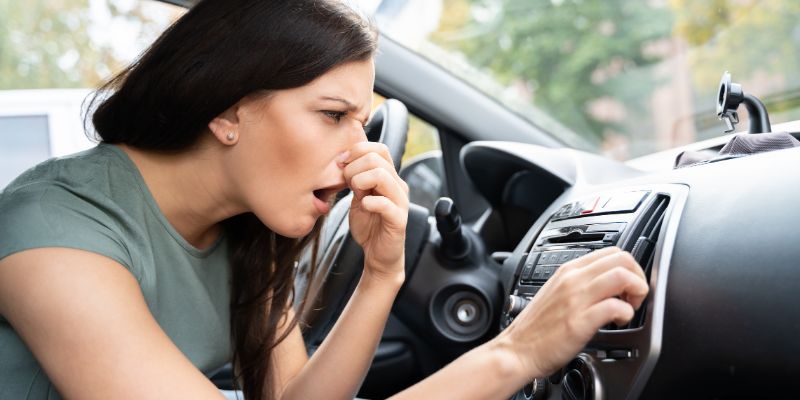
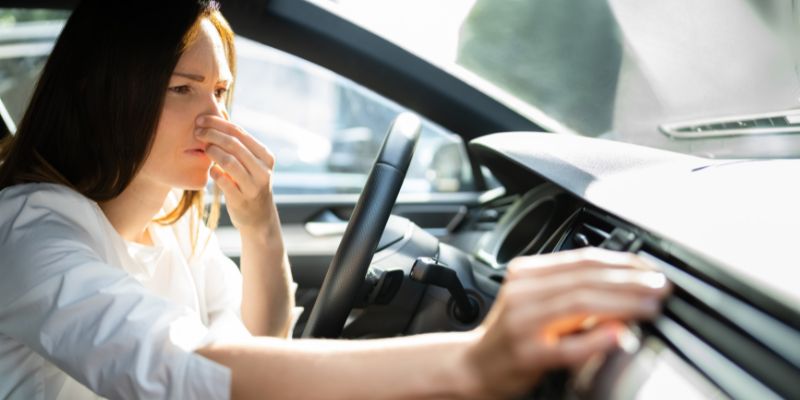
That lingering cigar smell in your car can really be a buzzkill. It’s a persistent odor that clings to upholstery, carpets, and even the air vents. If you find yourself stepping into your car and being immediately hit by that unwelcome aroma, you’re not alone. Many car owners battle this common issue. But don’t worry! Getting rid of that stubborn cigar smell is entirely possible with a few effective DIY strategies. We’ll walk you through easy, step-by-step solutions that will leave your car smelling clean and fresh, just like it should.
Why Cigar Smell Lingers in Cars
Cigar smoke is more than just an unpleasant scent; it’s a complex mixture of fine particles and volatile organic compounds (VOCs) that can embed themselves deeply into your car’s interior. Unlike cigarette smoke, which has smaller particles, cigar smoke contains larger, oilier residue. This residue readily adheres to fabric fibers, plastics, and even the hard-to-reach nooks and crannies of your car.
When you smoke a cigar, the smoke doesn’t just float around; it actively settles. Think of it like fine dust, but with a much stronger and more stubborn scent profile. These particles penetrate porous materials like your car’s headliner, seats, and floor mats. They can also get trapped in the car’s ventilation system, recirculating the smell every time you turn on the fan or air conditioning. This is why simply airing out the car often isn’t enough to completely eliminate the odor. Consistent and targeted cleaning is key to truly banishing the cigar smell from your vehicle.
Step-by-Step Guide: How to Get Cigar Smell Out of Car
Tackling that deep-seated cigar smell requires a multi-pronged approach. We’ll break down the process so you can tackle it with confidence, starting with the most immediate solutions and moving to more intensive treatments.
Step 1: Thorough Ventilation
This is your first and most crucial line of defense. Fresh air is your best friend when it comes to dissipating odors. The sooner you can air out your car after smoking, the better.
- Open all doors and windows wide. If possible, park your car in a safe, well-ventilated area, ideally on a breezy day.
- Let the car air out for at least a few hours. The longer, the better. Consider leaving it open overnight if weather permits and security is not an issue.
- Turn on your car’s fan to the highest setting with the windows down. This helps to circulate air through the cabin and out. Avoid using the AC or recirculate functions during this initial ventilation phase, as they can trap the smell.
Step 2: Remove All Trash and Debris
Any residual ash, stubbed-out cigars, or even smoke-filled ashtrays are concentrated sources of the odor. Removing them is a no-brainer.
- Carefully clean out the ashtray, if you have one. Wash it thoroughly with soap and water.
- Remove any dropped ash or cigar butts from under seats, cup holders, or floor mats.
- Dispose of all smoking-related trash in an outdoor bin immediately.
Step 3: Clean Hard Surfaces
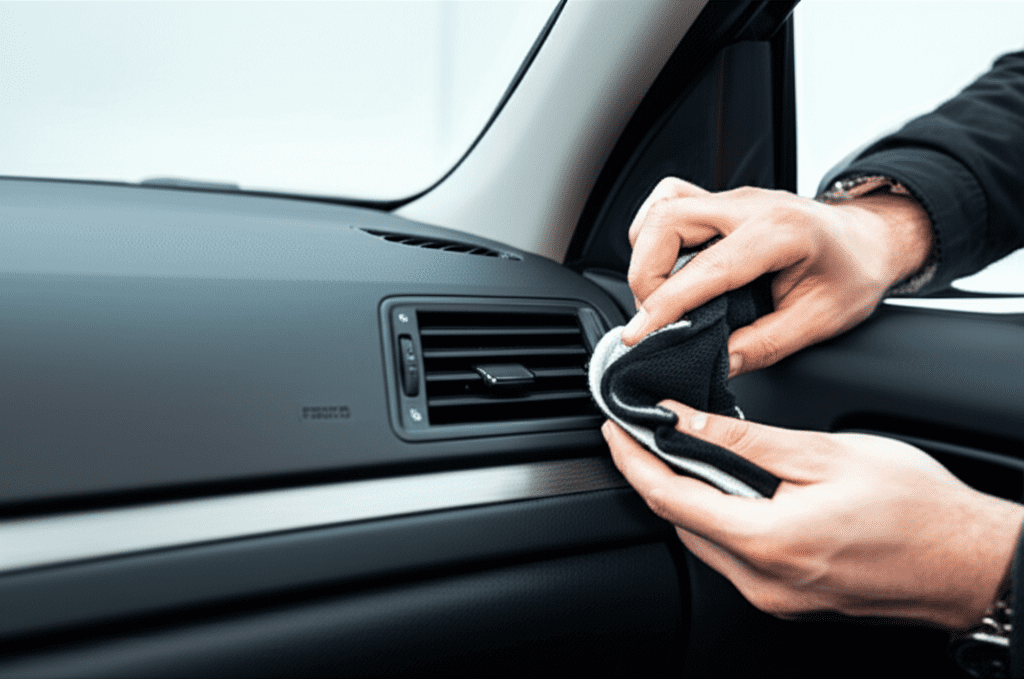
Hard surfaces like the dashboard, door panels, and center console can absorb and retain odors. Wiping them down helps remove the oily residue left by smoke.
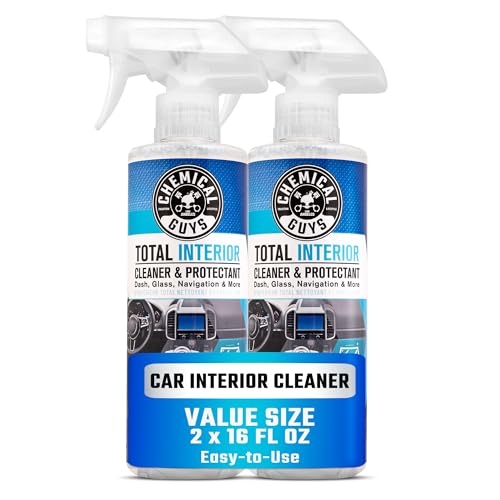
- Use an interior car cleaner or a mild solution of dish soap and water.
- Wipe down all plastic, vinyl, and dashboard surfaces with a microfiber cloth. Pay attention to crevices and seams.
- Don’t forget the steering wheel, gear shifter, and door handles.
- For a more robust clean, consider using a specialized interior detailer that is known for its odor-neutralizing properties. Many reputable automotive care brands offer these.
Step 4: Deep Clean Upholstery and Carpets
This is where much of the concentrated odor resides. Fabric and carpet fibers are notorious for trapping smoke particles.
- Vacuum Thoroughly: Start by vacuuming all fabric surfaces – seats, floor mats, carpets, and the headliner. Use an upholstery attachment to get into the fibers. Go over each area multiple times.
- DIY Fabric Cleaner: Mix a solution of one part white vinegar to three parts warm water in a spray bottle. Vinegar is a natural odor neutralizer.
- Spray the solution lightly onto the upholstery and carpets. Do not saturate the fabric.
- Gently scrub the area with a soft-bristled brush or a clean microfiber cloth.
- Blot the area with a clean, dry towel to absorb excess moisture.
- Allow the surfaces to air dry completely with the windows open.
- Steam Cleaning (Optional but highly effective): If you have access to a steam cleaner, this can be incredibly effective. The heat and moisture help to break down and lift the odor-causing particles. Always test steam cleaning on an inconspicuous area first to ensure it doesn’t damage the material. You can rent these machines from many home improvement stores.
Step 5: Address the Headliner
The headliner is often overlooked but is a prime culprit for holding onto smells because it’s typically made of absorbent material.
- Mix a solution of mild detergent (baby shampoo works well) and water. Use very little soap.
- Lightly dampen a clean microfiber cloth with the solution. Wring out the cloth so it’s not dripping wet.
- Gently dab the headliner. Avoid rubbing aggressively, as this can damage the material or cause it to sag.
- Work in small sections.
- Use a second, clean, slightly damp cloth to “rinse” the area by dabbing to remove soap residue.
- Allow to air dry completely with doors and windows open.
Step 6: Clean the Glass and Windows
Smoke residue can form a fine film on the inside of your car’s glass, contributing to the overall smell.
- Use a good quality glass cleaner.
- Clean the inside of all windows and the windshield thoroughly with a clean microfiber cloth.
- Use a second dry microfiber cloth to buff the glass to a streak-free shine. This step also helps clear up any haze.
Step 7: Deodorize and Absorb Lingering Smells
Once the surfaces are clean, you need to tackle any residual odor molecules still in the air or trapped in the car’s ventilation system.
Here are some highly effective odor absorbers you can use:
- Baking Soda: This common kitchen staple is a fantastic natural odor absorber. Sprinkle a generous amount of baking soda on your carpets and fabric seats. Let it sit for several hours, or even overnight, then vacuum it up thoroughly. You can also place open boxes or bowls of baking soda around the car.
- Activated Charcoal: Similar to baking soda, activated charcoal is excellent at trapping odors. You can buy activated charcoal bags or filters designed specifically for cars or enclosed spaces. Place these in various locations around the cabin. For more information on its effectiveness, you can check out resources on activated carbon’s adsorptive properties, such as from the U.S. Environmental Protection Agency (EPA).
- White Vinegar: As mentioned earlier, vinegar is a powerful odor neutralizer. Place a few bowls of white vinegar in your car overnight. The vinegar smell will dissipate once removed, taking the cigar odor with it.
- Coffee Grounds: Dry, unused coffee grounds can also help absorb odors. Place them in shallow bowls or breathable containers.
- Ozone Generator (Use with Extreme Caution): For very stubborn smells, an ozone generator can be effective. However, ozone is a strong oxidizing agent and can damage certain materials if used improperly. It also makes enclosed spaces temporarily unbreathable. If you choose this method, follow the manufacturer’s instructions precisely and ensure the car is thoroughly aired out afterward. Never be in the car while an ozone generator is running.
Step 8: Clean the Air Vents and Cabin Air Filter
Smoke particles can get lodged in your car’s ventilation system, continually reintroducing the smell.
- Clean Vents: Use a microfiber cloth dampened with an all-purpose interior cleaner or vinegar-water solution to wipe down the inside of the vents and the louvers. A detailing brush or cotton swabs can help get into hard-to-reach areas.
- Replace Cabin Air Filter: This is a critical step often overlooked. The cabin air filter cleans the air that enters your car’s interior through the HVAC system. If it’s clogged with smoke particles, it will continue to emit odors. Consult your car’s owner’s manual for the location and replacement procedure. It’s a relatively simple DIY task for most vehicles. You can often find replacement filters at auto parts stores or online. The National Automotive Service Task Force (NASTF) provides resources for vehicle maintenance information.
- Run the Fan: After replacing the filter, turn on the car and run the fan on high with all windows down for about 10-15 minutes. This helps clear out any residual odor from the system.
Step 9: Odor Eliminator Sprays (Use Sparingly)
After all the cleaning, you might want a final boost. Choose odor eliminators over simple air fresheners.
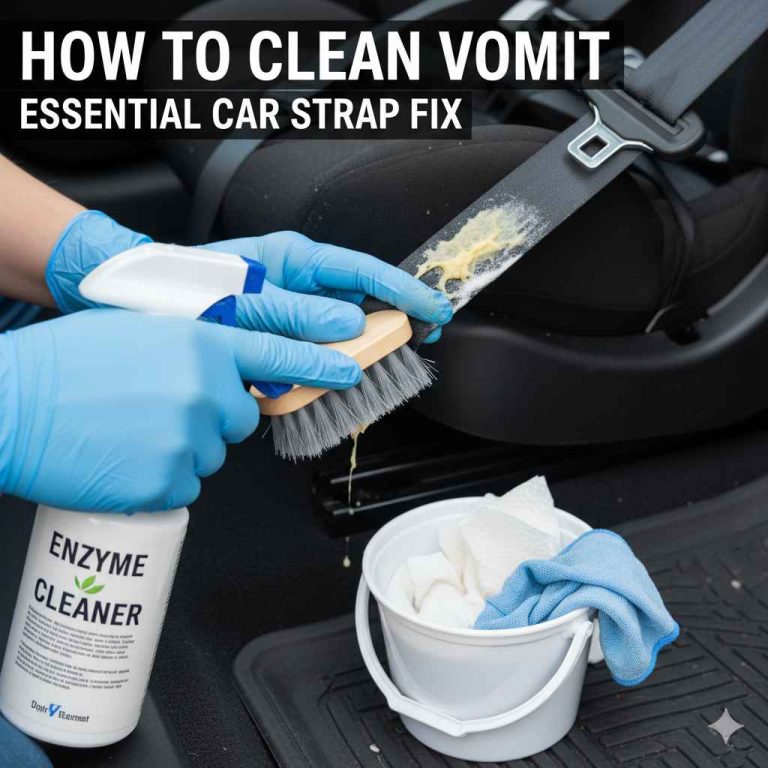
- Look for products specifically designed to eliminate odors, not just mask them. Enzyme-based cleaners are particularly effective as they break down odor molecules.
- Spray lightly onto fabrics and into the air.
- Avoid over-spraying, as too much fragrance can be overwhelming.
Specialized Products and Treatments
Beyond the DIY methods, there are several specialized products and professional treatments that can help banish stubborn cigar smells.
Enzyme Cleaners and Odor Bombs
These products are designed to seek out and break down odor-causing molecules. Enzyme cleaners use biological agents, while odor bombs or foggers release a fine mist that penetrates fabrics and air systems to neutralize smells. They are often considered more effective for deep-set odors than simple sprays.
Professional Detailing
If you’ve tried several methods and the smell persists, consider a professional car detailer. They have access to industrial-grade cleaning equipment, specialized chemicals, and techniques like ozone treatments and hot water extraction that are often more powerful than DIY options. A professional detail can be a worthwhile investment for persistent odors.
Preventing Future Cigar Smells
The best way to deal with cigar smell is to prevent it from happening in the first place.
- Smoke Outside the Car: This is the most effective preventative measure. Keep smoking outside your vehicle to avoid any odor transfer.
- Use Car Ashtrays Wisely: If you must smoke in the car, use a good quality, sealable car ashtray to contain ash and butts. Empty it frequently and clean it regularly.
- Regular Cleaning: Incorporate a more thorough interior cleaning into your regular car maintenance routine. This includes vacuuming and wiping down surfaces frequently, which can help prevent odors from becoming deeply ingrained.
- Ventilate Regularly: Make it a habit to air out your car periodically, even if no smoking has occurred recently.
Troubleshooting Persistent Odors
Sometimes, the smell is deeply embedded and requires extra effort. If you’ve followed the steps above and still detect a faint odor, consider these possibilities:
- Check the Headliner Again: This area is often missed and is a significant odor trap.
- Under the Seats: Smoke particles can settle in hard-to-reach places under the seats. Use your vacuum with crevice tools to explore these areas.
- Carpet Padding: In severe cases, the odor might have permeated the carpet padding itself. This might require professional steam extraction or even carpet replacement, though this is rare.
- Check for Leaks: Ensure no water is getting into your car, as dampness can exacerbate odors and create mildew issues.
How to Get Cigar Smell Out of Car: A Quick Comparison
Here’s a look at some common methods and their effectiveness for cigar smell removal:
| Method | Pros | Cons | Effectiveness for Cigar Smell |
|---|---|---|---|
| Ventilation | Free, easy, reduces immediate concentration | Not sufficient alone for strong odors | High (initial reduction) |
| Baking Soda/Charcoal | Inexpensive, natural, safe | Requires time, vacuuming needed for baking soda | Medium to High |
| Vinegar Cleaning/Soaking | Inexpensive, natural, effective neutralizer | Temporary vinegar smell | High |
| Ozone Generator | Very effective for deep odors | Can damage materials, requires caution, temporary unbreathable | Very High (with caution) |
| Professional Detailing | Expert tools and knowledge, most effective for severe cases | Most expensive option | Very High |
Frequently Asked Questions
Q1: How long does it take to get cigar smell out of a car?
It varies depending on the intensity of the smell and the methods used. Simple airing and surface cleaning might take a few hours to a day. For deeper smells requiring multiple treatments like baking soda or vinegar, it could take several days to a week to fully dissipate.
Q2: Can I just use an air freshener to cover up the smell?
Air fresheners will only mask the odor temporarily. They don’t eliminate the source. For long-term results, you need to clean and neutralize the smell itself.
Q3: Is it safe to use an ozone generator in my car?
Yes, but with extreme caution. Ozone generators are highly effective but produce ozone gas, which can be harmful to breathe and can damage rubber and plastic over prolonged exposure. Always follow the manufacturer’s instructions, run it with the car completely empty, and air out the vehicle thoroughly afterward.
Q4: How often should I replace my cabin air filter?
It’s generally recommended to replace your cabin air filter every 15,000 to 30,000 miles or once a year. If you’ve been smoking in your car, or if you notice reduced airflow or a musty smell, it’s a good idea to replace it sooner.
Q5: Can cigar smell damage my car’s interior?
While the smell itself doesn’t typically cause physical damage, the oily residue from cigar smoke can stain and degrade certain surfaces over time if left untreated. The primary issue is the olfactory nuisance and the potential for the smell to become deeply embedded.
Q6: Are there any natural remedies that work well for cigar smell?
Yes, baking soda, white vinegar, activated charcoal, and coffee grounds are all excellent natural remedies that effectively absorb and neutralize odors without harsh chemicals.
Conclusion
Dealing with a lingering cigar smell in your car might seem daunting, but by following these proven methods, you can restore your vehicle to a fresh, pleasant-smelling environment. Remember that consistency and thoroughness are key. Start with good ventilation and basic cleaning, then move on to deeper treatments like upholstery cleaning and odor absorption. Don’t forget to address the often-overlooked cabin air filter and air vents. With a little effort and the right approach, you can say goodbye to that persistent smoke odor and enjoy driving your car with renewed freshness. Happy cleaning!