What Is S Gear in a Car? Sport Mode Explained
S gear stands for Sport mode on an automatic transmission. It changes how the gearbox shifts so the engine holds each gear longer and revs higher before shifting up.
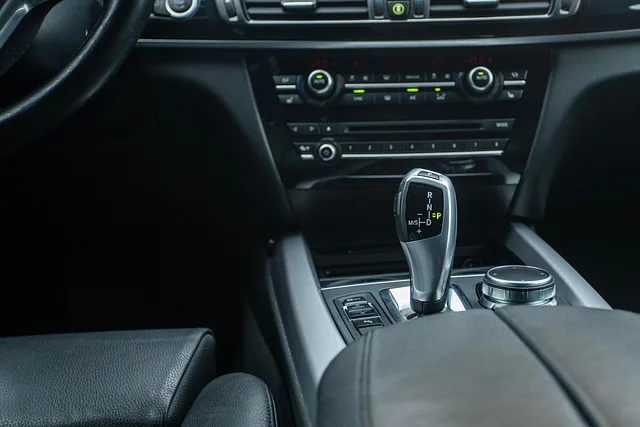
Instead of shifting early to save fuel the way Drive does, S mode delays upshifts and sharpens throttle response, so the car accelerates faster and feels more responsive when you press the gas. Some cars label this position “S,” others call it “Sport” or “Sport+,” and a few pair it with steering-wheel paddle shifters for manual-style control without a clutch pedal.
It will not turn a family sedan into a sports car, but it is genuinely useful in specific situations, like merging onto a fast highway, climbing a steep grade, or towing. This guide covers exactly what S gear does inside the transmission, when it is worth using, and when it is better left in Drive.
What Does S Gear Mean?
BEST FOR CHECKING WARNING LIGHTS TIED TO YOUR S GEAR
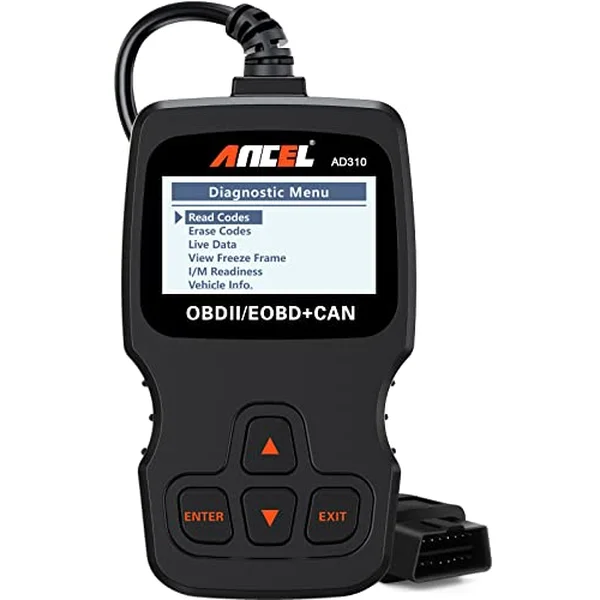 |
ANCEL AD310 OBD II Scanner – $23.99 If your S gear indicator flashes or a transmission warning light comes on, this plugs into the OBD II port under the dash and reads the exact fault code in seconds.
|
The “S” on an automatic shifter is short for Sport. It is a driver-selectable mode, not a separate physical gear the way Park or Reverse are. Selecting it tells the transmission’s computer to use a more aggressive shift map: gears change at higher RPM, the torque converter locks up sooner for a more direct feel, and the throttle pedal responds more sharply to small inputs. If you want a refresher on how a standard automatic gearbox handles that shifting on its own, see our guide on how to drive an automatic transmission car.
Where the S Position Came From
Automakers added Sport shift programs to automatic transmissions starting in the late 1980s and 1990s, as electronic transmission control units made it possible to run more than one shift schedule from the same hardware. The idea was simple: let one gearbox behave like a relaxed, fuel-saving automatic most of the time, then switch to a firmer, higher-revving program on demand. That same electronic control is what let manufacturers later add paddle shifters and multiple drive modes without needing a second transmission.
What S Mode Is Designed To Do
S mode exists to give the driver more control over engine speed without needing a manual transmission. On a hill, it keeps the engine from constantly upshifting and downshifting as the load changes. On a highway on-ramp, it keeps the engine closer to its power band so there is less lag when you need to accelerate quickly. It trades some fuel economy and a quieter cabin for that extra responsiveness.
How S Gear Changes the Way Your Car Drives
Shifting into S reprograms three things at once: shift points, throttle mapping, and, on many cars, torque converter lockup timing. Shift points move higher up the rev range, so the engine spends more time near its torque peak instead of shifting away from it early. Throttle mapping gets sharper, so a small amount of pedal travel produces a bigger change in engine output than it would in Drive. On cars with a torque converter, S mode often locks it up sooner, which cuts down on the slippage that normally makes automatics feel soft.
None of this replaces the other gear positions. Drive is still the default for daily driving because it prioritizes smooth shifts and fuel economy. Reverse and Park do exactly what their names say regardless of what mode is selected. Low gear, sometimes labeled L or 1, forces the transmission to stay in a low gear for engine braking on long descents or for extra pulling power at low speed, which is a different job than S mode’s higher-RPM, faster-acceleration focus.
Benefits of Using S Gear
The clearest benefit is throttle response. Because the transmission holds lower gears longer, the engine is already spinning closer to its power band when you ask for more speed, so there is less of a delay before the car actually accelerates. That matters most when passing on a two-lane road or merging into fast-moving traffic, where a half-second of hesitation is the difference between a clean merge and a close call.
S mode also helps on grades. Left in Drive, a car climbing a long hill will often hunt between two gears as the computer tries to balance power and economy, which feels like a small surge every few seconds. Locking the transmission into a lower gear with S mode stops that hunting and gives a steadier pull up the hill, which is also useful when towing a trailer.
S Gear In Different Vehicles
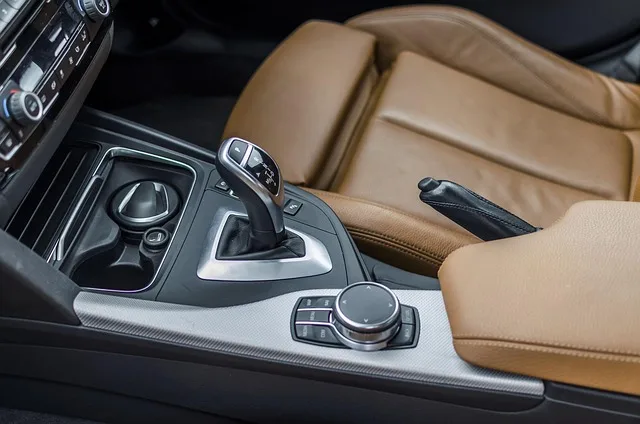
Performance and sports cars usually tune S mode the most aggressively, sometimes pairing it with a firmer suspension setting or a louder exhaust valve, since the whole car is built around that engaging feel. In those cars, S mode is close to how the transmission behaves most of the time anyway.
Everyday sedans, crossovers, and minivans with an S position use the same basic idea, just tuned more conservatively. It is still meant as an occasional setting rather than the default for city driving or a daily commute, since it burns more fuel and puts more wear on the engine and transmission the longer it stays engaged. Reach for it for a specific stretch, like a mountain pass or a highway on-ramp, then switch back to Drive once you are past it.
Driving Techniques With S Gear
On hills, shift into S before the climb starts so the transmission has already picked a lower gear when the road tilts, rather than hunting for one halfway up. On a highway on-ramp, S mode keeps the engine ready to respond the moment you need to merge, which is exactly what it was designed for.
Slippery pavement is the one place to be more careful. Because S mode sharpens throttle response, it can make it easier to spin the drive wheels on wet, icy, or gravel surfaces, not less. If your car has a dedicated snow or winter mode, use that instead in poor traction; if it does not, plain Drive with a gentler foot on the pedal is usually the safer choice than Sport mode when the road is slick.
Common Misconceptions About S Gear
The biggest misconception is that S mode is the same as a manual transmission. It is not. S mode is still fully automatic; the transmission’s computer decides every shift, it just uses a different schedule. There is no clutch pedal to press and nothing to stall. For a full side-by-side look at how the two systems actually differ, see manual vs. automatic: which car transmission is best.
The second misconception is that S mode is fuel-neutral or can even save gas. In almost every case it uses more fuel than Drive, because the engine spends more time at higher RPM and the throttle response is tuned to deliver power rather than efficiency. The one real exception is a long, steady climb where Drive would otherwise hunt between two gears over and over; holding a single gear with S mode can be slightly more efficient than that specific hunting pattern, but it is still not a fuel-saving mode in general, and treating it that way is the wrong takeaway.
Maintenance and Care
S mode does not need any maintenance of its own, but using it regularly makes healthy transmission fluid more important, since the gearbox runs hotter and under more load at higher RPM. Check the fluid level and condition on the schedule in your owner’s manual, and look under the car occasionally for leaks. If you notice the fluid looks dark or smells burnt, or if you want to understand the warning signs before they become expensive, our guide on how a car acts when it needs transmission fluid walks through what to look for.
If the S indicator will not engage, flashes, or the transmission seems stuck in one gear, start with the basics: confirm the shifter is fully in the S position, not caught between gates, and check whether any transmission or check-engine warning light is lit on the dashboard. A flashing gear indicator on many cars is the transmission’s own way of flagging a fault code rather than a request. If a strange smell, slipping, or delayed engagement shows up alongside it, stop relying on S mode and have a mechanic scan the car rather than continuing to drive on it.
Where Sport Modes Are Headed Next
Modern transmissions increasingly build on the same idea behind S mode with adaptive shift programs that watch how a driver actually uses the throttle and brakes, then shift the whole schedule toward a sportier or a more relaxed pattern automatically, without the driver touching a button. It is the same electronic control that made S mode possible in the first place, just applied continuously instead of as an on-off switch.
Electric vehicles handle this differently since most do not have a multi-speed transmission to shift at all. Their “Sport” setting instead sharpens throttle response and increases regenerative braking, delivering a similar feel to S gear without any gear changes happening underneath it.
Frequently Asked Questions
What is the S for in an automatic car?
The S stands for Sport mode. It changes the transmission’s shift schedule so the engine holds gears longer and revs higher, giving quicker acceleration and a more responsive throttle than Drive.
Is it OK to drive in S gear?
Yes, S gear is safe to use whenever you want quicker acceleration, such as merging, passing, towing, or climbing a hill. It is not meant to be left on for every trip, mainly because it increases fuel consumption, not because it wears out the car any faster in short bursts.
When should I use S mode on my car?
Use S mode for highway merges, passing on two-lane roads, climbing long grades, and towing, where the extra responsiveness and steadier gear hold are genuinely useful. Switch back to Drive for regular commuting and city traffic to save fuel.
When should I use S or L gear?
Use S for sportier, faster-revving acceleration on hills, highways, or when passing. Use L, sometimes labeled 1 or Low, for steep descents where you want engine braking, for towing at very low speeds, or for extra pulling power getting unstuck from mud or snow.
Does driving in S gear damage the transmission?
No, not when it is used the way it is designed to be used, in short stretches rather than constantly. Running the engine at consistently higher RPM does generate more heat over time, which is why fresh transmission fluid matters more for drivers who use S mode often, but occasional use will not damage a healthy transmission.
Conclusion
S gear is Sport mode: an automatic transmission setting that holds gears longer, shifts at higher RPM, and sharpens throttle response for quicker, more engaging acceleration. It is genuinely useful for highway merges, hill climbs, and towing, but it burns more fuel than Drive and is not meant to be a car’s everyday setting.
Use it when the situation calls for it, keep an eye on your transmission fluid if you reach for it often, and check your owner’s manual for anything specific to your vehicle.
Products related to this article
Sponsored / affiliate links. As an Amazon Associate I earn from qualifying purchases. I may earn additional commission from eligible campaigns.