Best Car Window Fan (2026): Solar, Battery & 12V Options Compared
Car window fans clip into a cracked window and vent hot air using solar power, USB battery, or a 12V outlet, but none cool a parked car as fast as the AC. Buy the wrong type and you get a fan that only spins in direct sun, or a battery pack that dies mid-July. This guide compares solar, dual-power, and 12V models, what NHTSA says about window fans and child safety, and which fits daily driving versus long-term parking.
This post contains affiliate links. As an Amazon Associate we earn from qualifying purchases at no extra cost to you.
Quick Answer
For most drivers, the XOOL 12,000mAh rechargeable clip fan is the best car window fan since it runs anytime, not just in direct sun. If your car sits parked outdoors all day, a solar-only window exhaust fan is cheaper and needs no charging, but it stops working after sunset or on cloudy days.
How Do Car Window Fans Work?
A car window fan is a small ventilator that clips into the top of a partially rolled-down window and exhausts hot cabin air using a solar panel, a rechargeable battery, or your car’s 12V outlet. It works through basic convection: heat rises and collects near the roof of a closed car, and the fan pulls that superheated layer outward while drawing in cooler outside air through the small gap the fan seals around.
This is a different mechanism than simply cracking a window, which relies on passive airflow and does much less to move hot air out on a still, windless day. A powered fan keeps air moving continuously, whether or not there’s a breeze.
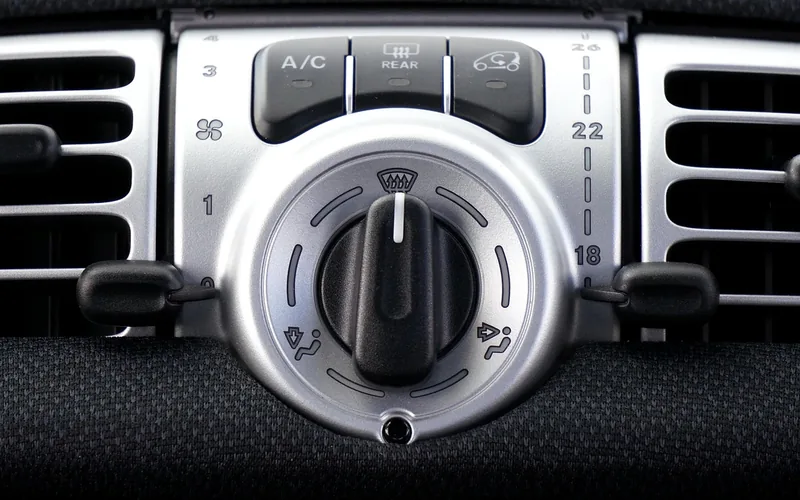
Types of Car Window Fans: Solar vs. Dual-Power vs. Battery vs. 12V
Every car window fan on the market falls into one of four power categories, and picking the wrong one is the single biggest reason people end up disappointed with theirs.
| Power Type | How It Runs | Best For | Main Limitation |
|---|---|---|---|
| Solar-only exhaust fan | Spins only while its panel is in direct sunlight | Long-term parking outdoors in sunny climates | Stops after dark, on cloudy days, or behind dark tint |
| Dual-power (solar + USB) | Switches to a USB cable when sunlight is weak | Backup power on overcast days | Costs more; still needs occasional manual charging via cable |
| Rechargeable battery clip fan | Runs off an internal battery pack (10,000mAh+) | Driving, camping, or night use | Needs periodic recharging; doesn’t seal the window like an exhaust fan |
| 12V / cigarette lighter fan | Draws power from the car’s electrical system | Continuous airflow while driving | Only works with the engine on or accessory power active; adds a cord |
Best Car Window Fan Pick
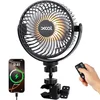
XOOL 12,000mAh Rechargeable Clip Car Fan
A battery-powered clip fan with 3 speeds, a remote, and a clamp that mounts almost anywhere in the cabin — no sunlight or running engine required.
- Best for: Anyone who wants airflow while actually driving, at night, or on cloudy days
- Why we picked it: It’s the only type here that isn’t dependent on sunlight or the engine running, so it works in every parking and driving scenario
- Main drawback: Needs periodic USB recharging; it doesn’t passively exhaust hot air from a sealed, parked car the way a window fan does
Compare more car window fan options
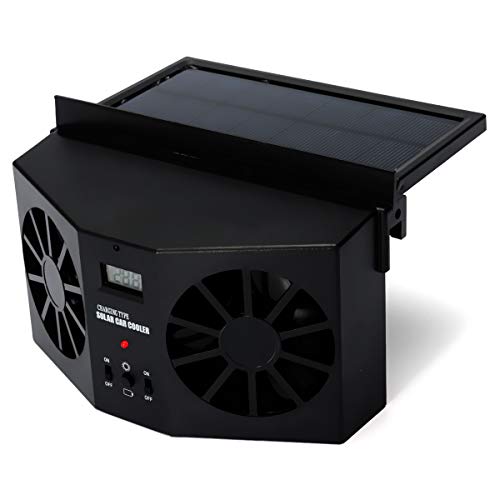
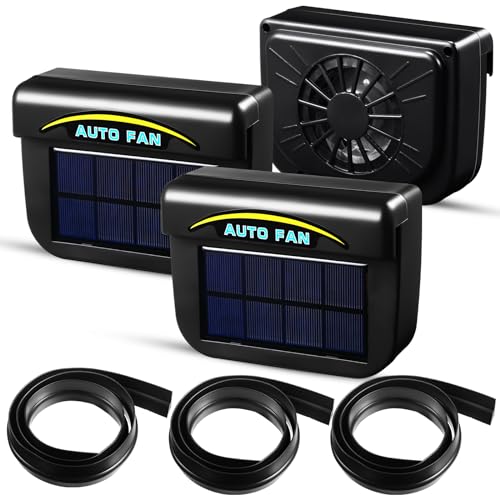
 Solar-Only Pick Solar Powered Car Window Exhaust Fan
|
 Cloudy-Day Pick EOHMAK Dual-Power Solar + USB Exhaust Fan
|
 Driving Pick Ultra-Quiet 12V Cigarette Lighter Clip Fan
|
As an Amazon Associate we earn from qualifying purchases.
Do Car Window Fans Actually Reduce Heat in a Parked Car?
Yes, but with real limits. A window fan continuously exhausts the hottest layer of air pooling near the roof, which is the same heat-soak effect that makes a closed car feel like an oven within minutes. Removing that trapped air means the cabin doesn’t reach quite as extreme a peak temperature, and the AC has less accumulated heat to pull out once you start driving. What a window fan will not do is bring the interior anywhere close to a comfortable temperature on its own — it’s a heat-reduction tool for a parked car, not an air conditioner.
📊 Even with a window cracked, a parked car’s interior temperature can climb roughly 20°F in as little as 10 minutes on a hot day — Source: NHTSA, Child Heatstroke Prevention campaign
Important Safety Note: A Window Fan Is Not a Heatstroke Prevention Device
A car window fan is a comfort accessory for an empty, parked car — never a reason to leave a child, pet, or anyone else inside a parked vehicle, even briefly. NHTSA has documented heatstroke deaths in vehicles parked in the shade and in outside temperatures as low as 57°F, with windows partly cracked. Rolling a window down or running a fan does not meaningfully change how fast a closed cabin heats up once a person or animal is generating their own body heat inside it.
“No child should die because they were trapped in a hot car. Parents and caregivers should make a plan to prevent heatstroke by always checking the back seat, locking their car at home, and never leaving a child in a car for any reason.”
Use a window fan to keep an empty car cooler for when you return to it — not as a way to make it safer to leave someone inside.
Buying Guide: What to Look for in a Car Window Fan
Match the Power Source to How You Park
If your car sits outdoors in full sun for hours at a time, a solar-only exhaust fan needs zero maintenance and never drains anything. If it’s often in a garage, shaded parking, or a cloudy climate, pick a dual-power or battery model instead — a solar-only fan simply won’t spin without direct light.
Airflow and Fan Speed Settings
Multi-speed fans let you trade quiet operation for stronger airflow when it’s needed most. Multi-duct or dual-blade designs generally move more air than a single small fan, which matters more in larger cabins like SUVs and trucks.
Window Size and Tint Compatibility
Measure how far your window rolls down before buying — some exhaust fans are sized for a narrow gap and won’t seal properly on wider truck or SUV windows. If your car has dark aftermarket tint, skip solar-only models; manufacturers specifically warn that tinted glass blocks too much light for the panel to drive the fan. This is a similar light-blocking issue to how tinted glass filters UV rays — the darker the film, the less usable light reaches the panel.
Noise Level
This mostly matters for clip fans used while driving or sleeping in a parked car — check for “brushless motor” or “silent” in the listing, since cheaper motors get noticeably louder at their highest speed setting.
Price and Warranty
Solar-only window fans typically run $15–$25, dual-power models $25–$40, and rechargeable battery or 12V clip fans $25–$35. At every price tier, confirm the seller offers at least a basic replacement warranty — inexpensive imported fans have inconsistent motor lifespans, and a warranty is your only recourse if one dies within the first season.
Frequently Asked Questions
What Is a Car Window Fan?
A car window fan is a battery-, solar-, or 12V-powered ventilator that clips into a partially rolled-down car window. It pulls hot, stale air out of the cabin while pulling in outside air, so a parked car doesn’t bake as badly in direct sun.
How Do Car Window Fans Work?
Most models use a rubber gasket that seals against the top of the window glass while the fan blades spin in the gap. Hot air naturally rises and collects near the roof of a closed car; the fan exhausts that layer of superheated air outward, drawing in cooler air through the small opening it leaves at the bottom of the window.
Are Car Window Fans Energy-Efficient?
Yes. Solar-only models draw zero power from your car’s battery, and a 12V clip fan typically pulls only 10–20 watts, far less than running the AC compressor. Rechargeable battery models use no vehicle power at all while parked.
Can Car Window Fans Be Used in All Cars?
Most fit standard side windows that roll down at least an inch or two, but check window size and tint first. Manufacturers of solar-only fans specifically warn they won’t spin behind dark aftermarket tint, since the solar panel needs direct light to work.
Do Car Window Fans Actually Cool Down a Hot Car?
They reduce heat buildup, but they don’t replace air conditioning. A window fan continuously exhausts the hottest layer of trapped air while parked, so the cabin doesn’t reach quite as extreme a temperature and the AC has less heat to remove once you start driving. It won’t make a parked car cold.
Is a Car Window Fan Safe to Leave Running With a Child or Pet Inside?
No. According to NHTSA, cracking a window or running a fan does little to change how fast a parked car heats up, and heatstroke deaths have occurred even with windows partly open in temperatures as low as 57°F. A window fan is a comfort accessory for an empty, parked car — never a substitute for the rule of never leaving a child or pet alone in a vehicle.
Solar or Battery-Powered: Which Car Window Fan Should I Buy?
Choose a solar-only exhaust fan if your car sits parked in direct sun most of the day and you want a set-and-forget option with no charging. Choose a rechargeable battery or 12V clip fan if you want airflow while actually driving, at night, or on cloudy days when a solar panel won’t generate enough power.
Conclusion
The best car window fan depends on how your car spends most of its time. A solar-only exhaust fan is the cheapest, lowest-maintenance option for a car parked in direct sun all day. A dual-power or rechargeable battery model is the better choice anywhere the sun isn’t reliable, or when you want airflow while actually driving — and if you’d rather skip the window fan entirely, comparing what it actually costs to just run the AC instead is worth a look too. Whichever type you choose, treat it as a comfort upgrade for an empty car, not a safety device.
Products related to this article
Sponsored / affiliate links. As an Amazon Associate I earn from qualifying purchases. I may earn additional commission from eligible campaigns.