Ran Car Without Oil for 10 Seconds — Damage Risk Explained
It’s easy to worry when something goes wrong with your car, especially if you’re a new driver. One common worry is if you’ve unintentionally ran car without oil for 10 seconds — damage risk. Maybe you forgot to check the oil level, or perhaps there was a leak. This situation might seem like a big problem, but don’t panic! We’ll explore exactly what might happen and what you should do next. We’re going to break down the potential problems in a clear, step-by-step way.
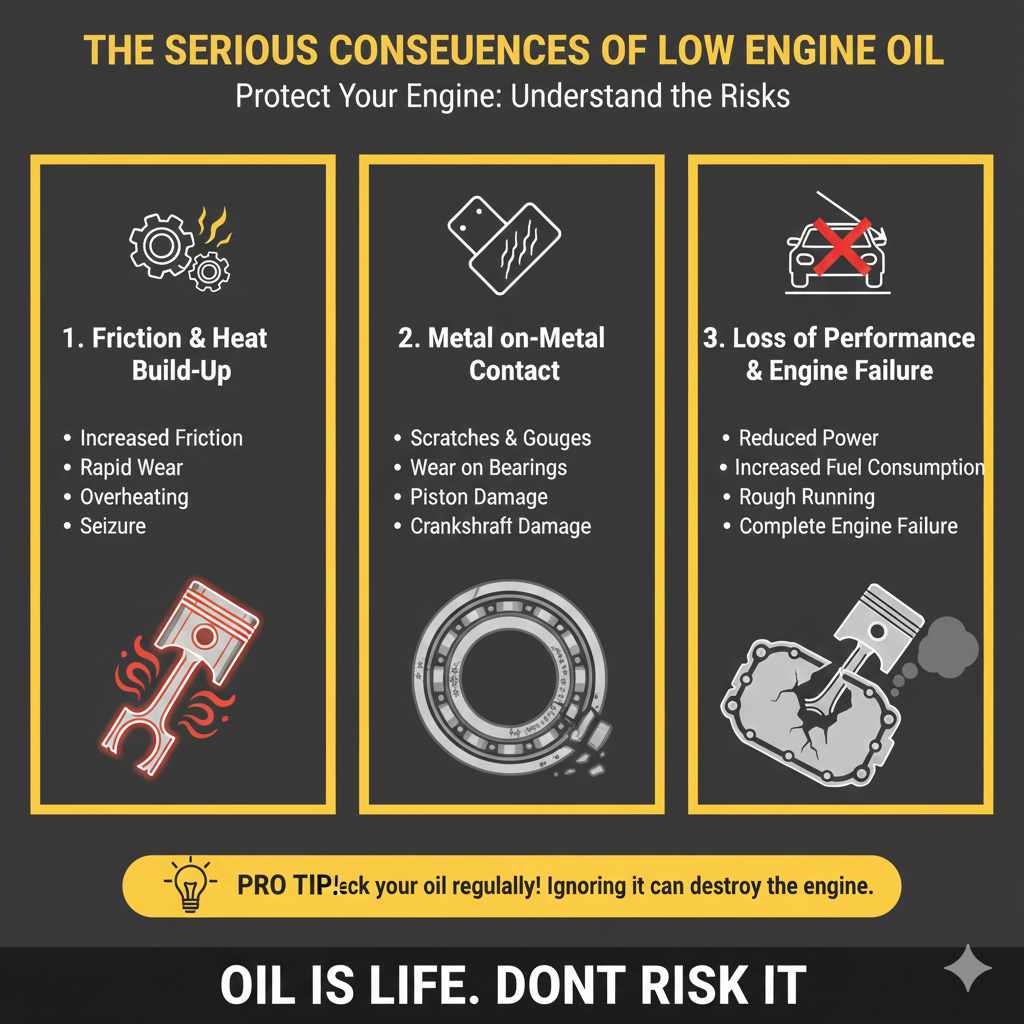
The Serious Consequences of Low Oil
Oil is like blood for your car’s engine. It’s vital for keeping everything running smoothly. When your engine runs without enough oil, it’s a recipe for trouble. The main role of oil is to lubricate the moving parts inside the engine, reducing friction and preventing wear and tear. Without oil, these parts rub against each other, generating intense heat. This heat can cause significant damage very quickly. We’ll explore the main issues.
Friction and Heat Build-Up
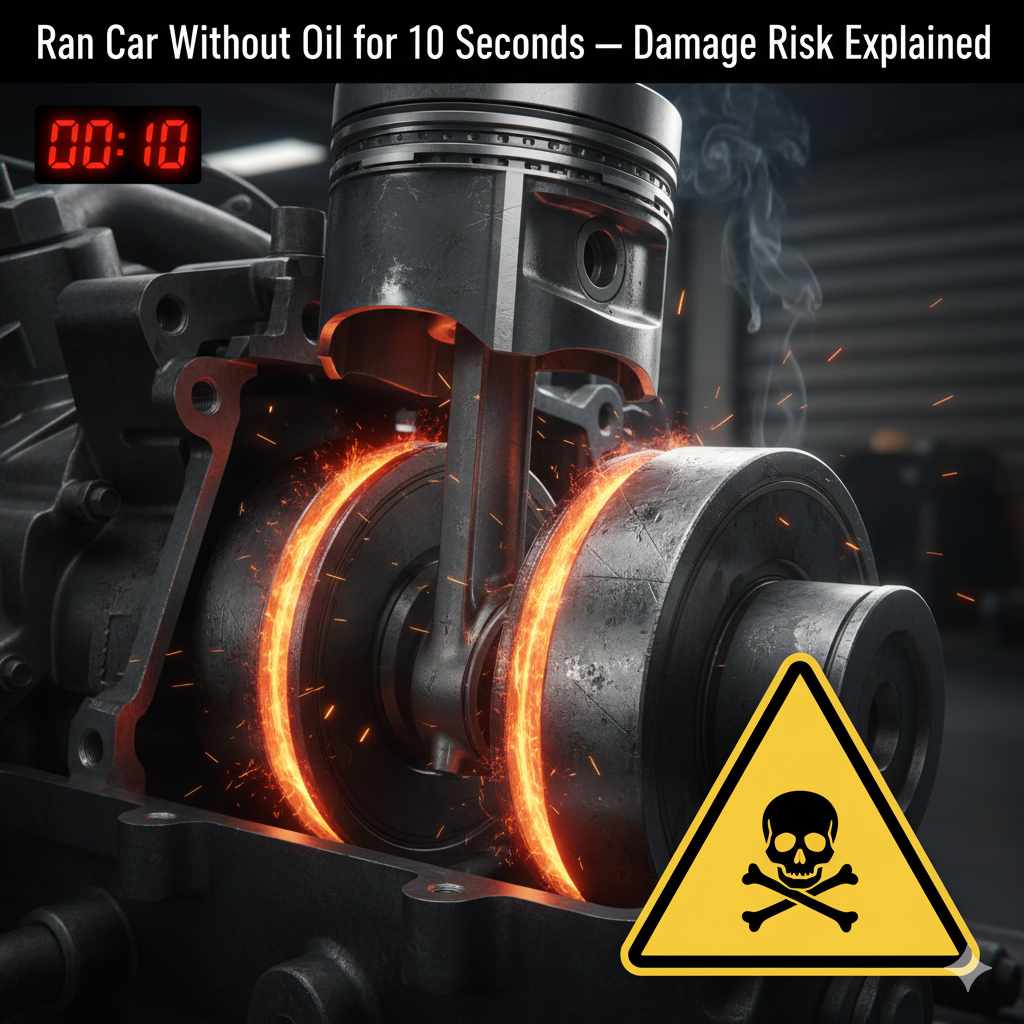
When an engine operates without sufficient oil, the friction between the components dramatically increases. Metal parts, such as the pistons, crankshaft, and camshaft, grind against each other without the protective layer of oil. This friction generates a huge amount of heat very rapidly. Parts designed to withstand considerable temperatures can be quickly damaged. This situation can warp or even break these components, leading to complete engine failure. This is why oil is so important!
- Increased Friction: Oil reduces friction between moving parts. Without it, the engine parts rub directly, causing heat.
- Rapid Wear: Metal components wear down quickly due to friction. This results in the engine parts becoming damaged and less functional.
- Overheating: The engine gets extremely hot. The heat can cause parts to warp, deform, or break down entirely.
- Seizure: The engine components can seize up, effectively locking the engine and making it useless.
Metal-on-Metal Contact
The absence of oil results in direct metal-on-metal contact within the engine. This can cause severe damage in seconds. The engine’s interior is made up of numerous moving parts that are designed to operate with a tiny space between them. The oil fills this space, preventing these parts from touching. Without oil, these parts grind together, causing scratches, dents, and other damage. This will eventually lead to complete engine failure. The severity of the damage depends on how long the engine runs without oil and the engine’s RPMs.
- Scratches and Gouges: Metal parts will scratch and gouge each other.
- Wear on Bearings: Bearings, essential for smooth rotation, will wear down.
- Piston Damage: Pistons can be damaged.
- Crankshaft Damage: The crankshaft, which is responsible for turning the engine, will likely wear out very quickly.
Loss of Performance and Engine Failure
When the engine oil is missing, the car’s performance drops significantly. Without lubrication, the engine has to work much harder to operate. This causes the engine to lose power and efficiency. Fuel consumption rises because the engine struggles to function. In the most serious cases, running without oil will quickly lead to complete engine failure. This could require a complete engine rebuild or replacement, which are both costly repairs.
- Reduced Power: The engine struggles to generate the power it’s designed to provide.
- Increased Fuel Consumption: The engine becomes less efficient, burning more fuel.
- Rough Running: The engine may run poorly, with noises.
- Complete Engine Failure: This is the worst-case scenario. The engine can become unusable, requiring major repairs.
Assessing the Damage After Running Without Oil
After your car has run without oil, it’s important to understand the extent of the damage. Even if the car only ran for a short period, it’s vital to inspect the engine. There are several steps you should take to assess the potential issues. Don’t worry, we’ll break down the assessment process clearly. You should be prepared to deal with different possible outcomes. Getting your car checked professionally is always the best solution.
Visual Inspection and Oil Level Check
The first step is a basic inspection. You should check the oil level immediately. Even if you suspect you’ve run the engine with low oil, check the dipstick. If the oil level is very low or non-existent, this confirms the issue. Look under the car for any signs of oil leaks. Leaks could be from the oil pan, oil filter, or the engine’s seals. Visually examine the engine for any signs of damage or leaks. Are there unusual noises? Look for smoke.
- Check the Dipstick: Examine the dipstick to see how much oil remains in the engine.
- Look for Leaks: Check underneath the car and around the engine for any visible oil leaks.
- Listen for Unusual Noises: If the engine is running, listen for any sounds that may indicate damage, such as knocking or tapping.
- Check the Engine for Smoke: Unusual smoke from the exhaust could indicate problems.
Professional Diagnostic Tests
To get a more complete picture of the damage, you’ll need professional diagnostic tests. These tests can identify problems that are not visible. A mechanic can perform a compression test to check the engine cylinders’ health. They might also use an oil pressure test. Another step is to do an internal inspection of the engine. A mechanic will use a borescope, which is a camera that can go into the engine’s interior. A mechanic will be able to confirm or rule out internal damage.
- Compression Test: This test measures the engine cylinders’ ability to compress air, which can indicate if there is damage to the pistons or valves.
- Oil Pressure Test: This test helps to check if the oil pump is working correctly and the oil is reaching the necessary parts of the engine.
- Borescope Inspection: A borescope is used to inspect the inside of the engine without taking it apart.
- Oil Analysis: Analyzing the oil can reveal the presence of metal particles that can signal wear or damage.
What to Do After the Inspection
After the inspection, you’ll need to decide on the next steps. If the engine sustained significant damage, a repair could be costly. The best course of action depends on the extent of the damage and your budget. If the damage is minor, you might be able to get away with an oil change. In other cases, you might need to make larger repairs. A professional mechanic can help decide the best options available. Do not ignore warning signs, as these can save you thousands of dollars.
- Minor Damage: If the damage is minor, you might only need an oil change and filter replacement.
- Moderate Damage: If the damage is moderate, the mechanic may suggest repairing some engine components.
- Major Damage: In cases of severe damage, the mechanic might recommend an engine rebuild or replacement.
- Consult a Mechanic: The mechanic can tell you what your options are.
Preventing Oil-Related Problems in Your Car
The best way to avoid problems related to low oil is to be proactive. Several habits and actions can help you prevent oil-related issues. Regular maintenance, such as changing your oil and checking your oil levels, is key. Catching problems early can help you avoid major engine damage and expensive repairs. Regular engine checkups are very important.
Regular Oil Changes and Checks
Following the manufacturer’s recommendations for oil changes is critical. Regular oil changes keep your engine clean and lubricated. You should also regularly check your oil level. The dipstick is your best friend when it comes to checking your car’s oil. Check the oil level at least once a month, or more often if you drive a lot. Also, make sure to use the right type of oil. Using the wrong kind of oil could impact the efficiency of your car.
- Follow the Oil Change Schedule: Stick to the schedule recommended in your car’s manual.
- Check Oil Levels Regularly: Inspect the oil level with the dipstick every month.
- Use the Correct Oil Type: Use the type of oil suggested for your engine.
- Replace the Oil Filter: Replace the oil filter every time you change your oil.
Understanding Warning Signs
Knowing the warning signs of low oil can help you act quickly. The most common warning signs are the oil pressure warning light on your dashboard. Strange engine noises, such as knocking or tapping, can also be a warning sign. Any smoke from the exhaust should also be addressed quickly. If you spot any of these warning signs, pull over as soon as it is safe and inspect the vehicle. Don’t take any chances.
- Oil Pressure Warning Light: This is the most obvious sign. If the light comes on, stop driving as soon as possible.
- Unusual Noises: Listen for any knocking, tapping, or other strange engine sounds.
- Smoke from the Exhaust: Blue or white smoke can indicate oil-related problems.
- Oil Smell: The smell of burning oil can signal a leak.
Best Practices for Vehicle Maintenance
Having a vehicle maintenance routine can help prevent oil-related problems. Create a maintenance schedule. Follow the recommendations in your car’s manual. You should also have your car inspected by a professional mechanic. The mechanic can identify potential problems that you might miss. Keeping your car clean will help. If you notice any leaks, get them addressed as soon as possible.
- Create a Maintenance Schedule: Stick to a regular maintenance schedule, including oil changes and other checks.
- Regular Inspections: Have a mechanic inspect your vehicle regularly.
- Address Leaks Immediately: Get any oil leaks repaired promptly.
- Use Quality Parts and Fluids: Invest in quality oil and filters.
Frequently Asked Questions
Question: How quickly can an engine be damaged if it runs without oil?
Answer: Damage can occur very quickly. In some cases, major engine damage can occur in just a few seconds if the engine is running at high speeds or under heavy load.
Question: What does the oil pressure warning light mean?
Answer: The oil pressure warning light means that the engine’s oil pressure has dropped below a safe level, which indicates that there may not be enough oil.
Question: Can I drive my car if the oil light comes on?
Answer: No. If the oil light comes on, pull over immediately and stop driving. Continuing to drive could cause major damage to your engine.
Question: How often should I check my car’s oil?
Answer: Check your car’s oil at least once a month, or more often if you drive frequently or under extreme conditions.
Question: Is it possible to fix an engine that has been damaged by running without oil?
Answer: It depends on the extent of the damage. Minor issues might be resolved with repairs. However, in cases of severe damage, you may require a new engine.
Final Thoughts
Knowing what can happen if you ran car without oil for 10 seconds — damage risk can seem intimidating, but understanding the potential issues is the first step in avoiding serious problems. Remember, the engine oil is critical for keeping your engine healthy. Running your engine with low or no oil can cause severe damage. This can lead to friction, heat build-up, and metal-on-metal contact, eventually leading to engine failure. Regularly checking your oil level, keeping up with oil changes, and responding immediately to any warning signs, such as the oil pressure light or strange noises, are key to protecting your engine. Don’t hesitate to seek the assistance of a mechanic if you suspect a problem. This preventative approach can save you a lot of time, money, and stress down the road.