Reddish Orange Cars: The Complete Buyer’s Guide to Owning One
You spot it from across a parking lot: a car in that burnt orange or sunset red-orange hue that looks almost molten in the late afternoon light. It stops you. Most cars don’t do that. But then the practical questions start creeping in — will that color age well? Will it hurt me at trade-in time? Is it impossible to keep clean?
This guide answers those questions head-on. You’ll learn exactly where reddish orange sits in the color spectrum, which factory models actually offer it, what it does to resale value and lease payments, and how to maintain it without losing sleep. No fluff, just the stuff owners wish they knew before signing.

xdotoar
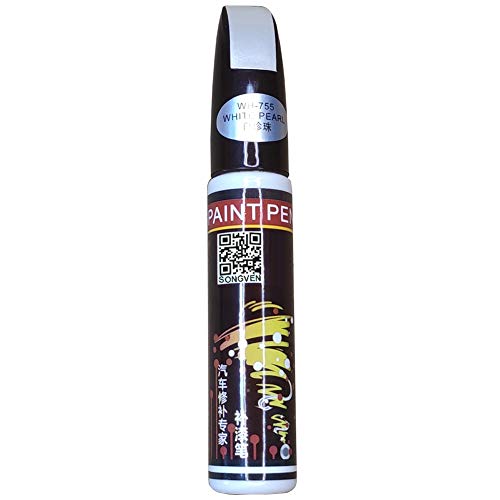
Touch Up Paint for Cars, Pure Red…
- Efficient Car Scratch Remover - Don’t let scratches or chips ruin your car’s stunning look! The xdotoar pure red paint pen easily…
- Fit Every Car - No matter what you drive! Our red touch up paint for cars is designed for universal use, matching 90% of pure red…
- Exact Match Car Paint - This car touch up paint delivers precise color matching, ensuring flawless consistency with your car’s ori…
If you already own a red-orange car with a few rock chips or door dings, a quality touch-up pen like the xdotoar pure red paint pen can blend those imperfections in minutes. It’s a universal match for most pure red vehicles and dries fast enough that you can be back on the road in about ten minutes. Worth keeping in the glovebox either way.
Why “Reddish Orange” Is the Most Confusing Car Color
Call a color “orange” and someone pictures a safety cone. Call it “reddish orange” and you’ve opened the door to a dozen interpretations. The car industry doesn’t help. One brand’s “Sunset Orange” is another’s “Molten Orange” and a third’s “Blaze Orange” — and those three can look completely different side by side.
Part of the confusion comes from how paint is built. Most factory orange paints use a colored base coat with a clear coat on top. But the base can be a solid pigment, a metallic flake, or a pearl/mica finish. Metallic orange reflects light differently depending on the angle, so a car can look almost red in the shade and bright tangerine in direct sun. That’s not a flaw — it’s physics — but it makes matching paint for repairs genuinely difficult.
There’s also the naming problem. Automakers avoid plain “orange” because it sounds loud. So they reach for food names (Tangerine, Paprika, Saffron), geological names (Copper, Rust, Terracotta), or time-of-day names (Sunset, Sunrise, Dusk). Almost all of these skew reddish rather than pure yellow-orange. That’s a deliberate choice: red-orange reads as more upscale and less toy-like than a true orange.
The Best Factory Reddish-Orange Cars on Sale Today
Factory orange is rare. Most brands offer it on one or two models per generation, and often only for a single model year. Here’s where you’ll actually find it now.
Sports Cars and Performance Models
Porsche has offered “Racing Yellow” and “Guards Red” for years, but the one that gets people talking is “Lava Orange” — a bright, slightly red-leaning orange available on the 718 Cayman and 911. It’s a costly option, but it holds attention.
Chevy offers “Crush” on the Camaro, a vivid orange that leans red in shadows. Dodge has “Go Mango” (a classic name revived) on the Challenger and Charger, which sits closer to a true orange with a hint of copper. Ford’s “Competition Orange” has appeared on the Mustang and Focus RS in recent years, though availability comes and goes.
BMW’s “Sunset Orange” on the M2 and M4 is more of a burnt orange — deeper and less flashy. Audi’s “Tango Red” is technically red but reads orange in bright light, which tells you how thin that line really is.
SUVs and Crossovers
Jeep offers “Firecracker Orange” on the Wrangler and Gladiator — a bright, almost pure orange that photographs well but can feel loud in person. Toyota has “Sunset Orange” on the Corolla Cross and RAV4 in some regions, though it’s not always a permanent option.
Kia’s “Orange Delight” on the Soul is one of the few affordable new cars with a genuinely fun orange hue. Honda has used “Sunset Orange Pearl” on the HR-V and Civic Hatchback in certain model years, and it’s a great example of a pearl finish that shifts between red and orange.
Trucks and Off-Roaders
Ford’s “Cyber Orange” on the F-150 and Bronco is more yellow than red, but the Bronco’s “Eruption Green” and “Hot Pepper Red” show how the brand plays with the edges of the spectrum. Ram offers “Flame Red” on the 1500, which is really a red-orange in certain light.
Nissan’s “Tinted Copper” on the Frontier and Pathfinder sits at the brownish end of the orange family — closer to copper than tangerine. If you want a truck that turns heads without screaming, that’s the one.
The Difference Between Reddish Orange, Copper, and Burnt Orange
These three get mixed up constantly, and the difference matters when you’re hunting for a used car or trying to match paint.
- True orange sits between yellow and red on the color wheel. Think tangerine or a safety cone. Bright, saturated, no brown undertone.
- Reddish orange leans toward red. It’s warmer and deeper than true orange. Examples: Chevy’s Crush, BMW’s Sunset Orange, Porsche’s Lava Orange.
- Burnt orange has a brown or copper undertone. It’s darker and more muted — think autumn leaves or a clay pot. Volvo and BMW have both used this shade.
- Copper is a metallic brown-orange. It relies heavily on metallic flake for its effect and can look almost bronze in low light.
The practical difference? Resale and repairs. Burnt orange and copper are easier to live with because they hide dirt and swirl marks better. Bright reddish orange shows every imperfection but makes the car look special. If you’re buying used, know which one you’re getting — a dealer listing that says “orange” might actually be copper, and that changes the whole character of the car.
How Orange Paint Affects Resale Value and Leasing
Here’s the honest truth: orange is a niche color, and the market treats it that way. On a mainstream car like a Camry or Civic, orange will likely hurt resale value because the pool of buyers who want it is small. On a sports car or a truck like the Bronco, orange can actually help because it’s a desirable, limited option.
The data backs this up. Industry studies on resale value consistently show that white, black, and silver hold value best. Bright colors like orange and yellow typically depreciate faster on volume models. But there’s a twist: if the orange is tied to a special edition or a limited production run, scarcity can push values up. The Dodge Challenger in Go Mango, for instance, has a loyal following that keeps prices firm.
Leasing is a different story. Most lease contracts have a disposition fee and a wear-and-tear standard, but color itself isn’t penalized. What matters is the condition of the paint. A scratched or faded orange car will cost you at lease end just like any other color. The bigger risk is that the leasing company has to sell the car at auction, and a bright orange sedan is a harder sell than a silver one. Some dealers factor that into the residual value, which raises your monthly payment. It’s worth asking about the residual specifically when you’re negotiating a lease on an orange car.
Insurance is rarely affected by color. Insurers care about the VIN, the trim, and your driving record — not whether the car is orange. That’s a myth that refuses to die. The one exception is if you modify the paint with a custom wrap or a non-factory finish, which can affect coverage if you don’t tell your insurer.
Maintenance and Care for Orange Paint
Orange paint has two enemies: UV radiation and swirl marks. Because orange is a high-energy color, it fades faster than darker shades when exposed to constant sun. The clear coat is your first line of defense, and once it degrades, the color underneath goes quickly.
Washing matters more than waxing. Use a pH-neutral soap and the two-bucket method to minimize swirls. Orange shows micro-scratches more than silver or gray, so a clay bar treatment every six months and a good sealant or ceramic coating will keep the color deep. If you park outside, a car cover is worth the money — it’s not about vanity, it’s about slowing down oxidation.
Paint correction on orange is doable but requires care. A dual-action polisher with a medium-cut pad and a fine polish will remove light swirls, but you need to check the clear coat thickness first. Orange metallic paints are especially tricky because the flake can be disturbed by aggressive polishing, leaving a blotchy look. If you’re not confident, find a detailer who has worked with orange or red paints before.
For minor chips and scratches, don’t wait. Touch-up paint is cheap and effective if you apply it early. The touch up paint for cars mentioned earlier is a solid option for pure red and red-orange vehicles — it’s formulated to match most factory reds, dries hard, and seals the area against moisture before rust can set in. Clean the spot, shake the pen for 30 seconds, and apply in one direction. It won’t be invisible up close, but it will stop the damage from spreading.
Visibility and Safety: Does Orange Make You Safer?
There’s a reason construction equipment and hunting gear are orange: it’s the most visible color in the spectrum to the human eye, especially in low light and peripheral vision. Studies on emergency vehicles have shown that lime-yellow and orange are more detectable than red or blue in daytime conditions.
Does that translate to fewer accidents for orange cars? The research is mixed. A 2026 study from New Zealand found that white cars had a 10% lower crash risk than black cars, but orange wasn’t isolated as a separate category. The visibility advantage is real, but it’s offset by the fact that orange cars are rare — other drivers aren’t conditioned to expect them, which can cause a different kind of error.
Compared to red, orange is more visible in fog and rain because red wavelengths scatter more easily. Compared to yellow, orange is less visible at night but more visible in daylight. If you’re choosing between a red car and an orange car purely for safety, orange wins by a narrow margin. If you’re choosing between orange and white, white is still the safest bet overall.
The Best Used Reddish-Orange Cars to Buy Now
If you’re shopping used, you have more options than you might think. The key is knowing which models offered orange in which years, because availability was often limited to a single model year.
- Ford Focus RS (2026-2026) — “Nitrous Blue” got the attention, but the RS was also offered in a limited “Race Red” that leans orange. Hard to find, but a future classic.
- Jeep Wrangler (2026-2026) — “Firecracker Orange” is bright and holds up well. Wranglers hold value regardless of color, so this is the safest bet for resale.
- Honda Civic Hatchback (2026-2026) — “Sunset Orange Pearl” is a beautiful metallic that shifts between red and orange. Civics are everywhere, but this color is rare.
- Porsche 718 Cayman (2026-2026) — “Lava Orange” is a statement color on a car that can carry it. Expect to pay a premium, but also expect strong demand when you sell.
- Dodge Challenger (2026-2026) — “Go Mango” is a classic name and a great example of a true orange with a red undertone. The Challenger’s muscle car following keeps demand steady.
- Toyota Corolla Hatchback (2026-2026) — “Orange Metallic” was a rare option on a practical car. It won’t hold value like the Jeep, but it’s affordable to buy used.
Regional availability matters more than you’d think. Some orange shades were only sold in specific markets. For example, the Honda Civic’s “Sunset Orange” was more common in Europe and Asia than in North America. If you’re importing or shopping across state lines, verify the paint code before you commit. The paint code is usually on a sticker in the driver’s door jamb or under the hood — it’s a combination of letters and numbers that tells you the exact factory color.
What About Insurance, Rust, and Long-Term Ownership?
Insurance doesn’t care about color, but it does care about repair costs. Orange paint is harder to match than silver, so if you’re in an accident, the body shop may need to blend the paint into adjacent panels to avoid a visible mismatch. That increases repair cost, which can push your premium up slightly — not because of the color itself, but because of the repair complexity. It’s worth asking your insurer about OEM paint matching before you buy.
Rust is the bigger long-term enemy. Orange paint tends to be thinner on some models because it’s a single-stage finish on older cars. Check the wheel wells, the underside of the doors, and the area around the fuel filler cap. If you see bubbling under the paint, that’s rust starting from underneath — and it’s a much bigger problem than a surface scratch.
If you’re buying a used orange car, get a paint thickness gauge reading on a few panels. It’s a cheap tool and it tells you if the car has been resprayed. A resprayed orange car is a red flag unless the work was done properly, because the color will likely not match the factory shade exactly.
Final Verdict: Should You Buy a Reddish Orange Car?
Here’s where I land after years of watching the market and owning a red-orange car myself.
- Buy orange if you’re getting a sports car, a truck, or an SUV — the color adds personality and holds value on enthusiast models.
- Skip orange on a mainstream sedan or commuter car unless you plan to keep it for a long time. Resale will hurt.
- Check the paint code before you buy. “Orange” can mean five different things across brands.
- Budget for a ceramic coating or a good sealant within the first month of ownership. It will save you money on paint correction later.
- Keep touch-up paint on hand. A tiny chip that sits for six months becomes a rust spot that costs ten times more to fix.
- If you lease, ask the dealer about the residual value specifically. Color can affect it, and you don’t want a surprise at lease end.
- Don’t worry about insurance. Color doesn’t affect your rate, but repair complexity might — ask your agent for a quick quote on a comparable car.
A reddish orange car is a statement. It says you’re not driving a beige crossover. That’s worth something. Just go in with your eyes open about the maintenance and the resale math, and you’ll be fine. For more on the deeper burnt orange end of the spectrum, check out our burnt orange car guide. And if you’re wondering how washing habits affect that beautiful finish, read are car washes bad before your next trip to the tunnel.
Products related to this article
Sponsored / affiliate links. As an Amazon Associate I earn from qualifying purchases. I may earn additional commission from eligible campaigns.