What Is The Gas Cap On A Car And Why Does It Matter?
Ever stopped to think about that little cap on your car’s gas tank? It seems so simple, just a piece that twists off and on. But this small part does a lot more than most people realize.
It’s actually a key player in how your car runs smoothly and cleanly. If you’ve ever seen a check engine light come on and wondered why, your gas cap could be a part of the puzzle. Let’s dive in and understand this often-overlooked component.
The gas cap on your car is a crucial part of the fuel system and emissions control. It seals the fuel tank to prevent fuel vapors from escaping and keeps dirt and debris out. A loose or faulty gas cap can cause your check engine light to turn on, affect fuel economy, and increase pollution.
What is a Gas Cap?
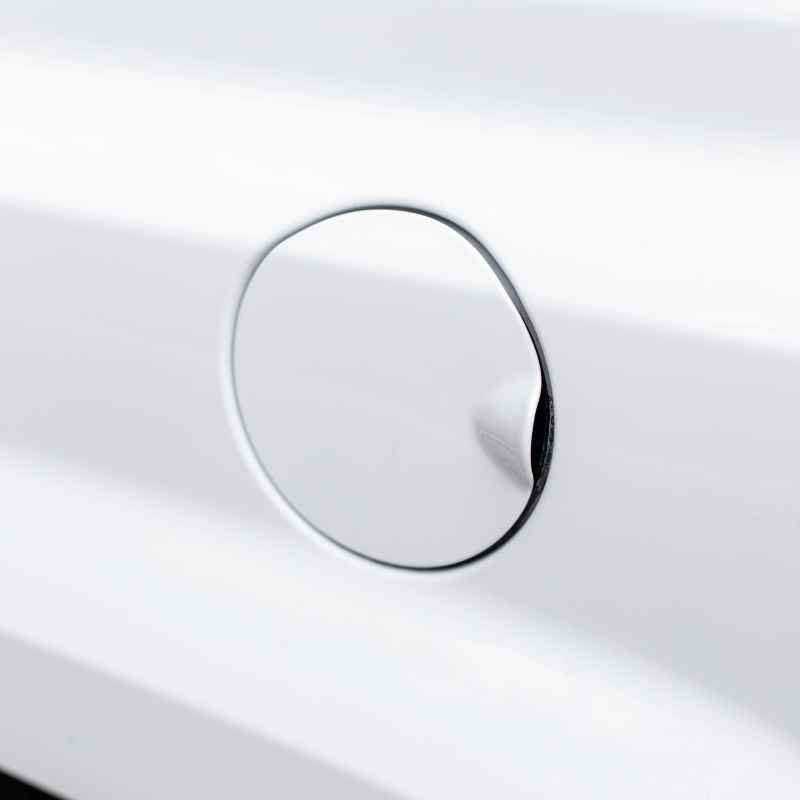
At its heart, a car’s gas cap is a physical seal. Its main job is to close off the fuel filler neck. This neck is the opening where you pour gasoline into your car’s tank.
When you’re not filling up, the cap keeps this opening shut tight.
Modern gas caps are not just simple plugs. Many are designed with special seals and sometimes even a spring-loaded mechanism. This ensures a snug fit every time.
They are built to withstand the pressures and vapors inside the fuel tank. They also protect it from the outside world.
Think of it like a lid on a pot of soup. If the lid is loose, steam escapes. In your car’s case, instead of steam, it’s fuel vapors.
These vapors are not only a smell but also a part of the car’s emissions system. The cap keeps them contained. It also stops water, dirt, and other junk from getting into your gas tank.
This can cause big problems.
Why Does Your Gas Cap Matter So Much?
This little cap plays a surprisingly big role in a few key areas of your car’s performance and health. It’s not just about keeping the gas in; it’s about the entire system working as it should.
The first big reason it matters is to stop fuel vapors from escaping. Cars today have strict rules about how much pollution they can put out. Fuel vapors, or evaporative emissions, are a type of pollution.
These vapors can smell bad and are harmful to breathe. The gas cap creates a sealed system. This keeps those vapors inside the tank where they belong.
Later, the car’s system can use them or filter them out.
Second, it’s about keeping your fuel system clean. If the cap isn’t on tight, water can get in. Dust, leaves, and other bits of dirt can also find their way into your tank.
This junk can clog fuel lines, filters, and injectors. This can lead to rough running, poor acceleration, and even engine damage over time. A good gas cap acts as a barrier against these contaminants.
Third, it’s a part of the car’s pressure regulation system. Modern fuel tanks are sealed. This means they need to manage pressure.
When fuel heats up, it expands and creates vapor. This increases pressure inside the tank. The gas cap and other parts of the system work together to manage this pressure.
If the cap doesn’t seal correctly, the system can’t maintain the right pressure. This can affect how the engine gets fuel.
Finally, it’s directly linked to your car’s check engine light. Many cars have sensors that monitor the fuel system for leaks. A loose or missing gas cap can trigger these sensors.
They then tell the car’s computer that there’s a problem. This results in the dreaded check engine light illuminating on your dashboard.
How Does the Gas Cap Work with the Evaporative Emission Control (EVAP) System?
This is where things get a bit more technical, but we’ll keep it simple! Your car has a system called the EVAP system. Its job is to prevent fuel vapors from escaping into the atmosphere.
The gas cap is the first line of defense in this system.
When you fill up your car, the gasoline turns into vapor. These vapors are stored in the fuel tank. The EVAP system collects these vapors.
It then sends them to the engine to be burned. This reduces pollution. It also helps your car run more efficiently.
The gas cap is designed to create a tight seal. This seal is essential for the EVAP system to work. If the seal is broken, the vapors escape.
The car’s computer detects this leak. It then knows the EVAP system isn’t working correctly. This is why you often get a check engine light for a loose gas cap.
Some gas caps have a small valve. This valve allows a tiny bit of pressure to escape if it gets too high. It also lets a little air in if the pressure gets too low.
This keeps the fuel tank from collapsing. But it’s still designed to keep the vast majority of vapors inside.
When the check engine light comes on, one of the first things mechanics check is the gas cap. It’s a common and simple fix. Make sure it’s on tight.
Give it a few clicks. This tells you it’s sealed properly.
Sometimes, the cap itself can be the problem. The rubber seal might be worn out. The threads could be damaged.
In these cases, the cap needs to be replaced. This is a relatively inexpensive part.
Understanding EVAP Leaks
What it is: A leak in the system that captures fuel vapors.
Common causes: Loose gas cap, damaged hose, faulty purge valve.
Why it matters: Leaking vapors cause pollution.
What happens: Check engine light turns on.
Signs of a Faulty or Loose Gas Cap
How do you know if your gas cap is the culprit? There are a few common signs to watch out for. Some are obvious, while others are more subtle.
The most obvious sign is the check engine light. If this light comes on, and you haven’t done anything else unusual with your car, checking the gas cap is the very first step. Make sure it’s screwed on tightly.
Sometimes, just tightening it is enough to turn the light off after a few driving cycles.
Another sign is a smell of gasoline. If you can smell gas around your car, especially after parking it, it could be a sign that fuel vapors are escaping. This is more likely if the cap is missing or severely damaged.
But even a slight leak can sometimes let enough odor escape to be noticeable.
You might also notice a slight decrease in fuel economy. If your car is losing fuel vapors, it means you’re losing fuel. Over time, this can add up.
You might find yourself needing to fill up more often. This is less common with just a slightly loose cap, but it can happen with a more significant issue.
In some cars, you might hear a faint hissing sound when you open the fuel filler door. This can happen if the EVAP system is still holding some pressure. It’s not always a bad sign, but if you notice a new or louder hiss, it might mean something is wrong with the seal.
If your car is older, you might not have a sophisticated check engine light system tied to the gas cap. However, you might notice the symptoms of dirt or water in the fuel system more often. This could include rough idling or stalling.
These are signs that the fuel is not clean.
Quick Gas Cap Check
Step 1: Look at your gas cap. Does it look damaged?
Step 2: Tighten it until you hear clicks.
Step 3: Drive your car for a bit.
Step 4: See if the check engine light goes off.
What Happens if You Drive with a Loose or Missing Gas Cap?
Driving with a gas cap that isn’t sealed properly is not ideal for your car or the environment. While it’s unlikely to cause immediate, catastrophic engine failure, it can lead to a few problems over time.
The most immediate consequence is the check engine light. As we’ve discussed, this is the car’s way of telling you something is wrong. Ignoring this light can lead to bigger issues down the road.
If the problem isn’t fixed, other warning lights might also appear.
Environmentally, it’s a concern. Fuel vapors are considered a volatile organic compound (VOC). These contribute to smog formation.
Driving with a leaky cap means you’re releasing these harmful chemicals into the air. This is especially problematic in hot weather when more vapors are produced.
Your fuel economy can suffer. While a single drive with a loose cap might not make a noticeable difference, it can add up. If the cap is missing for an extended period, you’re essentially letting precious fuel evaporate.
This wastes money and resources.
Dirt and moisture can enter the fuel tank. This is a more serious long-term issue. Water in the fuel can cause rust inside the tank.
Dirt and debris can clog your fuel filter. They can also damage your fuel pump or fuel injectors. These repairs can be quite expensive.
Think about it this way: your fuel tank is a sealed system designed to protect your fuel and your engine. The gas cap is a critical part of that seal. If it’s broken, the entire system is compromised.
For many cars, the EVAP system monitors for leaks constantly. If a leak is detected, it can also trigger a fail-safe mode for the engine. This might mean reduced engine power.
It can also affect how smoothly the engine runs. So, it’s best to address the issue promptly.
Gas Cap Problems at a Glance
Check Engine Light: Most common sign.
Fuel Smell: Noticeable gas odor around the car.
Worse Fuel Economy: You might fill up more often.
Pollution: Releasing harmful fuel vapors into the air.
Contamination: Dirt and water can enter the fuel tank.
Types of Gas Caps
While they all serve the same basic purpose, gas caps have evolved over the years. Most modern cars use what’s called a “locking” or “non-locking” gas cap that seals the system.
Non-locking Gas Caps: These are the most common type. You twist them until they click. The number of clicks usually indicates a proper seal.
They are simple and effective. They are also the type most often associated with the check engine light issue if they become loose or damaged.
Locking Gas Caps: These caps require a key to open or have an integrated lock. They were more common on older vehicles or some performance cars. Their main advantage is preventing fuel theft.
They also help ensure the cap is always securely locked. However, they can sometimes be a bit more complicated to use.
Reless Gas Caps (or “California” Caps): These are a specific type of non-locking cap. They are designed to maintain a very tight seal. They are often required in areas with strict emissions regulations, like California.
They tend to have more robust sealing mechanisms and may require more force to twist on and off.
Aftermarket Gas Caps: You can buy gas caps from various aftermarket brands. It’s important to get a cap that is designed for your specific car make, model, and year. A cap that fits incorrectly won’t seal properly.
It could cause the same problems as a damaged OEM cap.
Regardless of the type, the goal is the same: a secure seal. The seal prevents vapors from escaping and contaminants from entering.
Replacing a Gas Cap
If you suspect your gas cap is faulty or damaged, replacing it is usually a straightforward and affordable fix. It’s something many car owners can do themselves.
First, identify the problem. Is the cap visibly cracked? Is the rubber seal torn or brittle?
Does it not click when you tighten it? If you answer yes to any of these, it’s time for a new one. You can also get your car scanned by a mechanic to confirm the EVAP leak code points specifically to the cap.
When buying a replacement, make sure you get the right one. Your car’s owner’s manual will specify the correct part number or type. You can also find this information at an auto parts store.
They can look up your car’s details. Be sure to match your car’s make, model, and year precisely.
Once you have the new cap, simply unscrew the old one. Screw the new one in. Make sure it’s tight.
You should hear it click several times. Some people recommend giving it three or four clicks. This ensures a proper seal.
After replacing the cap, the check engine light might not go off immediately. Most car computers need a few driving cycles to re-read the system. This means driving the car for a mix of conditions (city, highway) for a day or two.
If the light stays on after that, there might be another issue with the EVAP system or a different problem entirely.
It’s a small part, but its replacement is important. It ensures your car runs cleaner and more efficiently. It also saves you from potential future headaches and repair bills.
Gas Cap Replacement Steps
1. Diagnose: Check for visible damage or listen for clicks.
2. Purchase: Get the correct cap for your car.
3. Install: Unscrew old cap, screw on new one tightly.
4. Reset: Drive a few cycles to let the car’s computer re-evaluate.
Common Misconceptions About Gas Caps
Like many simple car parts, the gas cap is subject to some common misunderstandings. Let’s clear a few of those up.
Misconception 1: The check engine light is always a big, expensive problem. This is far from true! As we’ve seen, a loose gas cap is one of the most common reasons for this light to appear. It’s a cheap and easy fix.
Always check the cap first.
Misconception 2: Any gas cap will do. Not exactly. While many caps look similar, they are designed for specific fuel systems. Using the wrong type of cap might not seal correctly.
It could even damage the filler neck or the EVAP system over time. Always use a cap made for your vehicle.
Misconception 3: If the cap isn’t broken, it’s fine. A gas cap might look okay but still not seal properly. The rubber seal can degrade over time due to heat and exposure. It can lose its flexibility.
This prevents a tight seal. So, even if it looks intact, a worn seal can cause issues.
Misconception 4: You need to tighten it until your arm hurts. Over-tightening can damage the cap’s threads or the fuel filler neck. It can also make the cap difficult to remove later. The key is to tighten it until it clicks.
That’s the signal for a proper seal.
Misconception 5: A missing gas cap is no big deal for a short trip. Even a short period without a cap can allow dirt and moisture in. It can also let a noticeable amount of fuel vapor escape. It’s best to replace or secure a missing cap as soon as possible.
Understanding these common myths helps ensure you’re taking the best care of your vehicle and the environment. It’s about proper maintenance and awareness.
My Experience with a Mysterious Check Engine Light
I remember one crisp autumn evening a few years back. I was driving home from a friend’s place, the radio playing softly. Suddenly, my dashboard lit up with the dreaded check engine light.
My heart sank a little. I’m usually pretty good about car maintenance, but this felt out of the blue.
My mind immediately raced through all the possibilities. Was it something serious? Was my engine about to give up on me?
I pictured expensive repair bills flashing before my eyes. I tried to stay calm, but a knot of worry tightened in my stomach. The car was running fine, no strange noises, no loss of power.
That made it even more confusing.
I made a mental note to get it checked first thing in the morning. As I pulled into my driveway, I got out to grab my bag. I walked around the car, just in case I could see something obvious.
And then I saw it. My gas cap was just… hanging there. It wasn’t properly screwed on.
I must have been in a rush when I last filled up and didn’t twist it all the way.
I sheepishly grabbed it and screwed it in, listening for the familiar clicks. It clicked several times, sounding just right. I felt a wave of relief wash over me.
Could it really be that simple? I decided to wait and see. The next morning, after my commute to work, the light was still on.
But by the afternoon, as I drove home, it miraculously turned off. It was a fantastic lesson in not jumping to conclusions and always checking the simplest things first. It’s now my go-to trick whenever that light pops up unexpectedly.
Real-World Scenarios and Context
The function of your gas cap is consistent across different driving conditions and environments. However, certain situations can highlight its importance more.
Hot Climates: In very hot weather, fuel expands more and produces a greater amount of vapor. A properly sealed gas cap is crucial here to contain these increased vapor emissions. If the cap is faulty, more harmful fumes can escape, contributing to smog in already challenging air quality areas.
Humid Environments: High humidity can mean more moisture in the air. If your gas cap seal isn’t perfect, this moisture can more easily find its way into your fuel tank. This can lead to issues like water contamination in the fuel, which is bad for your engine.
Off-Roading or Bumpy Roads: While most drivers stick to paved roads, even driving over speed bumps or rough patches can cause a poorly secured gas cap to loosen slightly. If you do any kind of off-road driving, it’s extra important to ensure your cap is always tightly secured before you head out.
Filling Up at Gas Stations: It sounds basic, but the act of fueling is when the gas cap is most vulnerable. Rushing, distractions, or even fumbling with the cap can lead to it not being reinstalled correctly. Many gas stations have signs reminding drivers to replace their caps, but people still forget.
Car Washes: While a gas cap itself shouldn’t be directly affected by a car wash, if it’s already loose, the high-pressure water jets could potentially dislodge it further or force water around a weak seal. Again, ensuring it’s tight beforehand is key.
The context of your driving habits and environment can either stress the importance of a good gas cap or make it more likely for a problem to arise. Being mindful during fueling is the best habit.
When to Worry About Your Gas Cap
Persistent Check Engine Light: After ensuring the cap is tight for a few days.
Visible Damage: Cracks, tears in the seal, or stripped threads.
Fuel Smell: A constant or strong gasoline odor.
Loose Fit: The cap doesn’t click or feels very loose.
Engine Performance Issues: If you suspect fuel contamination due to a bad cap.
What This Means for You
Understanding your gas cap is not just about car trivia. It has practical implications for you as a car owner.
Normal Operation: A properly functioning gas cap means your car’s EVAP system is working correctly. This leads to fewer harmful emissions. It also means you’re not losing fuel to evaporation, which helps your wallet.
Your check engine light stays off!
When to Be Concerned: If your check engine light comes on, the first, easiest, and cheapest thing to check is your gas cap. If it’s loose, tighten it. If it’s damaged,
Simple Checks: Regularly look at your gas cap. Does the seal look good? Does it feel secure when you twist it?
When you fill up your tank, take an extra second to make sure you tighten it until it clicks. This small habit can prevent many problems.
Essentially, the gas cap is a low-cost, high-impact component. Giving it a little attention can save you time, money, and a lot of frustration. It’s a small step towards maintaining a healthy and efficient vehicle.
Quick Tips for Gas Cap Care
Keeping your gas cap in good shape is simple. Here are a few easy tips:
- Tighten it Properly: Always twist your gas cap until you hear it click. Most modern caps are designed to seal when they click a few times.
- Inspect Regularly: Take a quick look at the cap and its seal every few weeks. Check for cracks, tears, or brittleness.
- Replace if Damaged: If you see any damage, replace the cap. It’s an inexpensive part that prevents bigger problems.
- Use the Right Cap: Always buy a replacement cap that is specifically made for your car’s make and model.
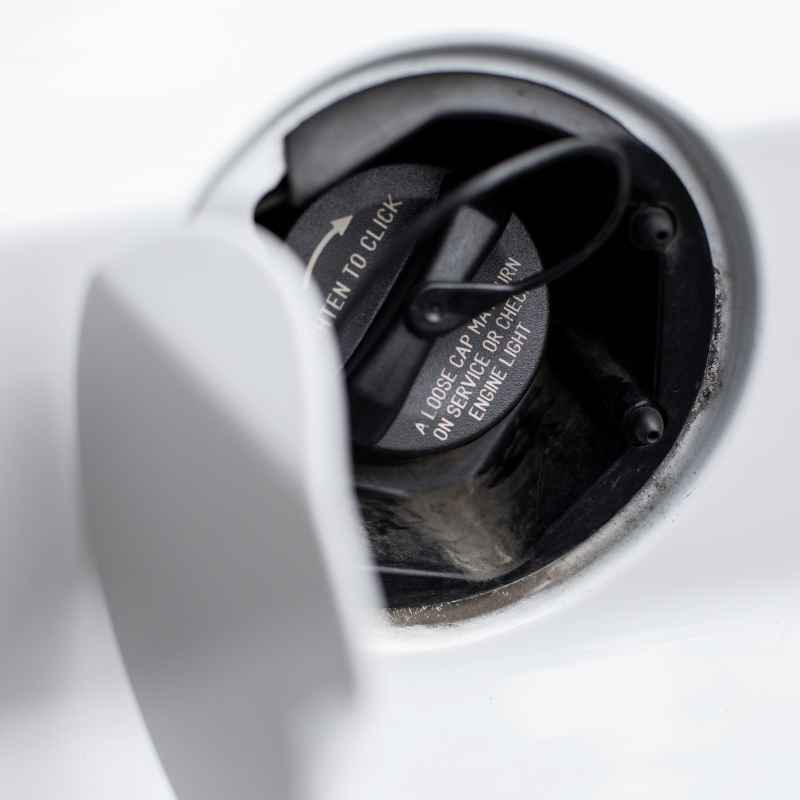
- Secure it When Open: If your car has a tether for the gas cap, use it. This prevents it from being lost or dropped.
Frequent Questions About Car Gas Caps
Why does my check engine light come on if my gas cap is tight?
While a loose gas cap is the most common cause, other issues can trigger the check engine light related to the fuel system. This might include a faulty purge valve, a cracked hose in the EVAP system, a leaking fuel tank, or a problem with the vapor canister. If tightening your gas cap doesn’t turn off the light after a few driving cycles, it’s time for a mechanic to diagnose the specific EVAP code.
How many times should I hear my gas cap click?
Most modern gas caps are designed to click multiple times when properly tightened. You should typically hear at least three to four clicks. This signifies that the seal is engaged and creating a secure closure.
If you don’t hear any clicks, or only one faint click, the cap might not be sealing correctly and could be damaged or the wrong type for your vehicle.
Can a faulty gas cap affect my car’s performance?
Yes, a faulty gas cap can indirectly affect your car’s performance. The primary way is by triggering the check engine light, which can sometimes put the car’s computer into a “limp mode” to protect the engine, reducing power. Also, if dirt or moisture enters the fuel tank through a bad seal, it can clog fuel filters or injectors, leading to rough idling, poor acceleration, or stalling.
How often should I replace my gas cap?
There’s no set mileage or time interval for replacing a gas cap. You should replace it if it shows signs of wear or damage. This includes a cracked cap, a brittle or torn rubber seal, or if it no longer clicks securely when tightened.
Many caps last the lifetime of the vehicle if they are not damaged.
What is the difference between a gas cap for a gasoline car and a diesel car?
Gas caps are designed differently for gasoline and diesel vehicles. Diesel fuel nozzles are typically larger than gasoline nozzles, and their fuel filler necks are wider. Therefore, a diesel gas cap is usually larger in diameter to fit the diesel filler neck.
Using the wrong type of cap could prevent a proper seal or even be a safety hazard.
Can I just leave my gas cap off if I’m only going a short distance?
It’s not recommended. Even for short distances, leaving the gas cap off exposes your fuel tank to dirt, debris, and moisture. It also allows fuel vapors to escape into the atmosphere, contributing to air pollution.
If you’ve forgotten to put it back on, pull over as soon as it’s safe and secure it properly.
Conclusion
Your car’s gas cap is a small but mighty part of its overall system. It keeps fuel vapors contained, protects your tank from contaminants, and plays a role in your car’s emissions control. Paying attention to this simple component can save you trouble.
Always ensure it’s tight and in good condition. It’s a tiny habit that leads to big benefits for your car and the planet.
Products related to this article
Sponsored / affiliate links. As an Amazon Associate I earn from qualifying purchases. I may earn additional commission from eligible campaigns.