Should You Turn Off Air Conditioning Before Turning Off Car?
You generally don’t need to turn off your car’s air conditioning (AC) before shutting off the engine. Modern car systems are designed to handle this. However, understanding how your AC works can help you use it wisely and prolong its life.
It’s more about good habits than a strict rule.
Your car’s AC is a pretty clever system. It uses a refrigerant to cool the air you feel inside. This refrigerant goes through a cycle.
It gets compressed, then cooled, then expanded, and then it absorbs heat from the cabin. This whole process needs power, which comes from your car’s engine.
When the engine is running, so is the AC compressor. This compressor is the heart of the system. It pumps the refrigerant around.
If you switch off the engine suddenly while the compressor is working hard, it’s like stopping a runner mid-stride. It’s not ideal.
Most car AC systems have a way to manage this. They often have pressure switches. These switches help protect the compressor.
They can shut it down if the pressure is too high or too low. This prevents damage. So, the car often does a decent job of protecting itself.
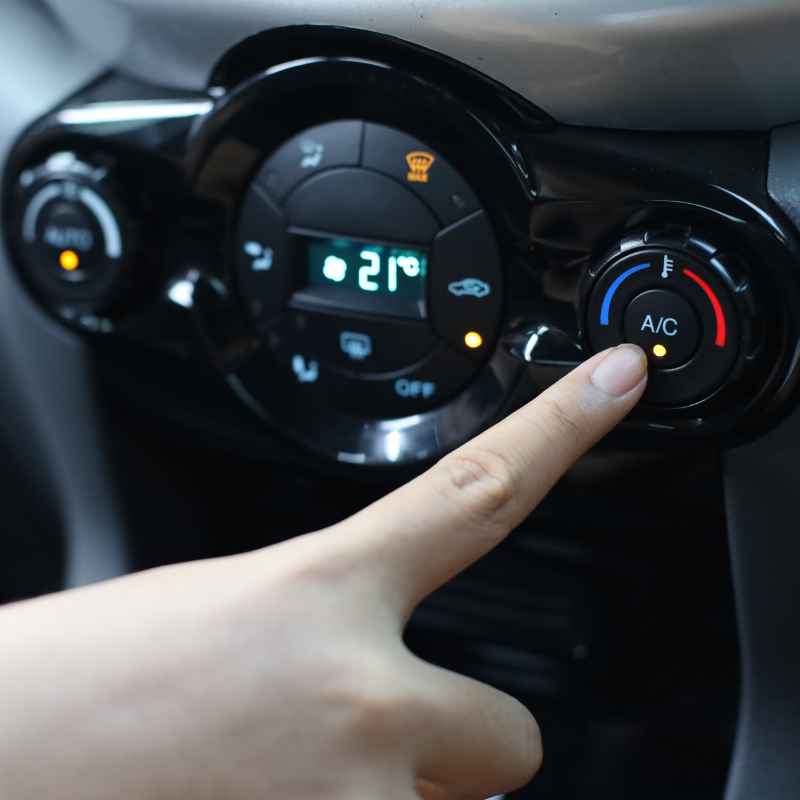
A Personal Story: The Day I Worried About My AC
I remember one sweltering summer day a few years back. I was running errands all afternoon. Each stop was just a few minutes long.
I’d get out of the car, run in, and then get back into the blast furnace. I started worrying. Was I doing damage?
I’d always been told to turn off the AC. So, I’d scramble to hit the button before turning the key off.
It felt like a small ritual. A way to show my car I cared. But it was also annoying.
I’d sometimes forget and then feel a pang of guilt. Was this simple step actually important? Or was it an old wives’ tale for cars?
I decided to look into it. I wanted to know the real deal.
The truth is, while it might not hurt to turn it off, it’s not always necessary. Modern cars are built tough. They expect you to use your AC.
Turning it off manually every single time can be a hassle. It might not even make a big difference in the long run for most cars.
AC System Components at a Glance
Compressor: The pump that circulates refrigerant. It uses engine power.
Condenser: Usually in front of the radiator, it cools the hot refrigerant.
Evaporator: Inside the car, it absorbs heat from the cabin air.
Refrigerant: The special fluid that carries heat.
Blower Motor: Pushes cool air into the cabin.
How Your Car’s AC Works When You Turn It Off
When you turn off your car’s engine, the power to the AC system is cut. This means the compressor stops spinning. The refrigerant stops circulating.
It’s a quick stop, but it’s usually a controlled one.
Think of it like this: the car knows the engine is about to stop. The electrical system usually manages the shutdown sequence. This includes stopping accessories like the AC compressor.
It’s not a violent halt. It’s more like a gentle power-down.
Some people worry about moisture building up. This can happen in the AC system. It can lead to smells.
Turning off the AC a minute or two before reaching your destination can help. This allows the system to warm up a bit. It helps dry out any moisture.
This is a good habit for preventing those musty smells.
AC Smells: What’s That Musty Odor?
Cause: Moisture trapped in the evaporator core. This leads to mold and mildew growth.
When it happens: Often after the AC has been running on a humid day. Small droplets of water can collect.
Prevention tip: Run the fan only (no AC) for a few minutes before you arrive. This helps dry things out.
Why Some People Still Advise Turning It Off
The advice to turn off the AC before the engine has been around for a long time. In older cars, AC systems were not as sophisticated. They might have been more prone to damage from sudden shutdowns.
Also, the idea of “saving wear and tear” is a common one. Every part in your car is subject to wear. Running the AC compressor puts a load on the engine.
Some believe that by turning it off, you reduce that load just before shutting down. This might slightly reduce wear on the compressor or engine belts.
It’s also about preventing a sudden jolt to the system. Imagine starting a complex machine and immediately stopping it. It’s not the smoothest action.
While modern systems are better, the old advice persists.
Myth vs. Reality: AC Shutdown Habits
Myth: You must turn off the AC before shutting off the engine or it will break.
Reality: Modern cars can handle engine shutdown with AC running. Sudden stops are not as damaging as they used to be.
Good Practice: Running the fan alone for a few minutes before arriving can help dry the system and prevent odors.
The Benefits of a Smart AC Routine
Even if you don’t have to turn off the AC, there are smart ways to use it. This helps keep it running well. It also makes your car more comfortable.
One good habit is to turn off the AC a few minutes before you reach your destination. This is especially true on hot, humid days. It lets the system dry out.
This prevents that musty smell from developing.
Another tip is to use the “recirculation” mode. This mode means the car is cooling the air already inside. It doesn’t have to work as hard to cool hot outside air.
This can save a little bit of fuel. It also helps the AC cool down faster.
When you first start your car on a hot day, you might want to open the doors for a minute. Let some of the super-hot air escape. Then, start the AC.
This helps it cool more efficiently from the start.
Quick AC Efficiency Tips
Recirculation Mode: Use it to cool cabin air faster and reduce engine load.
Crack the Doors: On very hot days, let hot air escape before starting the AC.
Regular Maintenance: Keep your cabin air filter clean. This helps airflow.
Scheduled Service: Have your AC system checked periodically for leaks or low refrigerant.
When It Might Be Better to Turn Off the AC
There are a few specific situations where turning off the AC might be a good idea. If you’re driving up a very steep hill or towing a heavy load, your engine is working extra hard. In these cases, turning off the AC can give the engine a little more power.
It can help prevent overheating.
If you notice strange noises coming from the AC system when you turn off the engine, it’s a sign to pay attention. This could mean there’s an issue with the compressor. You might want to turn it off manually in that case.
It’s best to have it checked by a mechanic.
Another time is if you’re really low on fuel and trying to stretch every last mile. The AC does use a bit of engine power. Turning it off can lead to a small fuel saving.
But for most daily driving, the difference is usually minor.
Situations to Consider Turning Off AC
Steep Hill Climbs: To give the engine more power.
Heavy Towing: Reduces engine strain.
Low Fuel Warnings: To maximize driving range slightly.
Strange AC Noises: If you hear odd sounds when shutting down the engine.
What Does This Mean for Your Car’s Longevity?
For most modern cars, the difference in longevity by turning off the AC manually is probably very small. Cars are designed to withstand the normal operations of their systems. The engineers who designed them account for the AC running when the engine is on and then shutting off with the engine.
What likely has a bigger impact on your car’s AC system is regular maintenance. This includes keeping the cabin air filter clean. It also means getting the refrigerant levels checked if the cooling performance drops.
A clean cabin air filter helps air flow smoothly through the AC system. A clogged filter makes the system work harder. This can reduce efficiency and put more strain on the blower motor.
Low refrigerant can mean a leak. Leaks can damage the compressor over time.
Key Factors for AC Longevity
Regular Maintenance: Follow your car’s service schedule.
Clean Cabin Air Filter: Replace it as recommended, usually yearly.
Check Refrigerant Levels: If cooling is weak, get it checked for leaks.
Avoid Extreme Strain: Don’t push the AC constantly in extreme heat for very long periods without breaks.
The Role of the Cabin Air Filter
Your cabin air filter is a small but mighty part of your car’s comfort system. It sits somewhere behind your dashboard. Its job is to clean the air that comes into your car.
This means it filters out dust, pollen, and other tiny particles.
When this filter gets clogged, air can’t flow freely. This makes your AC system work harder. It has to push air through a dirty, blocked filter.
This can reduce the cooling output you feel. It also puts extra strain on the blower fan motor.
Replacing the cabin air filter is often a simple DIY job. You can usually find it by looking in your car’s manual. Keeping it clean is one of the easiest ways to ensure your AC runs efficiently.
It’s a simple maintenance task that makes a big difference.
Cabin Air Filter: Signs It Needs Changing
Reduced Airflow: You feel less air coming from the vents.
Lingering Odors: Even after running the AC, smells remain.
Dusty Dashboard: More dust seems to settle inside the car.
Frequent AC Use: In areas with high pollution or pollen, filters clog faster.
When to Worry About Your Car’s AC
While you don’t need to obsess over turning off the AC, there are signs that your AC system might need attention. If your car stops cooling effectively, that’s the most obvious sign.
This could be due to low refrigerant levels. It could also mean the compressor is failing. If you hear grinding or squealing noises when the AC is on, it’s a red flag.
These sounds often point to a problem with the compressor or its clutch.
Another sign is if you notice your AC only works when you’re driving at higher speeds. This can indicate a problem with the condenser fan. The fan is supposed to cool the condenser even when you’re stopped or moving slowly.
Don’t ignore these signs. A small problem can become a much bigger, more expensive one if left unchecked. Regular check-ups can catch these issues early.
Troubleshooting Common AC Issues
Weak Cooling: Check cabin air filter, then refrigerant level. Could be a leak.
Strange Noises: Grinding or squealing often means compressor issues.
AC Only Works at Speed: Likely a faulty condenser fan.
Musty Smells: Dry the system; if persistent, might need cleaning or mold treatment.
Quick Fixes and Tips for AC Care
You don’t need to be a mechanic to take care of your car’s AC. Simple habits can go a long way. As mentioned, running the fan only for a few minutes before you arrive helps dry out the system.
Don’t blast the AC on its coldest setting immediately on a scorching hot day. Start with a moderate setting. Then, gradually lower it as the cabin cools.
This is gentler on the system.
Avoid letting the AC run constantly when the engine is off. This drains your car battery. While it might feel good to keep the car cool, it’s not recommended for battery health.
If you live in a climate with cold winters, consider running your AC for a few minutes once a month. This keeps the seals lubricated and prevents them from drying out. This is important for preventing refrigerant leaks.
Easy AC Maintenance Habits
Dry the System: Use fan-only mode before destination.
Gradual Cooling: Don’t shock the system with max cold on hot days.
Battery Saver: Avoid running AC with the engine off.
Winter Run: Activate AC briefly once a month in cold weather.

Frequently Asked Questions About Car AC
Do I need to turn off my car AC before turning off the engine?
Generally, no. Modern car AC systems are designed to handle the engine shutting off while the AC is still running. It’s not a critical step for most vehicles.
Why do some people say to turn off the AC first?
This advice often comes from older cars with less advanced systems. It was thought to reduce wear on the compressor and prevent sudden stress. While not strictly necessary now, some habits persist.
Can turning off the engine with the AC on damage my car?
It’s unlikely to cause significant damage in modern cars. The system has built-in protections. Sudden shutdowns aren’t as harmful as they once were.
What is the best way to prevent my car’s AC from smelling musty?
Running the fan only (without the AC on) for a few minutes before you turn off the engine can help dry out the evaporator. This prevents moisture buildup where mold can grow.
How often should I get my car’s AC system checked?
It’s a good idea to have it checked during your car’s regular maintenance schedule, perhaps once a year or every 15,000-20,000 miles. Pay attention if cooling performance drops.
Does using the AC use a lot more gas?
Yes, using the AC does increase fuel consumption. This is because the compressor requires engine power to run. The amount varies, but it can be noticeable, especially in very hot weather.
Final Thoughts on AC Habits
So, should you turn off your car’s air conditioning before shutting off the engine? For most modern cars, it’s not a hard rule you need to follow. The systems are built to handle it.
Focus on good habits like drying out the system to prevent smells and regular maintenance for overall health.
Products related to this article
Sponsored / affiliate links. As an Amazon Associate I earn from qualifying purchases. I may earn additional commission from eligible campaigns.