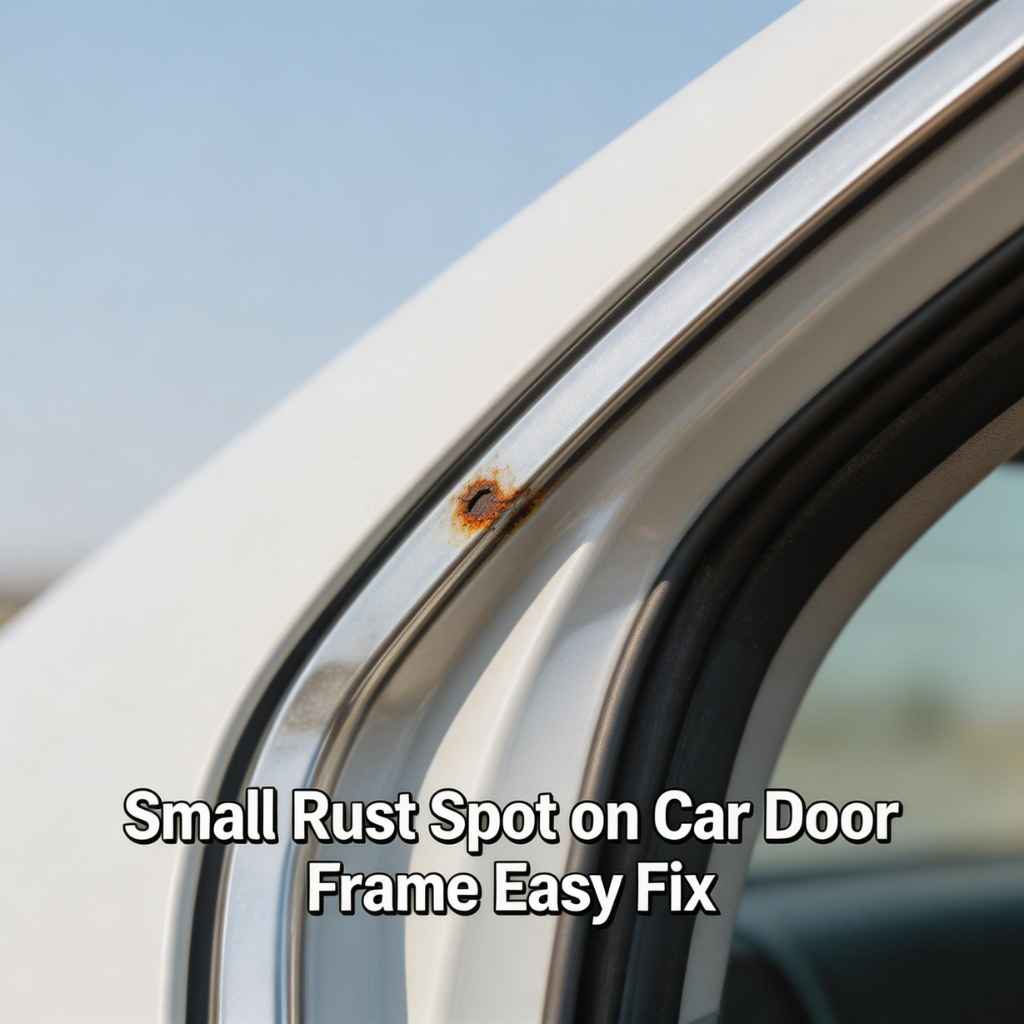
Small Rust Spot on Car Door Frame? Easy Fix
Seeing a tiny rust spot on your car door frame can be a bit worrying, especially if you’re new to car care. It looks small now, but rust can spread if you ignore it. Many folks find dealing with rust tricky because they don’t know where to start.
This guide makes it simple. We’ll walk you through how to tackle that Small Rust Spot on Car Door Frame? Easy Fix yourself, step by step.
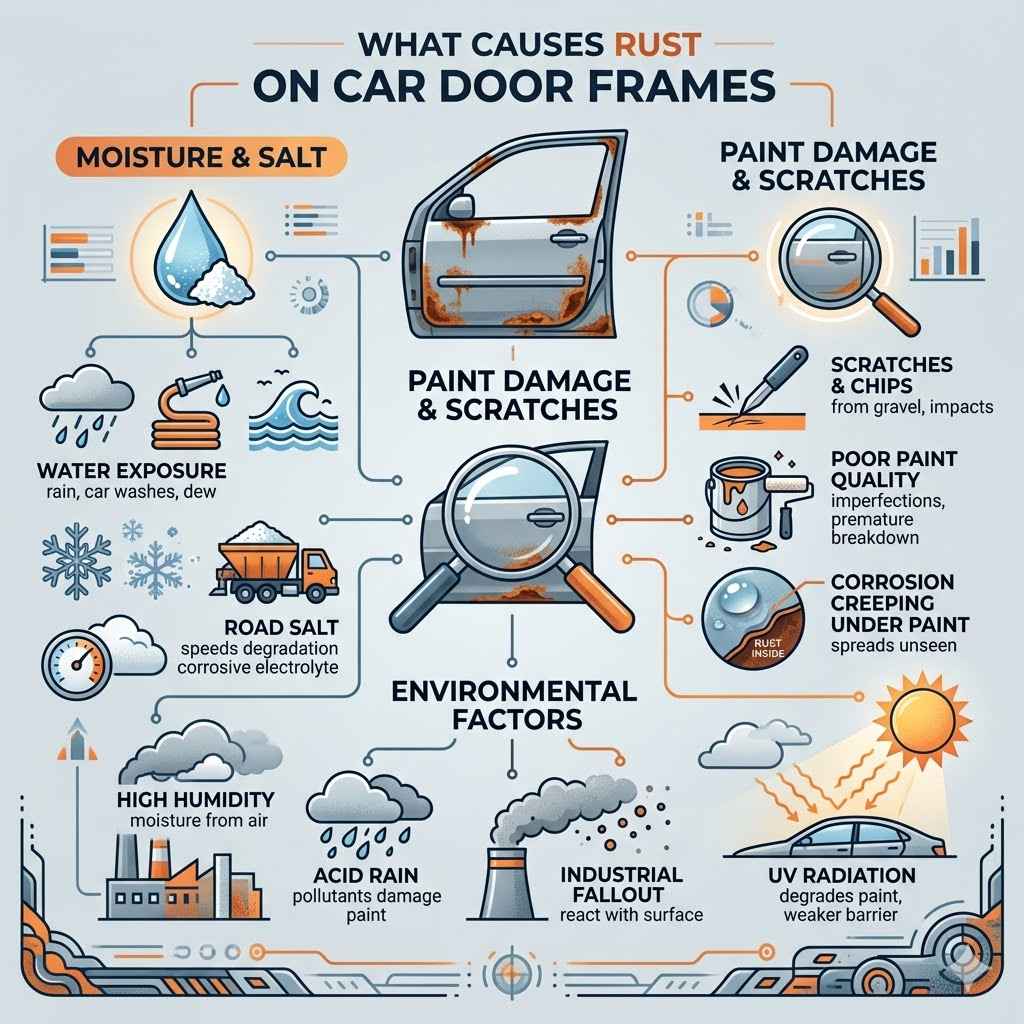
What Causes Rust on Car Door Frames
Rust, a common form of corrosion, happens when iron or its alloys, like steel, react with oxygen and moisture. This process is accelerated by certain conditions. On a car door frame, several factors can contribute to the formation of these unwelcome spots.
The Role of Moisture and Salt
Moisture is the primary culprit in rust formation. Water, especially when it contains dissolved salts, becomes highly conductive and speeds up the electrochemical reaction that causes rust. This is why cars driven in areas with heavy snowfall or near coastlines are more prone to rust.
Water exposure: Rain, car washes, or even dew can leave moisture on the car’s surface. If this moisture isn’t properly dried, it can sit on the metal and begin the rusting process.
Road salt: During winter, roads are often treated with salt to melt ice. This salt can splash onto your car, including the door frames. Salt is an electrolyte, meaning it makes water more corrosive.
It breaks down the protective layer on your car’s paint, exposing the metal underneath to faster degradation.
Humidity: High humidity levels in the air can also provide enough moisture for rust to form over time, even without direct water contact.
Paint Damage and Scratches
The protective paint layer on your car is its first line of defense against rust. Once this layer is compromised, the metal beneath is exposed to the elements.
Scratches and chips: Small nicks from gravel, parking lot incidents, or even car door impacts can break the paint. If these scratches reach the bare metal, rust can start to form in that localized spot. The area around the scratch is particularly vulnerable.
Poor paint quality: Sometimes, the original paint application might have imperfections or be of lower quality. This can lead to premature breakdown of the paint’s protective barrier.
Corrosion creeping under paint: Even if you don’t see a scratch, rust can sometimes start from a tiny imperfection and spread under the paint. You might notice a small bubble or a discoloration that indicates rust is forming beneath the surface.
Environmental Factors
Beyond salt and moisture, other environmental conditions can encourage rust.
Acid rain: Pollutants in the air can combine with rain to form acid rain. This acidic water can damage your car’s paint, making it easier for rust to take hold.
Industrial fallout: In areas with heavy industry, airborne particles can settle on your car and react with the paint or metal, leading to corrosion.
UV radiation: While not a direct cause of rust, prolonged exposure to strong UV rays can degrade the paint over time, making it weaker and more susceptible to damage that can lead to rust.
Assessing the Rust Damage
Before you start fixing a rust spot, it’s important to know how bad it is. This helps you choose the right repair method and materials. Different levels of rust require different approaches.
You don’t want to use a light touch for a deep problem, or go overboard for a minor issue.
Surface Rust
Surface rust is the most common and easiest type to fix. It usually appears as a reddish-brown discoloration on the paint. The metal itself is not yet deeply affected.
Appearance: You’ll see a light, powdery coating of rust on the very top layer of the paint or clear coat. It looks like a stain more than pitting.
Cause: Often caused by minor paint chips, scratches, or prolonged exposure to moisture without proper care.
Fixability: Easily removed with abrasive pads, compounds, or even mild rust removers. The paint and metal underneath are usually sound.
Scale Rust
Scale rust is more serious. It forms when surface rust has been left untreated and has started to eat into the metal. You might see bubbling under the paint.
Appearance: The rust will be thicker and may appear flaky. You might see small blisters or bubbles in the paint above the affected area, indicating rust is lifting the paint.
Cause: Usually a result of neglected surface rust that has had time to penetrate deeper into the metal.
Fixability: Requires more aggressive removal of the rust down to clean metal. This often involves sanding and potentially using a rust converter before repainting.
Penetrating Rust
This is the most severe type of rust. It has eaten completely through the metal, creating holes.
Appearance: You will see actual holes in the metal where the rust has consumed it. The edges of the hole might be rough and pitted.
Cause: Extensive neglect of surface and scale rust, allowing it to spread and weaken the metal structure.
Fixability: For small holes, it might be possible to patch with a rust repair kit or by welding. Larger holes may require replacing the entire panel or section of the car body.
For a Small Rust Spot on Car Door Frame? Easy Fix, you’re likely dealing with surface rust or very early stage scale rust. Always inspect the area closely.
Gently press around the spot. If the metal feels soft or you see bubbling, it’s gone beyond just a surface issue.
Tools and Materials for Rust Removal
To successfully remove a small rust spot, you’ll need a few basic tools and supplies. Having these ready will make the process smooth and efficient. This makes the repair process much less intimidating, even for beginners.
Essential Tools
These are the primary items you’ll need to physically remove the rust and prepare the area for repair.
Sandpaper: You’ll need a range of grits. Start with a coarser grit (like 80-120) to remove the rust and then move to finer grits (like 220-400) to smooth the surface. For a small spot, you might only need a couple of different grits.
Orbital Sander or Sanding Block: An orbital sander makes the job faster and easier, especially for larger areas. A simple sanding block works well for very small spots and allows for more control.
Wire Brush: A stiff wire brush, either by hand or attached to a drill, is excellent for getting into crevices and removing loose rust flakes.
Safety Glasses: Crucial for protecting your eyes from rust particles, dust, and debris. Rust removal can be messy.
Gloves: Protect your hands from chemicals, sharp edges, and dirt. Nitrile or latex gloves are good choices.
Mask: A dust mask or respirator will protect your lungs from inhaling fine rust particles and paint fumes.
Repair Materials
Once the rust is gone, you’ll need materials to protect the metal and restore the finish.
Metal Primer: A rust-inhibiting primer is essential. It will seal the bare metal and prevent future rust from forming. Look for primers specifically designed for automotive use and for bare metal.
Body Filler (Optional for very small spots): If the rust caused minor pitting, a small amount of automotive body filler might be needed to create a smooth surface before priming. For tiny spots, this might not be necessary.
Touch-Up Paint: You’ll need paint that matches your car’s color. You can get this from auto parts stores or dealerships. Make sure it’s the correct paint code for your vehicle.
Clear Coat: To protect the new paint and match the sheen of your car’s finish, a clear coat is usually needed.
Degreaser or Rubbing Alcohol: To clean the area thoroughly before applying primer and paint. This removes any oils or contaminants that could prevent proper adhesion.
Wax and Grease Remover: This is a specialized cleaner that ensures a perfectly clean surface for painting. Even fingerprints can interfere with paint adhesion.
It’s also helpful to have some clean rags or shop towels for cleaning and wiping. For very small rust spots, you might find a rust remover gel or spray useful, but mechanical removal is often more effective for ensuring all rust is gone.
Step-by-Step Guide to Fixing Small Rust Spots
Taking care of a small rust spot on your car door frame is achievable with these straightforward steps. This process is designed to be simple and effective, giving you a professional-looking result without needing advanced auto body skills.
Step 1 Cleaning and Preparation
Before you touch the rust, clean the entire affected area. This removes dirt and debris, so you can see the true extent of the rust and ensure your repair materials stick properly.
- Wash the area: Use car soap and water to wash the door frame. Rinse thoroughly and dry the area completely with a clean cloth or microfiber towel.
- Degrease: Apply a wax and grease remover to the surrounding paint and the rusted area. This removes any hidden contaminants that could ruin the repair.
- Inspect closely: Examine the rust spot to determine its size and depth. Note any bubbling paint, which indicates rust is spreading under the surface.
Step 2 Removing the Rust
This is the core of the repair. The goal is to remove all traces of rust down to clean, bare metal.
- Start sanding: Begin with coarse-grit sandpaper (e.g., 80-120 grit) to remove the bulk of the rust. If using a power sander, keep it moving to avoid overheating the metal or creating deep gouges.
- Use a wire brush: For tighter areas or stubborn rust, a wire brush (handheld or on a drill) can be very effective at scraping away rust flakes.
- Progress to finer grits: Once the rust appears gone, switch to finer grit sandpaper (e.g., 220 grit) to smooth the metal surface. You want a clean, uniform look.
- Clean and inspect: Wipe away all dust with a clean cloth. Inspect the area again under good light. If you see any signs of rust, repeat the sanding process.
This step is critical. If you leave any rust behind, it will likely return and spread. The metal should look bright and clean, with no red or brown discoloration.
Step 3 Applying Primer
Primer seals the bare metal and provides a good base for paint. It’s your next layer of defense against rust.
- Apply primer: Apply a thin, even coat of rust-inhibiting metal primer to the sanded area. Use a small brush or a spray can designed for automotive use.
- Allow to dry: Let the primer dry completely according to the product’s instructions. This usually takes 15-30 minutes.
- Lightly sand (optional): Once dry, you can lightly wet-sand the primed area with very fine-grit sandpaper (e.g., 400-600 grit) to create a super smooth surface. This helps the touch-up paint blend better.
- Clean again: Wipe the area with a clean cloth dampened with wax and grease remover.
Step 4 Applying Touch-Up Paint
This is where your car starts to look like new again. Patience here leads to a much better finish.
- Apply paint: Apply thin coats of your matching touch-up paint. Several thin coats are better than one thick coat, which can drip and look uneven.
- Drying time: Allow each coat to dry thoroughly. Check the paint manufacturer’s recommendations for drying times between coats.
- Build layers: Continue applying thin coats until the color matches the surrounding paint and the area is fully covered. You might need 2-4 coats depending on the paint.
Step 5 Applying Clear Coat
The clear coat protects the new paint and gives it that factory shine.
- Apply clear coat: Once the final coat of color paint has dried (usually 24 hours, but check instructions), apply a thin, even coat of clear coat.
- Multiple coats: Apply 2-3 thin coats of clear coat, allowing each to dry as per the product’s directions. This protects the color and adds depth.
- Curing: Let the clear coat cure fully. This can take 24-72 hours or even longer, depending on the product and environmental conditions. Avoid washing or waxing the area during this time.
Once fully cured, you can gently polish the area to help blend the new paint with the old. For a Small Rust Spot on Car Door Frame? Easy Fix, this process should restore its appearance and prevent further rust.
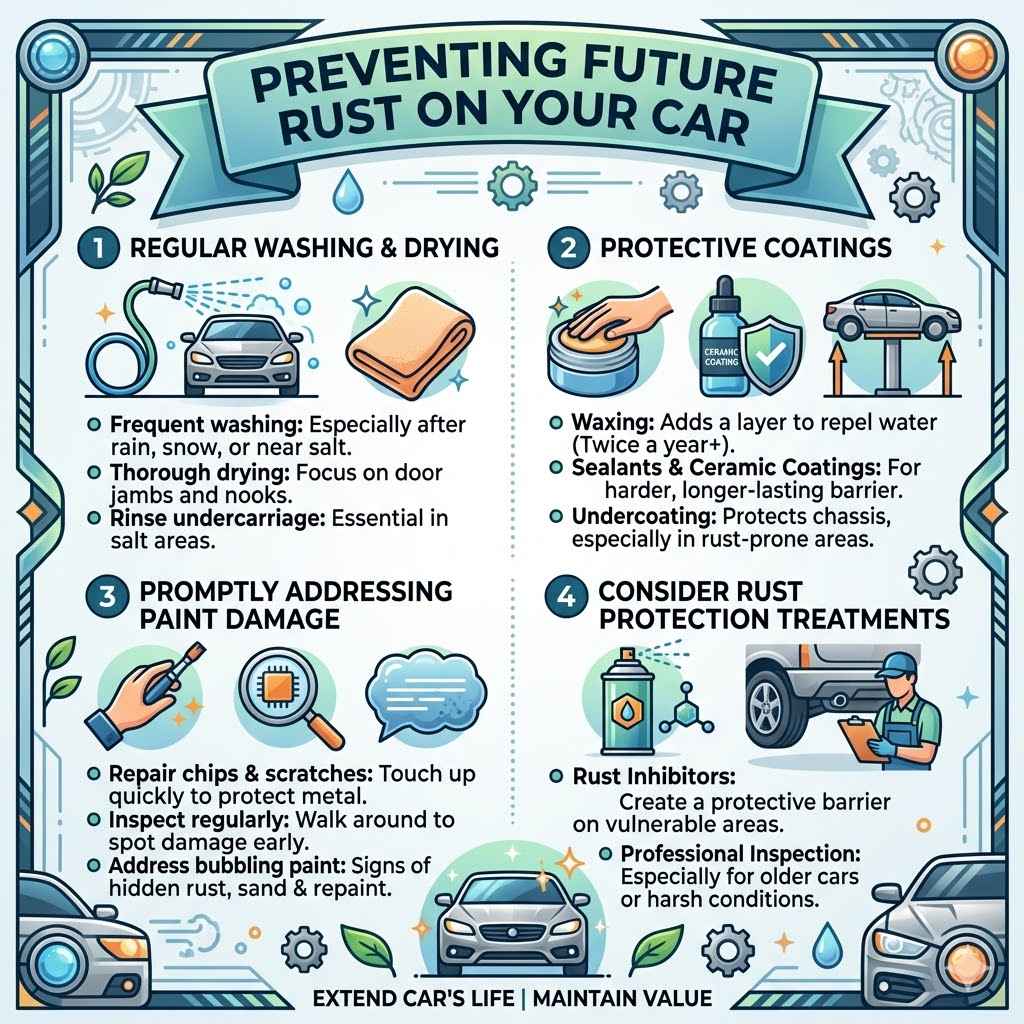
Preventing Future Rust on Your Car
After fixing a rust spot, the best strategy is to prevent more from forming. Regular maintenance and simple protective measures go a long way in keeping your car looking good and protecting its value.
Regular Washing and Drying
Keeping your car clean is the most basic yet effective way to combat rust. Wash away dirt, grime, and especially road salt that can eat away at your car’s paint.
- Frequent washing: Wash your car regularly, especially after driving in rain, snow, or near salty air. Pay attention to the undercarriage, wheel wells, and door frames.
- Thorough drying: After washing, dry your car completely with a soft towel. Get into all the nooks and crannies, like door jambs, where water can collect and promote rust.
- Rinse undercarriage: If you live in an area that uses road salt, consider a car wash that offers an undercarriage rinse, or do it yourself if possible.
Protective Coatings
Adding protective layers to your car’s paint creates a barrier against environmental damage.
- Waxing: Regularly waxing your car adds a layer of protection that repels water and contaminants. Aim to wax your car at least twice a year, more if you live in harsh conditions.
- Sealants and Ceramic Coatings: For longer-lasting protection, consider automotive paint sealants or ceramic coatings. These form a harder, more durable barrier than wax and can last for years.
- Undercoating: For areas prone to significant rust, consider an undercoating treatment applied to the car’s chassis. This adds a protective layer to the metal on the underside of the vehicle.
Promptly Addressing Paint Damage
Don’t let minor paint issues become major rust problems.
- Repair chips and scratches: As soon as you notice a paint chip or scratch, clean the area and touch it up with matching paint. This prevents moisture from reaching the bare metal.
- Inspect regularly: Make it a habit to walk around your car and inspect the paintwork for any new damage or potential rust spots.
- Address bubbling paint: If you see any paint bubbling, it’s a sign that rust is forming underneath. Address this immediately by sanding it out and repainting the area.
Consider Rust Protection Treatments
There are specific treatments available that can help prevent rust from forming or spreading.
- Rust Inhibitors: These products can be sprayed onto vulnerable areas to create a protective barrier. They are often used on older vehicles or in extreme climates.
- Professional Inspection: Periodically, especially if your car is older or has been exposed to harsh conditions, consider having a professional detailer or body shop inspect it for any signs of rust development.
By being proactive with these preventative measures, you can significantly extend the life of your car’s paint and bodywork, keeping that Small Rust Spot on Car Door Frame? Easy Fix mindset the norm.
Frequently Asked Questions
Question: How long does it take to fix a small rust spot?
Answer: For a small rust spot, the entire process from cleaning to the final coat of clear paint can take about 4-6 hours of active work, spread over 2-3 days to allow for proper drying and curing times between steps.
Question: Can I use regular household rust removers?
Answer: While some household rust removers might work on very light surface rust, it’s best to use automotive-specific rust removers or to mechanically remove the rust with sandpaper and wire brushes for a more reliable and lasting fix.
Question: Do I need to remove all rust down to bare metal?
Answer: Yes, it is crucial to remove all visible rust down to clean, bright metal. Any rust left behind will continue to spread under the new paint, causing the repair to fail over time.
Question: What happens if I don’t fix a small rust spot?
Answer: If left untreated, a small rust spot will grow larger and deeper. It can eventually compromise the structural integrity of the metal, leading to holes and more costly repairs.
Question: Can I paint over rust?
Answer: No, you should never paint over rust. Paint will not adhere properly to rust, and the rust will continue to grow underneath, causing the paint to bubble and peel. All rust must be removed first.
Summary
Tackling a small rust spot on your car door frame is totally doable. By cleaning thoroughly, sanding down to clean metal, using a good primer, and applying matching touch-up paint and clear coat, you can make the problem disappear. Remember to keep up with regular washes and waxes to prevent future rust issues.