Essential Tools for Detailing a Car Interior: Complete Buying Guide
The tools that matter most for a car interior are a portable vacuum, a detailing brush set for vents and crevices, microfiber towels, an all-purpose cleaner, and a leather or fabric conditioner – a handful of items cover nearly every surface inside a car.
Detailing a car’s interior well is less about scrubbing harder and more about having a tool shaped for the surface you’re cleaning. A dashboard vent, a stitched leather seam, and a carpet stain each need a different brush, cloth, or cleaner – using the wrong one is how people scratch trim or grind dirt deeper into fabric instead of lifting it out. Below is what actually gets used, category by category, along with the budget-versus-premium tradeoffs and one common “detailing tool” that doesn’t belong on an interior job at all.
What Tools Do You Actually Need to Detail a Car Interior?
At minimum: a vacuum with a crevice attachment, a soft-bristle detailing brush set, microfiber towels, an all-purpose interior cleaner, and glass cleaner. A steam cleaner and leather conditioner are worth adding if your car has cloth stains or leather seats.
All-In-One Starter Kit
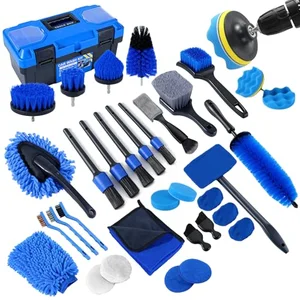 |
36-Piece Car Detailing Kit – $24.79 Covers most of the brush, dusting, and wheel-cleaning tools on this list in one storage case, so you are not buying ten separate items.
|
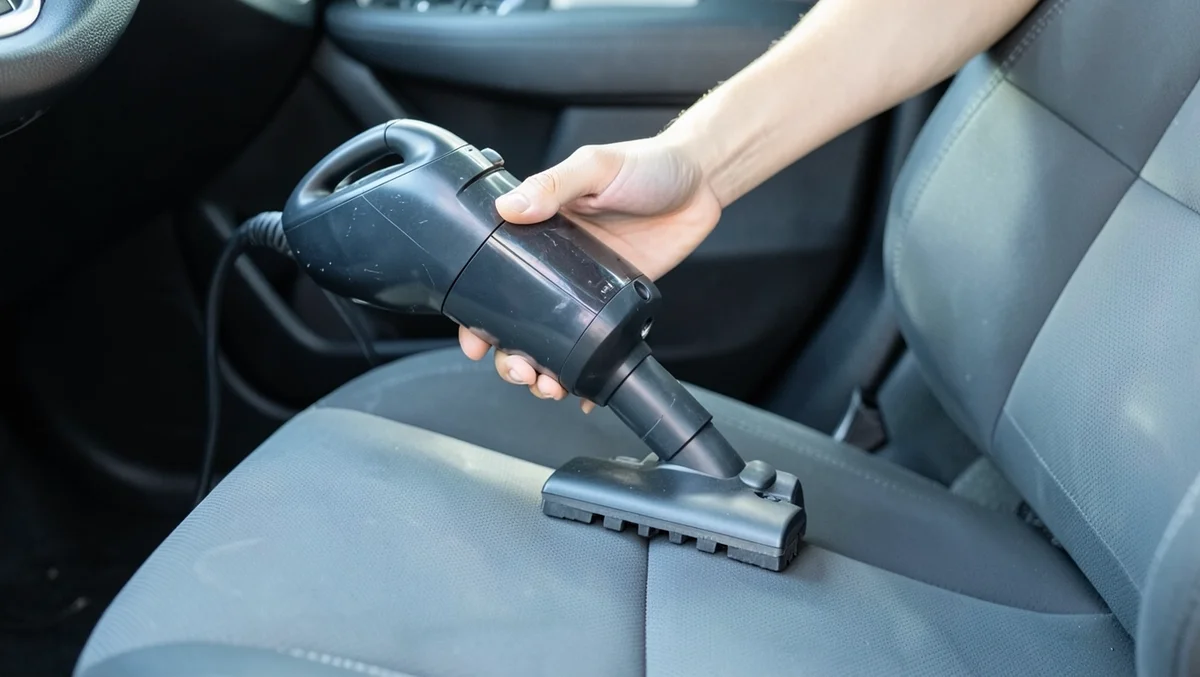
1. Portable Vacuum
This is the one tool that does the most work. A cordless handheld vacuum with a crevice tool and a brush attachment pulls crumbs, dirt, and pet hair out of seats, floor mats, and door pockets before anything else touches the surface. Vacuuming first matters because wiping a dirty seat with a damp cloth just grinds grit into the fabric instead of removing it.
2. Detailing Brush Set
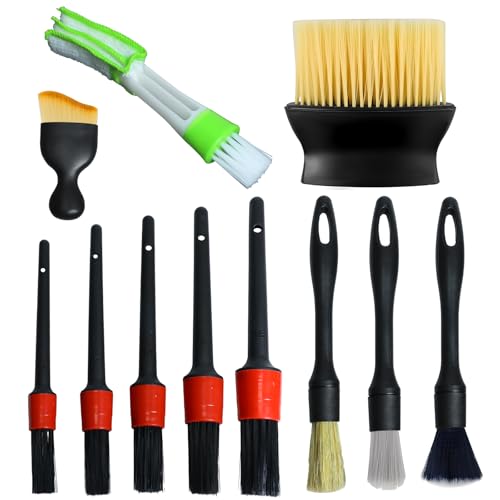
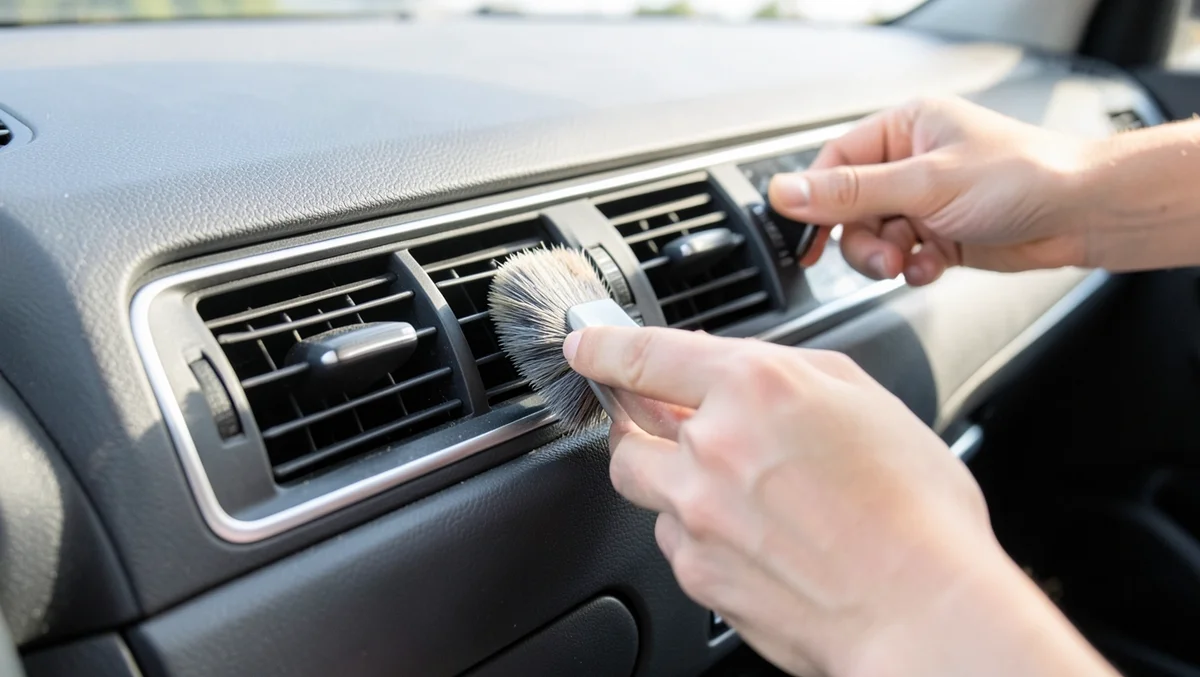
A set of small, soft-bristle brushes in different sizes gets into air vents, cupholders, badge emblems, and stitching – the tight spots a vacuum nozzle and a towel both miss. Boar’s hair or nylon bristles are soft enough for dashboards and leather; stiffer brushes are better saved for wheels and carpet, not interior trim.
3. Microfiber Towels
Buy several, and keep them separated by task. A towel used on glass cleaner will streak if it’s also been used with a dashboard protectant, and a towel used on a leather conditioner can leave residue on the next surface it touches. Most detailers keep at least three sets: one for glass, one for cleaning/wiping, one for applying protectant or conditioner.
4. All-Purpose Interior Cleaner (APC)
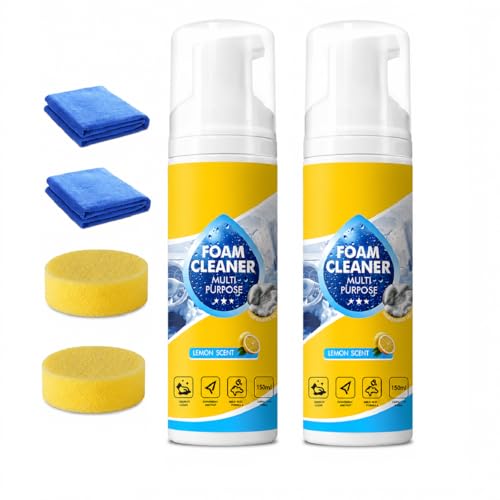
One cleaner that’s safe on plastic, vinyl, and fabric covers dashboards, door panels, center consoles, and cupholders without needing a separate product for each surface. Check the label before using it on leather specifically – most APCs are fine diluted, but a dedicated leather cleaner is gentler on stitched or aniline leather.
5. Glass Cleaner (Ammonia-Free)
Interior glass needs its own cleaner and its own cloth. Ammonia-based glass cleaners can damage window tint film over time, so an ammonia-free formula is the safer default for interior windows even if your windows aren’t tinted now.
6. Steam Cleaner (Optional, but Effective on Stains)
A handheld steam cleaner loosens ground-in dirt, cup rings, and odor-causing residue in fabric and carpet without soaking the material the way a liquid extractor does. It’s genuinely useful, but it’s also the tool most likely to cause damage if it’s used carelessly on leather.
If you’re using one on leather seats specifically: keep the nozzle moving, never hold steam on one spot for more than two or three seconds, and stay in the roughly 120–140°F range rather than maxing out the setting. Steam that’s too hot or held too long dries out and can crack leather. Apply a leather conditioner right after steaming, while the leather’s pores are still open – that follow-up step matters more than the steaming itself.
7. Upholstery and Carpet Brush
A separate stiff-but-not-wire brush (or a brush attachment made for fabric) works cleaner into carpet fibers and seat weave before you vacuum a second time. Skip wire brushes on fabric seats – they can pull and fray stitching.
8. Leather Conditioner
If your car has leather seats, a conditioner isn’t optional long-term maintenance – it’s what keeps leather from drying out and cracking, especially in cars that sit in direct sun. Cloth and cleaner alone remove dirt but don’t replace the oils leather loses over time.
9. Dashboard and Trim Protectant
A matte, non-greasy protectant applied to the dashboard and door panels after cleaning cuts down on UV fading and dust buildup between details. Avoid glossy “shine” formulas on the dashboard specifically – they can create glare on the windshield in direct sunlight, which is a real visibility issue, not just a cosmetic preference.
A Tool That Doesn’t Belong on This List
Some interior tool lists include a detailing clay bar. It doesn’t belong here: clay bar treatment is designed to pull embedded contaminants (tree sap, rail dust, brake dust, industrial fallout) out of exterior paint clear coat. It’s not made or intended for leather, fabric, or interior plastic, and using one on interior surfaces isn’t a standard or recommended practice. If you’re clay-barring anything, that’s an exterior-paint step, covered in a different guide, not an interior tool.
Budget vs. Premium: What’s Worth Upgrading
A basic brush set, a couple of microfiber towels, and an all-purpose cleaner will cost under $40 total and handle a monthly maintenance clean. Where spending more actually pays off is the vacuum (suction and battery life vary a lot between cheap and mid-range cordless models) and the leather conditioner (cheap conditioners are more likely to leave a greasy or overly glossy finish on seats). A steam cleaner is worth adding once, rather than upgrading repeatedly – a mid-range handheld model is usually enough for interior work and doesn’t need to match a commercial detailing shop’s equipment.
How Often You’ll Actually Use These Tools
- Vacuum, microfiber towels, APC: every wash, roughly every 1–2 weeks for a daily driver.
- Detailing brushes, glass cleaner: every full interior clean, roughly monthly.
- Steam cleaner, upholstery brush: as needed for stains, or every few months for a deeper clean.
- Leather conditioner, trim protectant: every 4–8 weeks, more often in high-sun climates.
For the full room-by-room cleaning process using these tools, see our step-by-step DIY car interior detailing guide. If you’re trying to decide whether to DIY at all versus pay a shop, our guide to what’s included in professional car detailing breaks down what a paid detail actually covers.
Frequently Asked Questions
What Tools Are Best for Car Interior Detailing?
A portable vacuum, a soft-bristle detailing brush set, microfiber towels, an all-purpose interior cleaner, and ammonia-free glass cleaner cover most of the job. Add a steam cleaner and leather conditioner if your car has leather seats or fabric stains.
Do I Need a Clay Bar to Detail a Car Interior?
No. A clay bar removes contaminants from exterior paint clear coat and isn’t designed or recommended for leather, fabric, or interior plastic. If you see one listed as an “interior” tool, that’s a mismatch — it belongs in an exterior detailing kit.
Can I Use a Steam Cleaner on Leather Seats?
Yes, if you keep the nozzle moving, avoid holding steam on one spot for more than two or three seconds, and stay around 120–140°F. Apply a leather conditioner right after steaming while the leather is still slightly open, since skipping that step is what actually dries out the leather.
What’s the Best Way to Clean Car Carpets?
Vacuum thoroughly first, work a carpet cleaner or diluted APC into the fibers with an upholstery brush, then blot — don’t soak — with a microfiber towel. Let the carpet dry fully before closing the car up to prevent mold or a lingering damp smell.
How Much Should a Basic Car Detailing Tool Kit Cost?
A basic set — brushes, a couple of microfiber towels, and an all-purpose cleaner — typically runs $25–$40. A more complete kit with a vacuum and steam cleaner added usually lands between $80 and $150.
How Often Should I Detail My Car’s Interior?
Vacuuming and a quick wipe-down every 1–2 weeks keeps daily grime from building up. A full detail — brushes, steam cleaning stains, conditioning leather — every 1–2 months is enough for most daily drivers.
Conclusion
You don’t need a professional-grade arsenal to detail a car interior well – a vacuum, a brush set, microfiber towels, and the right cleaner for each surface handle nearly everything. Spend a little more on the vacuum and leather conditioner if you use them often, skip tools built for exterior paint, and match the tool to the surface rather than reaching for one all-purpose brush for the whole car.
Products related to this article
Sponsored / affiliate links. As an Amazon Associate I earn from qualifying purchases. I may earn additional commission from eligible campaigns.