Toyota Avensis Bad Thermostat Signs Explained
Figuring out if your Toyota Avensis has a bad thermostat might seem tricky, especially if you’re new to car care. It’s like trying to understand a secret code your car is sending you! But don’t worry, it’s actually pretty straightforward once you know what to look for.
We’ll walk you through the clear indicators, making it easy to spot the problem and get your car running smoothly again.
What Is A Toyota Avensis Thermostat
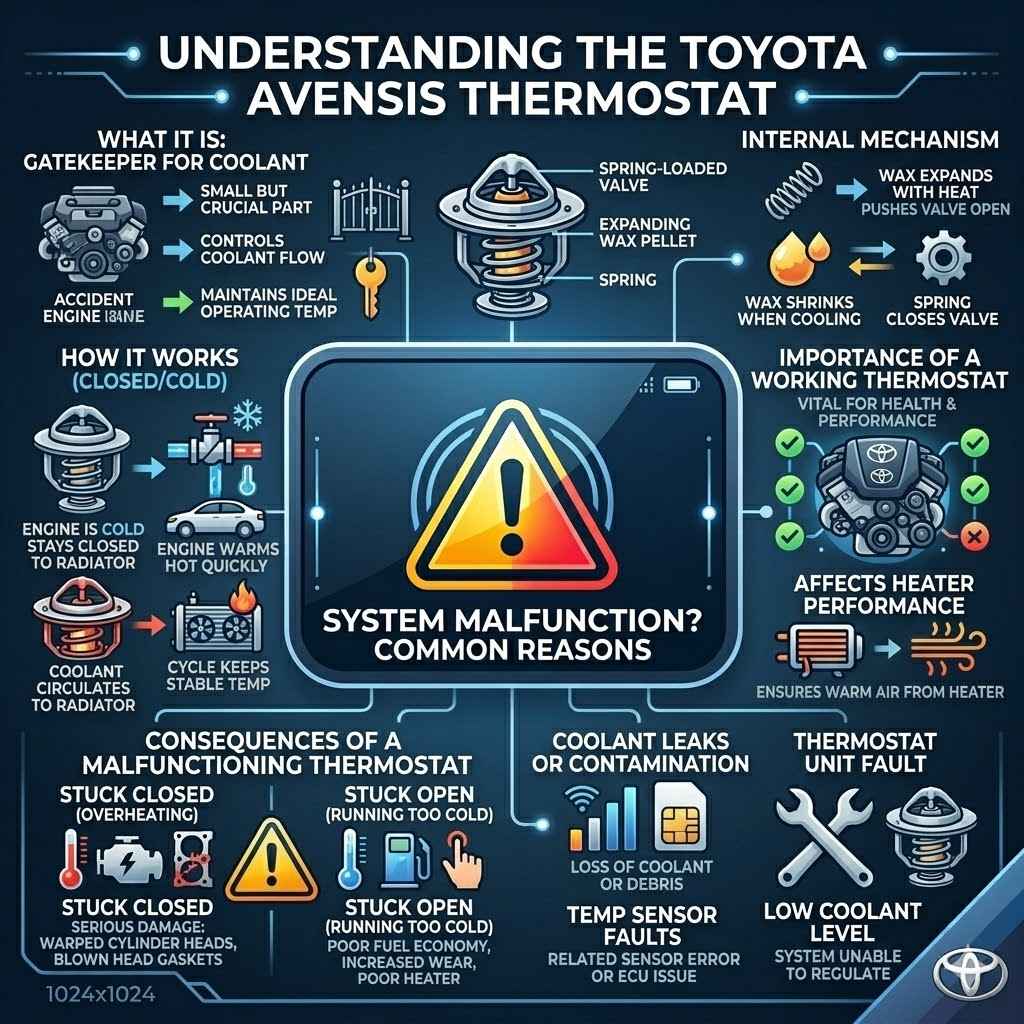
The thermostat in your Toyota Avensis is a small but very important part of your car’s cooling system. Think of it as a gatekeeper for coolant. Its main job is to control the flow of coolant to the engine, making sure the engine stays at its ideal operating temperature.
When your engine is cold, the thermostat stays closed. This stops the coolant from flowing to the radiator, allowing the engine to warm up quickly. This is important for efficiency and to reduce wear and tear.
Once the engine reaches its proper working temperature, the thermostat opens. It then lets the hot coolant flow to the radiator, where it gets cooled down before returning to the engine. This cycle keeps the engine from overheating or running too cold.
How The Thermostat Works
Inside the thermostat is a small pellet of wax. When the engine temperature rises, this wax expands. The expanding wax pushes on a spring-loaded valve, causing it to open.
This allows coolant to circulate.
When the engine cools down, the wax shrinks, and the spring pulls the valve shut again. This process is continuous, maintaining a stable engine temperature. A malfunctioning thermostat can either get stuck open or stuck closed, both leading to cooling system issues.
The Importance Of A Working Thermostat
A properly functioning thermostat is vital for your car’s overall health and performance. It ensures the engine operates within its optimal temperature range. This leads to better fuel economy and reduced emissions.
When the thermostat isn’t working right, the engine can either overheat or not reach its proper operating temperature. Both situations are bad for the engine. Overheating can cause serious damage, like warped cylinder heads or blown head gaskets.
Running too cold can also harm the engine, leading to increased wear and poor performance, and can even affect your heater’s performance.
Common Toyota Avensis Bad Thermostat Signs
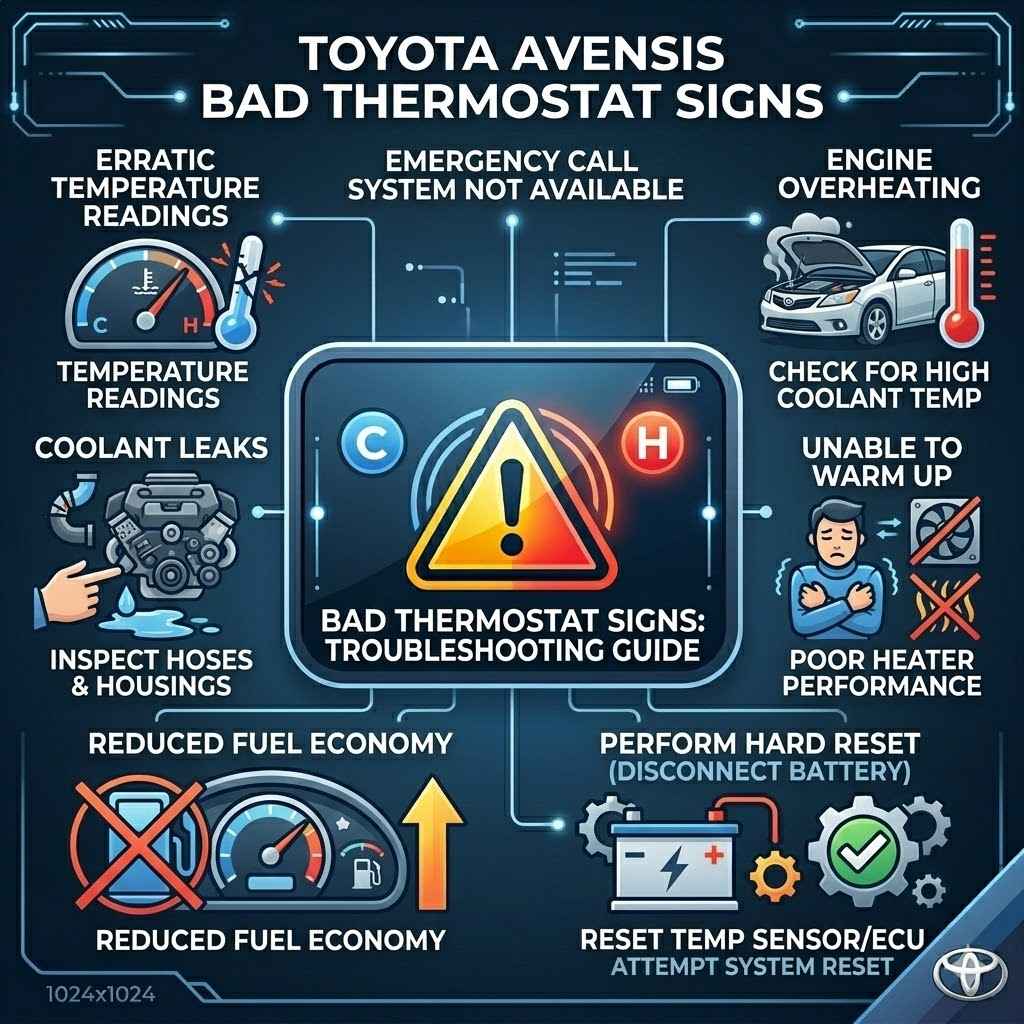
Spotting a bad thermostat in your Toyota Avensis often involves noticing changes in how your car behaves, especially regarding its temperature. These signs are usually quite noticeable if you pay attention. They often happen gradually, but can sometimes appear quite suddenly.
The most common indicators include your engine temperature gauge behaving strangely, unusual noises from under the hood, or problems with your car’s heating system. Sometimes, you might even see visible signs like coolant leaks. Recognizing these symptoms early can save you from bigger and more expensive repairs down the road.
Engine Temperature Gauge Issues
The most direct sign of a faulty thermostat is often seen on your car’s temperature gauge. This gauge tells you how hot or cold your engine is. If the thermostat is stuck closed, the engine will quickly overheat.
You’ll notice the temperature gauge climbing rapidly into the red zone. This means your engine is getting too hot, and you should stop driving as soon as it’s safe.
On the other hand, if the thermostat is stuck open, the engine might struggle to reach its normal operating temperature. The temperature gauge might stay on the low side, even after a long drive. This means your engine isn’t getting hot enough, which affects performance and fuel efficiency.
Overheating Engine
An overheating engine is a serious symptom. It happens when the thermostat fails to open, preventing coolant from circulating to the radiator. This traps heat within the engine.
You might see steam coming from under the hood, smell a burning odor, or notice the temperature warning light on your dashboard. Driving an overheating car can cause severe engine damage.
Real-life example: Sarah noticed her Toyota Avensis temperature gauge creeping up faster than usual on her commute. She ignored it for a day, and by the next morning, steam was pouring from under her hood. She had to have it towed and ended up with a costly repair bill for a blown head gasket, all because the thermostat was stuck shut.
Engine Not Reaching Optimal Temperature
If your thermostat is stuck in the open position, your engine will never get hot enough. This means the engine management system won’t run as efficiently as it should.
You might also notice that your car’s heater doesn’t blow hot air, even when the engine seems to have been running for a while. This is because the heater core needs hot coolant to warm the cabin, and if the coolant isn’t circulating properly, it won’t get warm enough.
Strange Noises From Under The Hood
Sometimes, a failing thermostat can cause unusual noises. These sounds can give you clues about what’s going on. It’s often linked to the cooling system struggling.
You might hear a ticking or clicking sound. This could be related to air pockets in the cooling system. Air can get trapped when coolant isn’t flowing correctly.
Another sound to listen for is a gurgling or bubbling noise. This often indicates that coolant is boiling or that there’s air moving through the system. Boiling coolant means the engine is overheating, and the thermostat isn’t doing its job to manage the heat.
Coolant Leaks
While not all coolant leaks are directly caused by the thermostat itself, a bad thermostat can contribute to them. If the engine is overheating due to a stuck thermostat, the increased pressure in the cooling system can cause hoses or seals to fail.
You might see puddles of coolant under your car, usually a bright green, pink, or orange color. This is a clear sign that your cooling system has a leak and needs immediate attention.
Scenario: John noticed small, colorful puddles forming under his Toyota Avensis after it had been parked. He also heard his engine fan running constantly. He checked the coolant level and found it low.
After taking it to a mechanic, he learned the thermostat was stuck open, causing the engine to run cooler, but the constant strain on the cooling system had weakened a hose, leading to a leak.
Poor Heater Performance
Your car’s heater relies on hot engine coolant flowing through a small radiator called the heater core. This coolant warms the air that blows into your cabin. If the thermostat is stuck open, the coolant might not get hot enough to provide effective heating.
This means you’ll get lukewarm or even cold air from your vents, even on a cold day. This is a classic sign that the engine isn’t reaching its optimal operating temperature because the thermostat is not functioning correctly.
Check Engine Light Illumination
Modern cars have sophisticated computer systems that monitor many engine functions. If your Toyota Avensis’s computer detects a problem with the engine’s temperature regulation, it will often turn on the “Check Engine” light.
A faulty thermostat can trigger codes related to engine temperature, such as “Engine Coolant Temperature (ECT) Sensor Circuit Range/Performance” or “Thermostat Malfunction.” Reading these codes with an OBD-II scanner can confirm if the thermostat is the likely culprit.
Troubleshooting And Replacing A Toyota Avensis Thermostat
Replacing a thermostat in a Toyota Avensis is a task that many DIY enthusiasts can tackle with some basic tools and guidance. It’s a common repair that can save you a significant amount of money compared to taking it to a professional mechanic.
The process generally involves draining some coolant, removing the thermostat housing, replacing the old thermostat with a new one, and then refilling and bleeding the cooling system. Safety is paramount, so always ensure the engine is cool before you start.
Tools And Parts Needed
To replace your Toyota Avensis thermostat, you’ll need a few essential items. Having these ready will make the job go much smoother.
- A new thermostat designed specifically for your Toyota Avensis model. It’s important to get the correct temperature rating.
- A new thermostat gasket or O-ring. These are crucial for a proper seal and to prevent leaks.
- A socket wrench set with appropriate-sized sockets to remove the thermostat housing bolts. Common sizes are 10mm or 12mm.
- Pliers to remove any hose clamps that might be in the way.
- A drain pan to catch the coolant. Make sure it’s large enough to hold the amount of coolant you’ll be draining.
- A funnel for refilling the coolant.
- Protective gloves and eye protection. Coolant can be harmful.
- Distilled water and the correct type of antifreeze/coolant for your Toyota Avensis. Check your owner’s manual for the specific type and mixture.
Step-By-Step Replacement Guide
Here’s a basic outline of how to replace the thermostat. Always refer to your vehicle’s specific repair manual for precise details.
- Ensure the engine is completely cool. This is a critical safety step to avoid burns from hot coolant.
- Locate the thermostat housing. It’s usually found where the upper radiator hose connects to the engine.
- Place your drain pan underneath the housing.
- Carefully loosen and remove the bolts holding the thermostat housing in place. There will be some coolant leakage.
- Remove the old thermostat. Note its orientation (which way it was facing) before removal.
- Clean the mating surfaces of the housing and the engine block to ensure a good seal for the new gasket.
- Install the new thermostat and gasket, ensuring it’s oriented correctly.
- Reattach the thermostat housing and tighten the bolts evenly and securely. Do not overtighten.
- Refill the cooling system with the correct coolant mixture.
- Bleed the air from the cooling system. This is important to prevent air pockets that can cause overheating. Run the engine with the radiator cap off (or expansion tank cap) and the heater set to high until the thermostat opens and coolant circulates. Top up as needed.
- Check for any leaks and monitor the engine temperature.
Draining And Refilling Coolant
Draining and refilling your Toyota Avensis’s coolant is a necessary part of thermostat replacement. Proper coolant levels and mixture are essential for the cooling system to work correctly.
To drain the coolant, locate the drain plug on your radiator (if it has one) or disconnect the lower radiator hose. Let all the old coolant drain into your pan. Dispose of old coolant responsibly, as it is toxic.
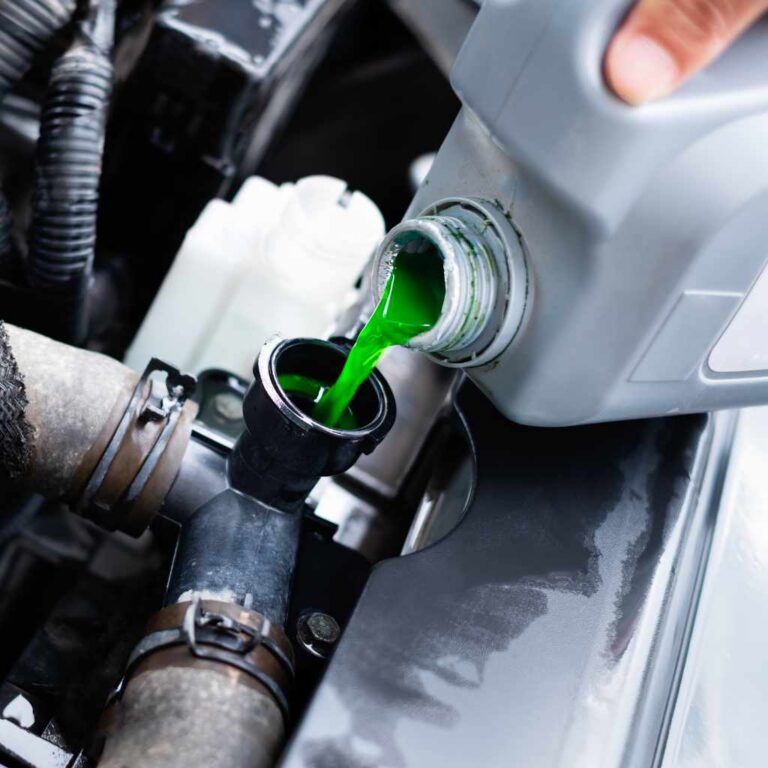
When refilling, use a 50/50 mixture of distilled water and the correct type of antifreeze for your Toyota. Slowly pour the mixture into the radiator or expansion tank until it reaches the recommended level.
Bleeding Air From The System
Bleeding the air out of the cooling system is a crucial step after replacing the thermostat and refilling the coolant. Air pockets can prevent proper coolant circulation, leading to overheating.
There are a few ways to bleed the system. One common method is to run the engine with the radiator cap off (or the expansion tank cap off, if applicable) and the heater set to its highest temperature and fan speed. As the engine warms up and the thermostat opens, air will be pushed out.
You’ll see bubbles in the coolant.
Keep adding coolant as needed until no more air bubbles appear and the coolant level remains stable. Then, safely replace the radiator cap.
Statistic: According to industry reports, about 30% of engine cooling system failures are related to improper coolant levels or air pockets in the system.
When To Seek Professional Help
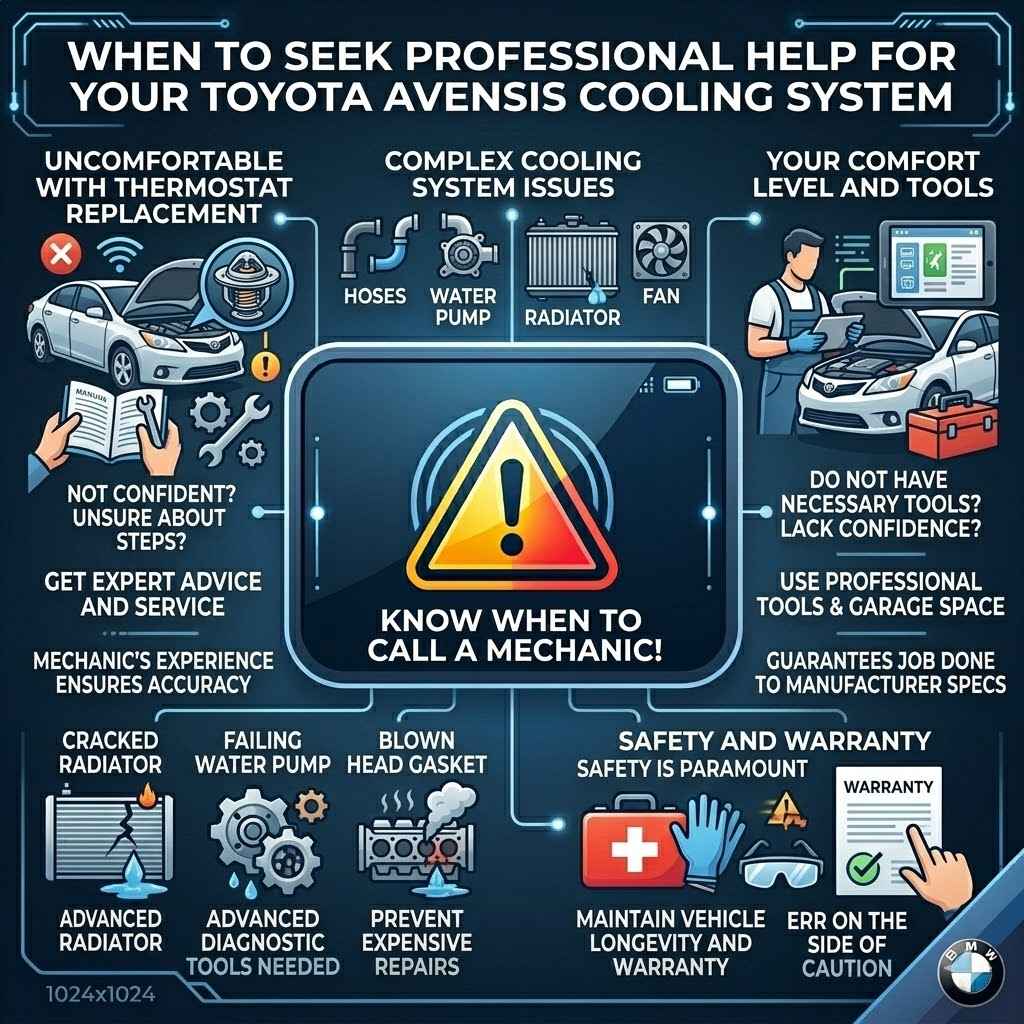
While many common car repairs can be done at home, some situations call for expert advice and service. If you’re not comfortable with the steps involved in replacing a thermostat or if you encounter unexpected problems, it’s always best to consult a professional mechanic.
Mechanics have specialized tools and extensive experience that can quickly diagnose issues and perform repairs efficiently. They can also ensure that the job is done to manufacturer specifications, which is important for your vehicle’s longevity and warranty.
Complex Cooling System Issues
Sometimes, the problem might not be as simple as a faulty thermostat. Your Toyota Avensis’s cooling system is made up of many parts, including hoses, the water pump, radiator, and fan. If you suspect a more complex issue, like a cracked radiator, a failing water pump, or a blown head gasket, it’s wise to seek professional help.
These issues often require more advanced diagnostic tools and specific repair techniques. Attempting to fix them without the proper knowledge can lead to further damage and more expensive repairs.
Your Comfort Level And Tools
Your personal comfort level with car maintenance is a key factor. If you don’t have the necessary tools, space, or confidence to perform the repair yourself, there’s no shame in taking it to a mechanic.
Safety is also paramount. Working with engine components and fluids can be dangerous if not done correctly. If you’re unsure about any step in the process, it’s better to err on the side of caution and seek professional assistance.
Frequently Asked Questions
Question: How long does a Toyota Avensis thermostat typically last
Answer: A thermostat in a Toyota Avensis can last anywhere from 50,000 to 100,000 miles, or roughly 3 to 5 years. However, this can vary based on driving conditions and maintenance.
Question: Can I drive my Toyota Avensis with a bad thermostat
Answer: It is not recommended to drive your Toyota Avensis for extended periods with a bad thermostat. If it’s stuck closed, the engine can quickly overheat and suffer severe damage. If it’s stuck open, your engine won’t run efficiently, and you may have heating issues.
Question: What is the cost to replace a thermostat on a Toyota Avensis
Answer: The cost can vary widely, but typically ranges from $150 to $400 for parts and labor at a professional shop. Doing it yourself can cost between $20 to $60 for the thermostat and gasket.
Question: Should I replace the thermostat and water pump at the same time
Answer: It’s often a good idea to consider replacing the thermostat when you replace the water pump, as they are both part of the cooling system and can be accessed at the same time, potentially saving on labor costs.
Question: How do I know if my coolant needs to be flushed
Answer: Coolant should typically be flushed and replaced every 30,000 to 60,000 miles, or as recommended in your Toyota Avensis owner’s manual. Signs that it needs flushing include a murky or rusty appearance, or if it has been a long time since it was last replaced.
Summary
Recognizing the signs of a bad thermostat in your Toyota Avensis is key to preventing engine damage and costly repairs. Watch for temperature gauge fluctuations, unusual engine noises, coolant leaks, poor heater performance, or a check engine light. Replacing it yourself is achievable with basic tools, or a mechanic can efficiently handle it.