Are Trucks More Reliable Than Cars? What the Data Shows
No, not automatically. Consumer Reports’ most recent reliability survey scores most full-size pickups in the 40s out of 100, well below sedans like the Toyota Camry and Honda Accord, which score in the 70s. At the same time, iSeeCars’ longevity research shows trucks and SUVs make up most of the vehicles that reach 200,000 miles or more. The honest answer depends on which kind of "reliability" you mean, and this guide breaks down both.
What Does Reliability Really Mean?
Reliability isn’t one single number. Researchers and owners usually mean one of two different things when they use the word. The first is short-term dependability: how many things go wrong in a given year, from a rattling infotainment screen to a failed sensor. The second is long-term durability: how many miles the vehicle can rack up before a major component, like an engine or transmission, gives out. A vehicle can score well on one and poorly on the other, which is exactly why trucks and cars end up ranked differently depending on which study you’re reading.
Build quality, maintenance history, driving conditions, and the specific model all factor in. Some vehicles are engineered with a wide margin of extra strength built into their major parts. Others are tuned tighter for weight and efficiency, which works fine as long as they’re maintained on schedule. Both approaches can produce a reliable vehicle; they just fail differently when neglected.
Why Trucks Are Built Tough
Trucks are engineered around towing and payload capacity, which shapes almost every major component. A half-ton pickup like the Ford F-150 or Chevrolet Silverado uses a body-on-frame chassis, a heavier-duty suspension, and a transmission built to handle sustained load, specifically because these trucks are rated to tow thousands of pounds. Those same parts are also why a well-maintained truck can cover 200,000-plus miles doing daily-driver duty without ever being pushed near its rated limits.
The catch is that a truck’s reliability outcome depends heavily on how it’s actually used. A pickup that spends its life towing a trailer, hauling gravel, or crawling over rocks wears its brakes, tires, and drivetrain components faster than one used mostly for commuting. So "built tough" describes the engineering margin, not a guarantee that every truck on the road is problem-free.
Cars and Their Case for Consistency
Passenger cars are engineered for a different job: efficient, comfortable daily transportation rather than towing or off-road capability. Models like the Toyota Corolla, Honda Civic, and Mazda3 are built on lighter unibody platforms with smaller engines, which means there’s less mass and less strain on the drivetrain during normal driving.
Because cars carry lighter loads and use simpler running gear, they typically need less frequent brake and tire service than a truck doing the same mileage, and their maintenance bills tend to be smaller too. Their unibody construction is also more efficient at absorbing crash energy in an accident, though it’s less forgiving than a body-on-frame truck when it comes to hauling or repeated heavy loads.
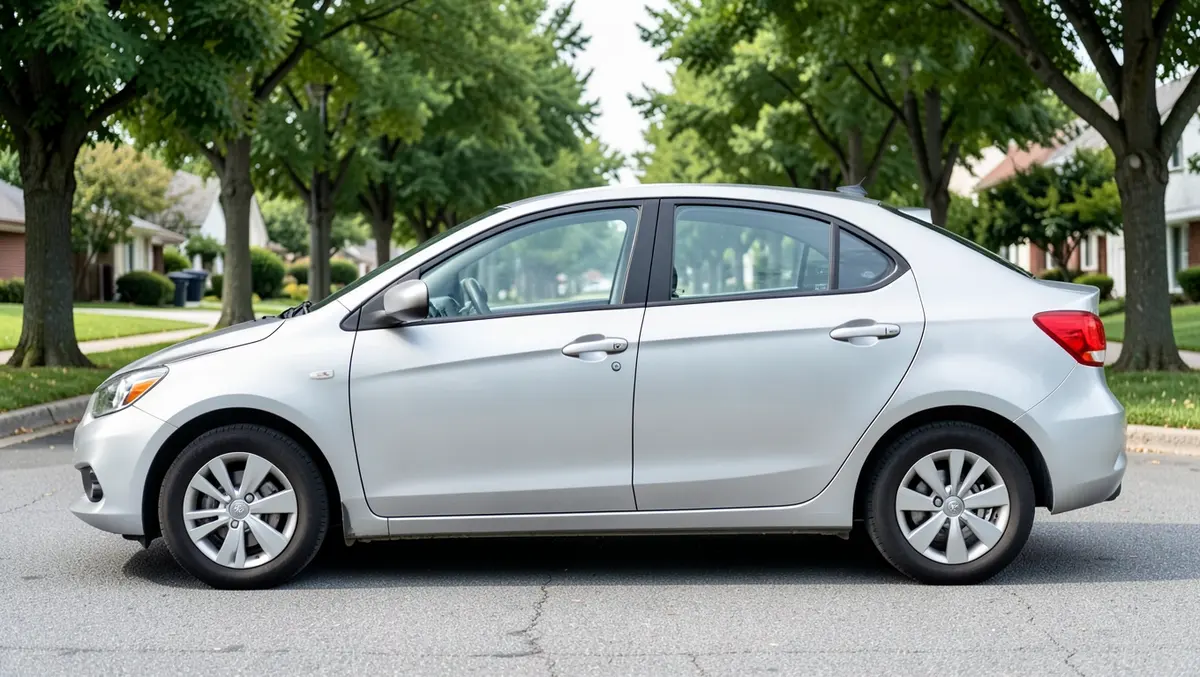
Comparing Build Quality: Trucks vs. Cars
Here’s how the two vehicle types typically compare on the components that drive reliability outcomes.
| Aspect | Trucks | Cars |
|---|---|---|
| Frame | Body-on-frame construction, built for durability and heavy loads. | Unibody construction, lighter but less rugged for extreme tasks. |
| Suspension | Heavy-duty, designed for towing and off-roading. | Lighter suspension, tuned for comfort and fuel efficiency. |
| Engines | Larger engines (often V6 or V8), more stress under heavy use. | Smaller engines (often 4-cylinder), less strain during normal driving. |
| Transmission | Robust and towing-rated, but more complex and costly to repair. | Simpler automatic or CVT units, typically cheaper to maintain. |
Trucks are overbuilt for toughness, and that extra weight and complexity is exactly what makes their parts more expensive to service. Cars are lighter and mechanically simpler, which usually means fewer things to go wrong under normal use, but a car’s unibody frame is also more likely to sustain structural damage than a truck’s frame in a serious collision.
What Do the Real Reliability Studies Actually Say?
This is the part most articles skip. Consumer Reports’ annual reliability survey, based on data from owners about problems in the past year, has consistently scored full-size pickups below average. In its most recent full-size truck rankings, the Ford F-150 scored 43 out of 100, the Toyota Tundra scored 41, the Chevrolet Silverado and GMC Sierra scored around 40, and no full-size truck scored above average. By comparison, the Toyota Camry and Honda Accord, two of the best-selling midsize sedans, have scored in the 70s in the same survey.
iSeeCars’ longevity study tells a different story, because it’s measuring something different: how many vehicles actually reach very high mileage before being retired. In that data, the Ford F-350 Super Duty had a 49.1% predicted chance of reaching 250,000 miles, more than four times the industry average of 11.8%, and trucks and SUVs dominated the list of vehicles most likely to go the distance. Only 8.6% of cars overall are predicted to reach 250,000 miles or more.
Both studies can be true at once. A heavy-duty truck’s oversized engine and drivetrain are built to survive decades of hard use, which is why they show up so often on high-mileage lists. But the same trucks, especially half-ton and light-duty models loaded with touchscreens and driver-assist software, generate more reported problems year to year, which is what drags down their Consumer Reports score. J.D. Power’s Vehicle Dependability Study reaches a similar conclusion: reliability now tracks brand and model far more closely than it tracks whether a vehicle is a truck or a car, with Toyota consistently ranking at or near the top of both categories.
Maintenance: The Key to Longevity
Whatever a vehicle’s engineering margin, maintenance is still the biggest factor in how long it lasts. A truck or car that’s serviced on schedule can run for decades; one that’s neglected can fail early regardless of how tough it was built.
Trucks generally need more frequent brake and tire service because they carry and tow heavier loads, and oil change intervals should be shortened for trucks driven in dusty, hot, or heavy-towing conditions. Following the manufacturer’s recommended oil change schedule matters just as much on a car, since skipping something like a timing belt replacement can lead to catastrophic engine damage on an interference engine.
The practical takeaway is simple: follow the maintenance schedule in the owner’s manual, not a generic interval you saw online, and keep records of every service. Catching a small issue early is almost always cheaper than repairing the failure it would have caused.
Brand Matters: Who Makes the Most Reliable Vehicles?
Not every truck or car from the same category performs the same way. Among trucks, Toyota’s Tacoma and Tundra have a strong reputation for long-term durability even though, as noted above, full-size trucks as a class score below average on Consumer Reports’ year-to-year problem survey. Ford’s F-150 and Chevrolet’s Silverado are the other perennial reliability leaders in the segment.
Among cars, Toyota and Honda dominate reliability rankings almost every year. The Corolla and Civic have built their reputations on simple, well-proven mechanicals, and Mazda and Subaru also score consistently well, particularly on their all-wheel-drive models. On the other end of the spectrum, some luxury brands and low-volume truck models struggle with both reliability scores and parts availability, so sticking with a brand that has a long track record is the safest bet if reliability is the priority.
Driving Habits and Their Impact
How a vehicle is driven affects its lifespan as much as how it was built. Trucks used for towing, off-roading, or hauling heavy loads put more sustained stress on the engine, transmission, and brakes, which can shorten component life if the vehicle isn’t maintained to match that duty cycle. A truck used mainly for light commuting, by contrast, faces roughly the same wear pattern as a car.
Cars are usually driven in less demanding conditions, but bad habits, like ignoring warning lights, skipping scheduled maintenance, or repeatedly overloading a small vehicle beyond its rated cargo capacity, can undercut a car’s reliability just as much as overworking a truck. Smooth acceleration and braking reduce wear on any vehicle, regardless of body style.
Cost of Ownership: Repairs and Upkeep
Reliability isn’t just about whether something breaks, it’s also about what it costs when it does. Trucks are generally more expensive to maintain because their parts are physically larger: a set of truck tires commonly runs $600 to $900, compared to roughly $400 for a typical sedan’s tires, and a heavy-duty transmission replacement can cost thousands more than the equivalent job on a car.
Cars aren’t immune to expensive repairs either, particularly once they’re loaded with adaptive cruise control, advanced driver-assist systems, or premium infotainment hardware. On the value side, trucks like the Toyota Tacoma tend to hold their resale value better than most sedans, which can offset some of their higher day-to-day running costs over the life of the vehicle.
What Long-Term Ownership Data Shows
Reliability surveys increasingly point to the same root cause behind most complaints, on trucks and cars alike: software and electronics, not the engine or transmission. Touchscreen glitches, driver-assist false alerts, and over-the-air update problems have become the most common sources of reported issues in both J.D. Power’s and Consumer Reports’ recent studies, more so than mechanical failures.
That shift matters for how you should read any reliability ranking. A truck or car with a simpler, less feature-heavy trim level, especially an older model year, will often generate fewer complaints than a loaded version of the same vehicle, purely because there’s less electronics content to malfunction.
Technology and Reliability: A Double-Edged Sword
Modern trucks and cars are both packed with the same categories of technology, from lane-keeping assist to touchscreen infotainment, and that convergence is part of why vehicle category matters less than it used to. A loaded Ford F-150 Limited carries roughly as much electronics content as a luxury sedan, and it can develop the same kinds of glitches.
The practical fix, if unreliable electronics worry you more than mechanical wear, is to choose a base or mid-level trim with fewer driver-assist and infotainment features rather than avoiding trucks or cars outright. Simpler vehicles, of either body style, consistently generate fewer reported problems.
Which Is Right for You?
So, are trucks more reliable than cars? It depends on which measurement matters to you. If you need a vehicle that can survive decades of towing, hauling, or off-road use, a truck’s engineering margin gives it the edge on raw durability. If you want the fewest reported problems year to year and the lowest running costs for daily commuting, a well-reviewed sedan is usually the safer bet.
Reliability and safety are related but separate questions; if crash protection is also a factor in your decision, see how trucks and cars actually compare on safety data before you decide.
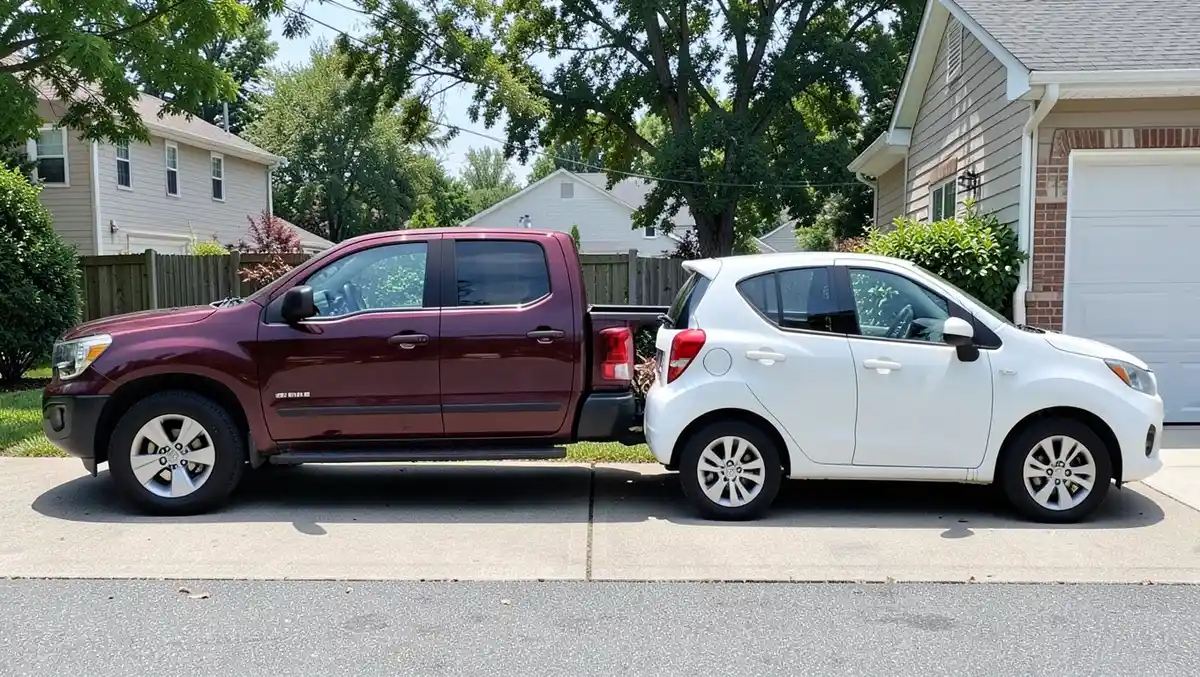
Conclusion: Making the Right Choice for You
There’s no single answer to whether trucks are more reliable than cars, because the two vehicle types are engineered for different jobs and reliability studies measure different things. Trucks lead on long-term durability under heavy use; cars tend to lead on day-to-day dependability and lower running costs. Pick the one that matches your actual use case, stick with a brand that has a strong track record, and follow the maintenance schedule, and either one can last well past 200,000 miles.
FAQs
Are trucks more expensive to maintain than cars?
Generally, yes. Truck parts, like tires and brakes, are physically bigger and cost more to replace: a set of truck tires commonly runs $600 to $900, versus roughly $400 for a sedan’s tires. Major repairs, like a transmission replacement, also tend to cost more on a truck due to its heavier-duty components. That said, cars loaded with advanced tech features can rack up their own expensive repair bills.
Which brands make the most reliable trucks?
Toyota, Ford, and Chevrolet consistently rank among the strongest truck brands for long-term durability. The Toyota Tacoma and Tundra have a reputation for high-mileage reliability, and the Ford F-150 and Chevy Silverado are the other perennial leaders. It’s worth noting that Consumer Reports’ year-to-year problem surveys still score most full-size trucks below average overall, so no truck should be assumed problem-free.
Can a car be as durable as a truck?
Yes, for daily driving. Models like the Toyota Corolla and Honda Civic routinely pass 200,000 miles with basic maintenance. They aren’t built for heavy towing or off-roading like trucks, but for commuting or light use, their simpler mechanicals can make them just as reliable, or more so, in day-to-day ownership.
Does how I drive affect my vehicle’s reliability?
Yes. Aggressive acceleration and hard braking wear out parts faster on both trucks and cars, and towing or hauling heavy loads adds extra stress on a truck’s engine, transmission, and brakes. Smooth driving combined with regular maintenance is one of the biggest factors in any vehicle reaching 200,000 miles or more.
Are older trucks or cars more reliable than new ones?
Often, yes, in the sense that older vehicles have simpler designs with fewer electronics to fail. Recent reliability surveys show that touchscreen glitches and driver-assist software issues, not engine or transmission failures, are now the leading source of reported problems on both new trucks and new cars. Newer vehicles do offer better safety technology and fuel efficiency in exchange.
Why do some studies say trucks are less reliable than cars?
Because different studies measure different things. Consumer Reports surveys owners about problems reported in the past year, and on that measure, most full-size trucks score below average, often due to electronics and infotainment complaints. iSeeCars instead measures how many vehicles reach very high mileage, and on that measure, trucks and SUVs dominate the list. A truck can score poorly on one study and lead the other at the same time.
Products related to this article
Sponsored / affiliate links. As an Amazon Associate I earn from qualifying purchases. I may earn additional commission from eligible campaigns.