Are Trucks Safer Than Cars? What 2026 IIHS Data Shows
Yes, if you are the one behind the wheel — but no if you are driving next to one. A 2026 IIHS study of U.S. crash data found pickup truck drivers face a noticeably lower death rate than car drivers, largely because a heavier, taller vehicle protects the people riding inside it. That same size gap is exactly what makes the biggest pickups far more dangerous to everyone else on the road, and it raises rollover risk for the truck occupants themselves in a way that raw mass cannot offset.
What the 2026 IIHS Data Actually Shows
The Insurance Institute for Highway Safety tracks driver death rates by vehicle model, using fatal crash data from 2021 through 2024 for 2023 model-year vehicles. The study measures two separate things: how often a vehicle’s own driver dies, and how often that vehicle kills the driver of the other car in a crash. Those two numbers tell almost opposite stories.
| Metric (per million registered vehicle-years) | Cars | Pickup trucks |
|---|---|---|
| Average driver death rate | ~48 | ~29 |
| Average other-driver death rate | as low as ~11 (small sports cars) | up to ~121 (very large pickups) |
| Highest single-model other-driver rate | — | Ram 3500 Crew Cab Long Bed 4WD: 204 |
In plain terms: a driver behind the wheel of an average pickup is statistically safer than a driver in an average car. But ten of the twenty vehicles with the worst other-driver death rates in the study were pickup trucks, most of them large or heavy-duty models. Size protects whoever is inside the bigger vehicle, and it does that at the direct expense of whoever it hits.
Why Trucks Protect Their Own Occupants Better
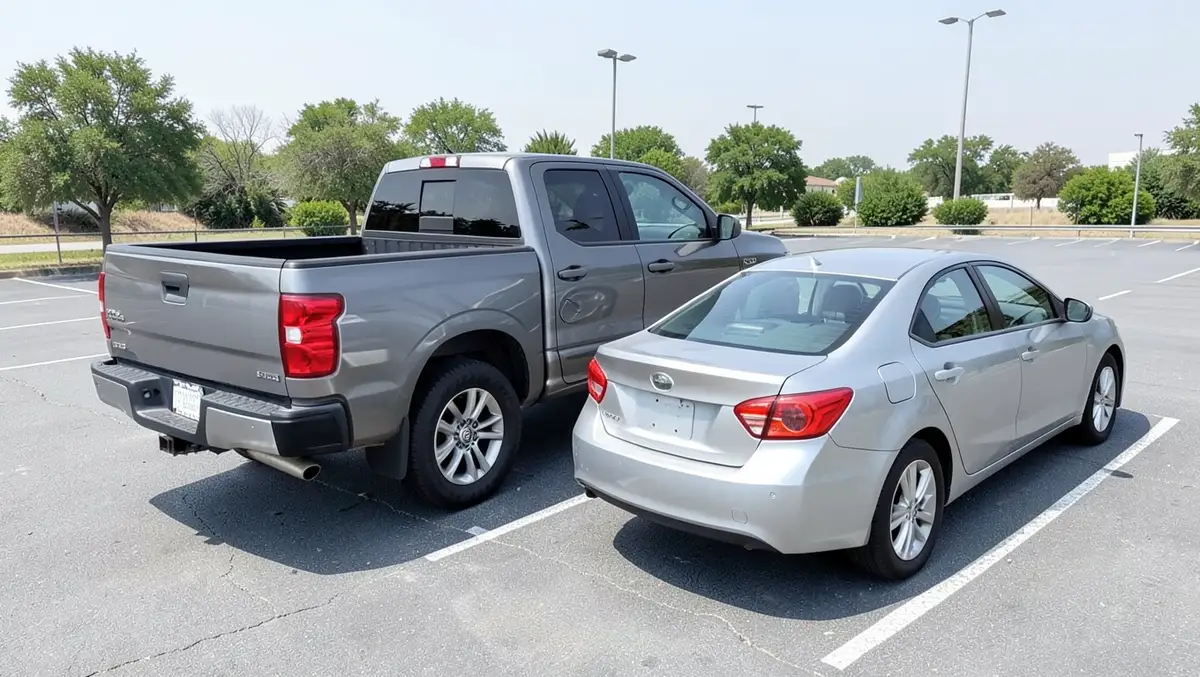
A pickup’s advantage in a crash comes down to physics, not marketing. In a two-vehicle collision, the heavier vehicle transfers less of its own kinetic energy to its occupants and pushes more of that energy into the lighter vehicle. A full-size truck can easily outweigh a compact car by 1,500 to 2,000 pounds, and that gap alone accounts for much of the driver death rate difference IIHS measured. Reinforced frames, tall crumple zones, and a raised seating position that keeps a truck cab further from most impact points all add to that advantage.
Higher seating also improves forward visibility, which is part of why many drivers feel safer in a truck even before any crash happens. That perception is not wrong, exactly — it is just incomplete, because it only accounts for what happens to the person doing the perceiving.
The Rollover Risk Trucks Do Not Advertise
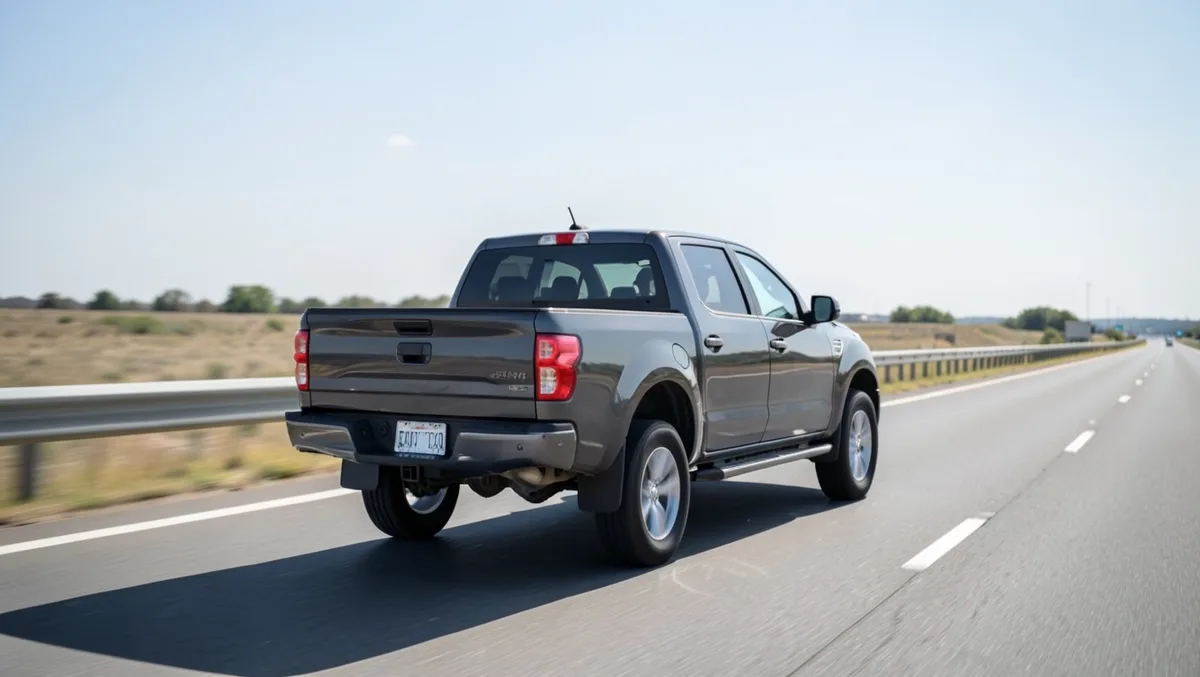
The same height that helps a truck driver see over traffic raises the vehicle’s center of gravity, and that makes it more prone to tipping in a sharp turn, an emergency swerve, or a run off the shoulder. IIHS’s Fatality Facts 2024 report on passenger vehicle occupants found that rollover crashes caused 38% of pickup occupant deaths, compared with 33% for SUVs and only 20% for cars. A loaded truck bed, an unsecured trailer, or aggressive cornering on rural roads all push that risk higher still.
Reinforced roof structures and electronic stability control have cut rollover deaths across every vehicle type since the mid-2000s, but the gap between trucks and cars has not closed. If you want to see how a vehicle’s structure is engineered to survive one of these crashes, our guide to what a roll cage does in a car breaks down the reinforcement that keeps a cabin intact when a vehicle ends up on its roof.
The Real Danger: What Trucks Do to Other Drivers
This is the part of the safety debate that rarely makes it onto a dealership brochure. IIHS found the average other-driver death rate across all vehicles was 53 per million registered vehicle-years, against an average driver death rate of 37. Very large pickups posted an average other-driver death rate of about 121, more than ten times higher than the smallest sports cars in the study. The single worst performer was the Ram 3500 Crew Cab Long Bed 4WD, at 204 deaths per million registered vehicle-years caused to occupants of other vehicles — roughly four times the overall average.
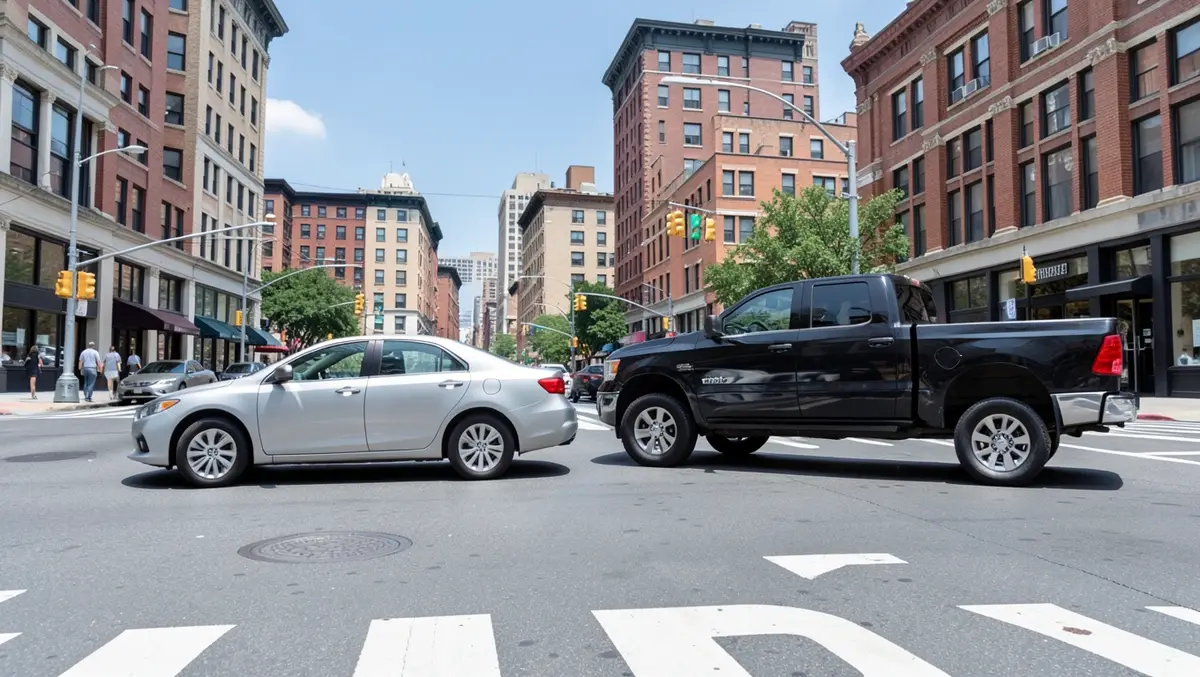
The physics behind that gap is the mirror image of the protection a truck gives its own driver. A heavy front end that sits higher than most sedans and crossovers tends to override a smaller car’s bumper and door structure in a collision, striking occupants closer to chest or head height instead of being absorbed by the car’s designed crumple zone. Our breakdown of t-bone crash physics covers why side-impact collisions are so unforgiving, and a mismatched height between the two vehicles only makes that worse.
Driver Training, Technology, and Everyday Handling
Size and mass explain most of the crash-outcome gap, but they are not the whole story. Commercial and fleet truck drivers often go through structured training that ordinary car buyers never see, and habits like maintaining longer following distances and checking oversized mirrors before a lane change carry over even once a truck is driven privately. Trucks also tend to log more highway miles at steady speeds, a driving pattern that is statistically less crash-prone than the stop-and-go city driving cars do more of.
On the technology side, the gap has mostly closed. Forward collision warning, automatic emergency braking, blind-spot monitoring, and lane departure alerts are now common on both cars and full-size trucks, and IIHS crash-avoidance ratings treat both categories the same way. Where trucks still lag is stopping distance: a loaded half-ton pickup routinely needs 10 to 20 more feet to stop from highway speed than a midsize sedan, because there is simply more mass for the brakes to arrest.
Weather, Roads, and Practical Trade-offs
A truck’s weight and larger tire contact patch genuinely help in rain and light snow, and its added ground clearance shrugs off potholes and rough gravel that would rattle a low-riding sedan. Strong crosswinds cut the other way: a tall pickup bed and cab present far more surface area to a gust than a car’s lower profile does, which is part of why high-wind advisories on open highways so often single out trucks, vans, and trailers.
Cost follows the same pattern as the safety trade-off. Trucks typically cost more to fuel, insure, and maintain than a comparable car, partly because replacement parts are larger and partly because insurers price in the higher liability risk a truck poses to other drivers. None of that changes the crash outcomes above, but it is worth weighing alongside them when you are choosing between the two.
Why Trucks Feel Safer Than the Data Says
Movies and advertising both lean hard on the image of a truck walking away from a wreck that would total a smaller car, and that image sticks. It is also, for the driver inside the truck, largely accurate — which is exactly why the perception persists even though it leaves out what happens to the other vehicle. Buyers who choose a truck for towing capacity or cargo space are not wrong to also feel safer doing it; they are just weighing one half of a two-sided statistic.
Frequently Asked Questions
Are Trucks Safer Than Cars In A Crash?
For the truck’s own driver, generally yes — a 2026 IIHS study found pickup drivers face a lower death rate than car drivers, mainly because of the truck’s greater mass and height. For the driver of whatever the truck hits, the answer flips: large pickups have some of the highest other-driver death rates of any vehicle category on the road.
Do Truck Drivers Have Lower Death Rates Than Car Drivers?
Yes. IIHS found an average driver death rate of about 29 per million registered vehicle-years for pickups, versus about 48 for cars. Several large SUVs and pickups in the study recorded zero recorded driver deaths over the measurement period, while small and mini cars posted the highest rates of any category.
Are Pickup Trucks More Likely To Roll Over Than Cars?
Yes. IIHS’s Fatality Facts 2024 data shows rollover crashes accounted for 38% of pickup occupant deaths, compared with 33% for SUVs and 20% for cars. A pickup’s higher center of gravity, especially when its bed is loaded or towing a trailer, makes it more prone to tipping in a sharp turn or an off-road excursion than a lower-riding sedan.
Are Large Trucks More Dangerous To Other Drivers?
Yes, and by a wide margin. IIHS measured an average other-driver death rate of roughly 121 per million registered vehicle-years for very large pickups, against an overall average of 53. The Ram 3500 Crew Cab Long Bed 4WD posted the single highest rate in the study, at 204 deaths per million registered vehicle-years caused to occupants of other vehicles.
What Is The Safest Pickup Truck To Drive?
The specific model rankings shift every year as IIHS updates its data, but the pattern holds steady: large four-wheel-drive pickups and big SUVs consistently post the lowest driver death rates of any vehicle category, with several recording zero driver deaths in the latest study period. Check IIHS.org and NHTSA.gov for the current model-year rankings before you buy, since safety packages and crash ratings change from one model year to the next.
Conclusion
Neither vehicle wins outright. A pickup truck is statistically the safer place to be sitting in a crash, and 2026 IIHS data backs that up with real numbers. But that same size advantage makes large trucks measurably more dangerous to the people they hit, and it raises rollover risk for the truck’s own occupants in a way raw mass cannot fix. Choose based on what you actually need the vehicle to do, drive defensively either way, and lean on modern safety technology — it now closes more of the gap between the two than size alone ever will.
Products related to this article
Sponsored / affiliate links. As an Amazon Associate I earn from qualifying purchases. I may earn additional commission from eligible campaigns.